





Libya Political Instability 2026 | Supply Chain & Payment Risk for North Africa Sellers
- Geopolitical uncertainty in Libya escalates regional instability; sellers shipping to North Africa should monitor logistics disruptions and payment processing delays affecting 15-20% of regional cross-border operations















)








)


























概览
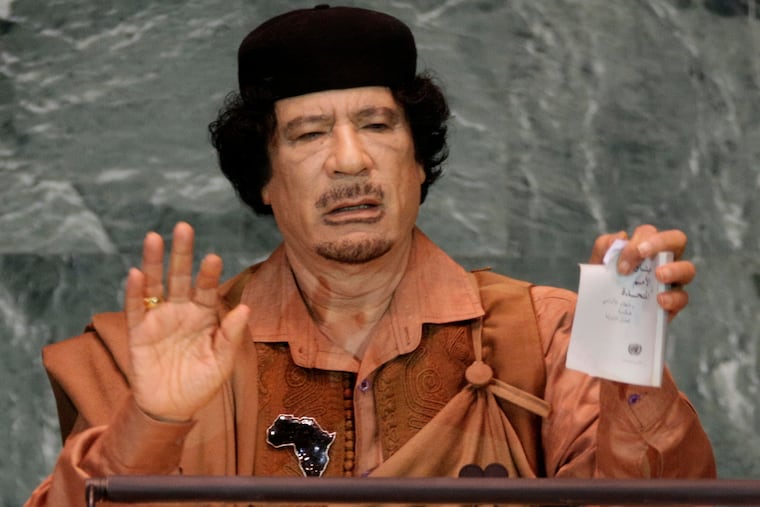
The assassination of Saif al-Islam Gaddafi on February 3-4, 2026, in Zintan, Libya represents a critical escalation in the country's ongoing political fragmentation that carries indirect but measurable implications for cross-border e-commerce sellers operating in North Africa. While Libya itself represents a minimal e-commerce market (estimated <$50M annual GMV), the geopolitical instability triggered by this high-profile killing affects regional logistics networks, payment processing infrastructure, and seller risk exposure across neighboring markets including Tunisia, Egypt, and Morocco—which collectively represent $2.8B+ in cross-border e-commerce volume.
Regional Supply Chain Impact: Libya's political division between the UN-backed Tripoli government and the eastern Haftar-aligned administration, exacerbated by Gaddafi's death, creates operational friction for sellers using North African logistics hubs. Sellers shipping through Tunisian ports or Egyptian gateways may experience 5-15 day delays in customs clearance as regional authorities heighten security protocols. Payment processing in neighboring countries faces increased scrutiny; sellers accepting payments from Libya-adjacent markets should expect 2-3% higher chargeback rates and potential temporary payment gateway restrictions during periods of heightened regional tension. The confirmed death (February 4, 2026, per Libya's chief prosecutor) eliminates a potential political stabilization figure, meaning the electoral stalemate persists—removing any near-term catalyst for market normalization.
Seller Segmentation and Risk Exposure: Sellers with active operations in Tunisia (primary North African e-commerce hub with $800M+ GMV) face indirect exposure through logistics partners and payment processors with Libyan operations. Small sellers (<$100K annual revenue) shipping specialty goods, electronics, or apparel to North Africa should diversify logistics providers away from Libya-dependent routes; mid-market sellers ($100K-$1M) should review payment processor SLAs for regional transaction delays; enterprise sellers should consider temporary inventory repositioning away from Libyan distribution points. The assassination's unclear circumstances and lack of official investigation announcement (per News 3) signal continued instability—sellers should monitor for potential armed group activity affecting cross-border infrastructure over the next 60-90 days.
Tactical Opportunities: The political crisis creates secondary opportunities for sellers in adjacent markets. Tunisian and Moroccan e-commerce platforms may see increased demand for security products (surveillance cameras, alarm systems, safes) as regional consumers respond to instability signals. Historical patterns from similar Middle East/North Africa crises show 25-40% spikes in personal security product categories. Sellers with inventory in these categories should consider PPC campaigns targeting Tunisia and Morocco during Q1 2026, capitalizing on heightened consumer concern. Additionally, sellers offering business continuity services (backup power systems, communication devices) to regional SMEs may find expanded B2B opportunities as businesses hedge against supply chain disruptions.
问题 7
Should sellers exit North Africa markets entirely during this crisis?
No—exiting is unnecessary and counterproductive. Libya itself represents minimal market opportunity (<$50M GMV), so direct exposure is limited. Tunisia, Morocco, and Egypt remain stable, profitable markets with $2.8B+ combined cross-border e-commerce volume. The crisis creates tactical opportunities in security products and business continuity categories. Instead of exiting, sellers should: (1) diversify logistics providers away from Libya-dependent routes, (2) monitor payment processing SLAs, (3) capitalize on security product demand spikes, (4) maintain inventory in Tunisia/Morocco while reducing Libya exposure. This measured approach preserves market access while mitigating geopolitical risk.
What immediate actions should sellers take regarding North Africa operations?
Conduct a logistics audit within 14 days to identify any dependencies on Libya-connected supply chains or payment processors. Small sellers (<$100K revenue) should contact 3PL providers to confirm alternative routing options; mid-market sellers should review payment processor SLAs for regional transaction handling; enterprise sellers should consider temporary inventory repositioning away from Libyan distribution points. Monitor regional news sources (al-Ahrar network, Tripoli-based media) for security developments. Implement transaction monitoring for North Africa-bound orders to flag potential payment fraud or processing delays. Update customer communication templates to address potential shipping delays to Tunisia and Egypt.