




PepsiCo 15% Price Cuts on Lay's, Doritos | Snack Seller Margin Compression Alert
- Major brand price reductions signal consumer price sensitivity peak; snack category sellers face 8-15% margin pressure as volume recovery becomes priority over profitability



概览
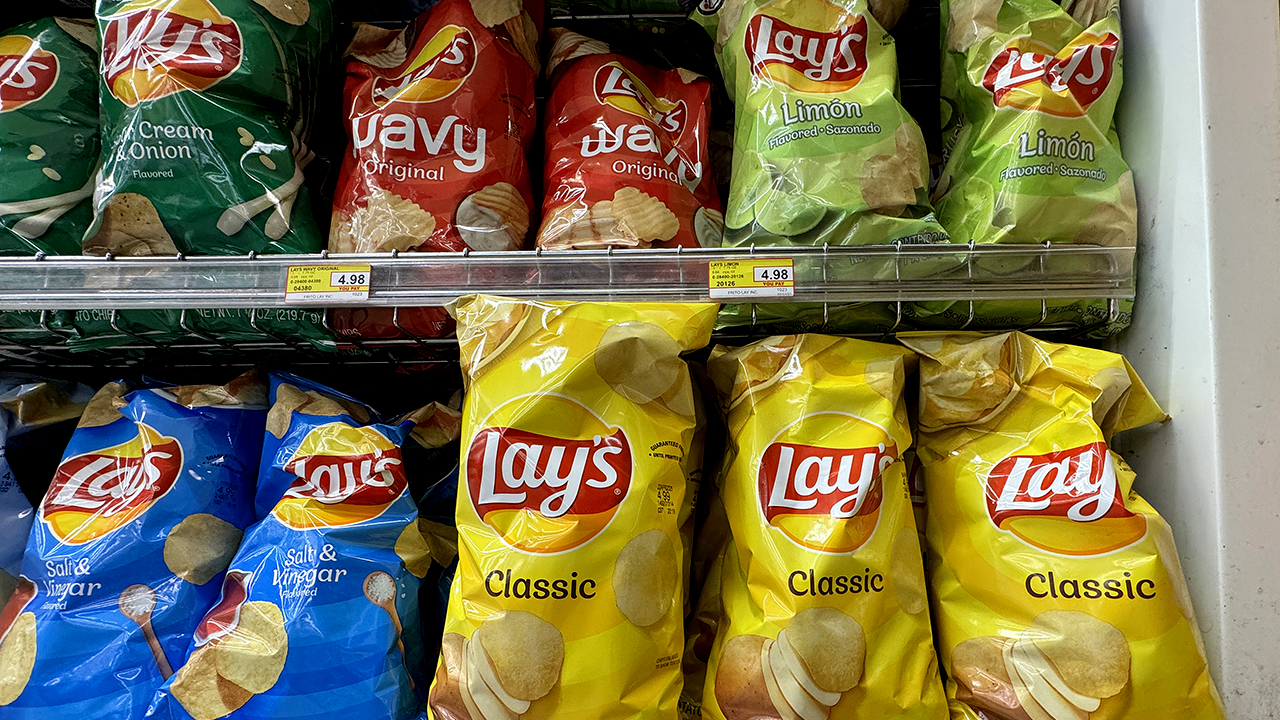
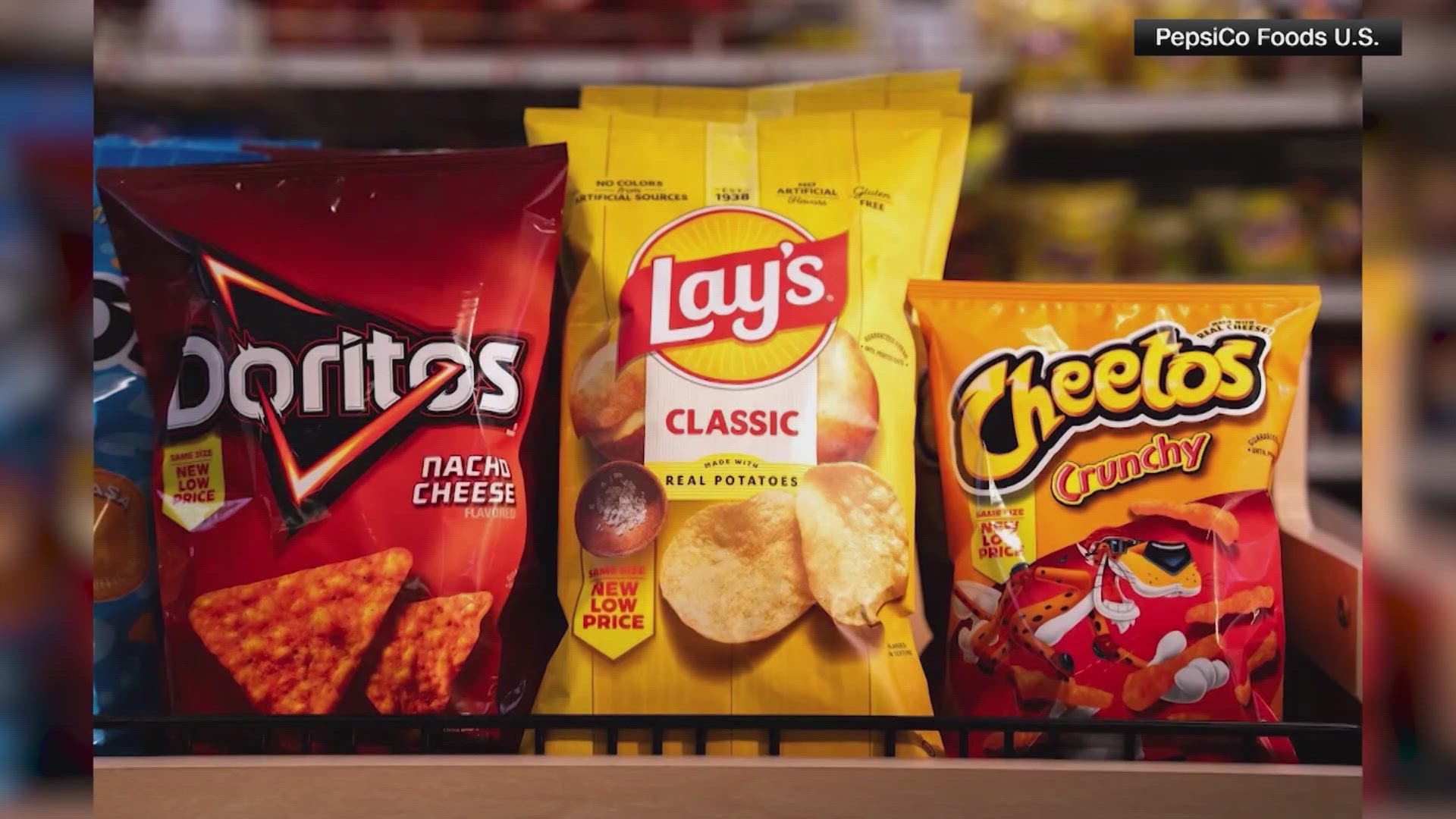
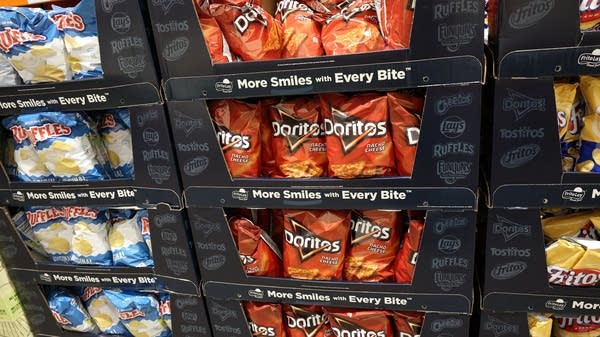
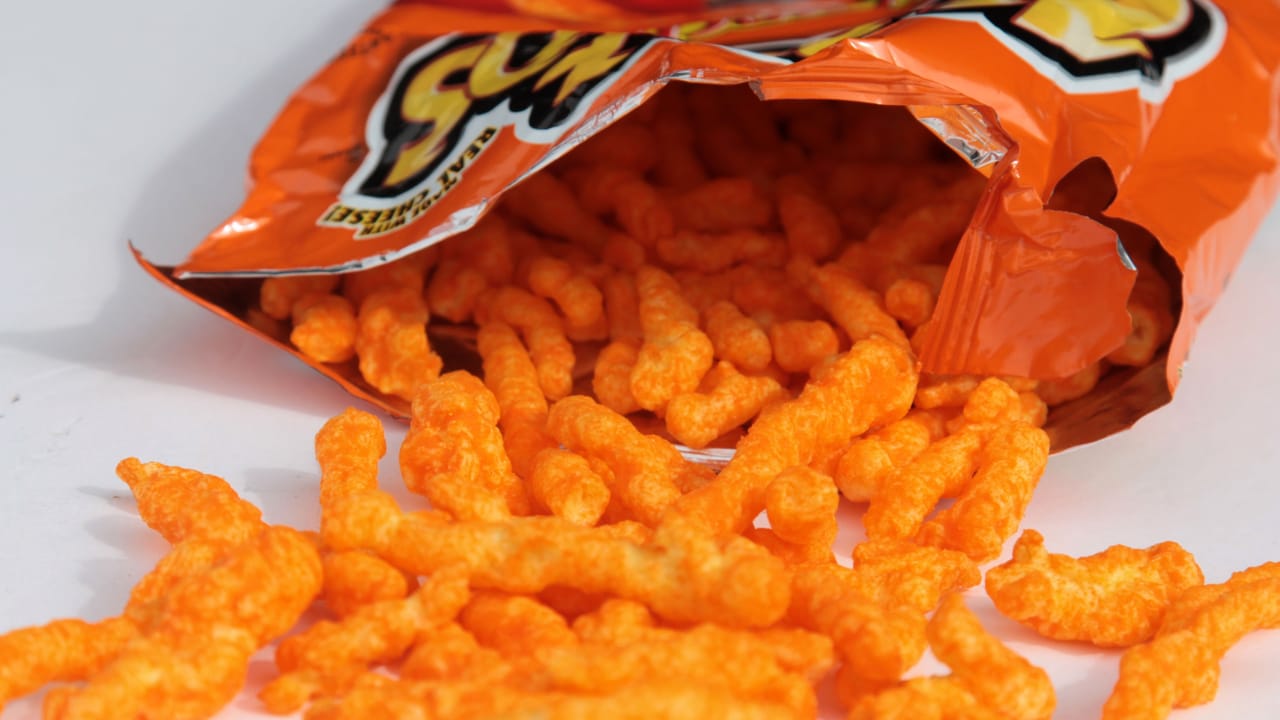
PepsiCo's 15% price reduction on Lay's, Doritos, Cheetos, and Tostitos—announced February 3, 2026, effective immediately—represents a critical market inflection point for e-commerce snack sellers. The move directly contradicts Q4 2025 pricing strategy where PepsiCo raised snack prices 1% and beverage prices 7%, generating $29.3 billion in revenue but simultaneously crushing demand as consumers switched to cheaper alternatives. This reversal signals that consumer price sensitivity has reached a breaking point where volume recovery now outweighs margin expansion—a fundamental shift affecting all sellers in the snack and beverage categories.
For cross-border e-commerce sellers, the implications are immediate and severe. Sellers importing PepsiCo products into international markets will initially benefit from lower wholesale costs, potentially improving margins by 5-8% or enabling aggressive competitive pricing. However, this advantage is temporary. The announcement reflects broader grocery inflation (2.4% annual increase per Bureau of Labor Statistics, December 2025) that has persisted since the COVID-19 pandemic. Consumers are now actively comparing prices across platforms and switching to private-label alternatives—behavior that directly threatens sellers' ability to maintain margins on branded snacks. The Super Bowl timing (peak consumption event) indicates PepsiCo is prioritizing market share capture during high-volume periods, meaning sellers must expect intensified competition and potential price wars during seasonal peaks.
The product innovation angle reveals deeper market dynamics. PepsiCo is simultaneously launching healthier variants (Gatorade Lower Sugar, Simply NKD Cheetos/Doritos with no artificial flavors, Lay's with avocado/olive oil) and functional products (Doritos Protein, Pepsi Prebiotic—which sold out within 30 hours of Black Friday release). This dual strategy signals that premium-positioned, health-conscious snacks command pricing power while commodity snacks face relentless margin pressure. Sellers should recognize this bifurcation: budget-conscious consumers are driving volume in standard categories, while affluent demographics will pay premium prices for functional/health-positioned alternatives. The 13% year-to-date stock price increase despite price cuts suggests investor confidence in PepsiCo's volume-over-margin strategy, indicating this pricing model will likely persist industry-wide.
Critical for sellers: This is not a temporary promotion. PepsiCo CEO Rachel Ferdinando emphasized the company has "spent the past year listening closely to consumers" feeling financial strain—indicating sustained consumer messaging throughout 2025 forced this strategic pivot. Retailers ultimately control final shelf prices, meaning consumers may see even deeper discounts than PepsiCo's suggested reductions. Sellers relying on PepsiCo products must immediately reassess inventory positioning, wholesale cost structures, and competitive pricing strategies. The window for maintaining current margins is closing rapidly as major brands prioritize volume recovery.
问题 7
Will this price cut trigger similar reductions from Mondelez, Frito-Lay competitors, or private-label brands?
Yes—expect competitive price reductions within 2-4 weeks. PepsiCo's move signals that consumer price sensitivity has reached a breaking point, forcing competitors to respond or lose market share. Mondelez (Oreo, Cadbury), Frito-Lay's parent company, and regional snack brands will likely announce 8-12% price cuts by late February 2026. Private-label snacks (Kirkland, Great Value, Amazon Basics) will accelerate market share gains as price-conscious consumers trade down from branded products. This means the margin compression you're experiencing isn't temporary—it's structural. Prepare for a 12-18 month period of elevated price competition in the snack category. Your competitive advantage will shift from price to differentiation: focus on unique flavors, health positioning, or niche categories (organic, keto, international snacks) where you can command premium pricing.
How does this price cut affect my cross-border snack sourcing strategy from Asia?
Cross-border sellers importing PepsiCo snacks from Asia face a 2-3 month lag before price cuts affect their cost structure. If you're currently importing Lay's or Doritos from Chinese distributors or Alibaba suppliers, your current purchase orders are locked at pre-cut prices. This creates a temporary arbitrage opportunity: your wholesale costs remain high while retail prices drop, compressing margins by 12-18% for 60-90 days until new shipments arrive at lower costs. Strategy: liquidate current inventory aggressively during February-March at competitive prices to clear stock, then place new orders at lower wholesale costs starting mid-February for April-May delivery. Additionally, consider sourcing private-label snack alternatives from Asian manufacturers (which typically cost 30-40% less than branded products) to maintain margins while branded products face price compression.