



Comac's C919 Expansion Reshapes Asia-Pacific Air Cargo Logistics | Cross-Border Seller Impact 2026-2031
- Chinese aircraft manufacturer breaks Boeing-Airbus duopoly with 200+ deliveries; regulatory runway changes enable 28+ aircraft deliveries in 2026; air freight capacity expansion creates 15-25% cost reduction opportunities for Asia-Pacific e-commerce sellers by 2028














概览
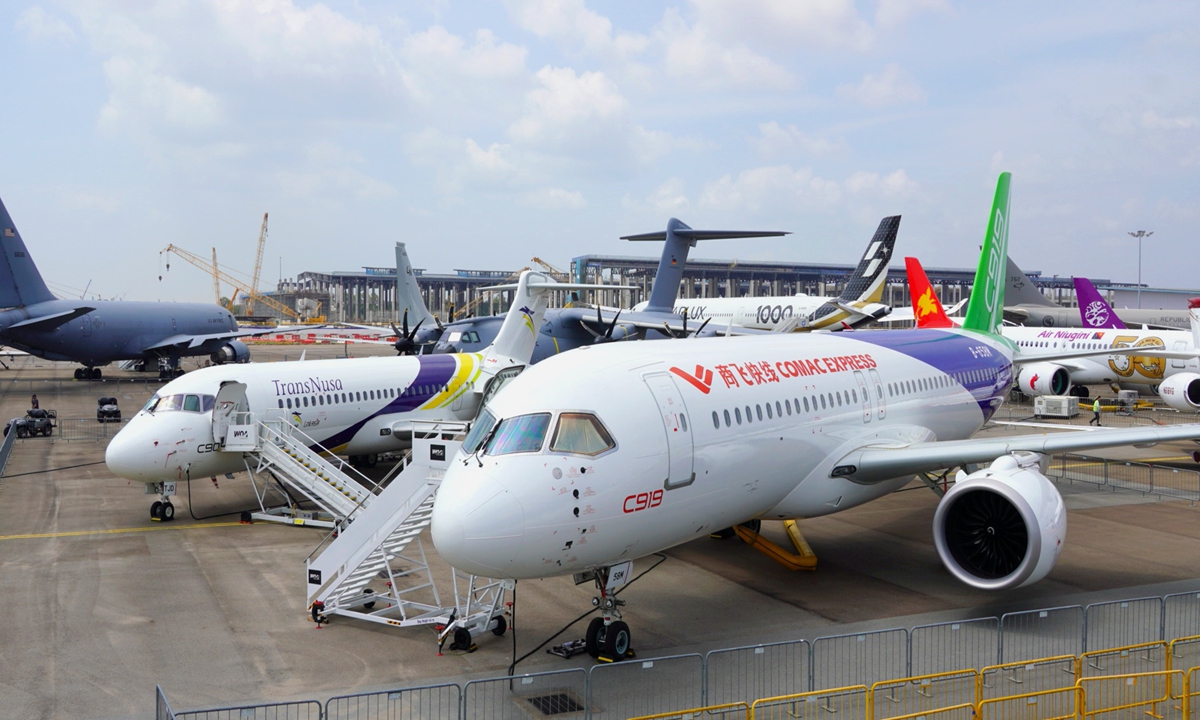
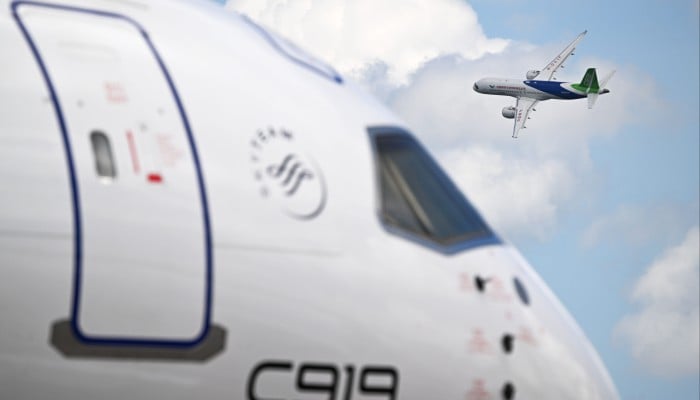
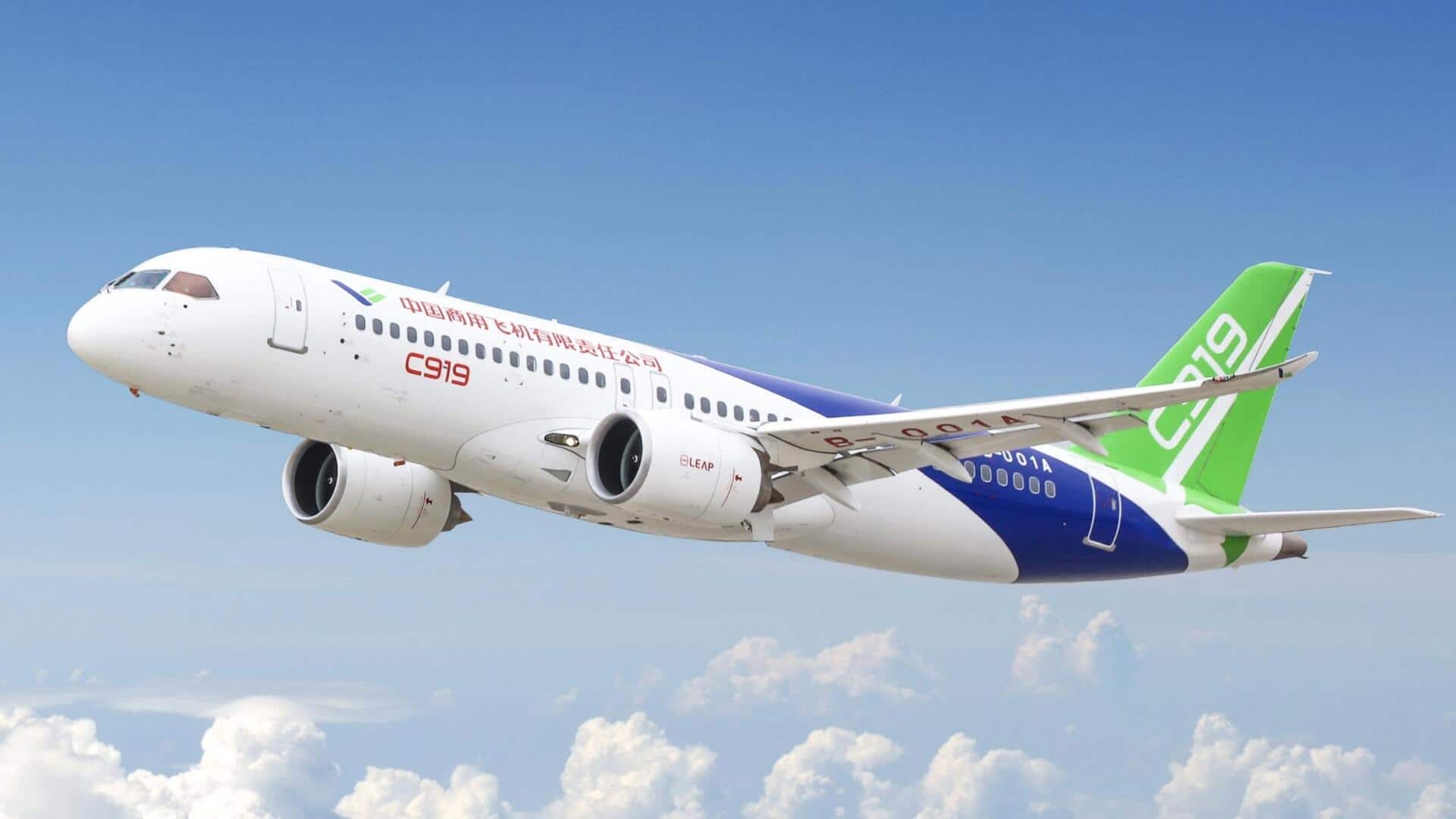
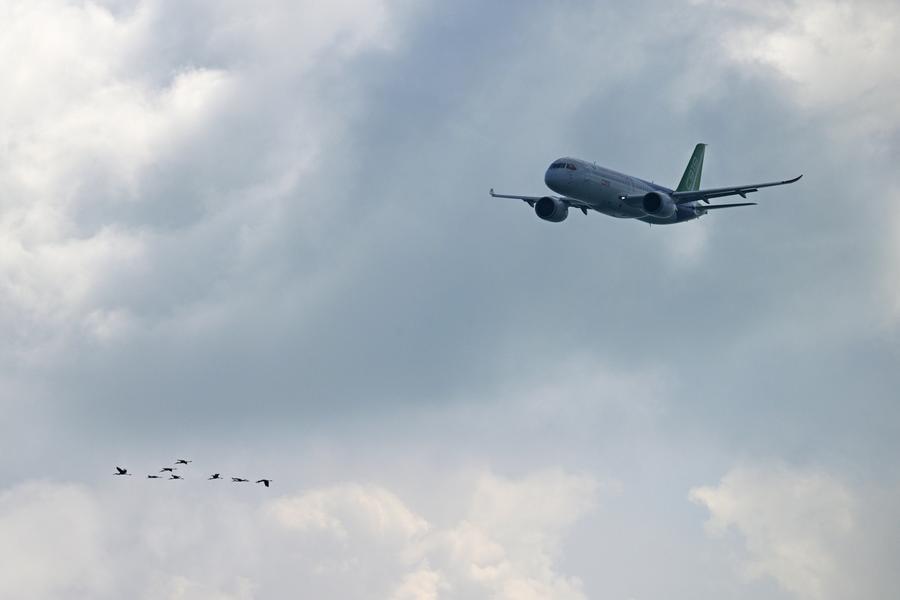
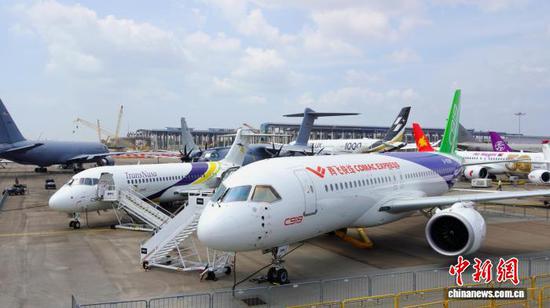
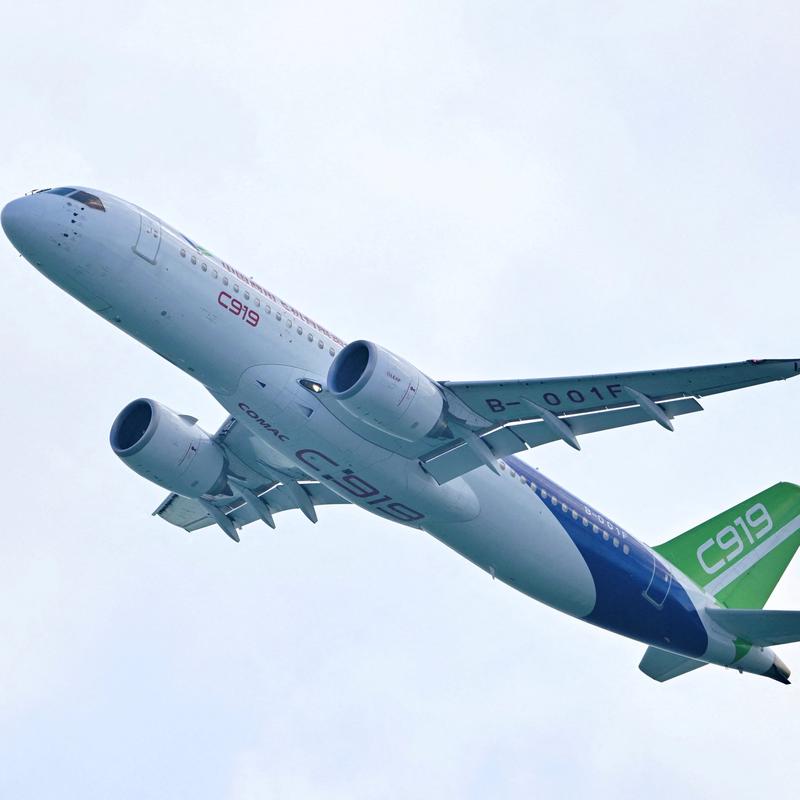
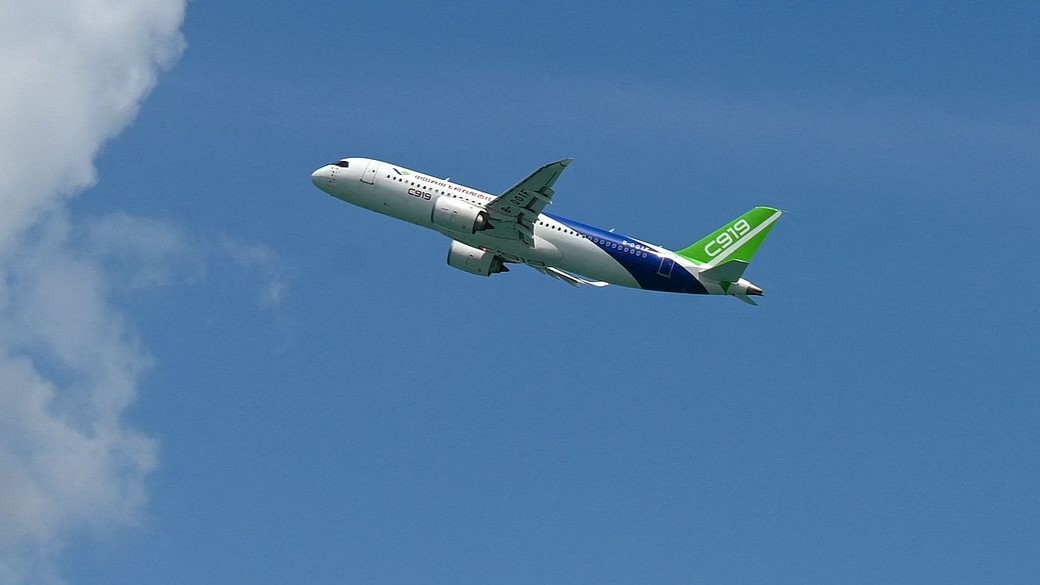
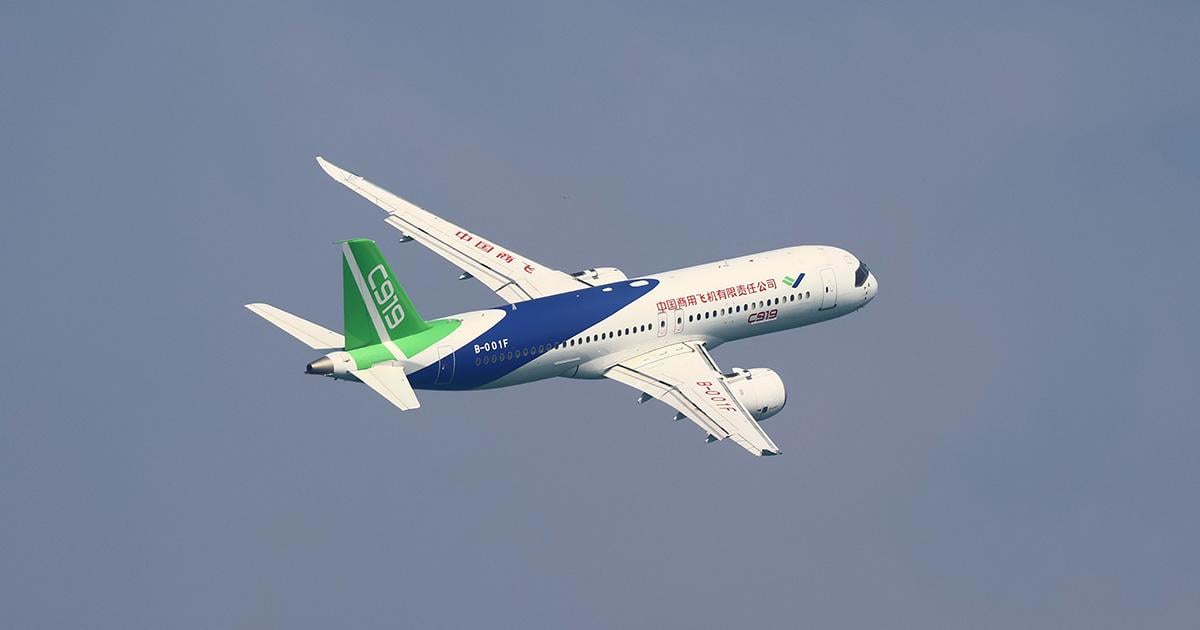
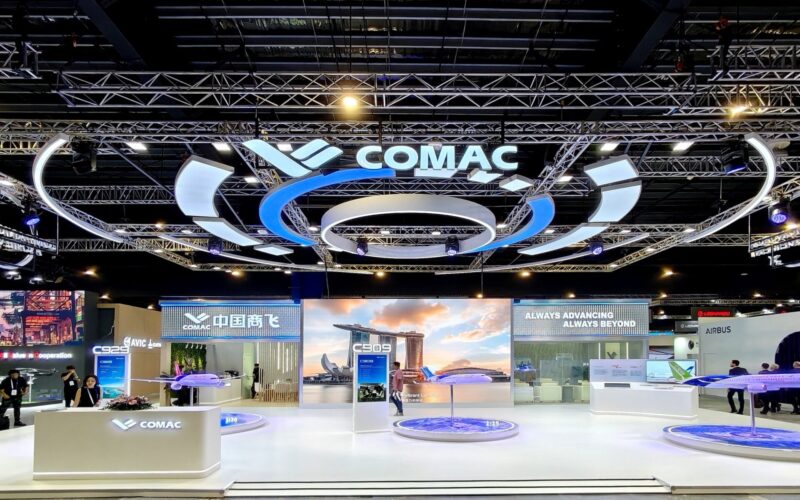
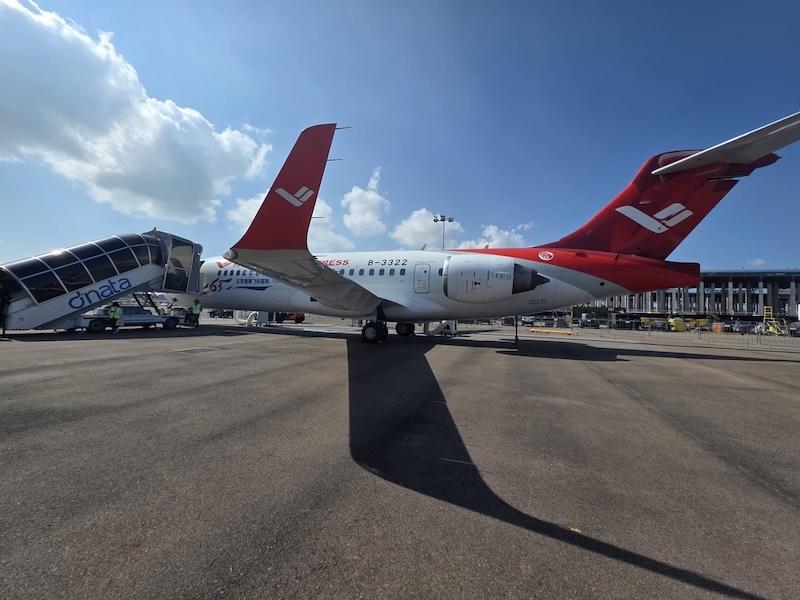
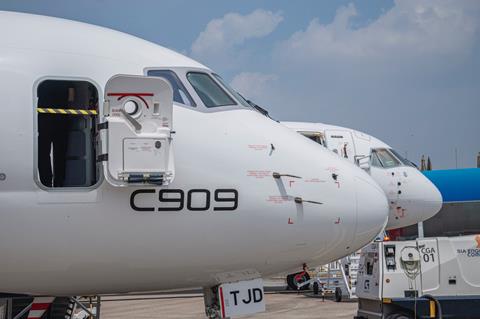
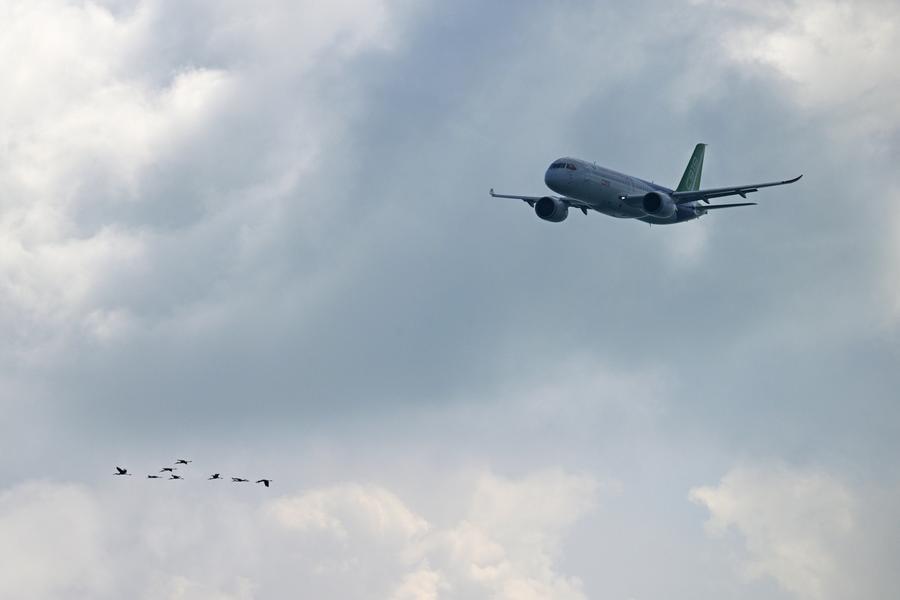
Comac's emergence as a credible third aircraft manufacturer fundamentally reshapes air cargo capacity and logistics costs for cross-border e-commerce sellers operating in Asia-Pacific corridors. At the February 2026 Singapore Airshow, China's state-owned Commercial Aircraft Corporation (Comac) demonstrated its C919 narrow-body jet (158-192 passenger capacity, 5,555km range) and announced regulatory approval for reduced runway operations (45m to 30m width requirement), directly enabling market penetration in Southeast Asian routes. The company has delivered over 200 aircraft across C919 and C909 platforms, collectively carrying 36 million passengers, with approximately 25% operated by airlines in Laos, Indonesia, and Vietnam. Comac projects delivering at least 28 aircraft in 2026 (versus 15 in 2025), representing 87% production acceleration.
For cross-border sellers, this creates immediate logistics arbitrage opportunities. Current industry delivery delays average 7 years between aircraft orders and receipt, with IATA data indicating Asia-Pacific carriers could achieve double-digit growth in 2026 if aircraft availability improved. Comac's lower pricing (government-subsidized production) and faster delivery timelines (2-3 year lead times versus 5-7 years for Boeing/Airbus) enable regional carriers like Cebu Pacific, GallopAir (Brunei), and Cambodia's planned 20-aircraft purchase to expand air cargo capacity. This supply increase directly reduces air freight premiums on Asia-Pacific routes—historically 40-60% above ocean freight—potentially compressing to 25-35% premiums by 2028. Sellers shipping high-value electronics, fashion, and time-sensitive goods via air freight from China to Southeast Asia, India, and Australia could realize 15-25% cost savings on per-unit logistics.
Regulatory harmonization and market access barriers present timing windows for strategic sourcing shifts. China's Civil Aviation Administration's runway width reduction (10-working-day public comment period completed) enables C919 operations at secondary airports in Coron (Philippines), Dili (East Timor), and 16+ Chinese regional cities currently underserved by Boeing/Airbus. However, European certification remains uncertain (2028-2031 timeline), limiting C919 adoption on transatlantic routes. Brunei's 2024 airworthiness certification and Indonesia's TransNusa C909 operations (9 units across Indonesia, Laos, Vietnam) signal Southeast Asian regulatory acceptance. For sellers, this creates a 24-36 month window (2026-2028) to negotiate preferential air freight rates with regional carriers adopting C919 fleets before international certification drives broader adoption and rate normalization. Comac's specialized variants—C909 fire-fighting aircraft (10-ton water tank, dual medical evacuation capability) and medical evacuation models—indicate diversification into emergency logistics, potentially creating niche air cargo opportunities for sellers of medical supplies, disaster relief equipment, and specialized industrial goods to Southeast Asian markets.
问题 7
How does Comac's C919 aircraft expansion reduce air freight costs for cross-border sellers?
Comac's delivery of 200+ aircraft and projected 28 additional deliveries in 2026 increase air cargo capacity on Asia-Pacific routes, directly reducing freight premiums. Current air freight costs 40-60% above ocean freight; increased aircraft supply from Comac's lower-priced fleet (government-subsidized) enables regional carriers to expand capacity and compress premiums to 25-35% by 2028. Sellers shipping electronics, fashion, and time-sensitive goods from China to Southeast Asia, India, and Australia could realize 15-25% per-unit logistics savings. The 7-year industry delivery delay for Boeing/Airbus aircraft means Comac's 2-3 year lead times create immediate capacity relief by 2026-2027.
What compliance and certification challenges could delay Comac's market impact?
Comac faces significant international certification hurdles: European certification timelines extend to 2028-2031, and the company must harmonize Chinese and Western components, flight controls, and software for international operations. Maintenance infrastructure and pilot training—areas where Boeing and Airbus maintain decades-long advantages—present additional barriers. Questions persist regarding order verification; Comac claims 1,000+ C919 orders to Chinese airlines but has delivered only 12, complicating investor confidence. For sellers, this means Asia-Pacific logistics benefits materialize 2026-2028, while broader international adoption (transatlantic, European routes) remains uncertain until 2028-2031.