


Disney CEO Transition 2026 | $36B Experiences Division Drives New Strategy
- Josh D'Amaro takes helm March 18, 2026; Disney Experiences generates 60% of profits; $60B theme park expansion and AI integration reshape merchandise and consumer product opportunities













概览
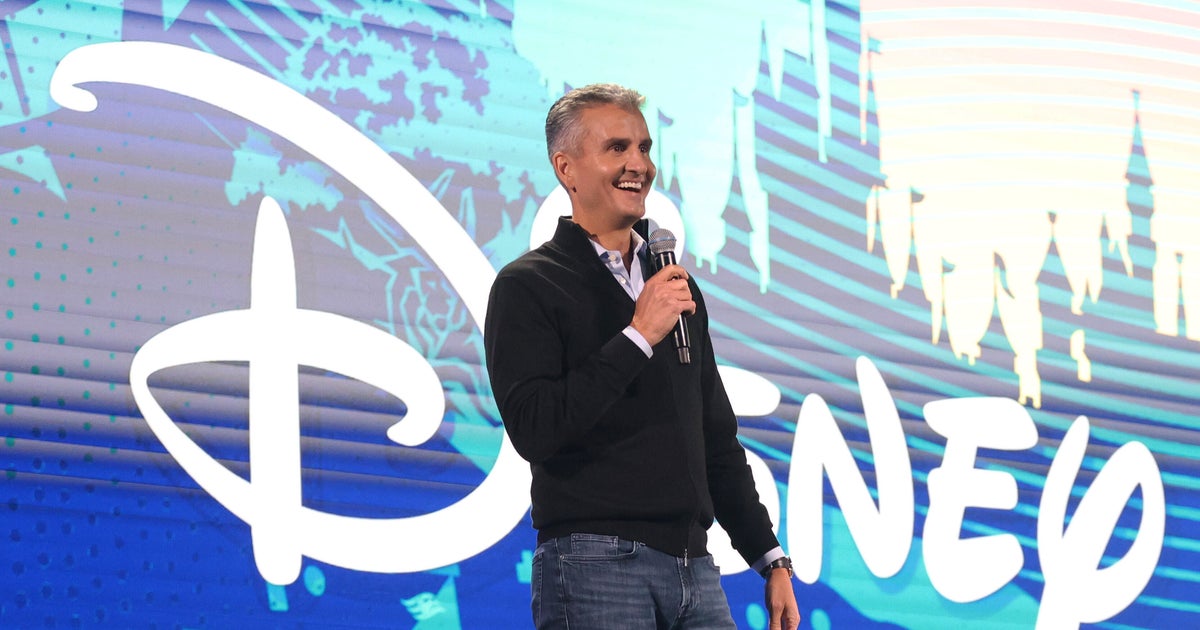
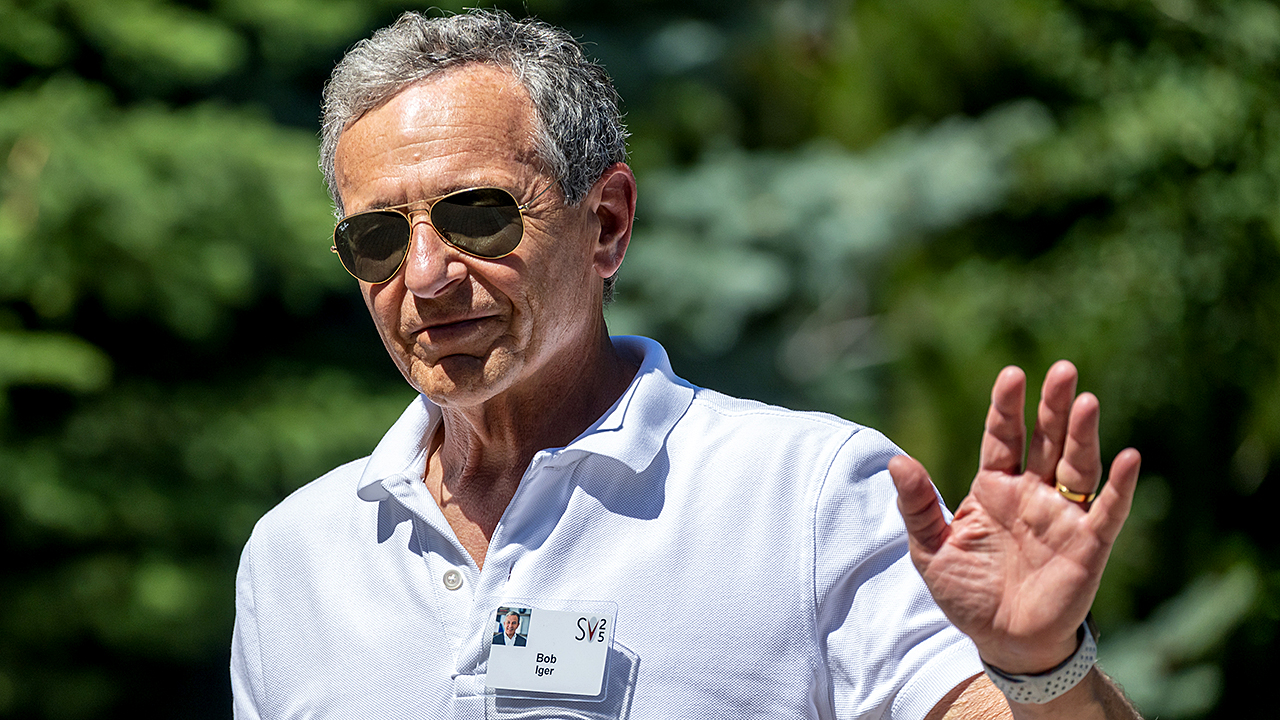
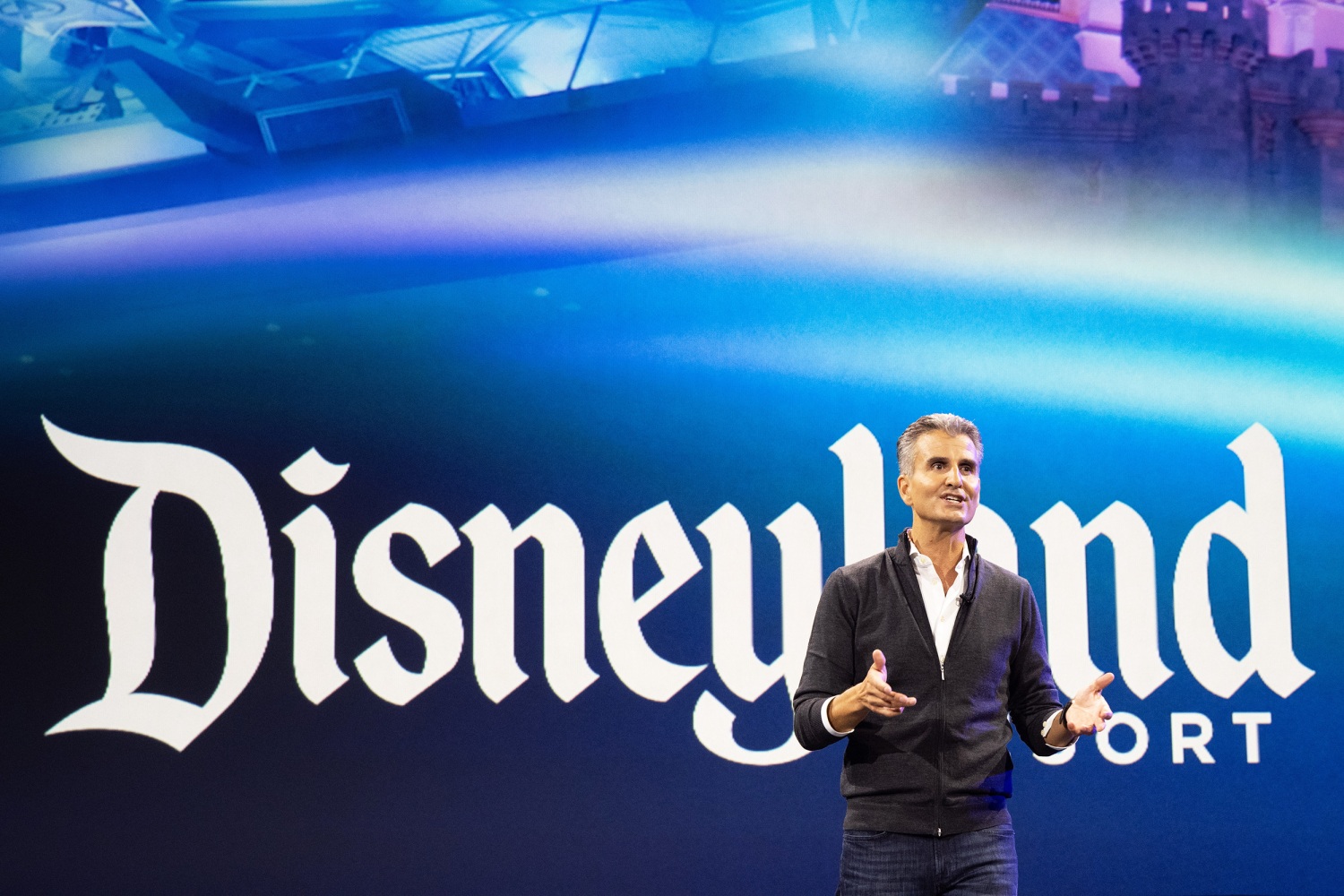
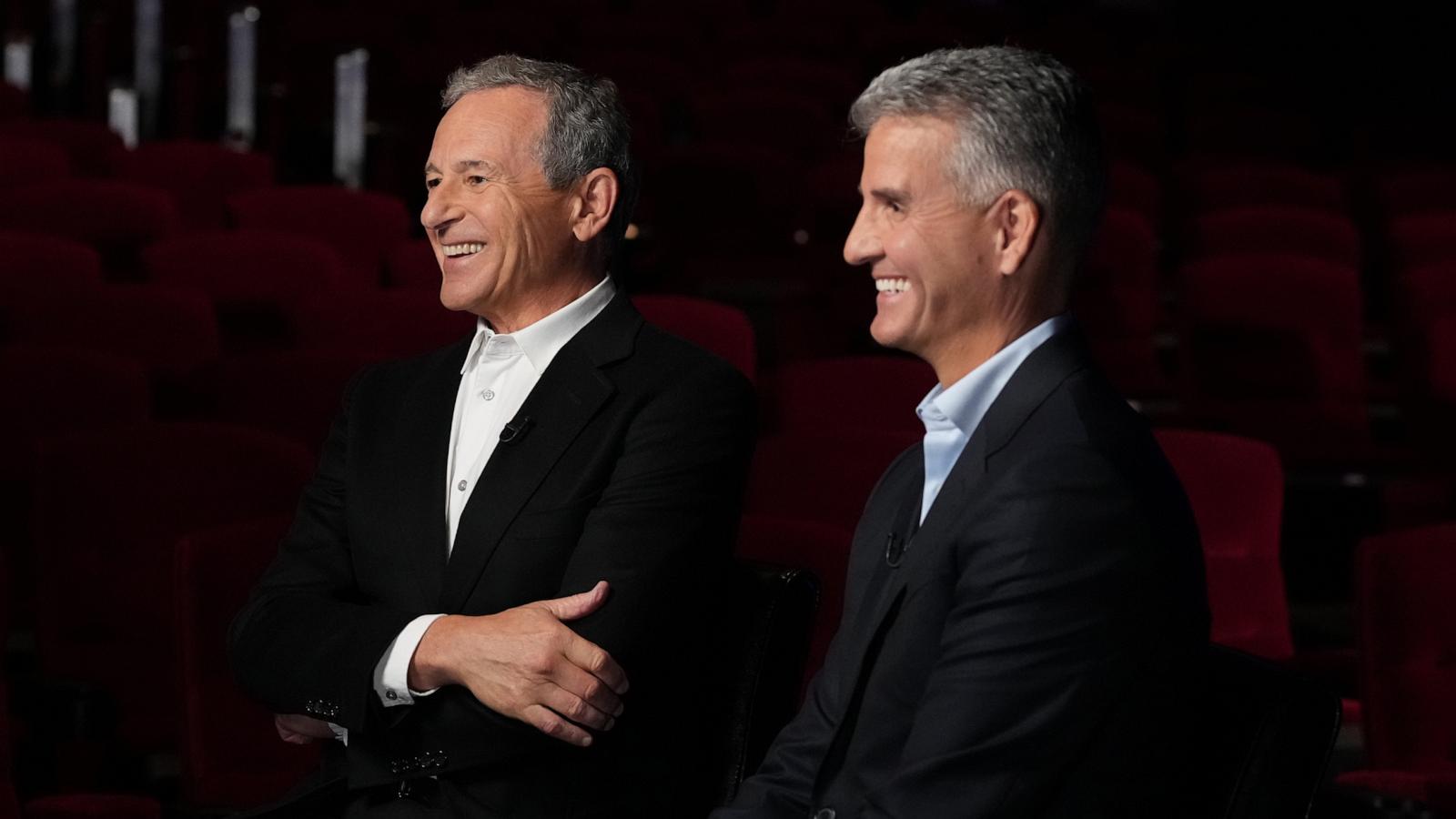
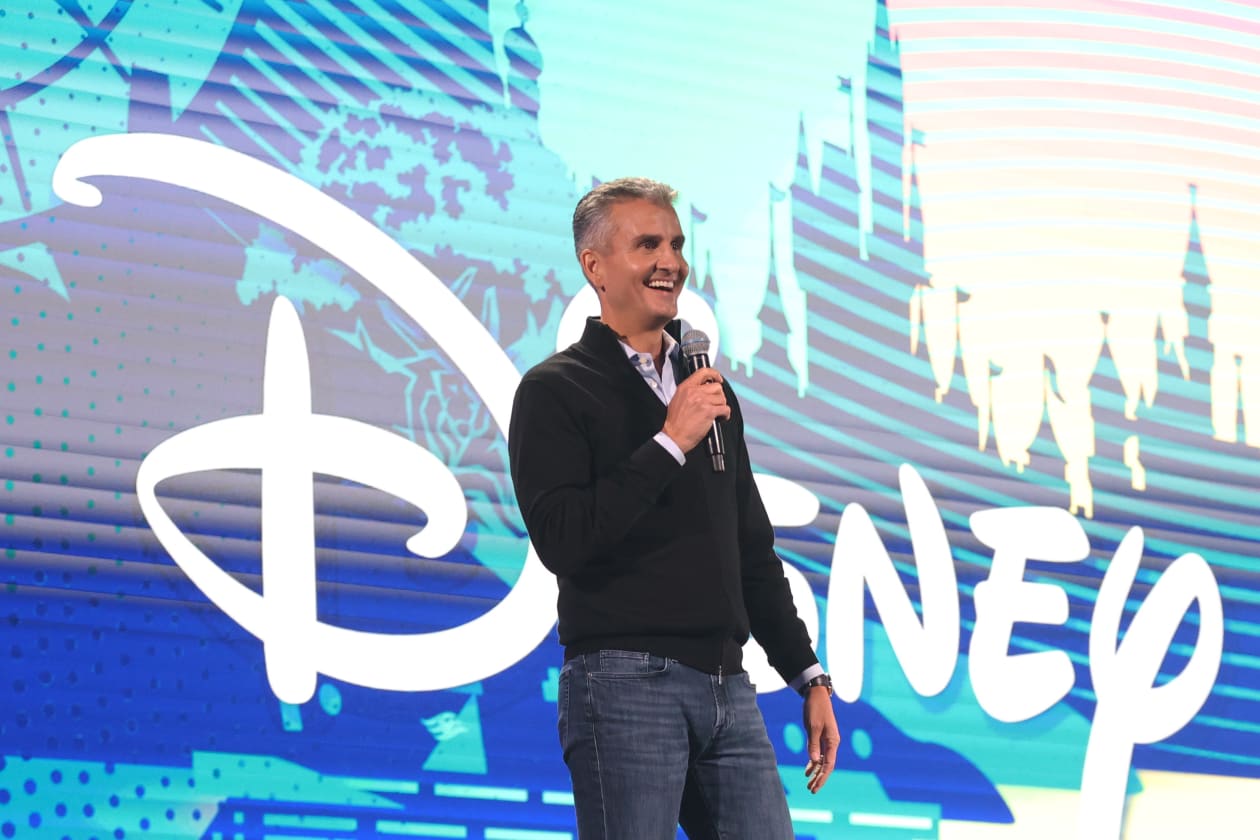
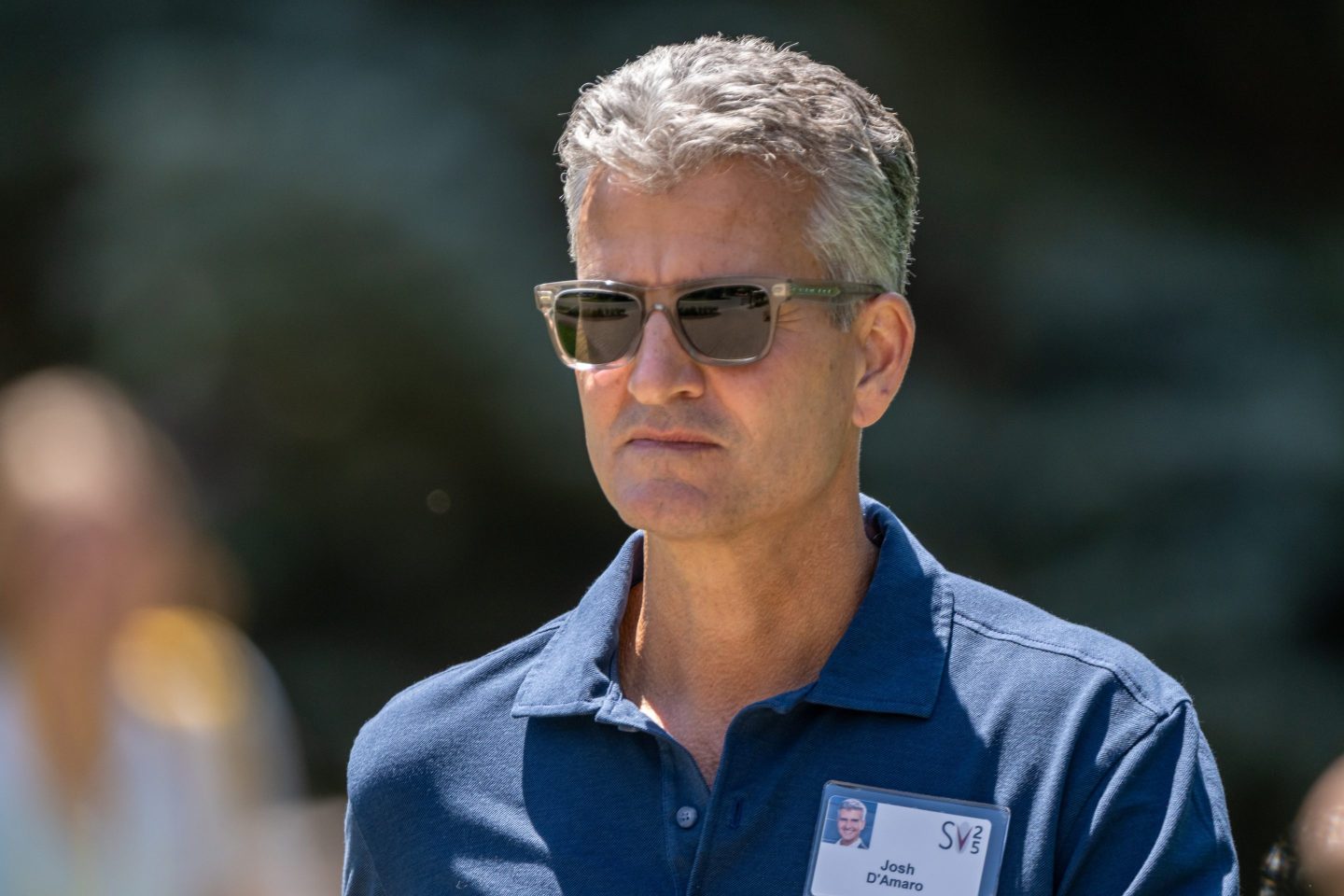
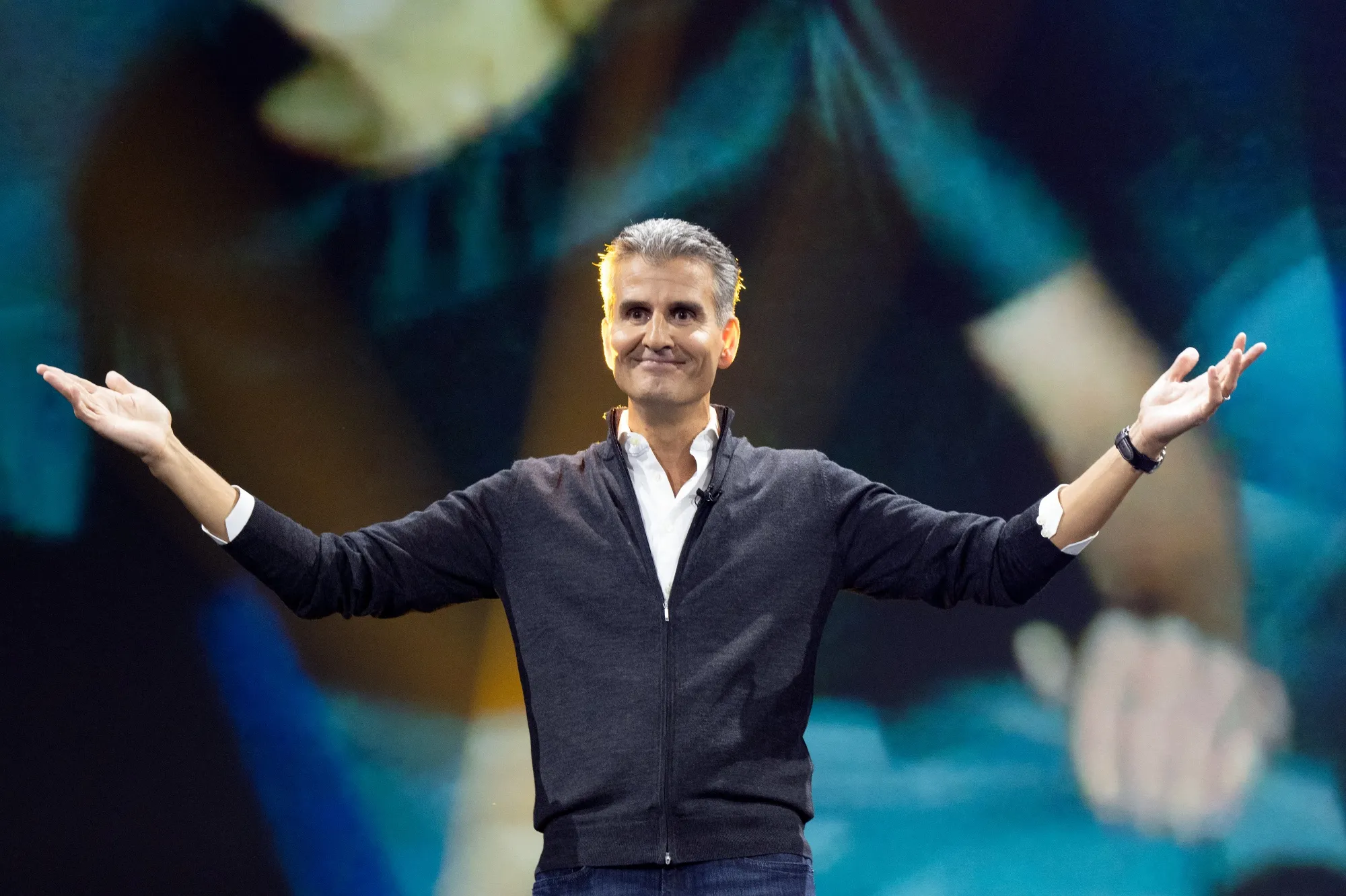
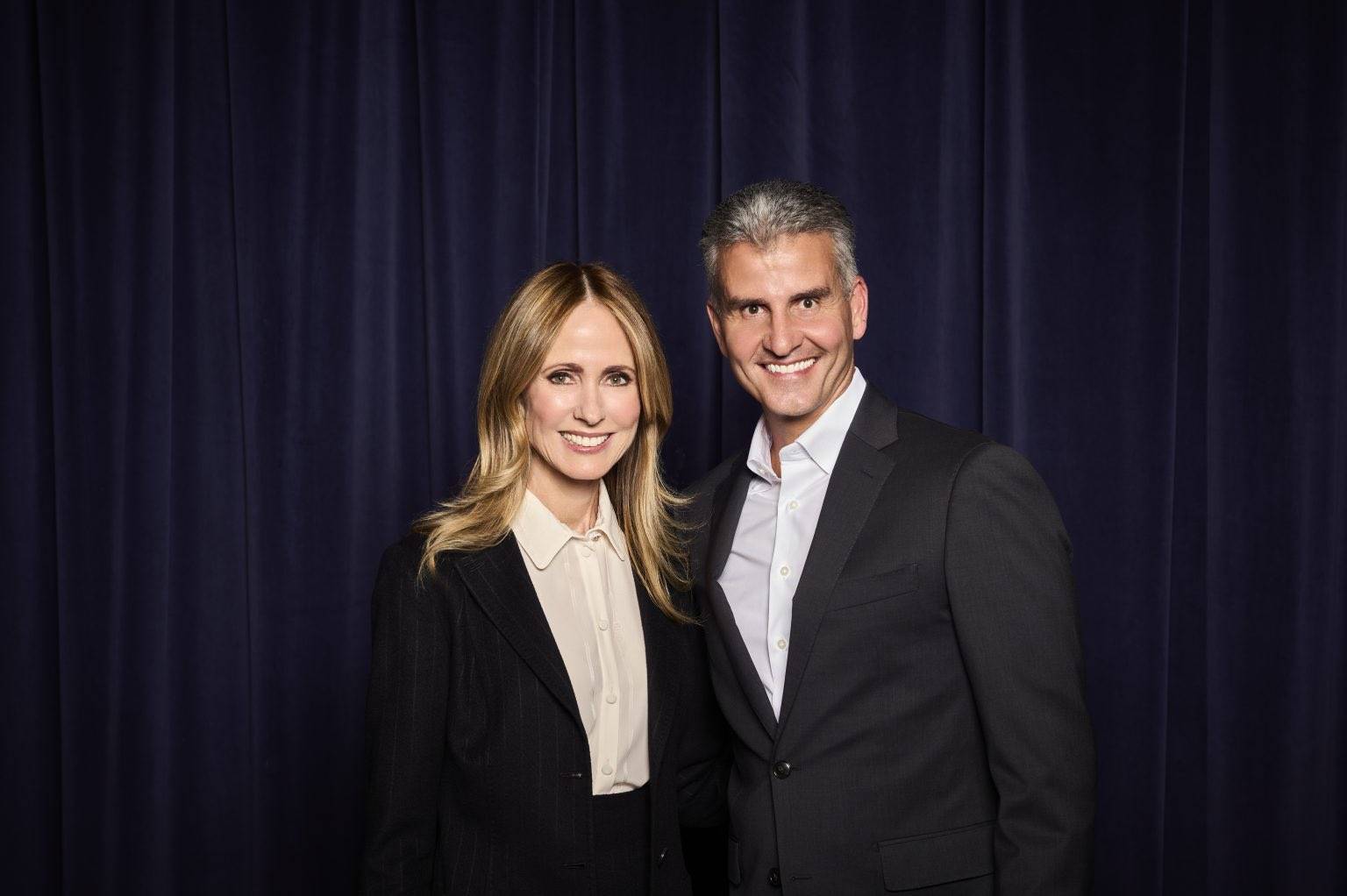
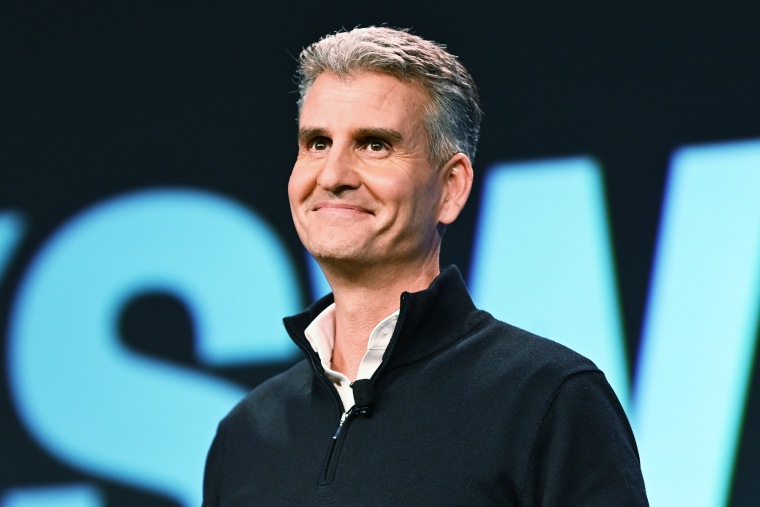
Disney's leadership transition on February 3, 2026, marks a pivotal strategic shift with Josh D'Amaro, 54, named CEO effective March 18, 2026, succeeding Bob Iger. D'Amaro's appointment as the first CEO from Disney's Experiences division—which generated $36 billion in annual revenue and approximately 60% of Disney's total profit in 2025—signals a fundamental reorientation toward optimizing physical assets and consumer-facing businesses. This transition directly impacts e-commerce sellers across multiple product categories, particularly those dealing in Disney merchandise, theme park-related consumer products, video games, and licensed collectibles.
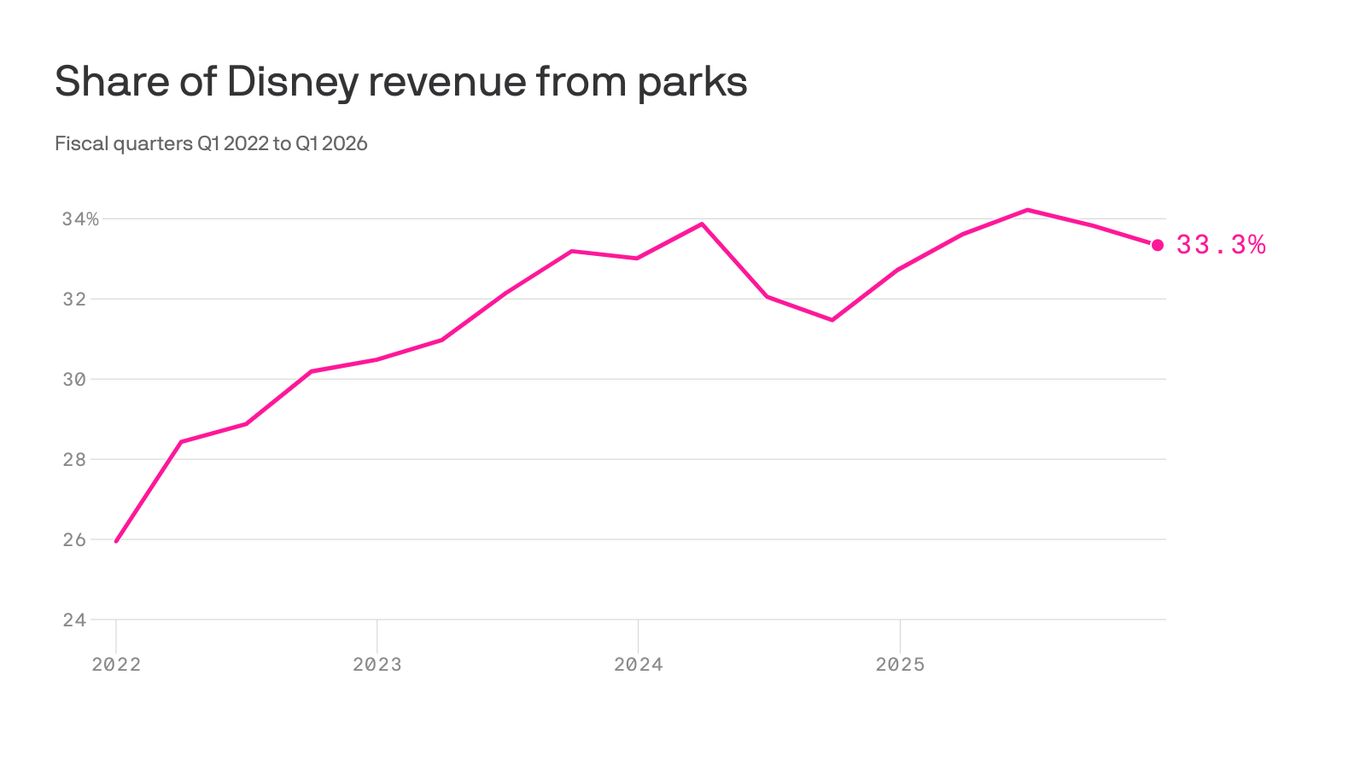
Strategic Implications for Merchandise and Consumer Products: D'Amaro's background managing Disney's most profitable division (theme parks, cruise ships, consumer products, and video games) suggests accelerated focus on experiential monetization and physical product optimization. The news reports Disney's Q1 2026 earnings showed Disney Experiences operating profit of $3.31 billion (up 6% year-over-year), while media divisions declined 34% to $1.29 billion. This performance gap indicates D'Amaro will likely prioritize consumer product innovation, theme park merchandise expansion, and video game integration—categories where third-party sellers and licensed manufacturers operate extensively. The planned $60 billion theme park expansion over the next decade, including the first Middle East theme park in Abu Dhabi, creates substantial opportunities for suppliers of park merchandise, collectibles, and location-specific consumer products. Sellers in Disney collectibles, apparel, home décor, and gaming merchandise should anticipate increased demand signals tied to new park openings and expanded experiences.
AI Integration and Operational Transformation: D'Amaro emphasized Disney's $1 billion investment in OpenAI, stating AI should "supercharge" creative professionals rather than replace them. This signals potential operational changes in content personalization, customer experience optimization, and supply chain efficiency. For e-commerce sellers, this indicates Disney will likely implement AI-driven inventory management, personalized product recommendations, and dynamic pricing strategies across its consumer product ecosystem. The December 2025 partnership with OpenAI involving character integration into Sora's video platform suggests emerging opportunities in AI-generated content merchandising and digital-physical product hybrids. Sellers should monitor Disney's AI initiatives for new product categories and licensing opportunities in emerging digital-physical convergence spaces.
Creative Leadership and Content Pipeline: Dana Walden's appointment as the first companywide Chief Creative Officer in Disney's 103-year history, alongside D'Amaro's CEO role, emphasizes continuity in creative excellence while signaling operational improvements. Disney's film division claimed the 2025 domestic and global box office crown with $6.6 billion worldwide revenue, led by Zootopia 2 and Avatar: Fire and Ash. The 2026 slate includes major releases (Toy Story 5 on June 19, live-action Moana on July 10, Avengers: Doomsday on December 18), creating predictable merchandise release windows. Sellers in movie tie-in merchandise, action figures, apparel, and collectibles should align inventory planning with these theatrical release dates, as historical patterns show 40-60% sales increases during major film launches. The emphasis on theatrical distribution (versus streaming-first strategies that plagued predecessor Bob Chapek's tenure) suggests stronger retail and e-commerce merchandise tie-in opportunities.
问题 7
What risks should sellers monitor regarding the 'Chapek 2.0' scenario mentioned in industry analysis?
Industry observers note caution about potential 'Chapek 2.0' risks, referencing former CEO Bob Chapek's troubled 2020-2022 tenure. Chapek, also from Parks and Experiences, faced backlash over theatrical versus streaming distribution messaging and mishandled the Black Widow contract dispute with Scarlett Johansson. D'Amaro's appointment alongside Dana Walden as Chief Creative Officer suggests Disney is mitigating this risk through stronger creative leadership oversight. However, sellers should monitor D'Amaro's messaging on theatrical versus streaming strategies, as conflicting signals could disrupt merchandise release timing and licensing terms. Maintain flexibility in inventory planning and monitor Disney's quarterly earnings calls for strategic clarity on content distribution priorities.
How does D'Amaro's background in theme parks affect licensing and supplier relationships?
D'Amaro's 28-year Disney career, including roles as president of Disneyland and Walt Disney World, indicates deep expertise in consumer engagement and operational excellence. This background suggests he will prioritize supplier relationships that enhance guest experiences and product quality. Sellers and manufacturers should expect stricter quality standards, faster innovation cycles, and closer collaboration on experience-driven product development. The planned **$60 billion theme park expansion** over the next decade, including Abu Dhabi's first Middle East park, creates opportunities for suppliers to develop location-specific merchandise, regional collectibles, and culturally-adapted consumer products. Suppliers should proactively pitch region-specific product innovations to Disney's procurement teams.