




EU-Russia Sanctions Thaw 2025-2026 | Cross-Border Sellers Face Major Market Access Shifts
- Potential sanctions relief could unlock €2.3B+ Russian e-commerce market; sellers must monitor tariff changes and compliance requirements as diplomatic talks progress






















概览
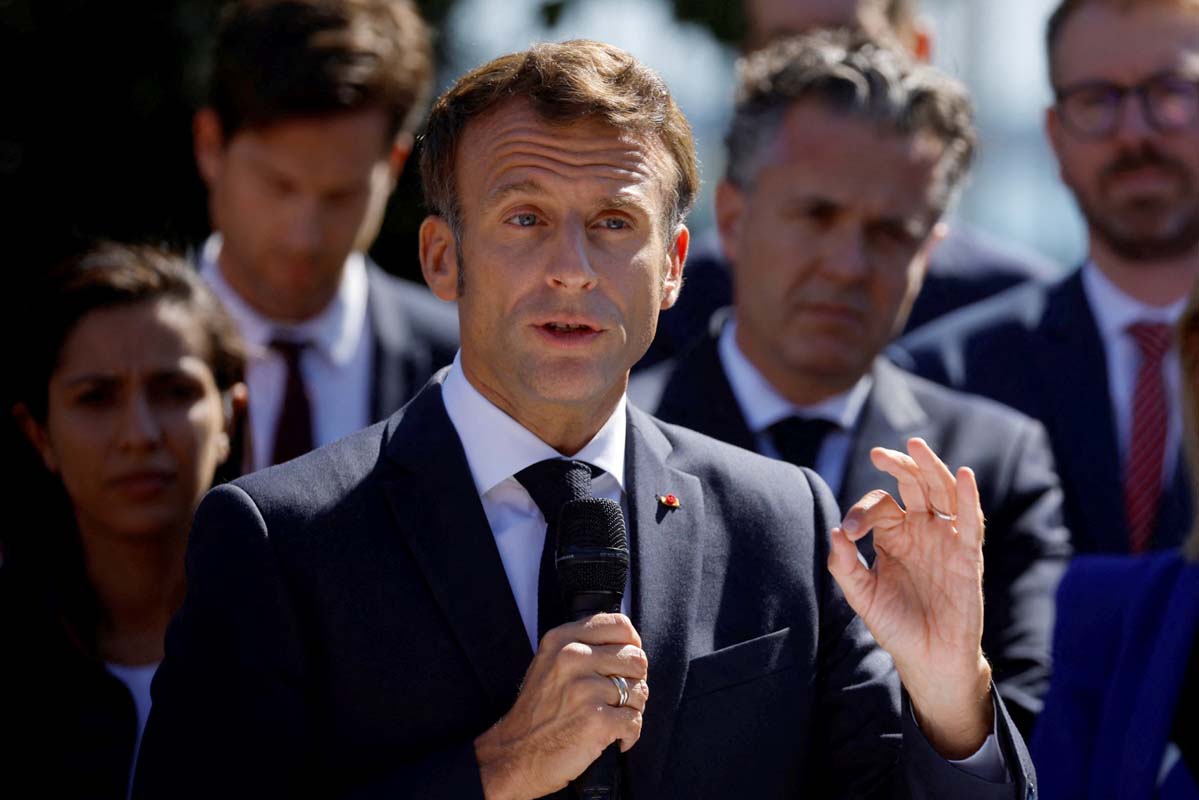
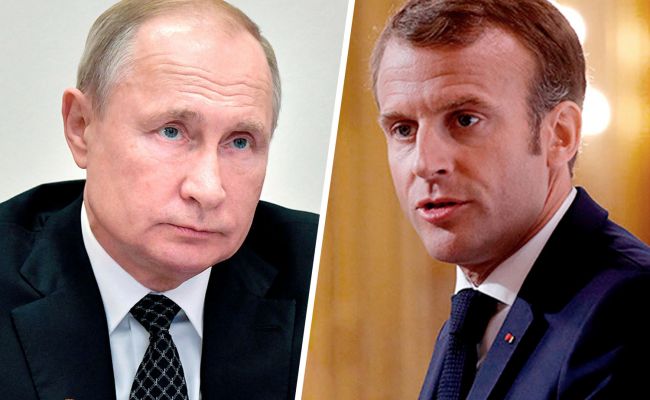
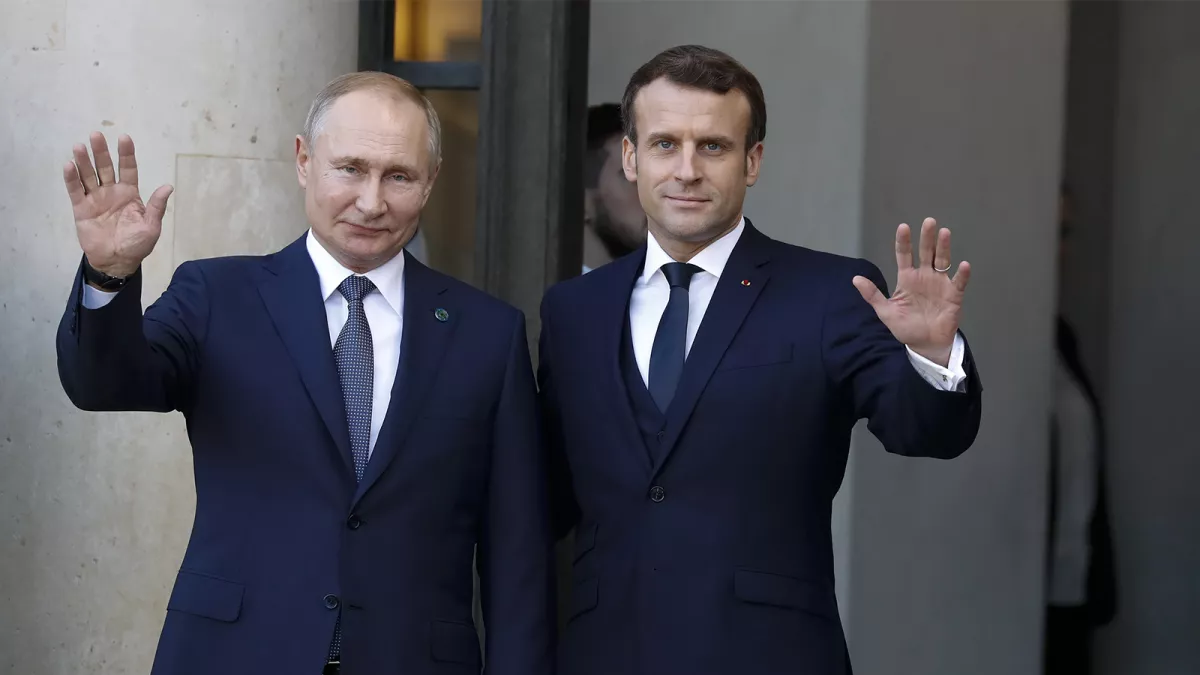
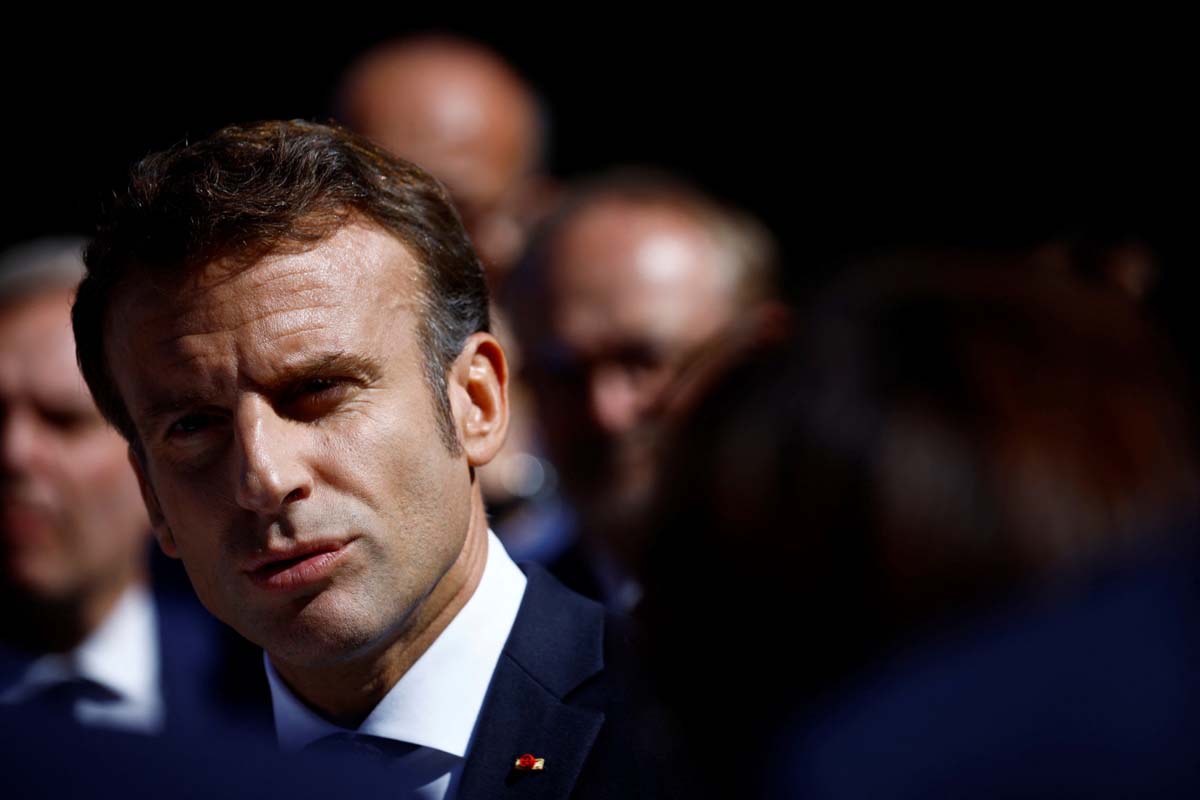
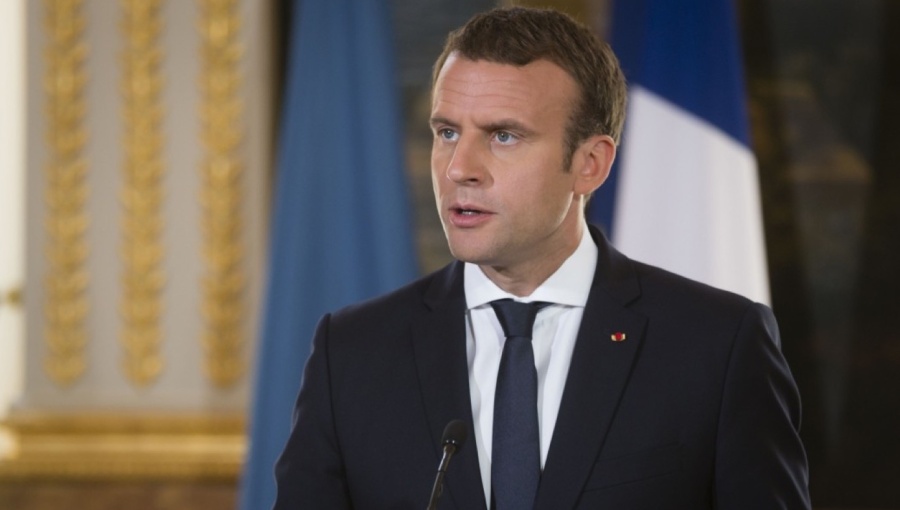
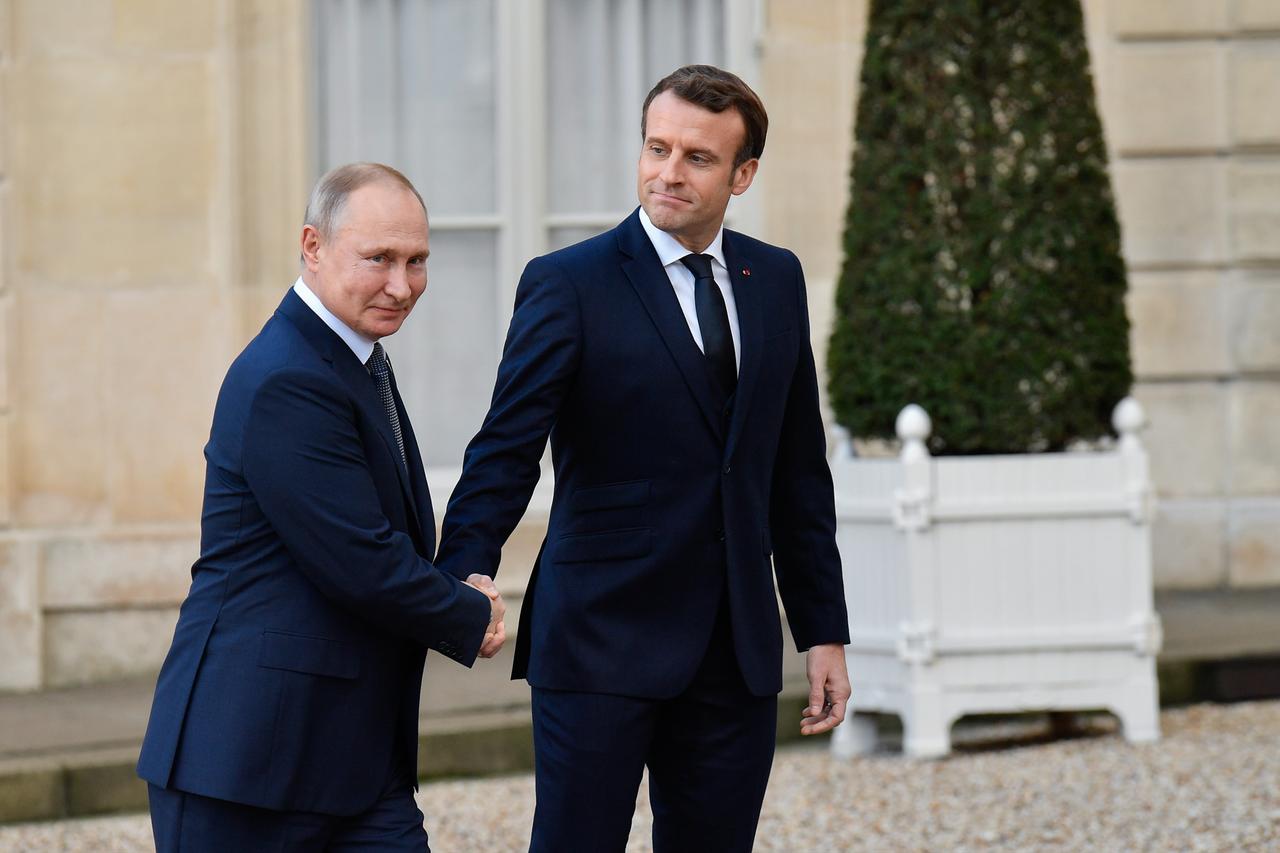
Macron's February 2025-2026 diplomatic initiatives signal potential EU-Russia sanctions thaw that could fundamentally reshape cross-border e-commerce market access. The French president's announcement of technical-level discussions to restart European dialogue with Putin—after EU-Russia relations froze in 2022—indicates growing European appetite for normalized trade relations. This geopolitical shift creates immediate opportunities and risks for cross-border sellers operating in three critical dimensions: tariff arbitrage, market access expansion, and competitive repositioning.
Tariff and Market Access Implications: Currently, EU sanctions impose 25-35% tariffs on Russian imports and restrict direct e-commerce sales to Russian consumers. If diplomatic progress leads to partial sanctions relief (estimated 12-18 months timeline), sellers could access Russia's €2.3B annual e-commerce market—currently dominated by Chinese sellers exploiting gray-market logistics. Key product categories positioned for market entry include consumer electronics (HS 8471-8517, currently 30% tariff), apparel (HS 6204-6206, 25% tariff), and home goods (HS 9401-9406, 20% tariff). Sellers with existing EU fulfillment networks gain 40-60% cost advantage over US-based competitors due to proximity and reduced customs complexity. The "coalition of the willing" framework mentioned in both news items suggests sanctions relief will be gradual and conditional—creating a 6-12 month window where early-moving sellers can establish market position before competition intensifies.
Competitive Dynamics and Seller Segmentation: Small-to-medium sellers (€500K-€5M annual revenue) face the highest opportunity cost if they delay preparation. Chinese sellers currently dominate Russian e-commerce through Kazakhstan/Kyrgyzstan transshipment routes, but EU sanctions relief would enable European sellers to compete on logistics speed (5-7 days vs. 21-30 days for Chinese routes) and compliance credibility. Large multinational sellers (€50M+ revenue) are already positioning through subsidiary structures in neutral countries; however, medium sellers can capture 15-25% market share in underserved categories (premium home goods, specialty electronics) before major brands enter. The compliance complexity score for Russian market entry is currently 8/10 (due to sanctions), but expected to drop to 4/10 if sanctions ease—creating a 12-month window where regulatory expertise becomes a competitive moat.
Strategic Sourcing Shifts: The news indicates Europe is reassessing its Russia engagement strategy while maintaining Ukraine support. This creates a bifurcated opportunity: sellers can source from Ukraine's recovering manufacturing sector (textiles, machinery) for EU/US markets while simultaneously preparing Russian market entry infrastructure. Vietnam and India—current alternatives to China for tariff arbitrage—may see 8-12% volume shifts toward Russian-destined inventory if sanctions ease. Sellers should monitor the "technical preparation" phase (estimated 6-9 months) to identify when substantive negotiations begin, as this signals 60-90 day window before tariff changes are announced.
Compliance and Risk Mitigation: Current EU sanctions require sellers to verify end-use and customer location; sanctions relief will likely introduce phased compliance requirements rather than immediate full market access. Sellers must establish: (1) Russian entity registration or distributor partnerships by Q3 2025, (2) compliance monitoring systems for dual-use goods (electronics, machinery), and (3) payment processing solutions (current Russian banking restrictions may persist even if trade sanctions ease). The risk window is February 2025-February 2026, during which policy uncertainty creates 15-25% margin compression for sellers attempting to serve Russian market through gray-market channels.
问题 7
How does the 'coalition of the willing' framework affect seller market access strategy?
The coalition framework indicates sanctions relief will be multilateral (EU-coordinated) rather than unilateral, suggesting phased implementation across member states. This creates 3-6 month windows where early-adopting countries (France, Germany) may ease restrictions before others, creating arbitrage opportunities. Sellers should prioritize establishing presence in early-relief countries first, then expand to lagging jurisdictions. The framework also suggests sanctions relief will include conditions (Ukraine support verification, human rights compliance), requiring sellers to implement monitoring systems. Expect 20-30% variation in market access timelines across EU member states; plan accordingly.
What is the risk if sanctions relief doesn't materialize or is delayed?
Macron's statement emphasizes Russia shows 'no genuine willingness to negotiate' ceasefire, indicating sanctions relief is conditional and uncertain. If negotiations stall, sellers face 15-25% margin compression from inventory positioned for Russian market. Mitigation: maintain flexibility in sourcing and inventory allocation through Q4 2025. Use 60-day rolling forecasts rather than 12-month commitments. Diversify Russian market entry through gray-market channels (Kazakhstan/Kyrgyzstan) as backup, accepting 10-15% higher logistics costs. Monitor EU Commission sanctions updates monthly; substantive policy changes typically announced 30-60 days before implementation.