

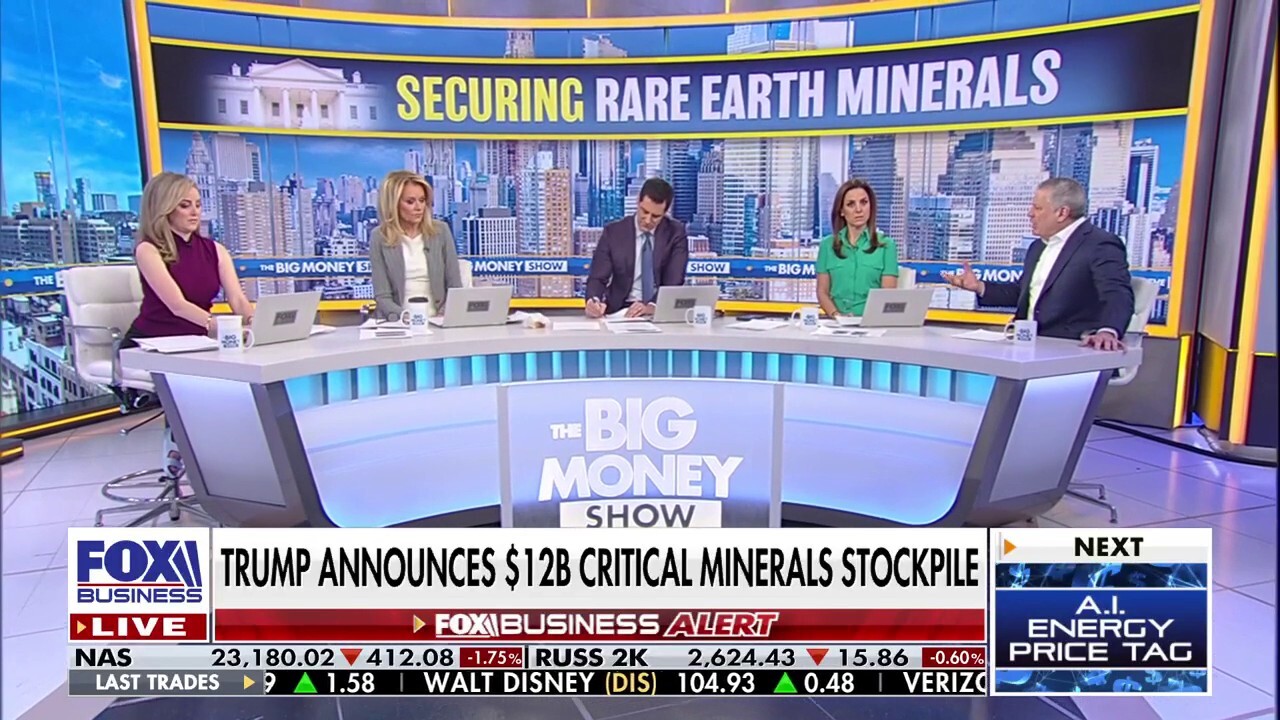
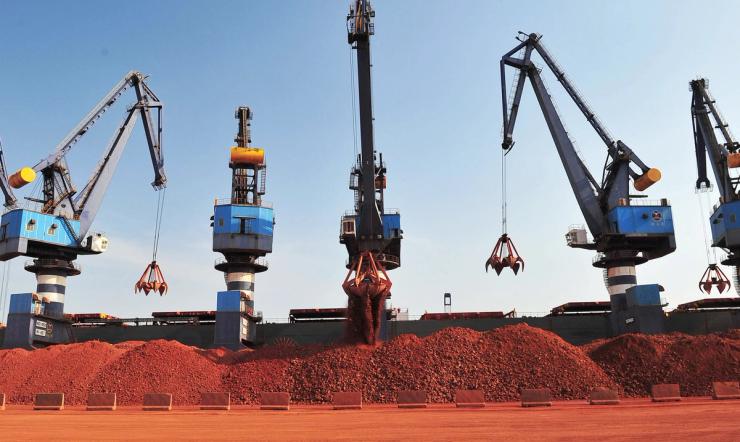

Project Vault $12B Minerals Reserve | Reshoring Opportunity for Tech Sellers
- EXIM approves $10B loan (Feb 2026) to establish domestic rare earth stockpile; electronics/battery sellers face 8-15% cost volatility during transition; alternative sourcing from Canada/Congo creates tariff arbitrage windows



概览
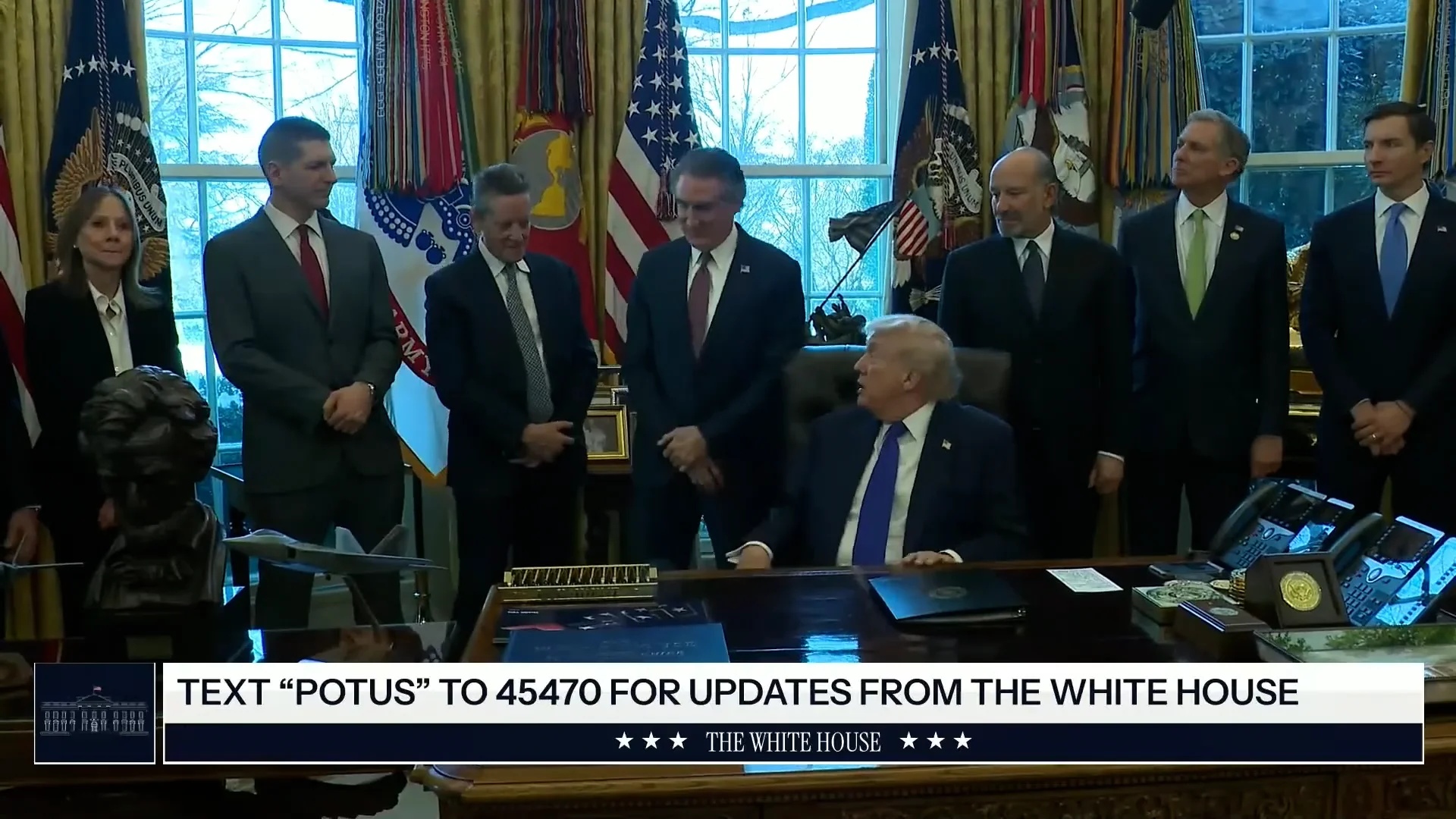
The Trump administration's Project Vault represents a watershed moment for cross-border e-commerce sellers dependent on critical minerals. With EXIM's approval of a $10 billion Direct Loan on February 2, 2026, combined with $1.67 billion in private capital, the U.S. is establishing its first Strategic Critical Minerals Reserve—fundamentally restructuring global supply chains for electronics, batteries, semiconductors, and renewable energy products. This $12 billion initiative directly targets China's 60-70% control over rare earth element processing, creating immediate tariff arbitrage opportunities and medium-term cost pressures for sellers.
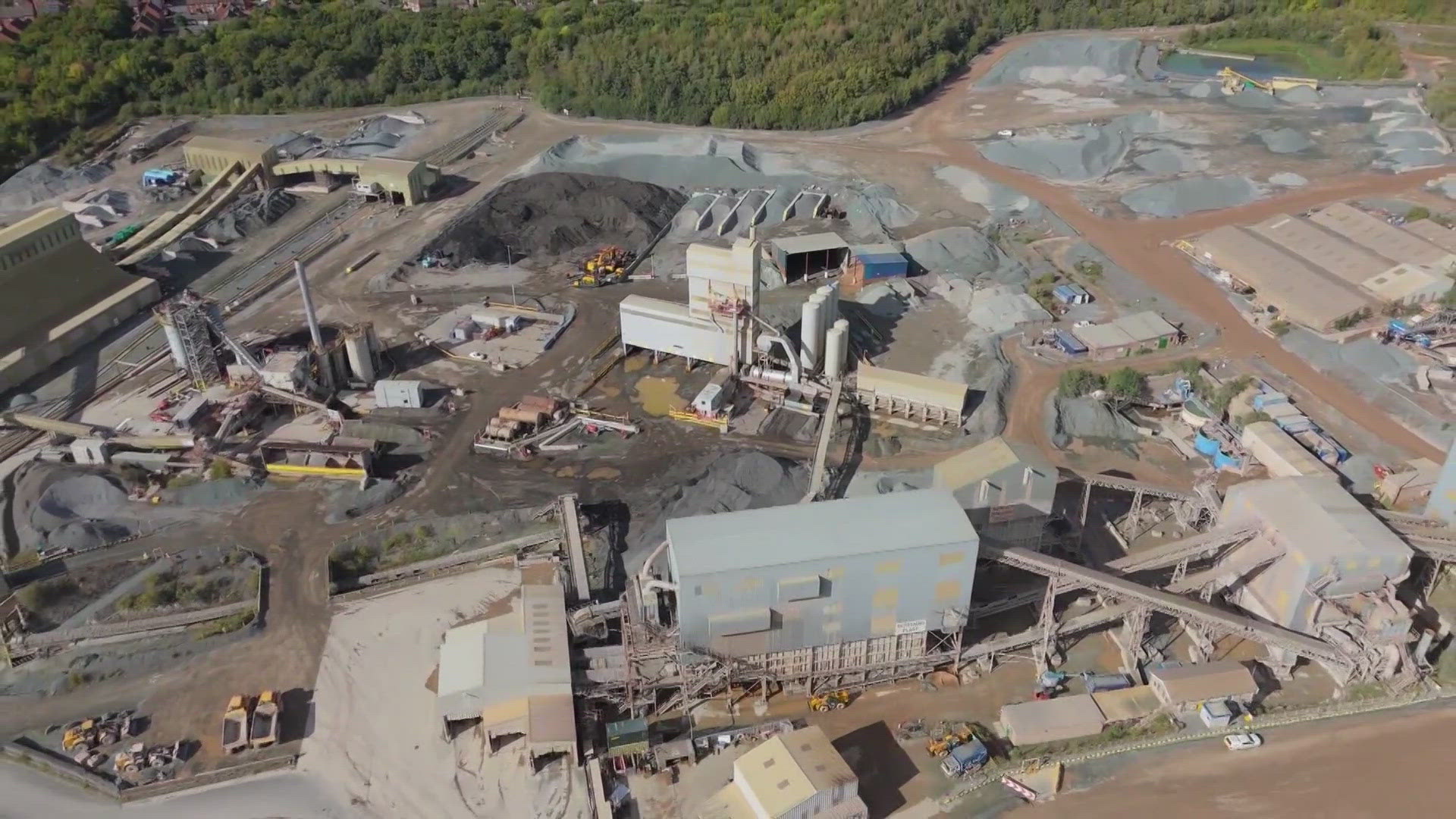
Immediate Market Dynamics (0-12 months): Sellers importing electronics, automotive components, and battery-dependent products face a critical transition window. Manufacturing costs will likely increase 8-15% initially as domestic suppliers (Clarios, GE Vernova, Western Digital, Boeing partnerships) scale operations and establish processing infrastructure. However, this creates a tariff arbitrage opportunity: sellers can source from newly-approved alternative suppliers in Canada (Ivanhoe Mines' Kipushi mine in Congo) and negotiate preferential tariff rates under emerging trade agreements. The EXIM financing structure suggests government-backed incentives for companies shifting sourcing away from China—potentially unlocking 3-5% tariff reductions for compliant suppliers.
Competitive Advantage Shifts: Small-to-medium sellers (SMBs) importing finished electronics face margin compression, while sellers with direct manufacturing relationships or those willing to invest in supply chain diversification gain significant advantages. The $10 billion EXIM loan creates financing opportunities for companies participating in domestic mineral processing—suggesting potential partnerships with 3PL providers and manufacturers establishing U.S.-based operations. Large sellers with established relationships to Clarios, Western Digital, and Boeing gain preferential access to stabilized mineral supplies, reducing price volatility that currently affects product margins by 5-12% quarterly.
Strategic Sourcing Shifts: The initiative explicitly targets Vietnam, India, and Congo as alternative sourcing corridors, signaling tariff preference windows for products sourced through these channels. Sellers should monitor HS codes for rare earth elements (2844-2846), lithium compounds (2825.30), and cobalt products (7405.00) for emerging tariff reductions. The Ivanhoe Mines partnership with Gecamines (Congo) and Mercuria (Switzerland) indicates a 18-24 month implementation timeline before alternative supplies reach meaningful volumes—creating a window for sellers to lock in current Chinese supplier contracts before prices spike.
Compliance and Risk: Sellers relying exclusively on Chinese rare earth imports face regulatory scrutiny and potential tariff increases as the policy matures. The administration's emphasis on "supply chain nationalism" suggests future tariff penalties for non-compliant sourcing. Sellers should audit their supply chains by Q2 2026, identifying which products contain critical minerals and developing alternative sourcing strategies. The policy aligns with broader reshoring initiatives, indicating sustained tariff pressure on China-dependent categories through 2027-2028.
问题 7
Which product categories see the biggest tariff arbitrage opportunities?
Electronics (HS 8471-8517), battery components (HS 8507), and semiconductor manufacturing equipment (HS 9030) face the most significant tariff shifts. Rare earth elements (HS 2844-2846), lithium compounds (HS 2825.30), and cobalt products (HS 7405.00) are explicitly targeted by Project Vault for tariff preference. Sellers sourcing these materials from newly-approved suppliers in Canada and Congo can negotiate 3-5% tariff reductions versus China-sourced equivalents. The tariff window remains open through 2027 as alternative supply chains establish processing capacity—creating a 18-month arbitrage opportunity for sellers willing to shift suppliers.
What sourcing countries should sellers prioritize under Project Vault?
Canada (Ivanhoe Mines' Kipushi mine operations) and Congo (Gecamines partnership) emerge as priority sourcing corridors under Project Vault. The initiative explicitly funds partnerships with these suppliers through EXIM financing, signaling government-backed tariff preferences. Vietnam and India are secondary alternatives for processed minerals and finished electronics. Sellers should audit their supply chains to identify products containing critical minerals and develop sourcing relationships with Canada/Congo-based suppliers by Q3 2026. The policy indicates sustained tariff pressure on China-dependent sourcing through 2028, making alternative sourcing a strategic necessity rather than optional optimization.