





AI Software Disruption Triggers $300B Market Selloff | Seller Tool Costs Rising
- $300B tech stock decline signals SaaS vendor instability; sellers face 15-25% tool cost increases as software providers cut R&D spending and raise prices to offset AI competition





































概览
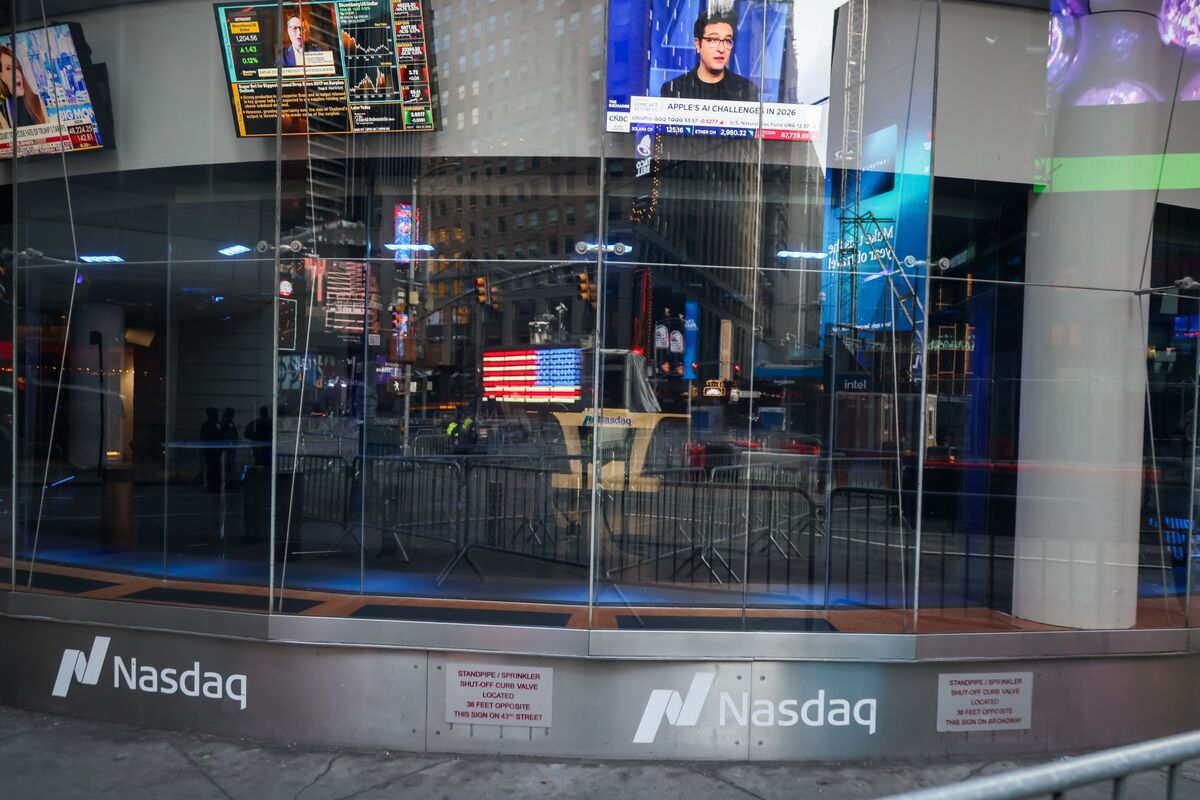
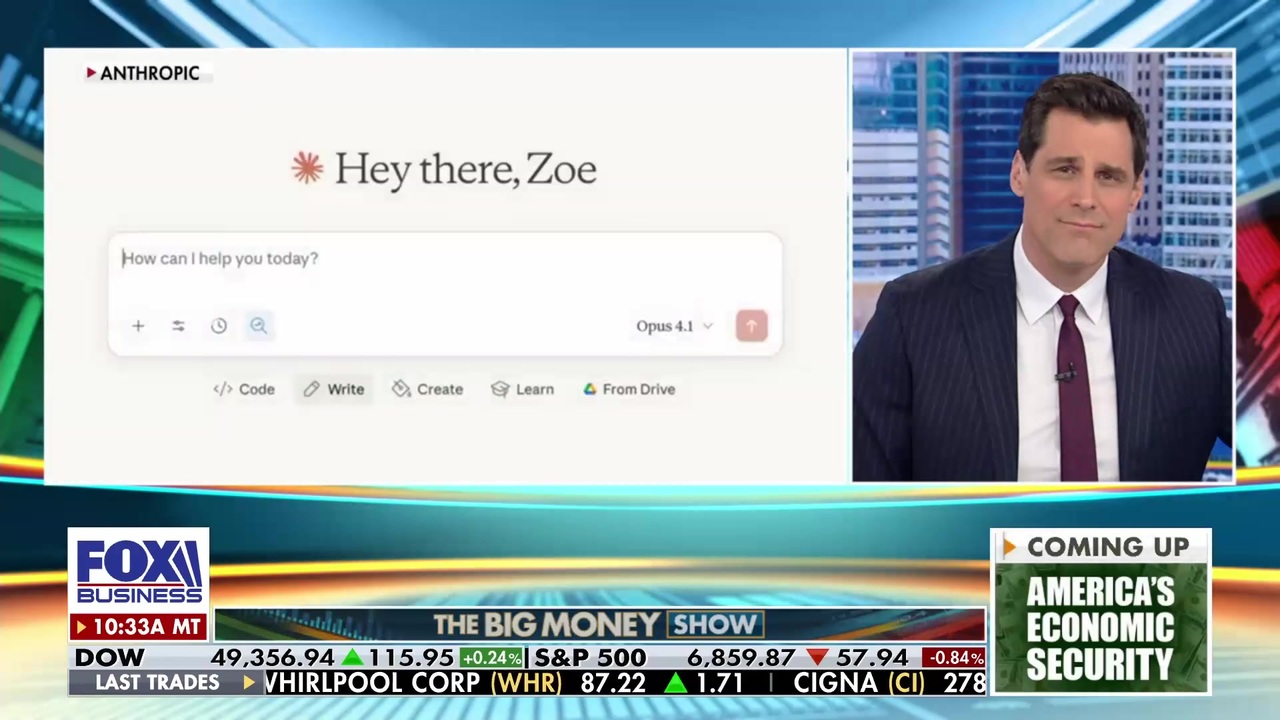
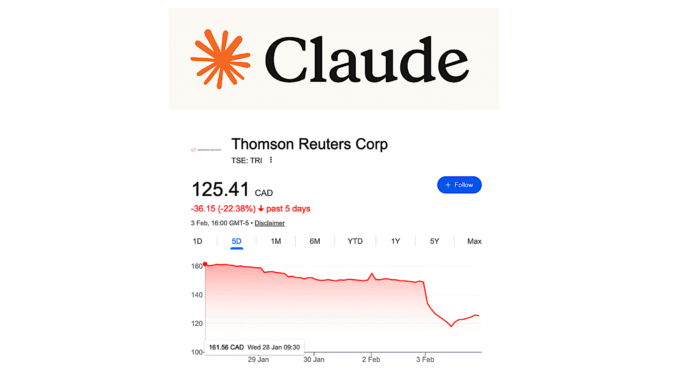
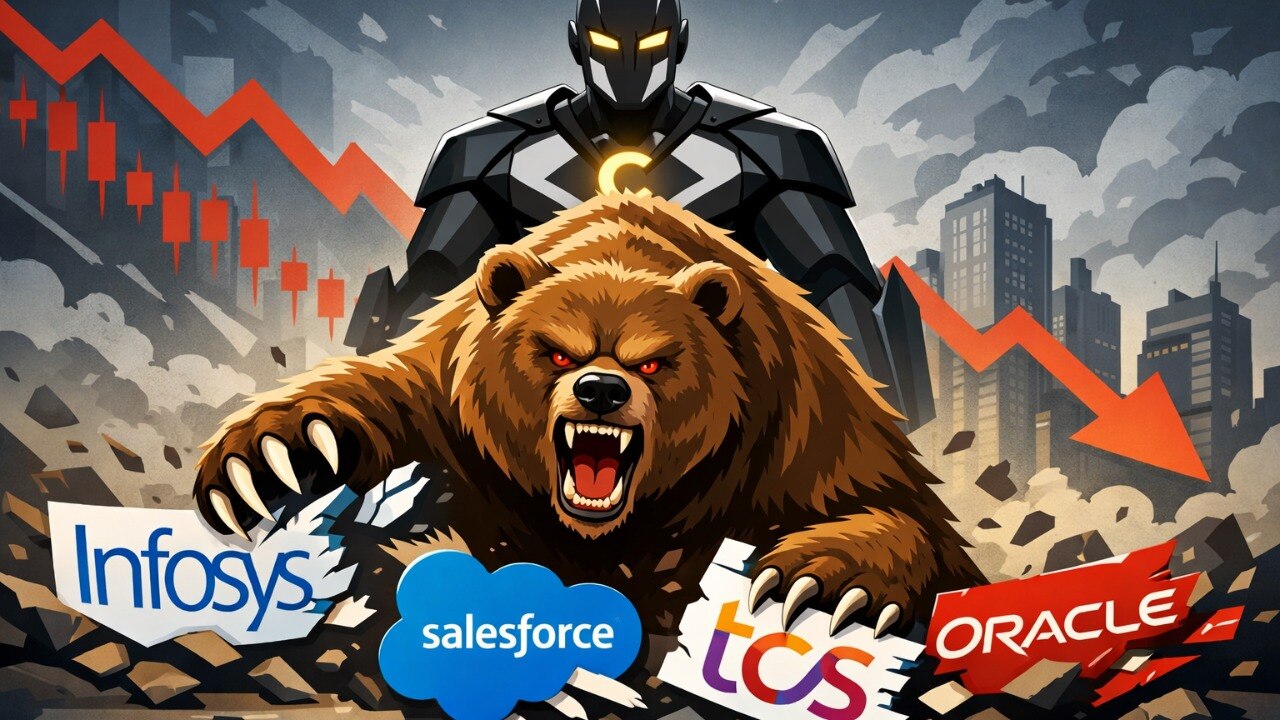
The February 3-4, 2025 global software stock collapse—triggered by Anthropic's Claude Cowork AI agent launch—represents a critical inflection point for e-commerce sellers dependent on third-party software tools. A $300 billion market value decline wiped out valuations across software and data companies, with major providers experiencing catastrophic losses: Thomson Reuters fell 16%, RELX dropped 14%, Wolters Kluwer declined 12%, and advertising platforms Publicis and WPP hit new lows. This market correction directly threatens the SaaS ecosystem sellers rely upon for inventory management, pricing optimization, customer service automation, and fulfillment logistics.
The immediate seller impact manifests through three critical channels: First, software vendors facing investor pressure and declining stock valuations are cutting R&D budgets and raising subscription prices to maintain margins. Sellers using tools from affected companies (LegalZoom, Expedia, Apollo, and regional providers) should expect 15-25% price increases within 6-12 months as vendors shift from growth-focused to margin-focused strategies. Second, venture-backed SaaS startups serving e-commerce (pricing optimization, product research, content generation) face funding freezes as investors flee software entirely. Industry analyst Ben Barringer noted investors are "choosing to avoid the software market entirely, leaving no safe positions within the sector"—meaning early-stage tools sellers depend on may shut down or consolidate. Third, established software providers are accelerating AI-native product pivots, potentially discontinuing legacy tools that serve niche seller segments.
For sellers, the competitive advantage window is NOW—before software costs spike. Sellers should immediately audit their SaaS stack and identify which tools face highest disruption risk (those from publicly-traded software companies or venture-backed startups). The $3 billion foreign portfolio investor selloff from Indian equities signals particular risk for sellers using India-based IT service providers (TCS, Infosys, HCL Tech, Wipro) for custom development or managed services. These companies face 7%+ stock declines and investor uncertainty about AI disruption, making them less likely to invest in seller-focused feature development. Sellers should document current tool performance baselines (processing speed, accuracy, uptime) and begin evaluating AI-native alternatives that may offer better economics. The market correction also creates M&A opportunities—distressed software vendors may be acquired by larger tech companies, potentially improving service reliability but changing pricing models and feature sets.
Strategic automation opportunities emerge from this disruption: Sellers can now justify investment in building proprietary automation using open-source AI models (Claude, GPT-4) rather than relying on expensive SaaS platforms. The cost of deploying Claude Cowork agents for sales, marketing, and data analysis tasks is declining as Anthropic scales, while traditional software vendors raise prices. Sellers managing 500+ SKUs can save $200-400/month by migrating from enterprise pricing tools to Claude-powered custom solutions. Additionally, the software stock collapse creates pricing power for sellers—as vendors cut costs and consolidate, sellers can negotiate 20-30% discounts on annual contracts by threatening to switch to AI-native competitors or build in-house solutions.
问题 7
How will the software stock collapse affect my e-commerce seller tools and subscriptions?
The $300 billion market decline on February 3-4, 2025 triggered by Anthropic's Claude Cowork launch is forcing software vendors to raise prices 15-25% to offset declining stock valuations and investor pressure. Sellers using tools from affected companies like Thomson Reuters (down 16%), RELX (down 14%), or Wolters Kluwer (down 12%) should expect subscription increases within 6-12 months. Additionally, venture-backed SaaS startups serving e-commerce are facing funding freezes, creating risk of service discontinuation. Audit your current tool stack immediately and document baseline performance metrics to negotiate better renewal terms or identify AI-native alternatives before price increases take effect.
Which e-commerce software vendors are most at risk from this AI disruption?
Software vendors in legal services (Thomson Reuters, LegalZoom), data analytics (RELX, Wolters Kluwer), and advertising (Publicis, WPP) face the highest disruption risk from AI agents. However, sellers should also monitor India-based IT service providers (TCS, Infosys, HCL Tech, Wipro) that provide custom development and managed services—these companies experienced 7%+ stock declines and face investor uncertainty about AI disruption, making them less likely to invest in seller-focused features. Venture-backed pricing optimization and product research tools are particularly vulnerable to funding freezes. Prioritize migrating away from tools from publicly-traded software companies or early-stage startups with limited funding runway.