



NFL Playoff Dynamics Reveal Strategic Resilience in High-Stakes Competition
- Emerging Team Strategies Highlight Adaptability in Professional Sports Ecosystem



















概览
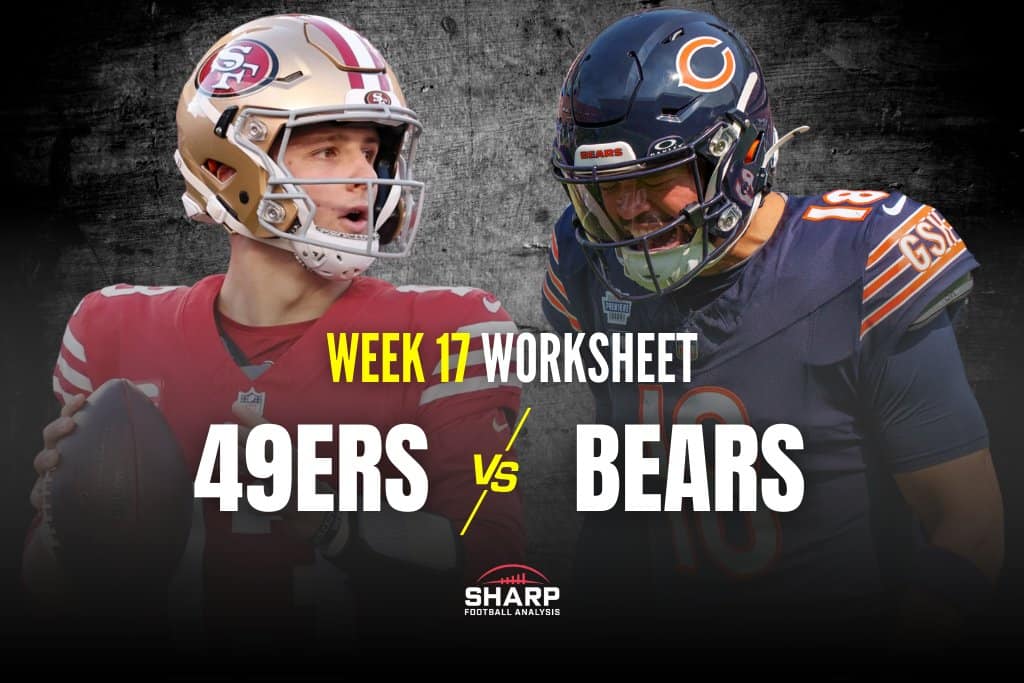
In the complex landscape of professional football, the San Francisco 49ers and Chicago Bears are demonstrating remarkable strategic evolution that transcends traditional game performance. The current NFL season reveals a nuanced narrative of organizational adaptation, where tactical flexibility becomes as crucial as athletic prowess.
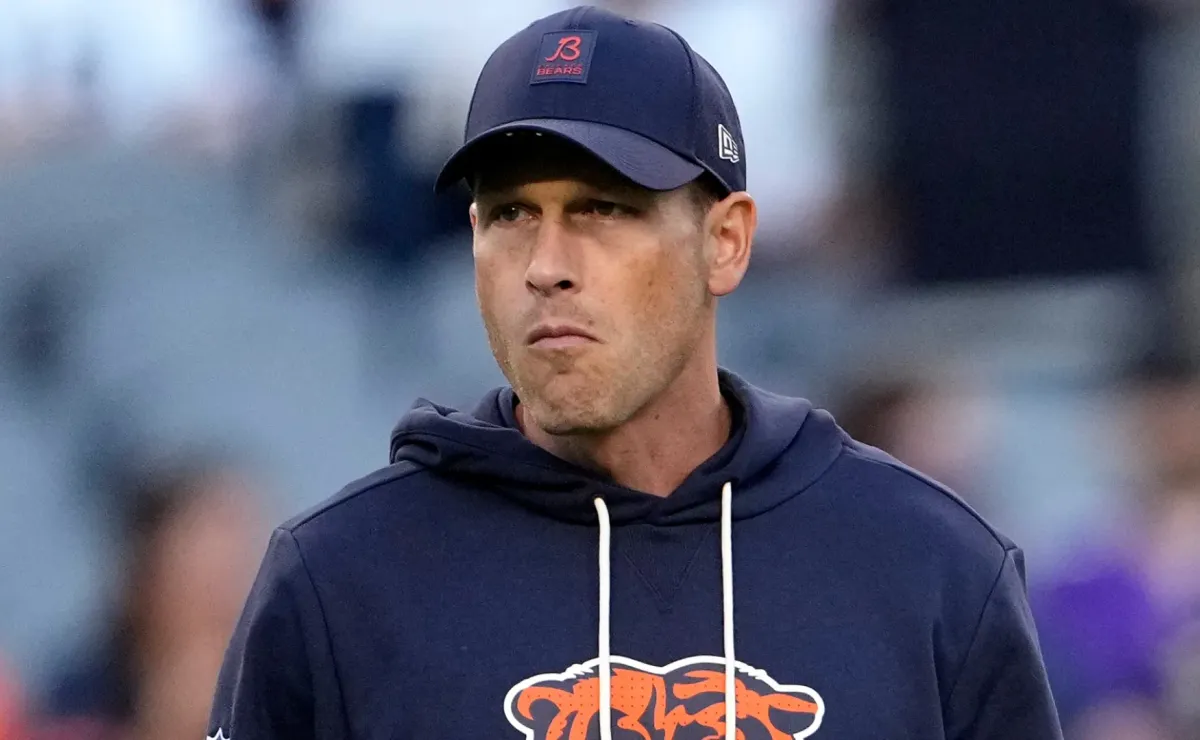
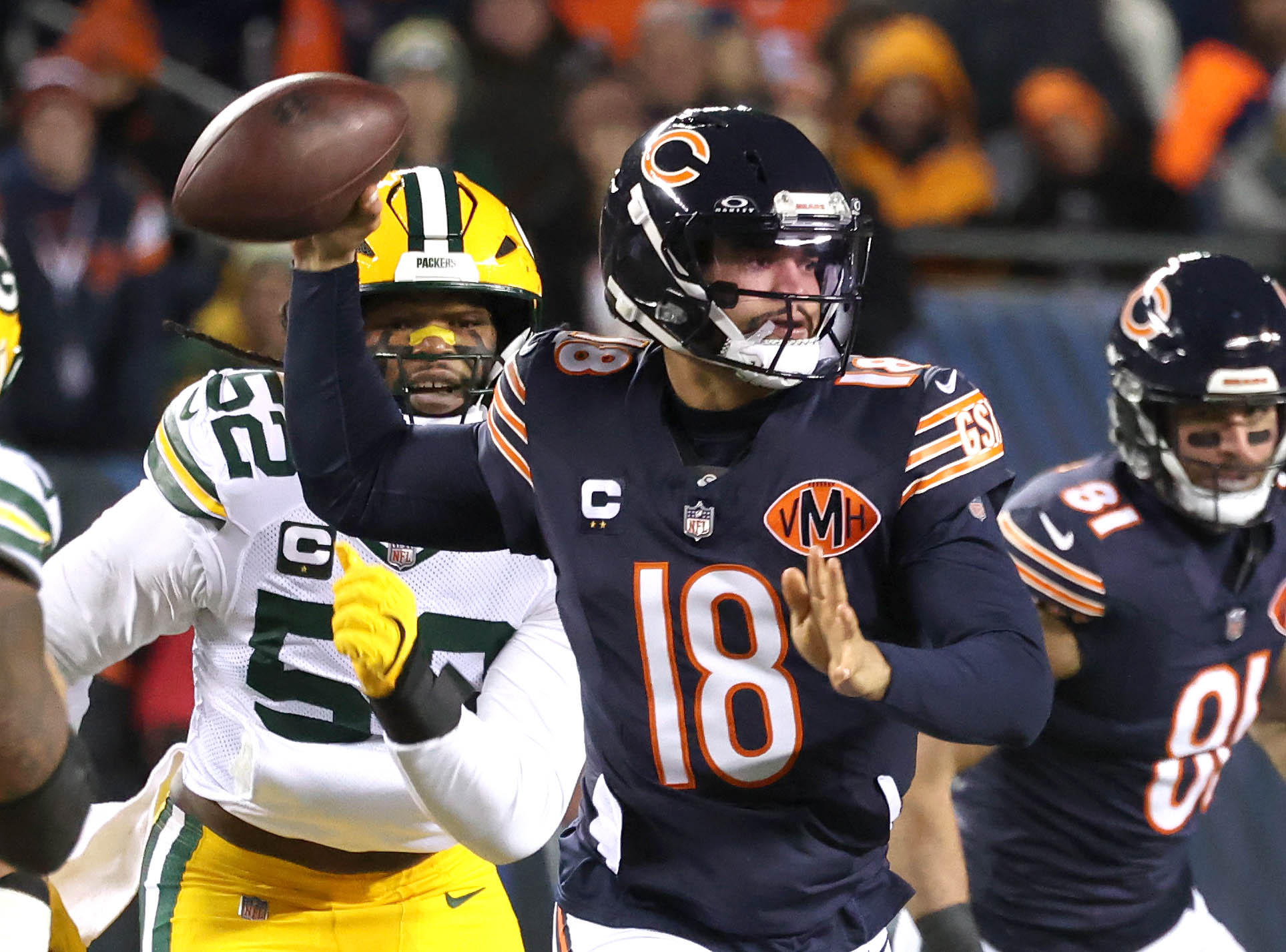
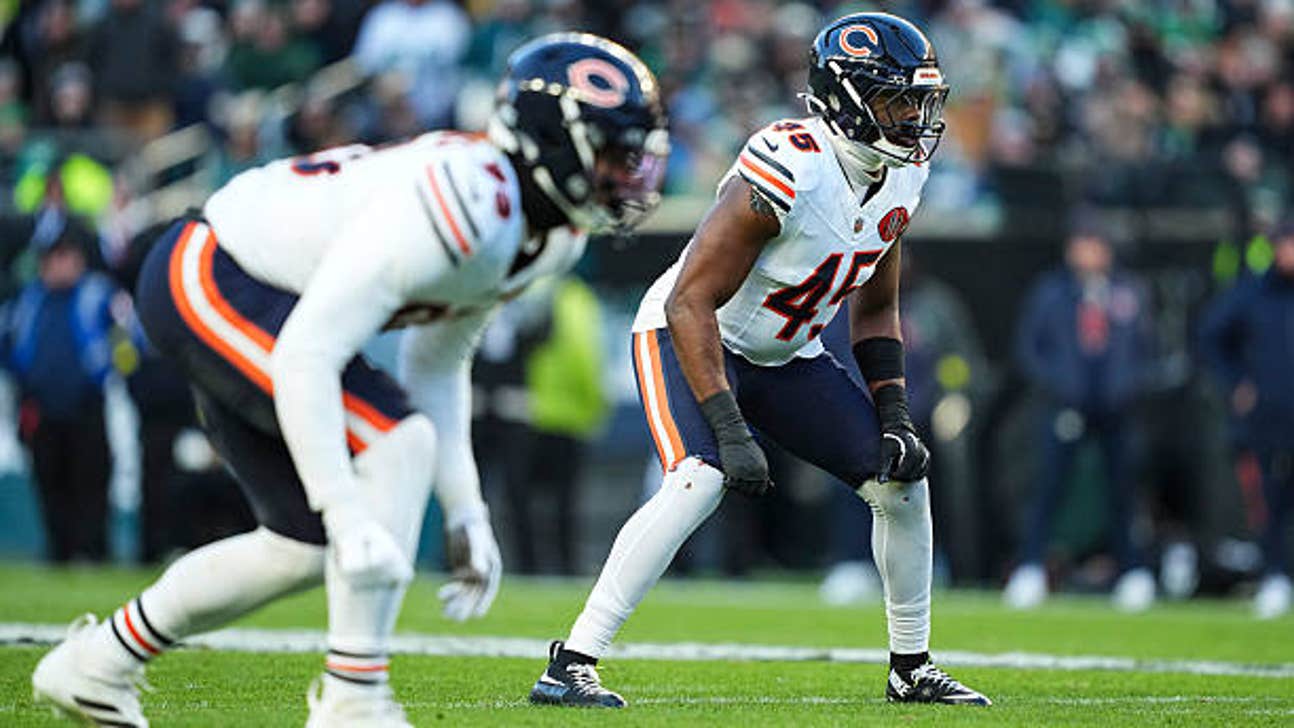
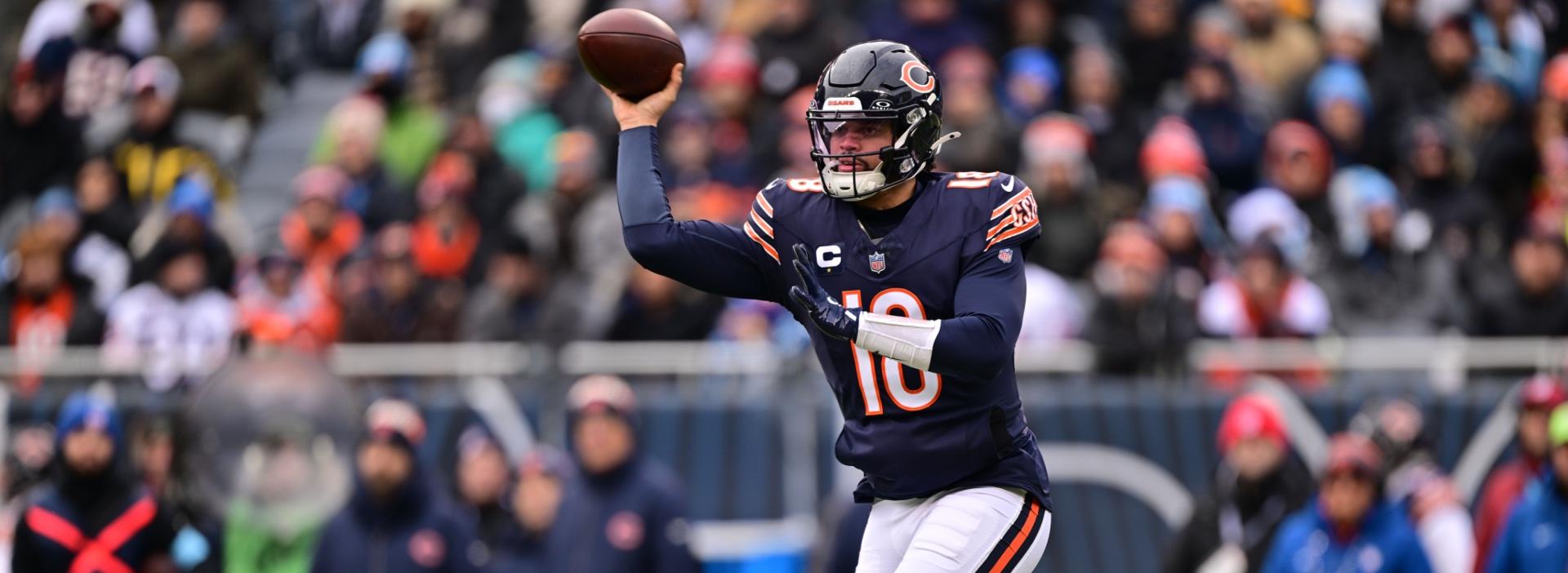
Strategic Transformation in Team Development emerges as a critical theme. The Chicago Bears, led by head coach Ben Johnson, have showcased an impressive ability to transform their competitive approach through calculated risk-taking and strategic reinvention. Their playoff berth, achieved through a series of close, dramatic wins, signals more than just athletic achievement—it represents an organizational mindset of continuous improvement and resilience.
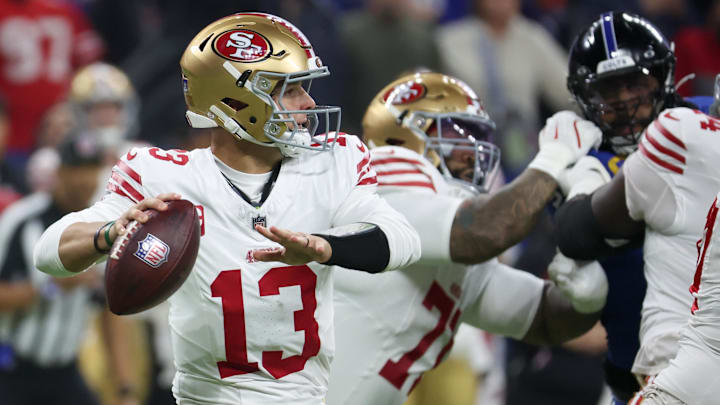
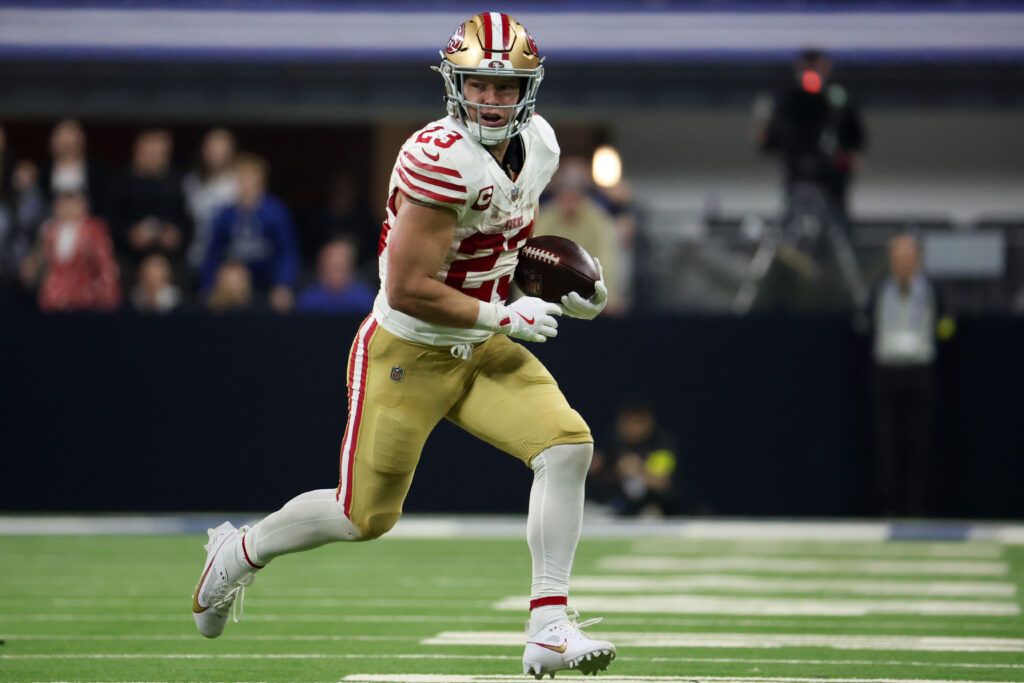
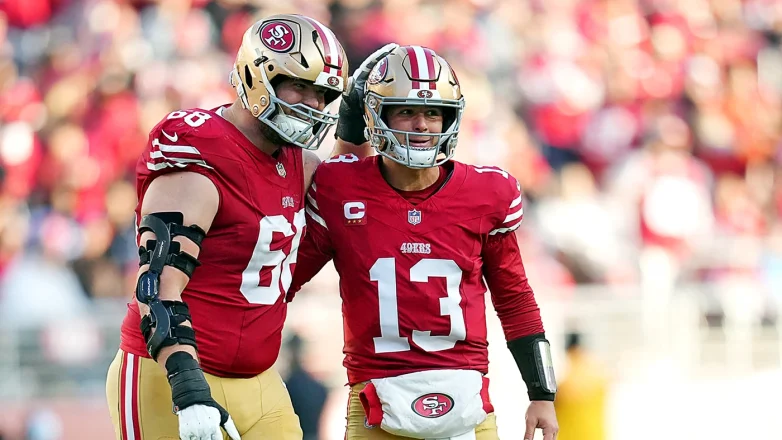
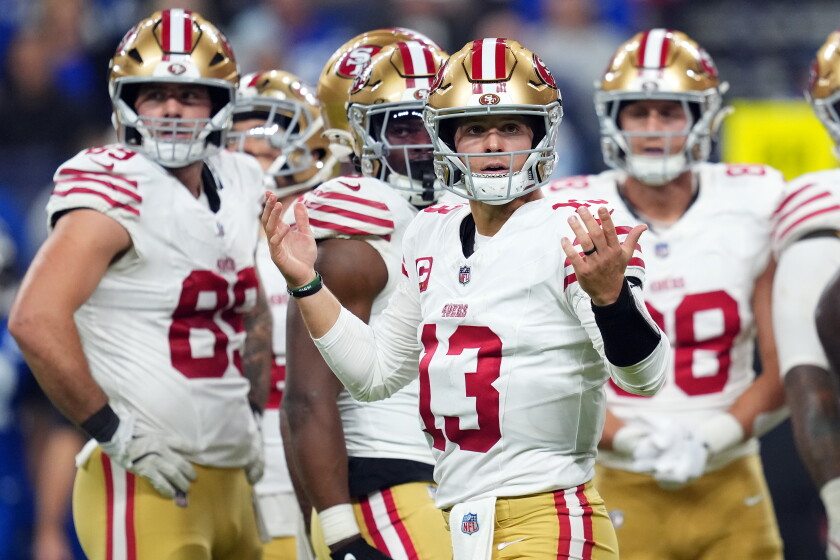
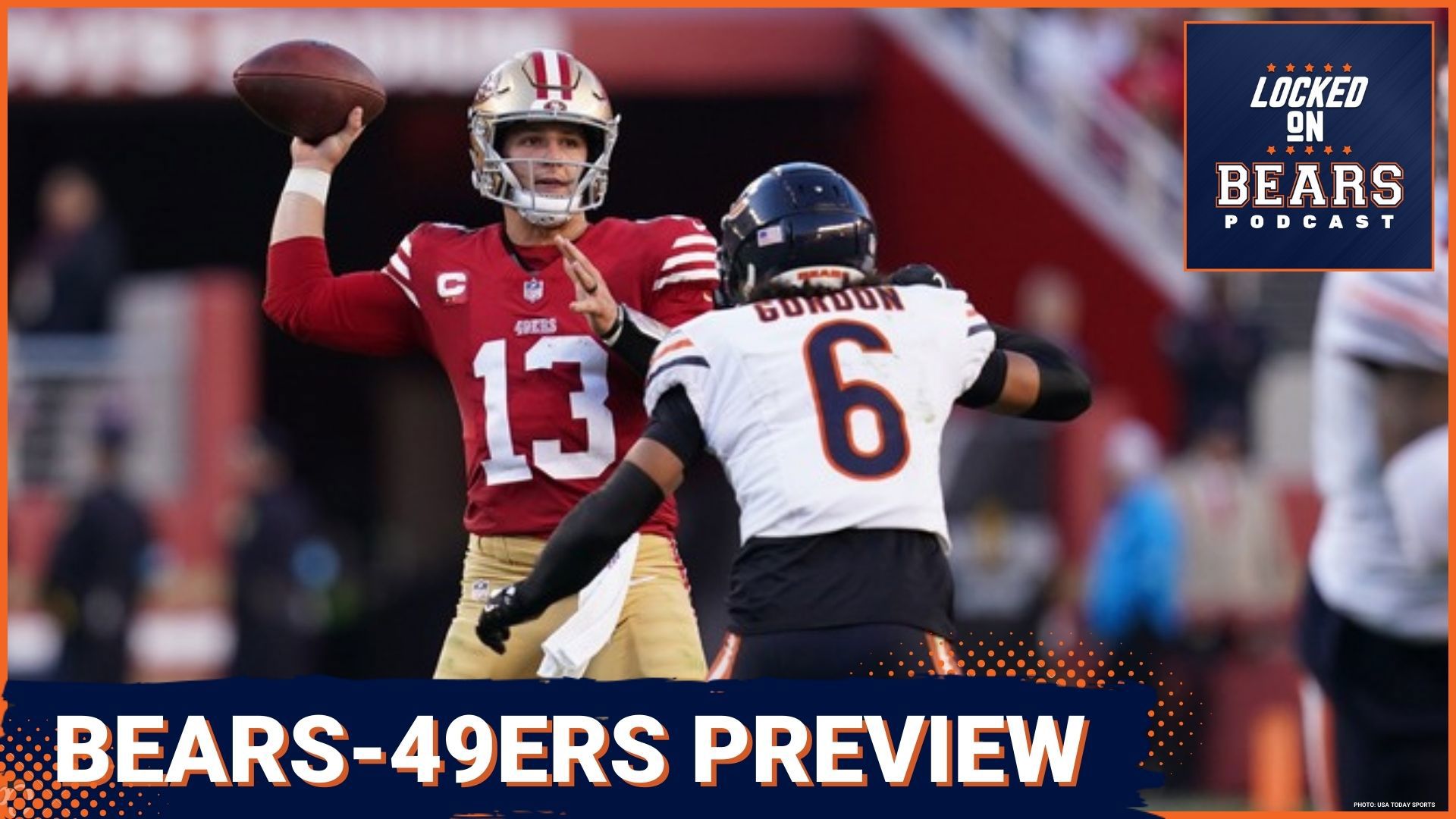
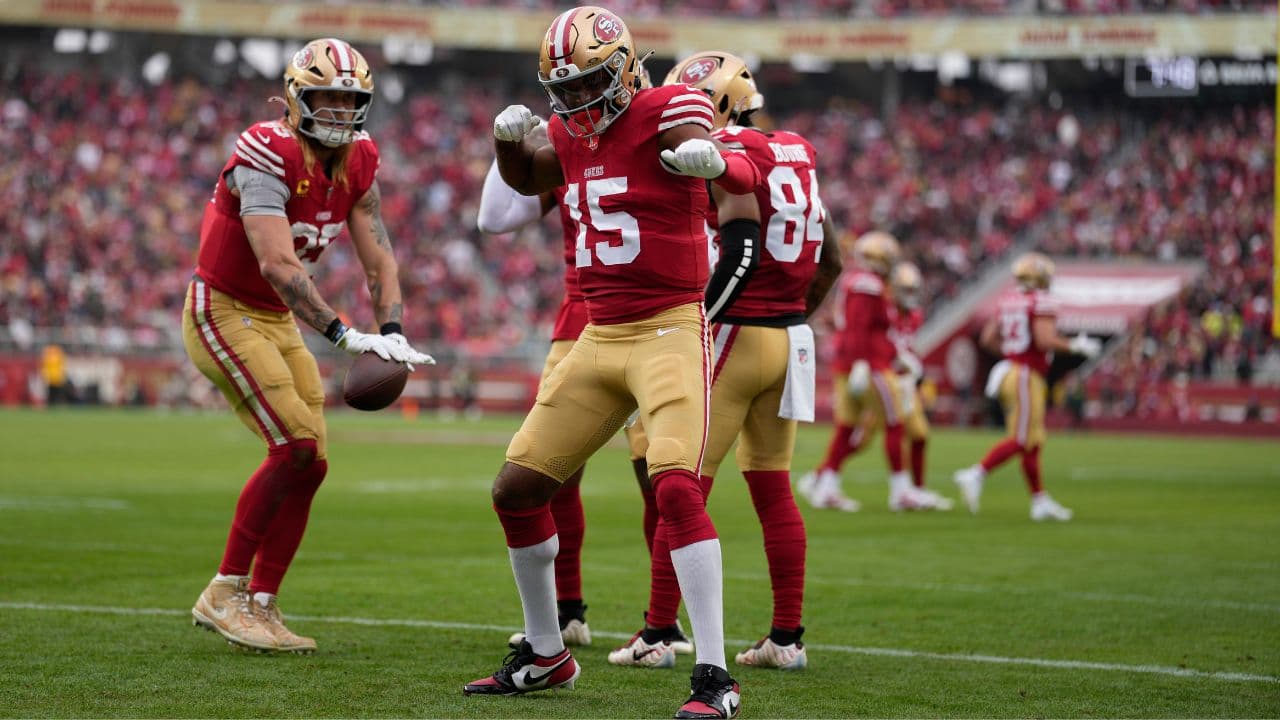
The 49ers' approach further illuminates this strategic complexity. With quarterback Brock Purdy demonstrating exceptional performance—including a five-touchdown game against the Indianapolis Colts—the team exemplifies how individual talent, when strategically integrated, can reshape competitive dynamics. The team's coaching staff, including Kyle Shanahan and Robert Saleh, have created an ecosystem that maximizes player potential while maintaining tactical flexibility.
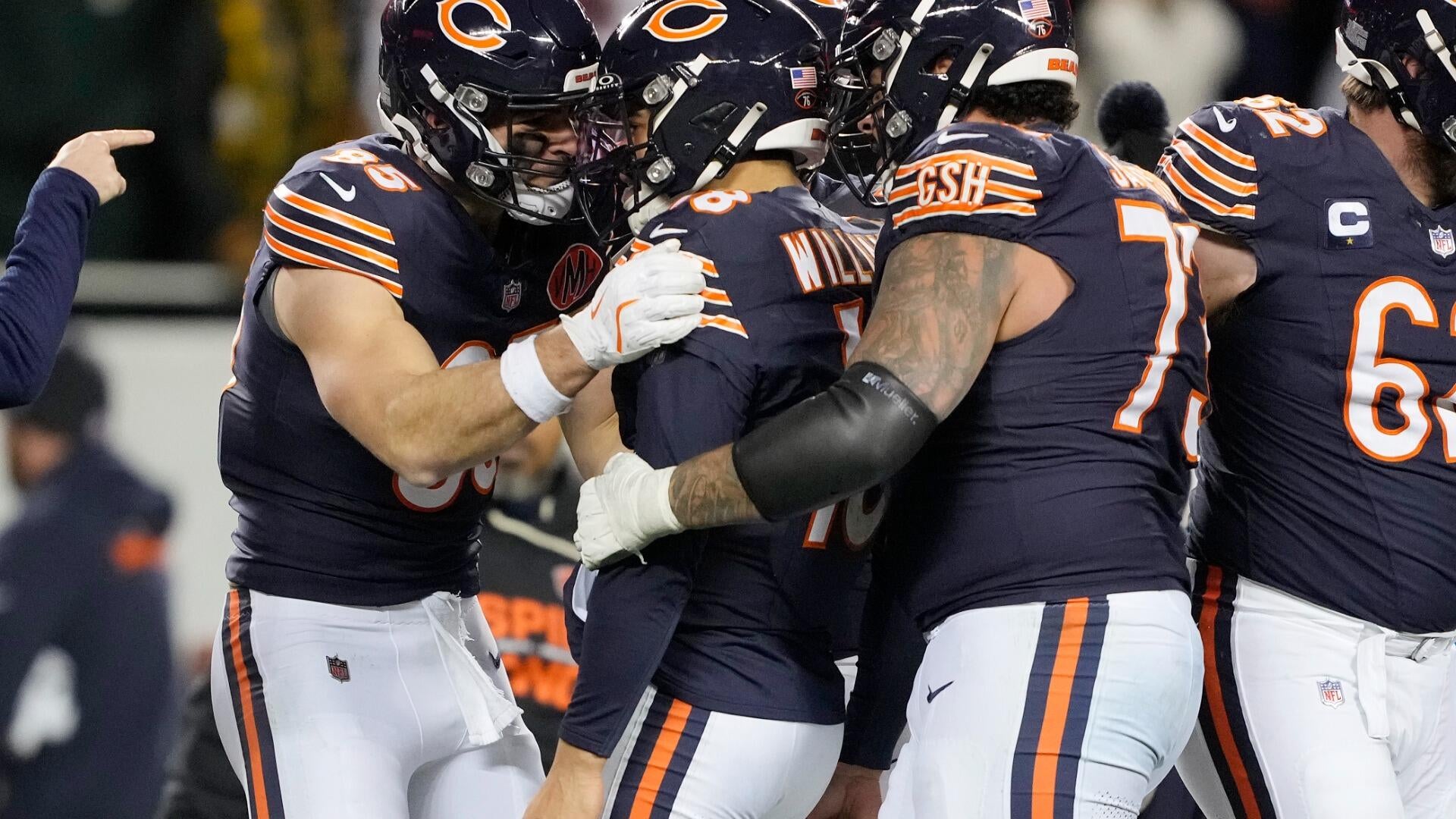
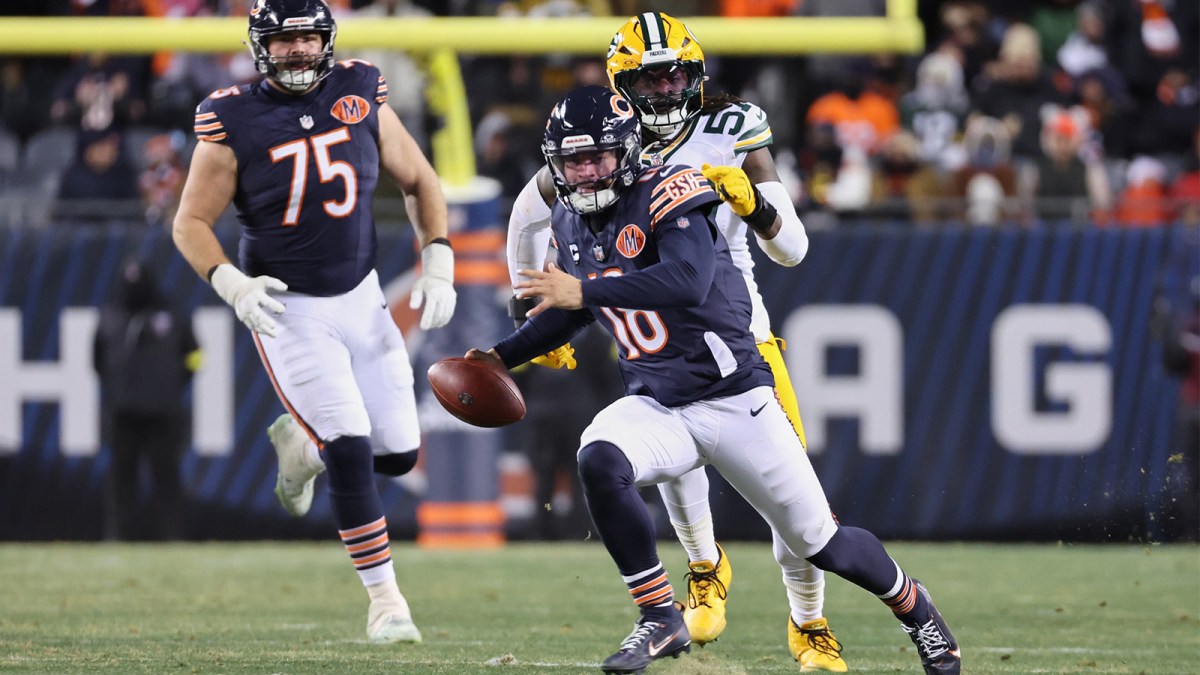
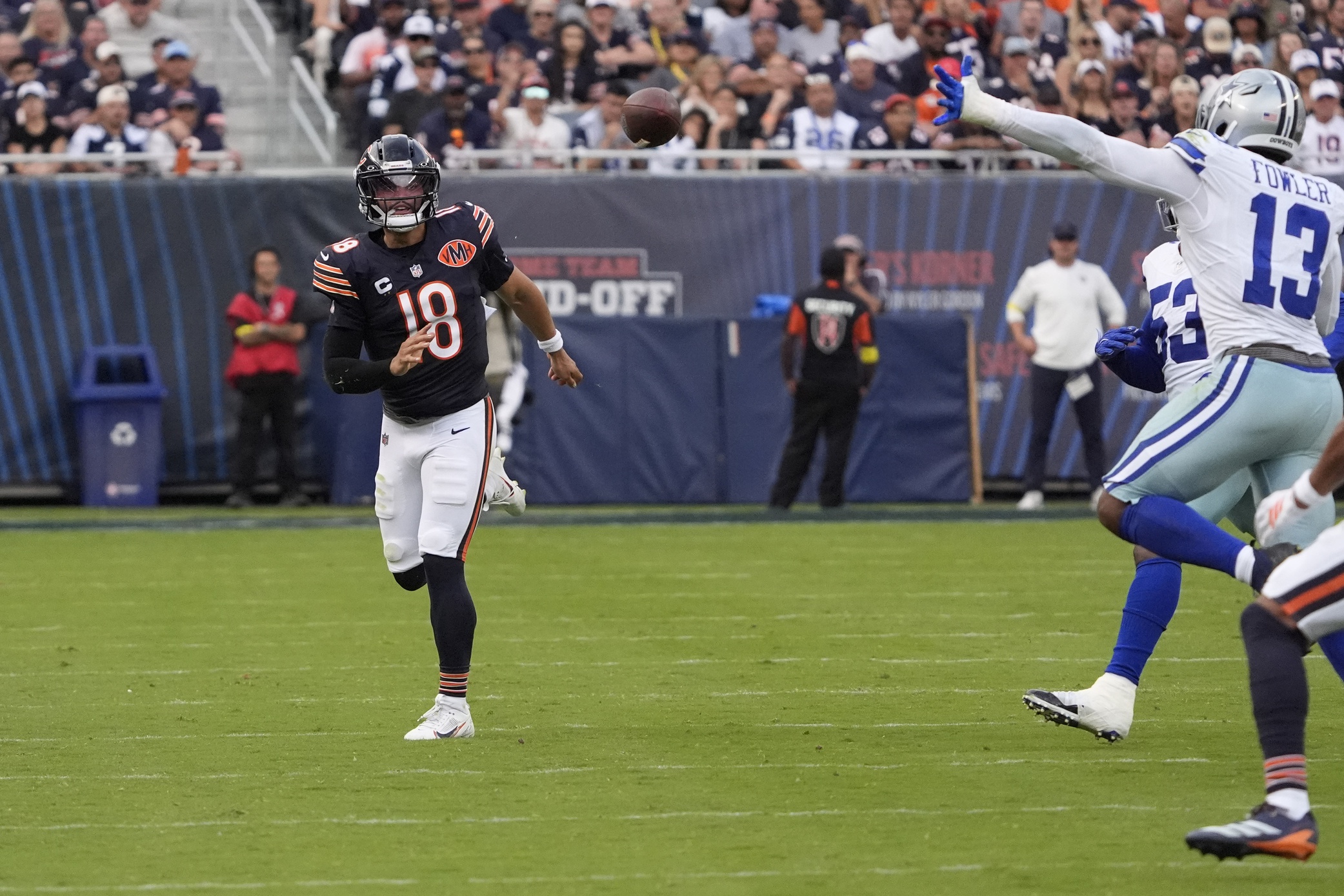
Particularly noteworthy is the Bears' quarterback Caleb Williams, whose development trajectory suggests a methodical approach to offensive strategy. Currently emphasizing efficient, short-to-medium passes, the team is laying groundwork for a more expansive offensive playbook. This incremental strategy mirrors broader organizational learning principles: start with controlled execution, then progressively expand capabilities.
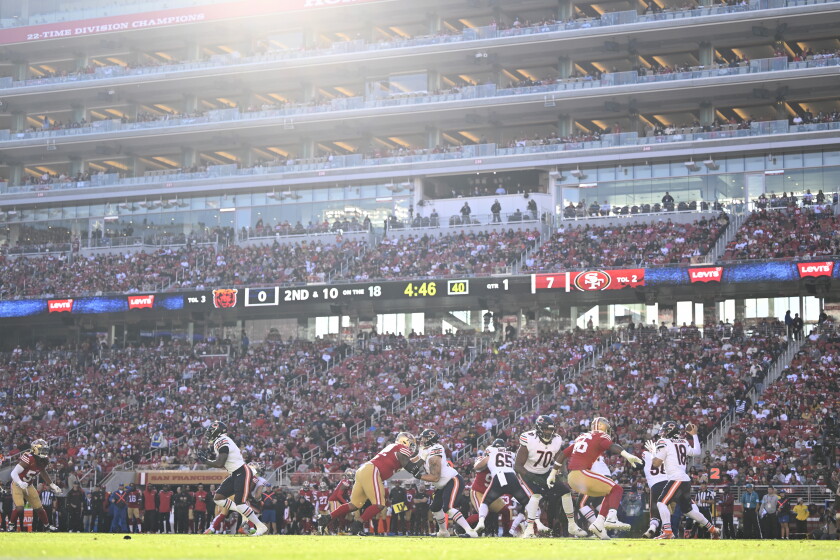
The playoff landscape, featuring potential matchups with teams like the Green Bay Packers, Los Angeles Rams, Seattle Seahawks, and Philadelphia Eagles, further underscores the importance of adaptable team strategies. Home-field advantage at Soldier Field could be a crucial differentiator, highlighting how geographical and infrastructural factors intersect with athletic performance.
Ultimately, these narratives reveal that success in high-stakes competitive environments is less about momentary brilliance and more about sustained, intelligent adaptation. Teams that can rapidly learn, recalibrate, and leverage emerging talents will likely define the future of professional sports competition.
问题 3
What makes the 49ers' approach to team performance unique?
The 49ers excel in creating an adaptive ecosystem that maximizes individual talents like quarterback Brock Purdy. Their coaching staff, including Kyle Shanahan, has developed a flexible strategic framework that allows players to perform at high levels while maintaining tactical versatility.
What role does home-field advantage play in playoff dynamics?
Home-field advantage, particularly at venues like Soldier Field, can be a crucial differentiator in playoff scenarios. It provides teams with familiar infrastructure, crowd support, and psychological comfort, potentially offsetting competitive disadvantages against high-powered opponents.