


Strategic Workforce Management Lessons from NFL Injury Reporting
- Operational Resilience and Communication Strategies for Global Business Environments







概览
In the complex landscape of modern business operations, unexpected personnel disruptions represent more than mere logistical challenges—they are critical tests of organizational adaptability. The Seahawks' injury report provides a compelling microcosm of strategic workforce management that transcends sports, offering profound insights for cross-border enterprises.
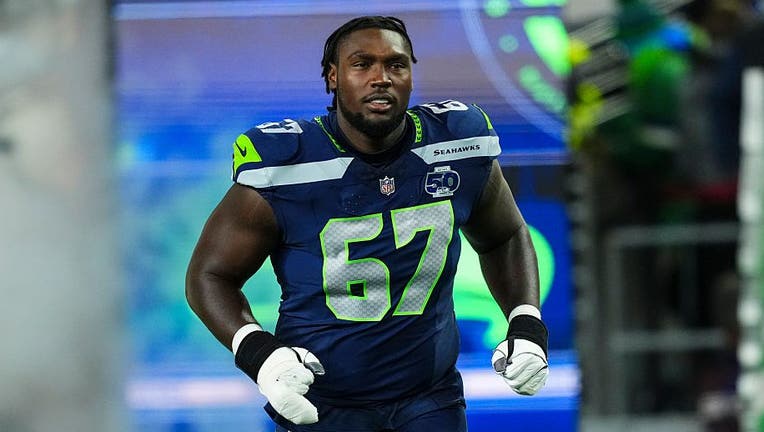
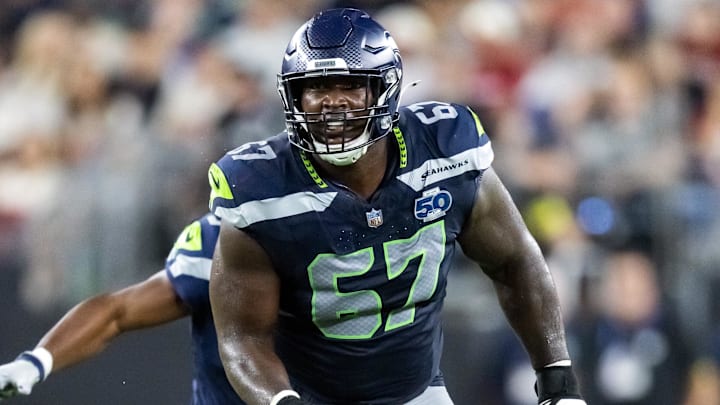
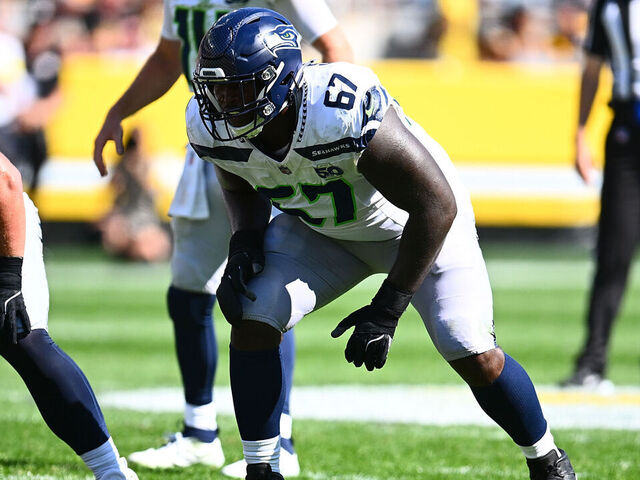
Operational Transparency emerges as a key theme from the Seahawks' methodical injury reporting. By clearly communicating player availability—noting that Charles Cross (hamstring) and Coby Bryant (knee) are non-participants—the organization demonstrates a critical business principle: proactive communication reduces uncertainty. For global businesses, this translates to creating robust communication protocols that swiftly and transparently address potential operational limitations.
The strategic response to personnel constraints reveals deeper management wisdom. Coach Mike Macdonald's approach of identifying potential replacements (Josh Jones for Cross, Ty Okada for Bryant) mirrors best practices in talent management. This signals the importance of maintaining flexible talent pools and having contingency strategies ready. In cross-border operations, where workforce dynamics can be particularly complex, such adaptability becomes a competitive advantage.
Predictive Workforce Planning is another crucial takeaway. The Seahawks' injury report shows a nuanced understanding that not all workforce disruptions are terminal—neither Cross nor Bryant are expected to be placed on injured reserve, suggesting a measured, strategic approach to personnel management. For international businesses, this translates to developing resilient staffing models that can absorb and adapt to unexpected challenges without catastrophic operational breakdown.
The scheduled game on December 28, 2025, proceeding despite individual player uncertainties underscores a fundamental business principle: organizational momentum should not be derailed by individual setbacks. This resilience—maintaining strategic objectives while managing tactical challenges—is a hallmark of sophisticated global enterprises.
Ultimately, these NFL injury reports offer more than sports statistics; they provide a blueprint for managing human capital in dynamic, unpredictable environments. The core lesson is clear: successful organizations don't just react to disruptions—they anticipate, communicate, and strategically navigate them.
问题 3
How can businesses apply the Seahawks' injury reporting approach to their own operations?
Businesses can adopt a transparent, proactive communication strategy by quickly identifying and communicating potential workforce limitations. This involves creating clear protocols for reporting disruptions, maintaining flexible talent pools, and developing contingency plans that allow operations to continue smoothly despite individual personnel challenges.
What makes workforce resilience critical in global business environments?
Workforce resilience is crucial because global businesses operate in complex, unpredictable environments. The ability to anticipate potential disruptions, communicate effectively, and maintain strategic momentum despite tactical challenges determines an organization's competitive advantage and long-term sustainability.