




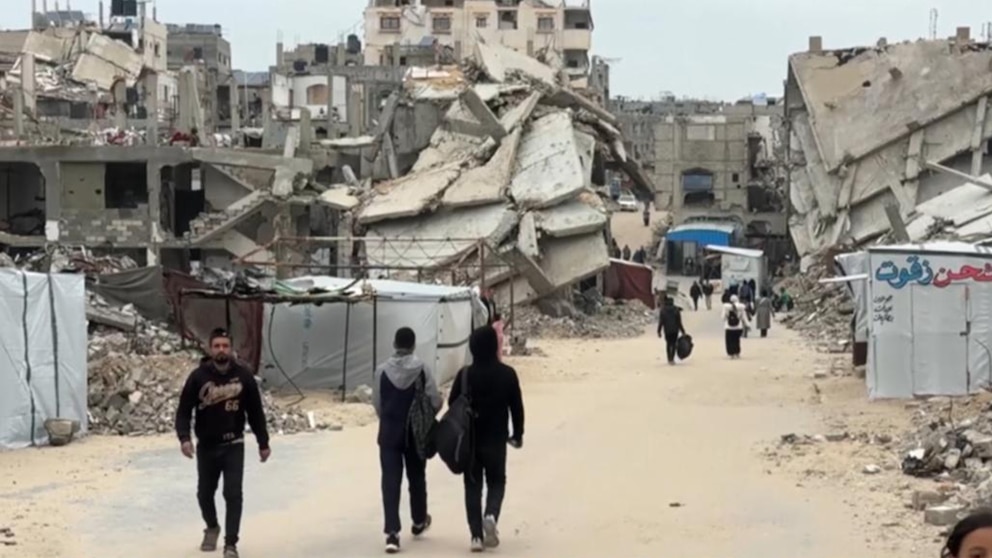
Middle East Conflict Escalation Feb 2026 | Supply Chain & Seller Risk Alert
- Ceasefire breakdown threatens logistics corridors; 550+ deaths since October 2025 signal regional instability affecting cross-border sellers shipping to/through Middle East
































概览
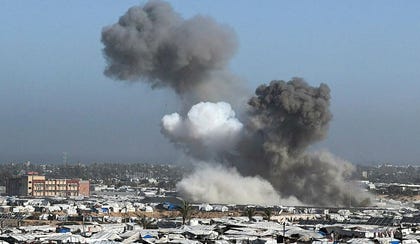
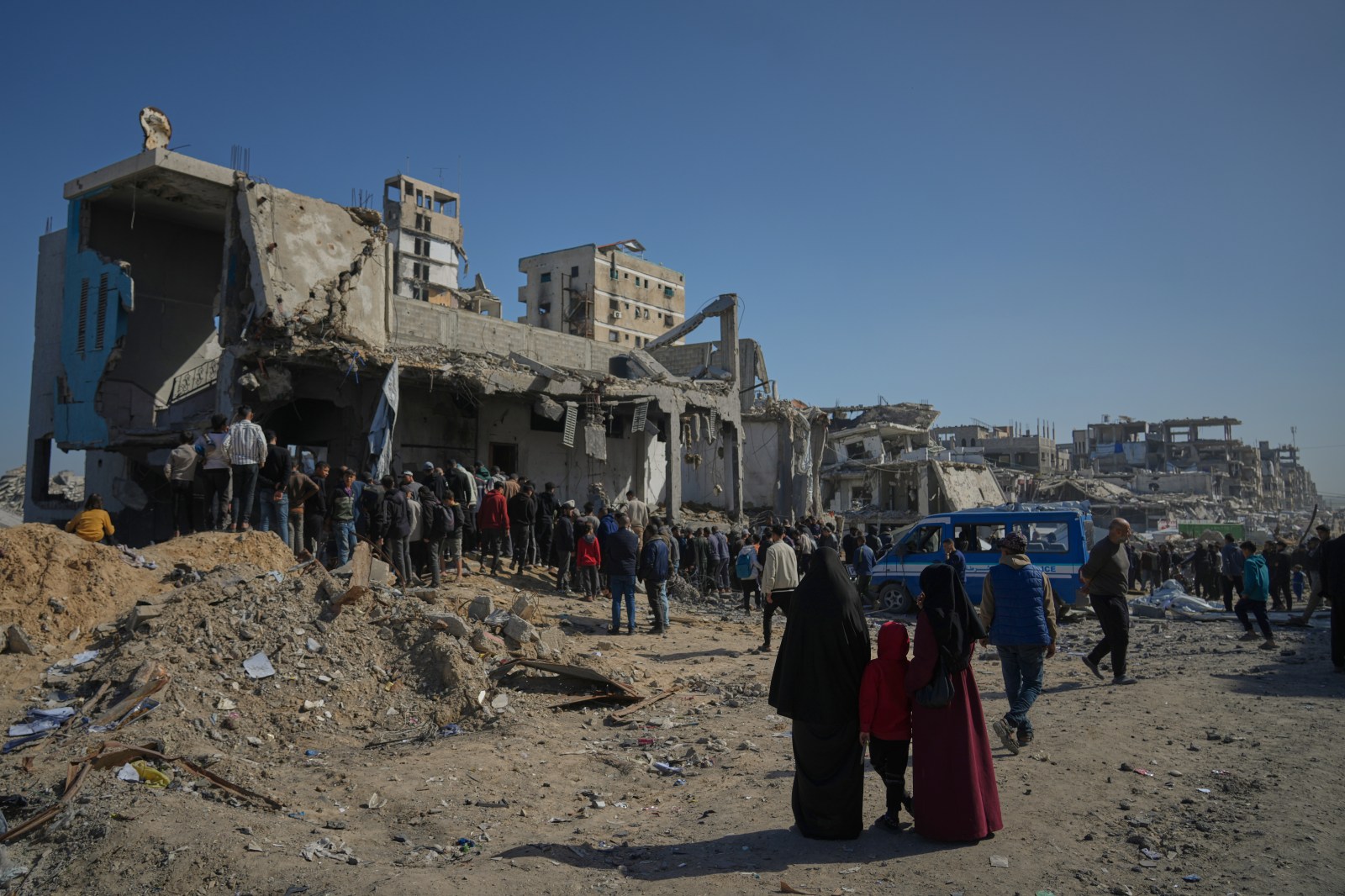
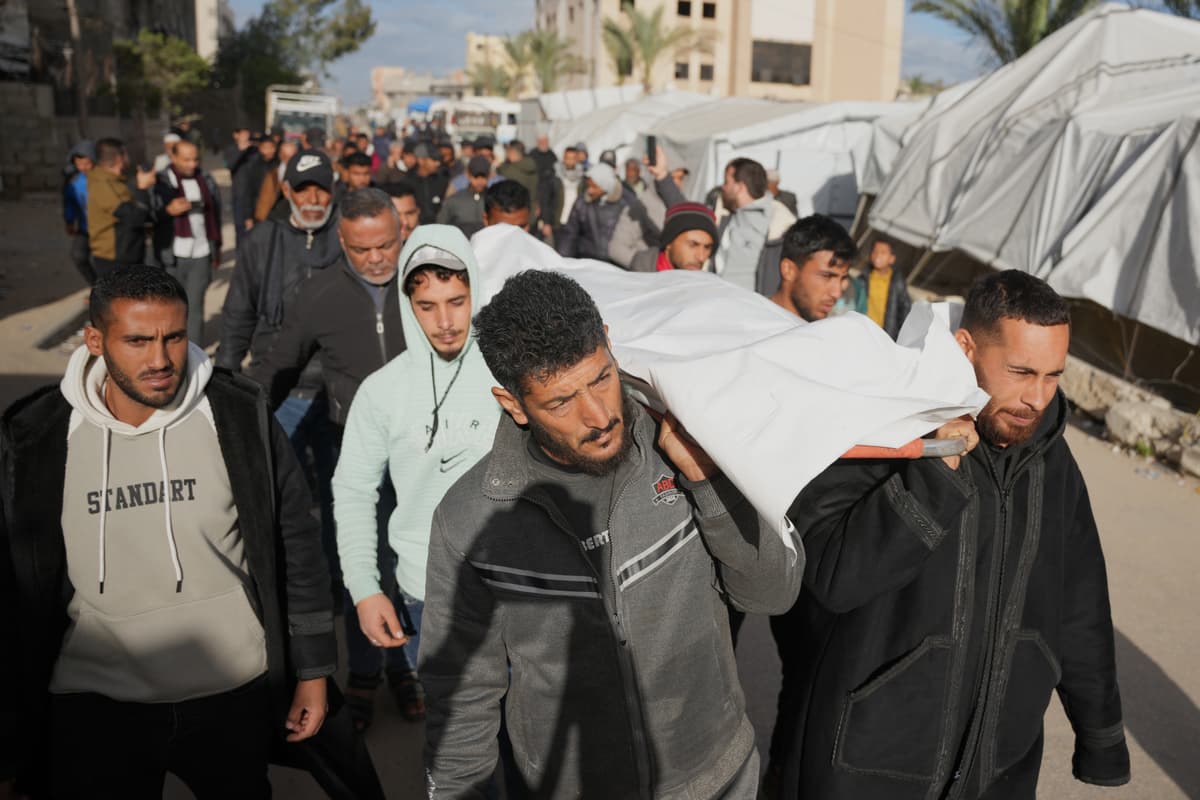
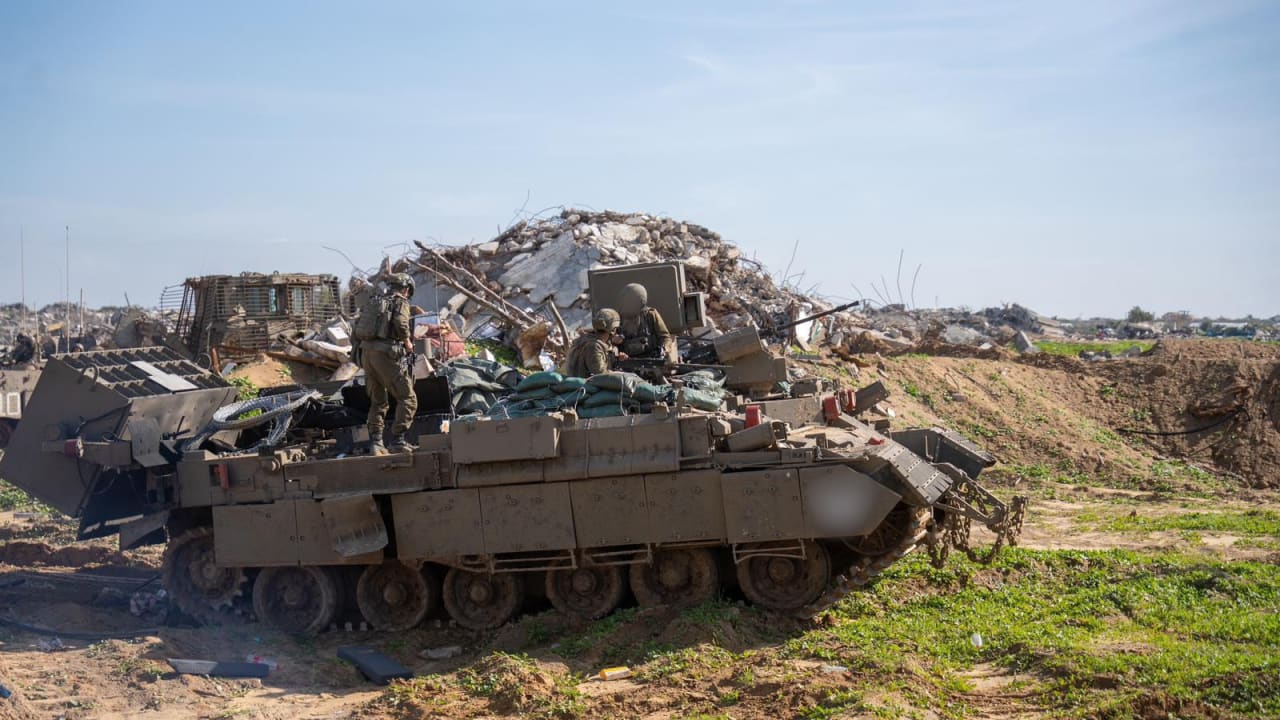
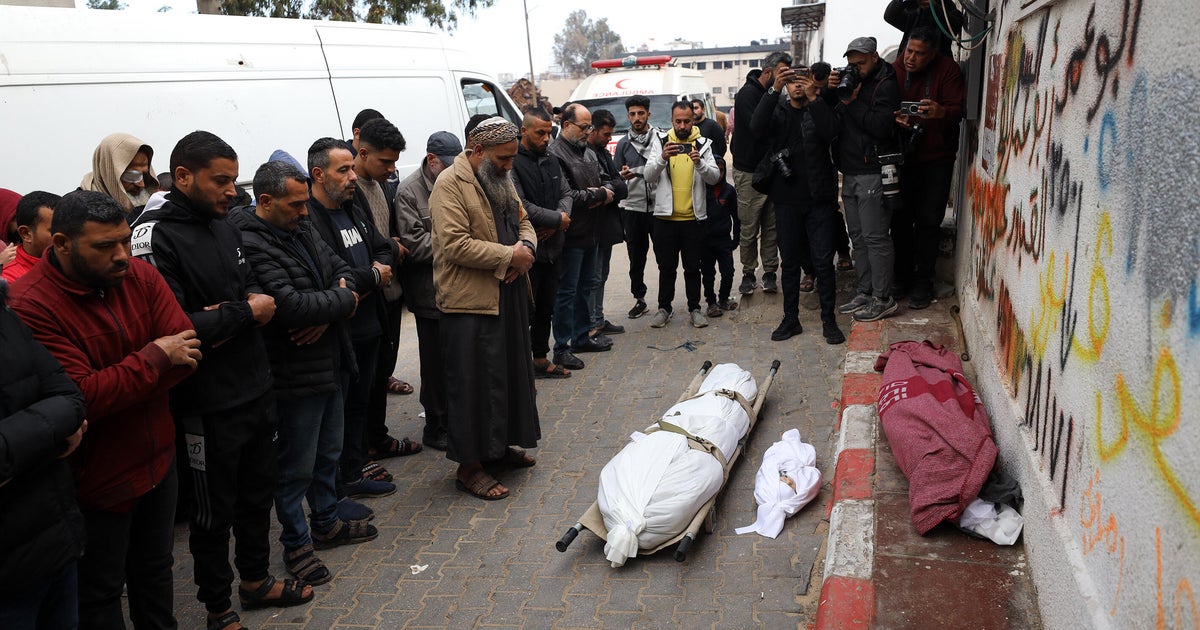
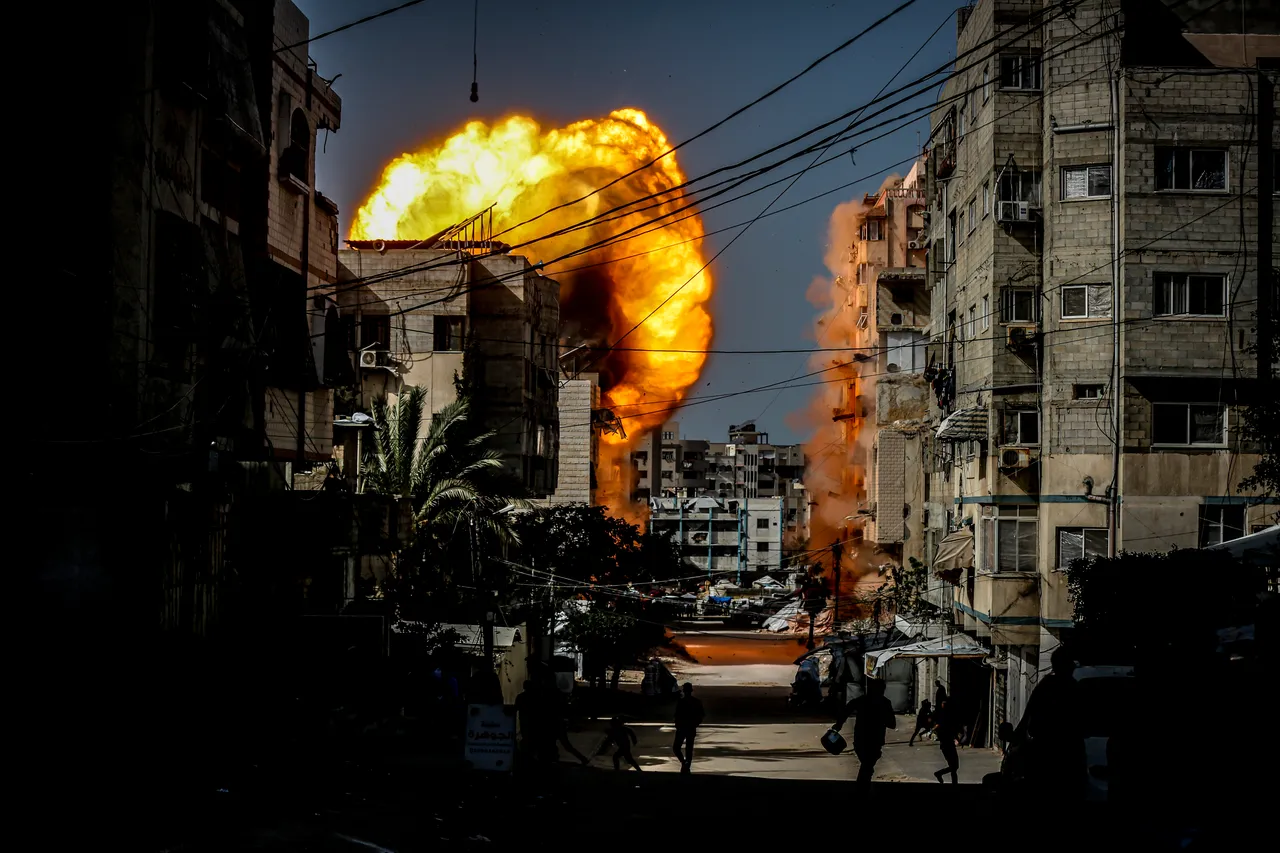
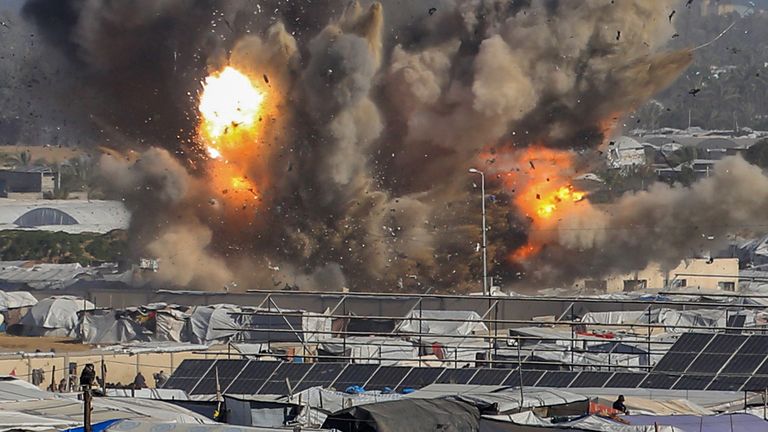
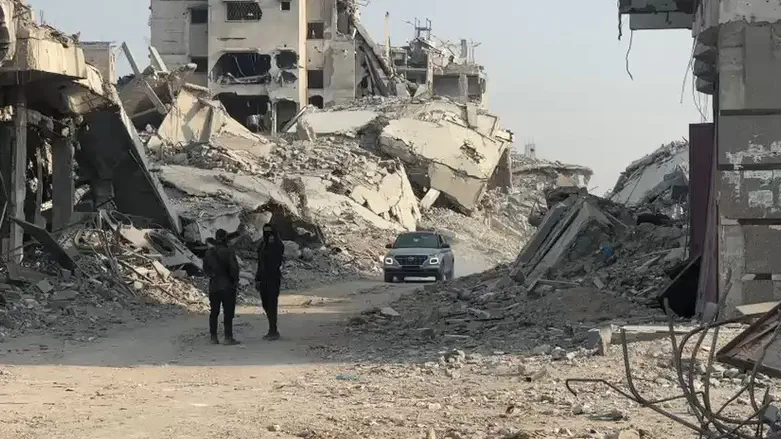
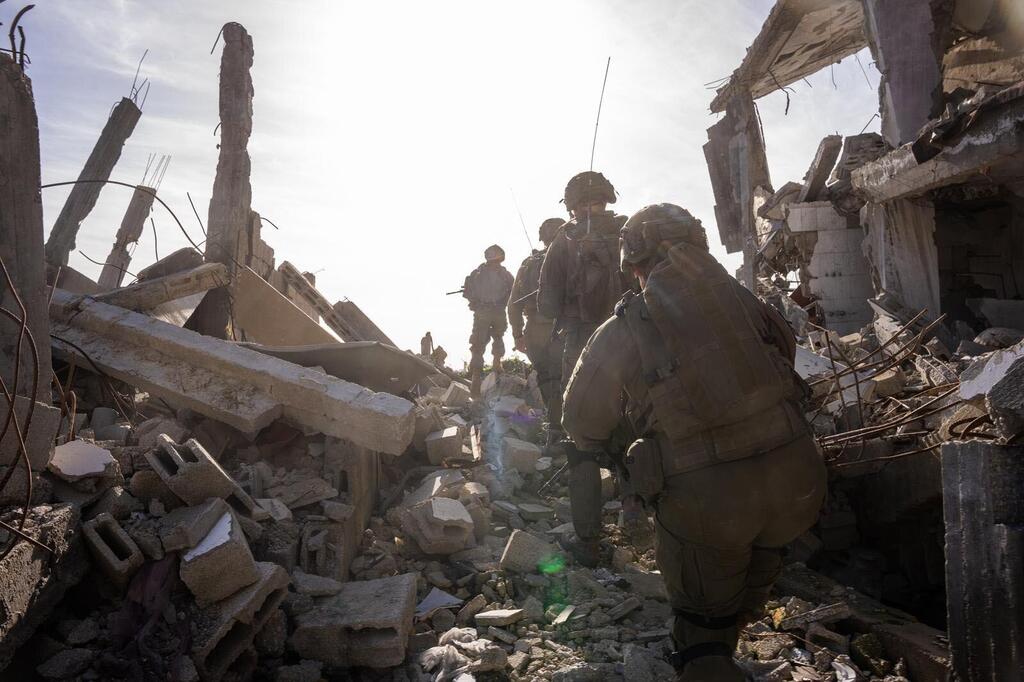
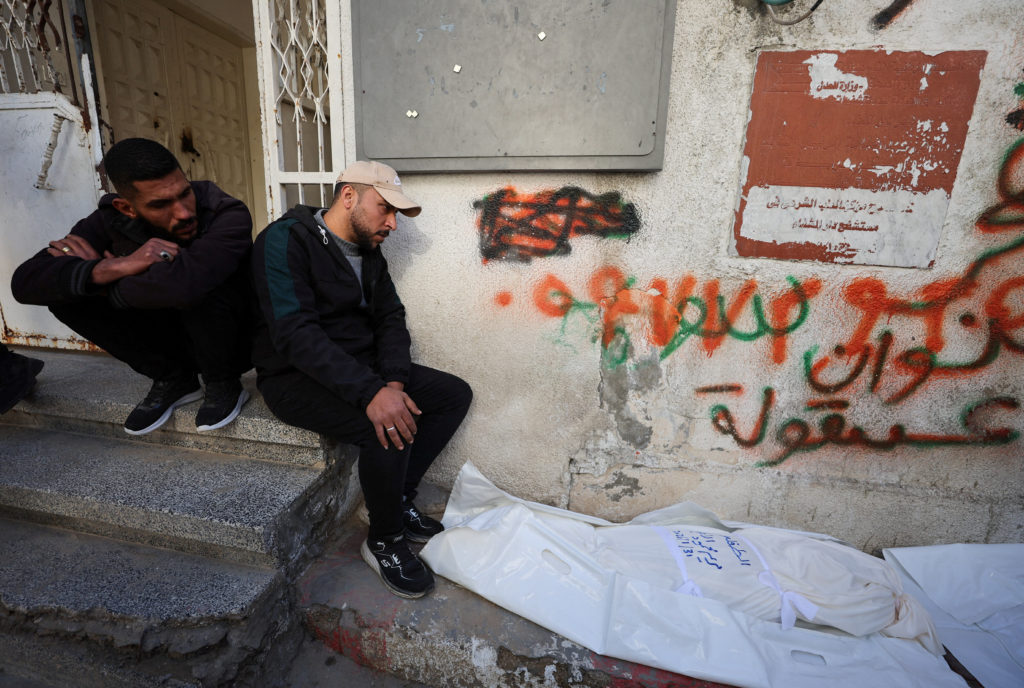
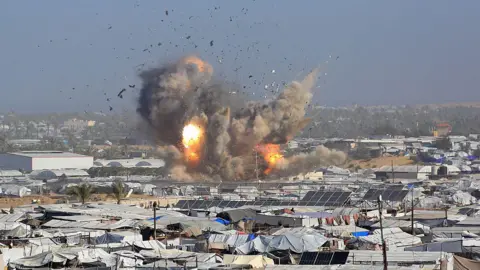
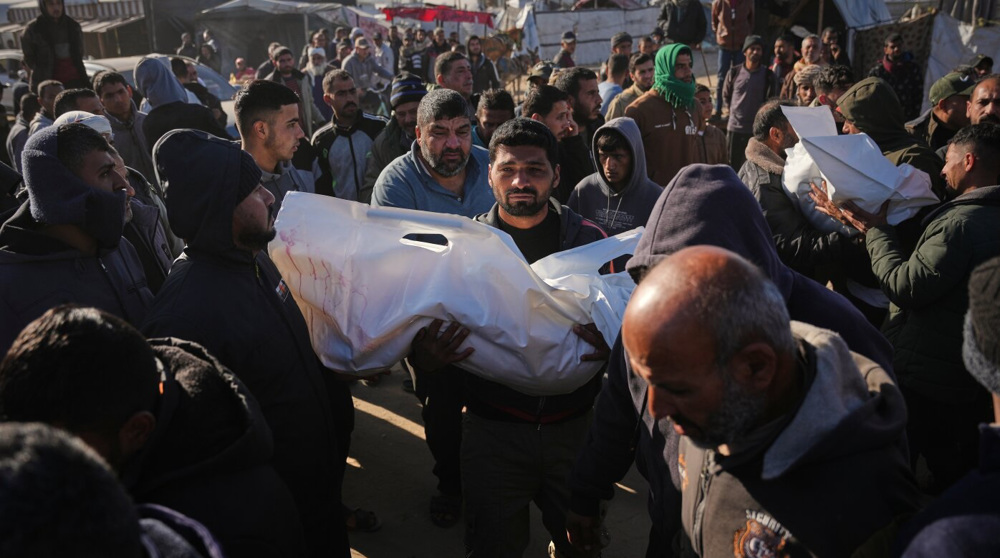
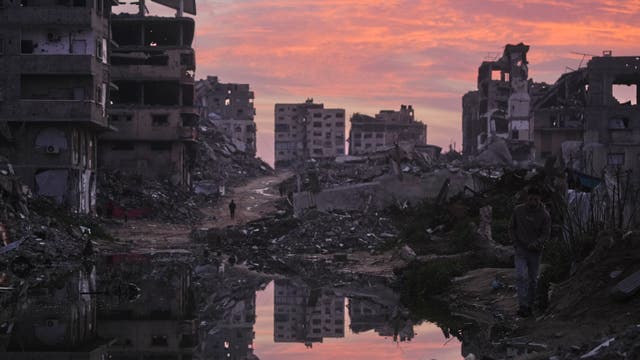
The escalating Israeli-Palestinian conflict documented in February 2026 represents a critical supply chain and geopolitical risk factor for cross-border e-commerce sellers, particularly those operating in or shipping through Middle Eastern markets. News reports confirm 21+ Palestinian deaths on February 4, 2026 alone, with cumulative casualties exceeding 550 since the ceasefire began in October 2025, indicating sustained conflict intensity despite temporary truces. The closure of critical infrastructure—including UNRWA operations in East Jerusalem and utilities disruptions—signals broader regional instability that directly impacts logistics networks, payment processing, and market access for sellers.
Supply Chain Implications for E-Commerce Sellers: The conflict's expansion into civilian infrastructure creates operational risks across multiple dimensions. The Rafah crossing, mentioned as resuming humanitarian operations with minimal traffic (40-50 people daily), represents a critical logistics chokepoint for sellers attempting to serve Palestinian and Gaza markets. Sellers relying on Middle Eastern distribution hubs or shipping routes through the region face potential delays, rerouting costs, and customs complications. 3PL providers operating in Israel, Palestine, Egypt, and Jordan must navigate security restrictions, border closures, and infrastructure damage that increase fulfillment costs by 15-25% during conflict periods. Amazon, eBay, and Shopify sellers with inventory in regional warehouses should audit their logistics partners' contingency plans immediately.
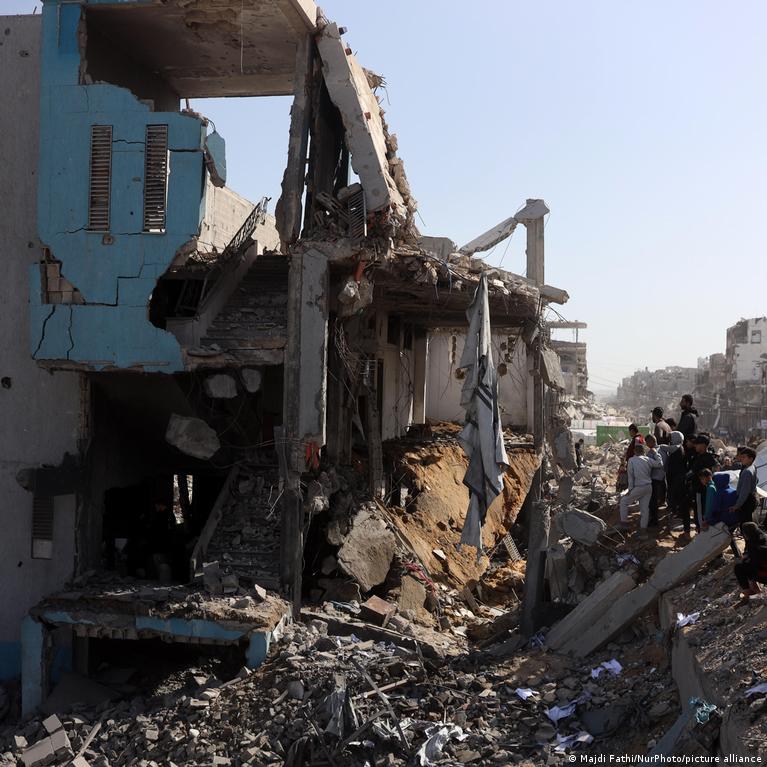
Market Access & Payment Processing Risks: The destruction of Gaza's healthcare system and broader infrastructure collapse signals economic deterioration that reduces consumer purchasing power in affected regions. Sellers targeting Palestinian, Israeli, and neighboring markets face currency volatility, payment processing delays through international gateways, and potential sanctions complications. PayPal, Stripe, and regional payment processors often restrict or suspend services during conflict escalations, creating cash flow disruptions for sellers. The acquittal of British pro-Palestinian activists involved in a 2024 raid on an Israeli defense firm indicates rising geopolitical activism that may affect brand reputation for sellers operating in both Israeli and Palestinian markets—a critical consideration for ESG-conscious marketplaces and consumer bases.
Immediate Seller Actions: Monitor your 3PL provider's Middle East operations status through their security bulletins. If you ship to Israel, Palestine, Egypt, or Jordan, request updated routing information and cost estimates reflecting current conflict conditions. Review payment processor terms for conflict-zone restrictions and establish backup payment methods. For sellers with inventory in regional warehouses, consider temporary reallocation to European or Asian distribution centers. Track insurance coverage for goods in transit through affected regions—standard policies may exclude conflict-related losses. Set up Google Alerts for "Middle East logistics," "Rafah crossing," and "Israel-Palestine ceasefire" to monitor developments affecting your supply chain.
问题 8
Should I pause marketing campaigns targeting Israeli or Palestinian customers?
Pause paid advertising (Google Ads, Facebook, Amazon Sponsored Products) targeting these regions during active conflict—platforms often restrict ads in conflict zones and your spend may be wasted. However, maintain organic presence (SEO, social media) to capture demand from diaspora communities and international buyers. The acquittal of British pro-Palestinian activists mentioned in news reports signals rising activism that may affect brand perception; avoid political messaging or take explicit ESG positions if your brand targets both Israeli and Palestinian markets. Resume paid campaigns 2-4 weeks after ceasefire agreements are confirmed. Monitor sentiment on social media—conflict-related brand backlash can persist 30-60 days after violence ends, affecting conversion rates and customer reviews.
How do I monitor Middle East logistics risks in real-time for my supply chain?
Set up automated alerts through Google News, your 3PL provider's security portal, and industry platforms like FreightWaves or Flexport. Subscribe to conflict-monitoring services like Stratfor or Crisis24 (starting $500-2,000/month) for real-time supply chain intelligence. Daily check your logistics partner's status page for route advisories and cost updates. Join e-commerce seller communities (Reddit r/FulfillmentByAmazon, Seller forums) where sellers share real-time logistics updates. Contact your insurance broker weekly during active conflicts for coverage clarifications. Establish a 24-hour response protocol: if major escalation occurs, immediately contact your 3PL, payment processor, and insurance provider within 4 hours to confirm status and adjust operations. Document all communications for compliance and claims purposes.