



Gaza Reconstruction Market Opportunity | $100B Infrastructure Plan Creates Supply Chain & Logistics Demand
- $100 billion reconstruction plan stalled by donor hesitation; 500,000+ job creation targets emerging markets for industrial equipment, construction materials, and logistics services through 2025-2027 implementation phase




)










概览
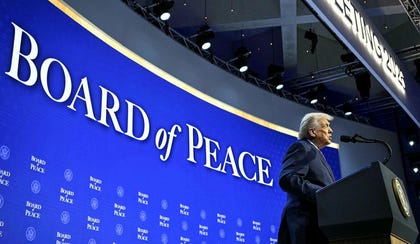
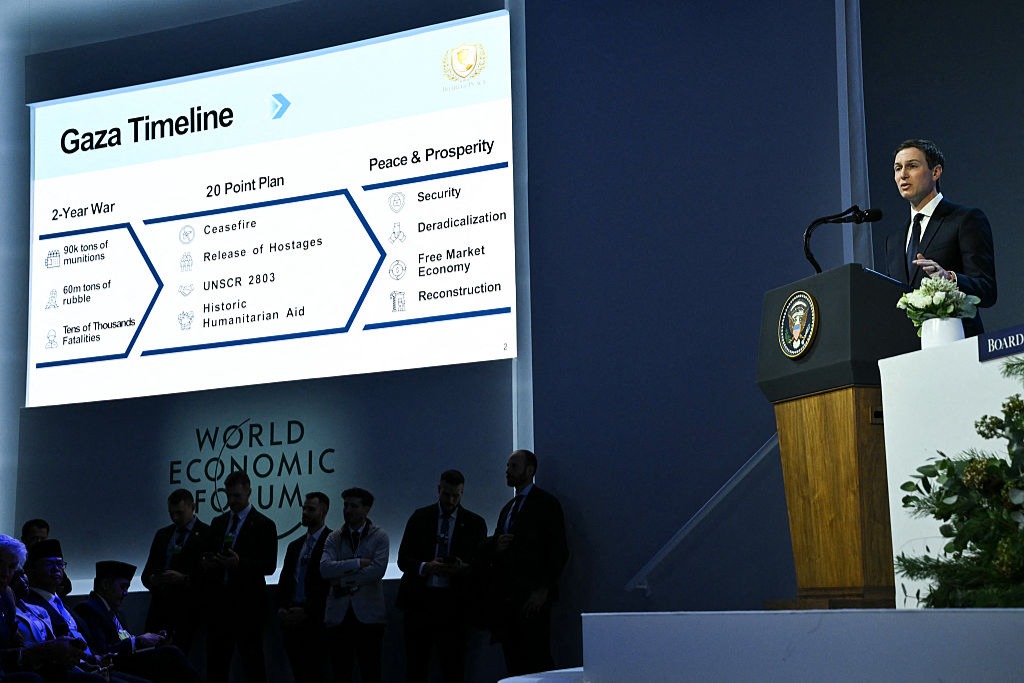
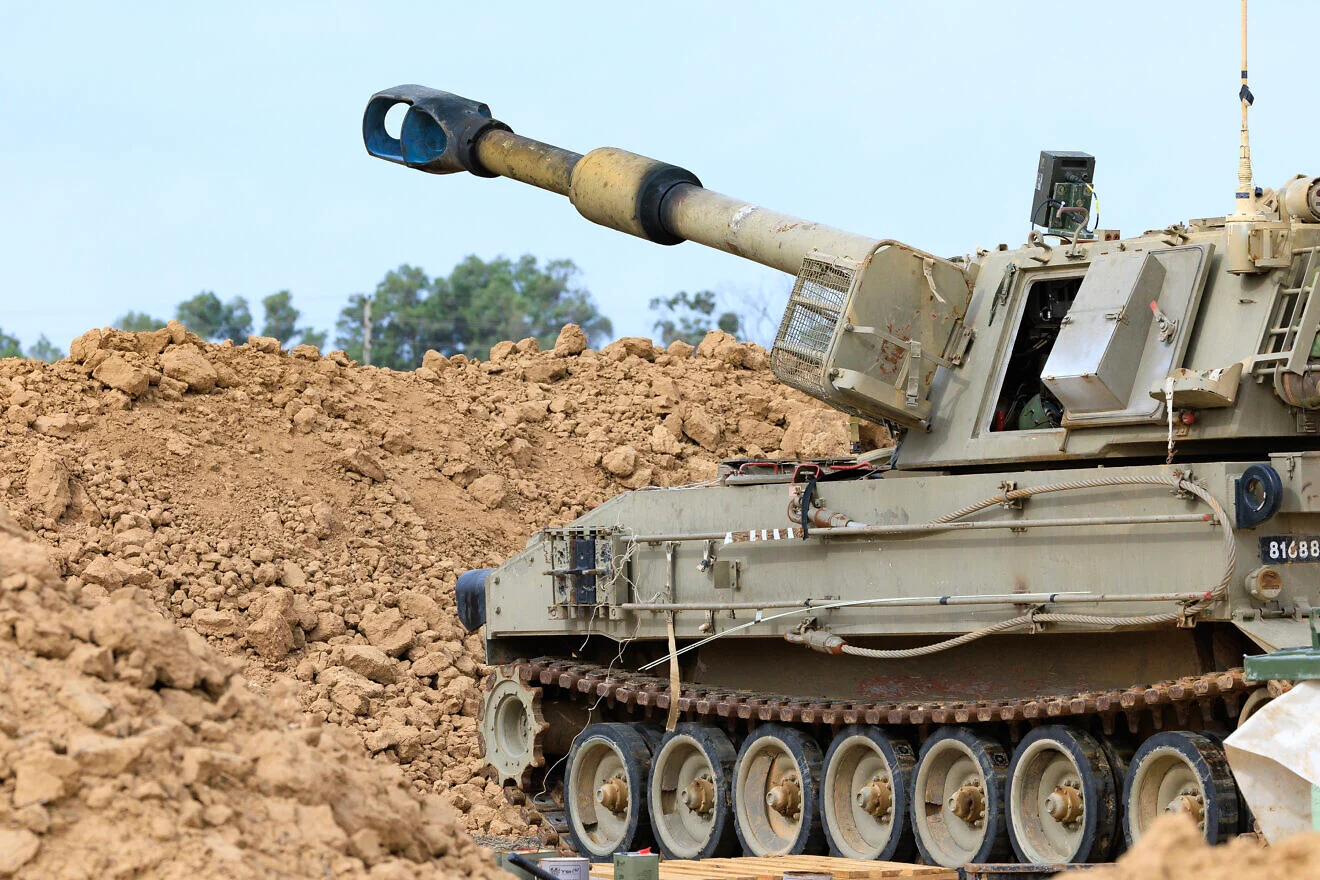
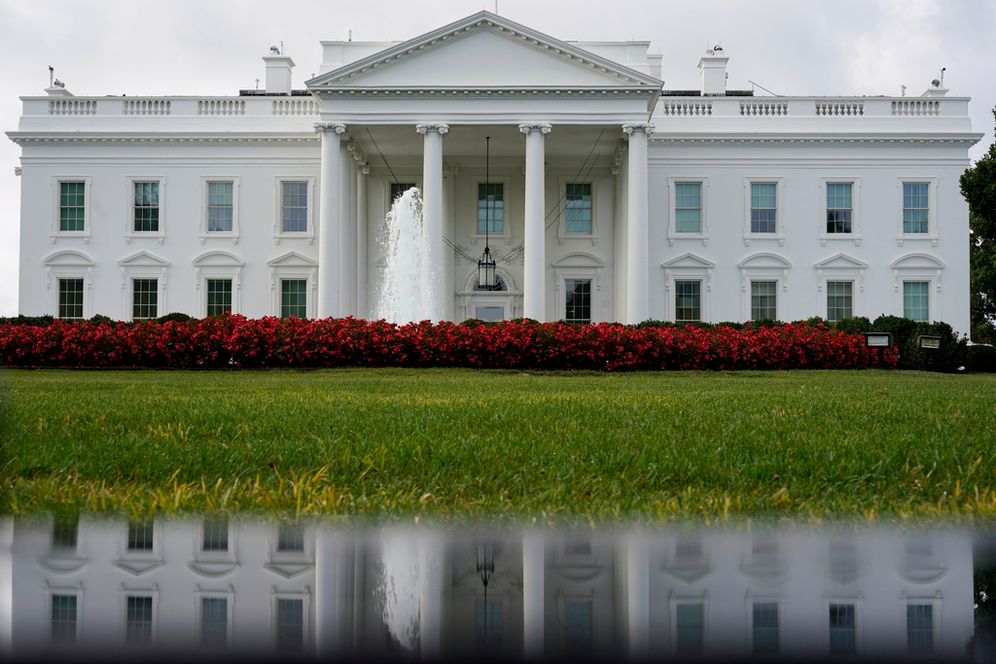
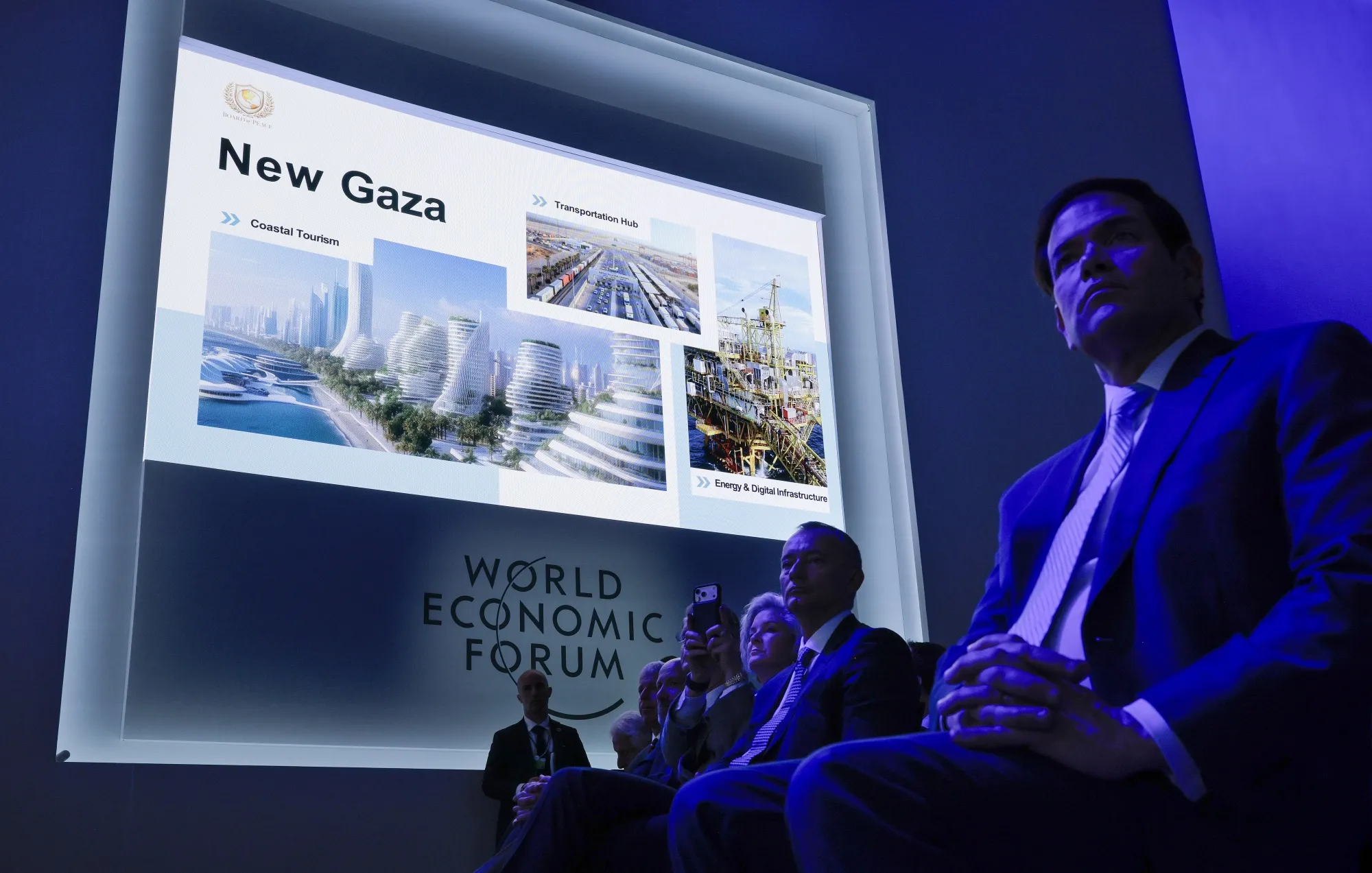
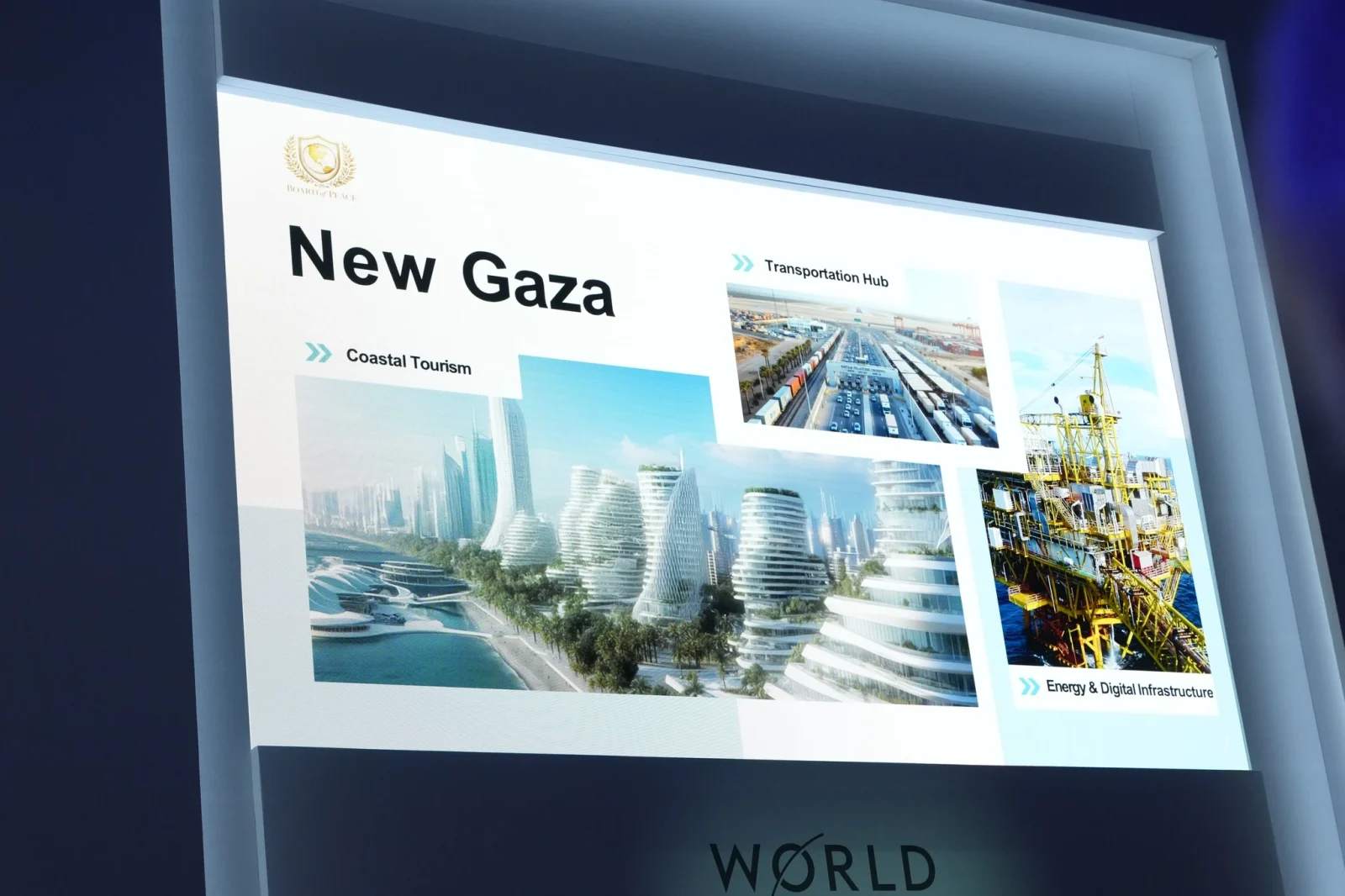
The Trump administration's $100 billion Gaza reconstruction initiative, unveiled at the January 2025 World Economic Forum in Davos, represents a significant emerging market opportunity for cross-border sellers despite current funding delays. The plan envisions transforming Gaza into a modern economic zone with residential towers, data centers, industrial parks, a new airport, port, train hub, and coastal tourism infrastructure—creating an estimated 500,000+ jobs and requiring massive procurement of construction materials, industrial equipment, logistics services, and technology infrastructure.
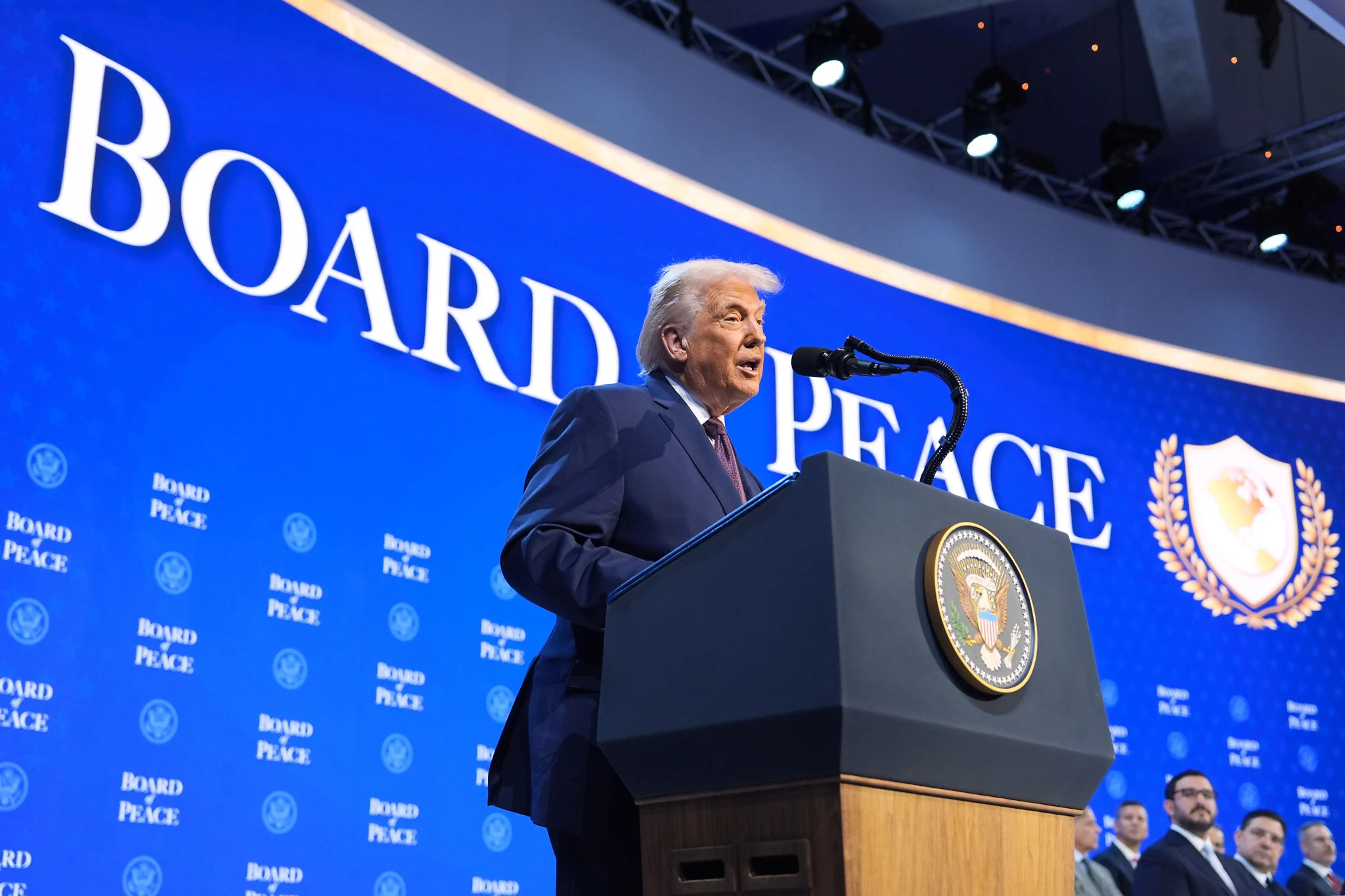
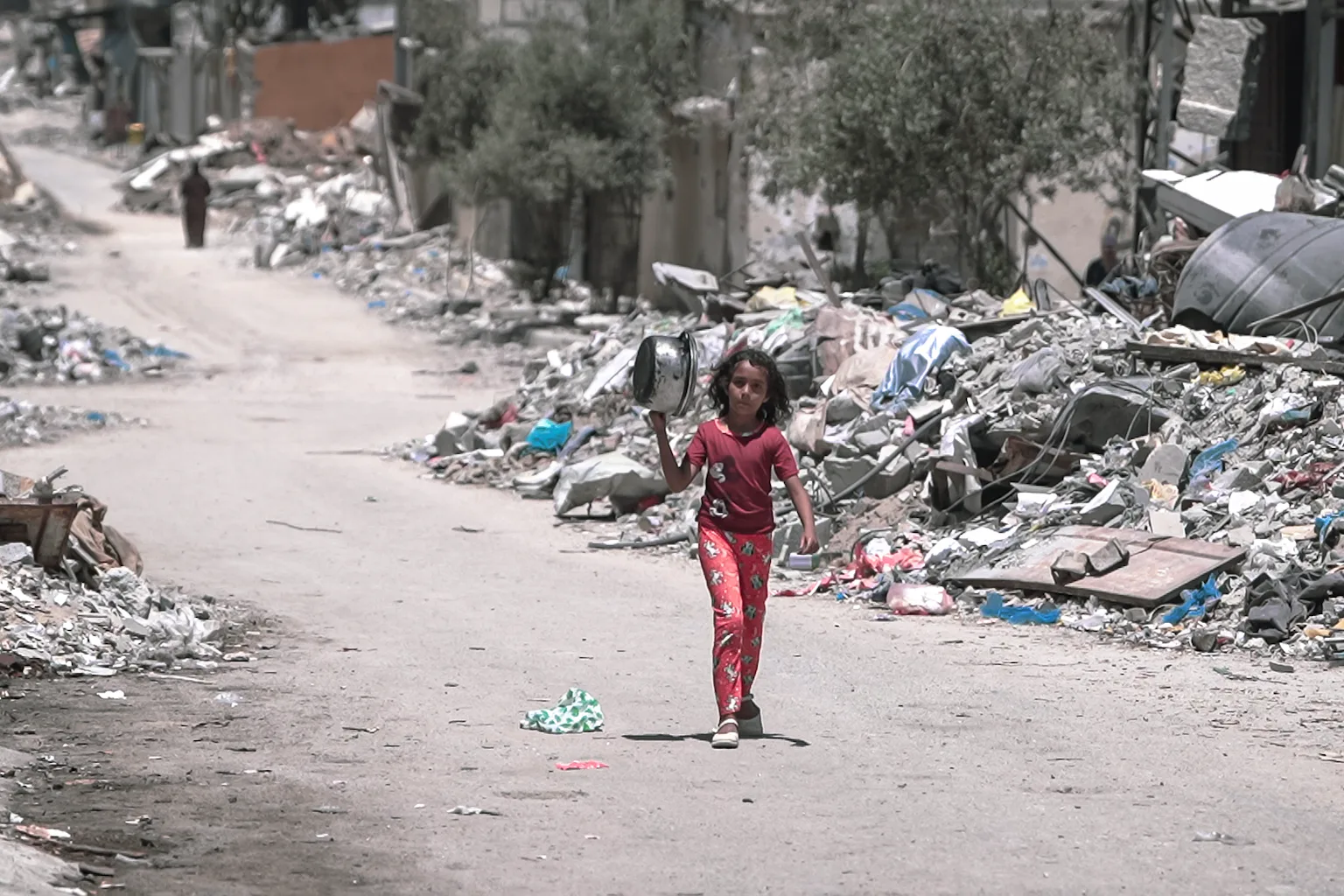
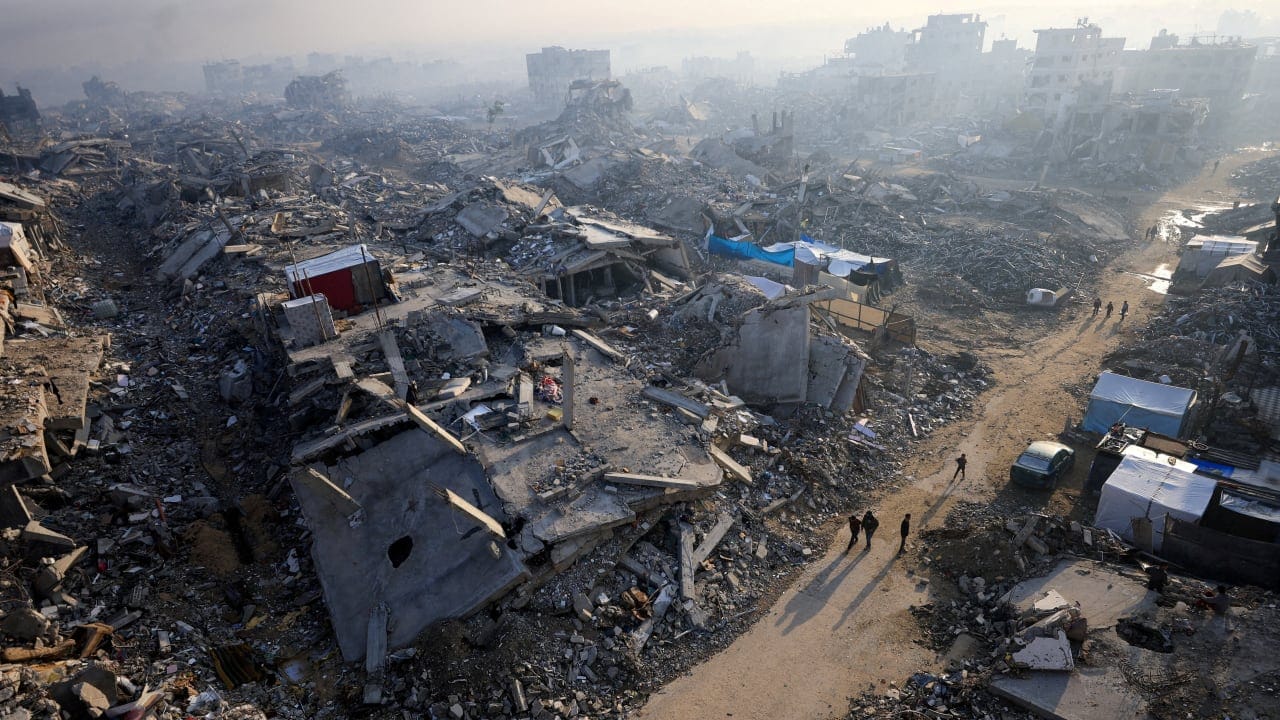
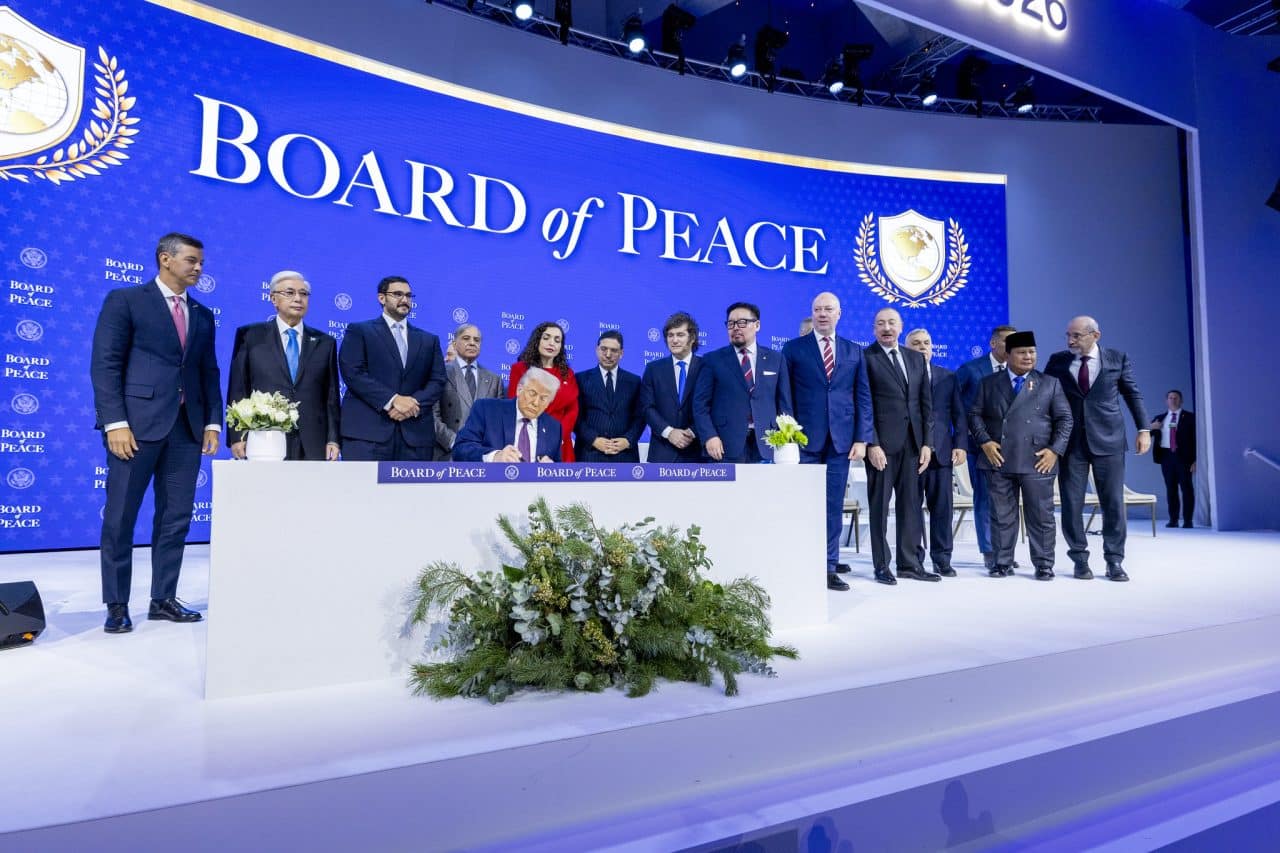
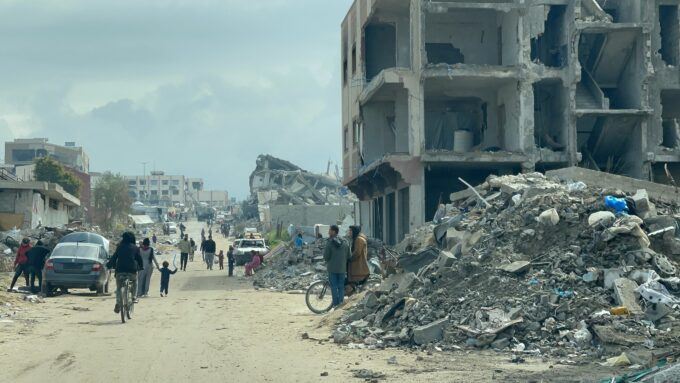
Current Market Dynamics: While Reuters reports that potential donors remain reluctant to commit funding due to unresolved Hamas disarmament concerns, the underlying infrastructure demand is structurally sound. The plan requires clearing 68 million tonnes of rubble, rebuilding basic infrastructure, and establishing new industrial zones. The "Board of Peace" is actively exploring rubble-clearing contracts, and sources indicate "peace area pricing"—risk-adjusted financing based on security conditions—will attract private sector investment once security benchmarks are met. This creates a phased procurement opportunity: immediate rubble-clearing equipment demand (2025-2026), followed by construction materials and industrial equipment (2026-2027), then technology and consumer goods (2027+).
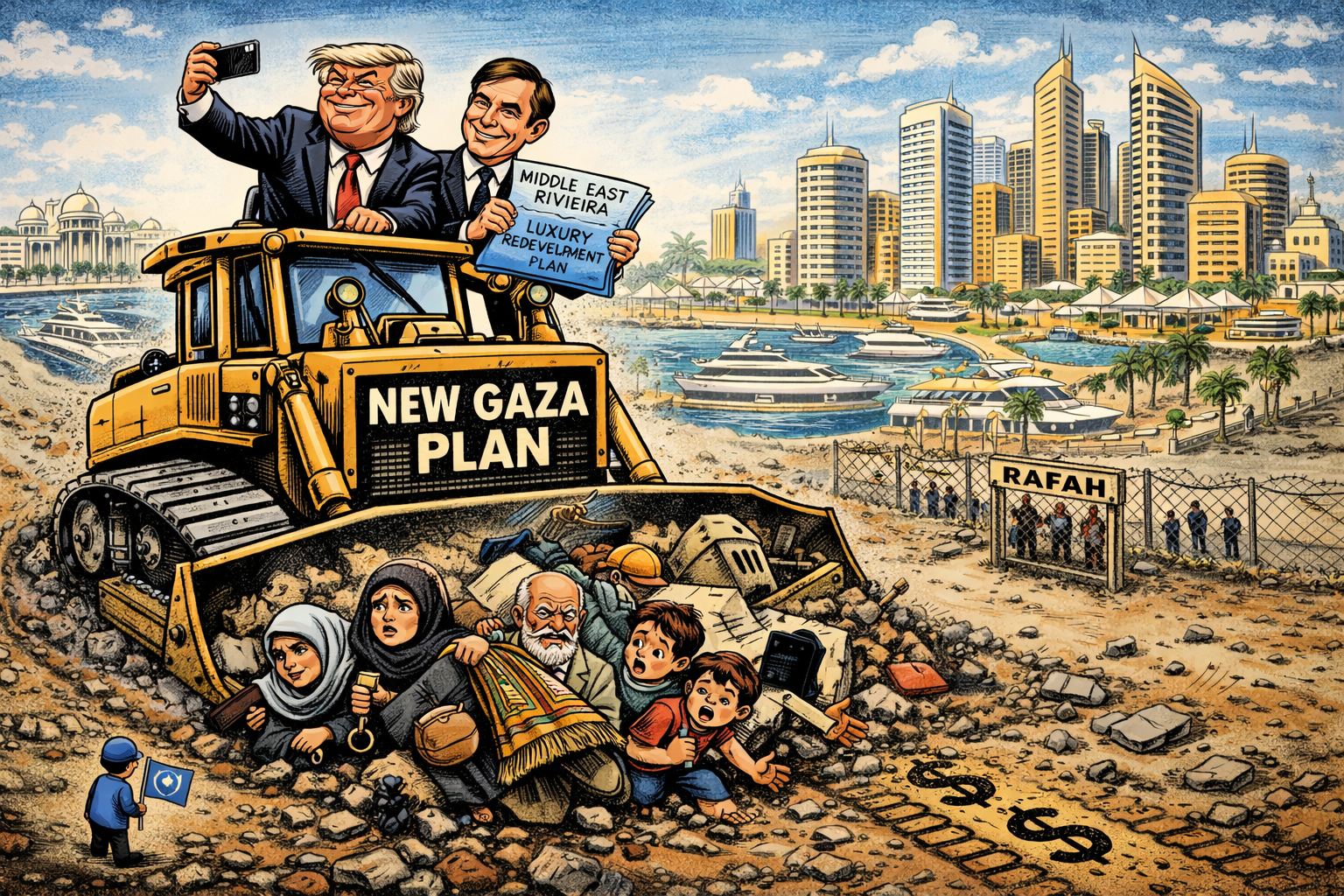
Seller Opportunities Across Categories: Cross-border sellers can position themselves in multiple supply chains. Heavy equipment sellers should monitor procurement contracts for bulldozers, excavators, and waste management systems (estimated $2-4B market). Construction materials suppliers can prepare inventory for cement, steel, and prefabricated housing components targeting the 100,000+ housing units planned for "New Rafah." Industrial equipment sellers should track the data center and manufacturing zone buildout, which requires HVAC systems, electrical infrastructure, and logistics automation. Consumer goods sellers can prepare for the post-reconstruction consumer market: the plan targets a 2.2 million population with new residential areas, suggesting demand for home furnishings, appliances, and household goods once housing units are completed.
Logistics and Regional Considerations: The plan includes a relocated Rafah border crossing (renamed "trilateral crossing" under joint Egypt-Israel-Palestinian control) and a new port on Gaza's Mediterranean coastline. These infrastructure changes will create shipping route optimization opportunities for 3PL providers and logistics platforms. Sellers shipping to the Middle East should monitor the port development timeline, as it could reduce shipping costs to Gaza by 15-25% compared to current routing through Israeli ports. The plan's emphasis on industrial zones and data centers suggests demand for B2B logistics services and supply chain management platforms.
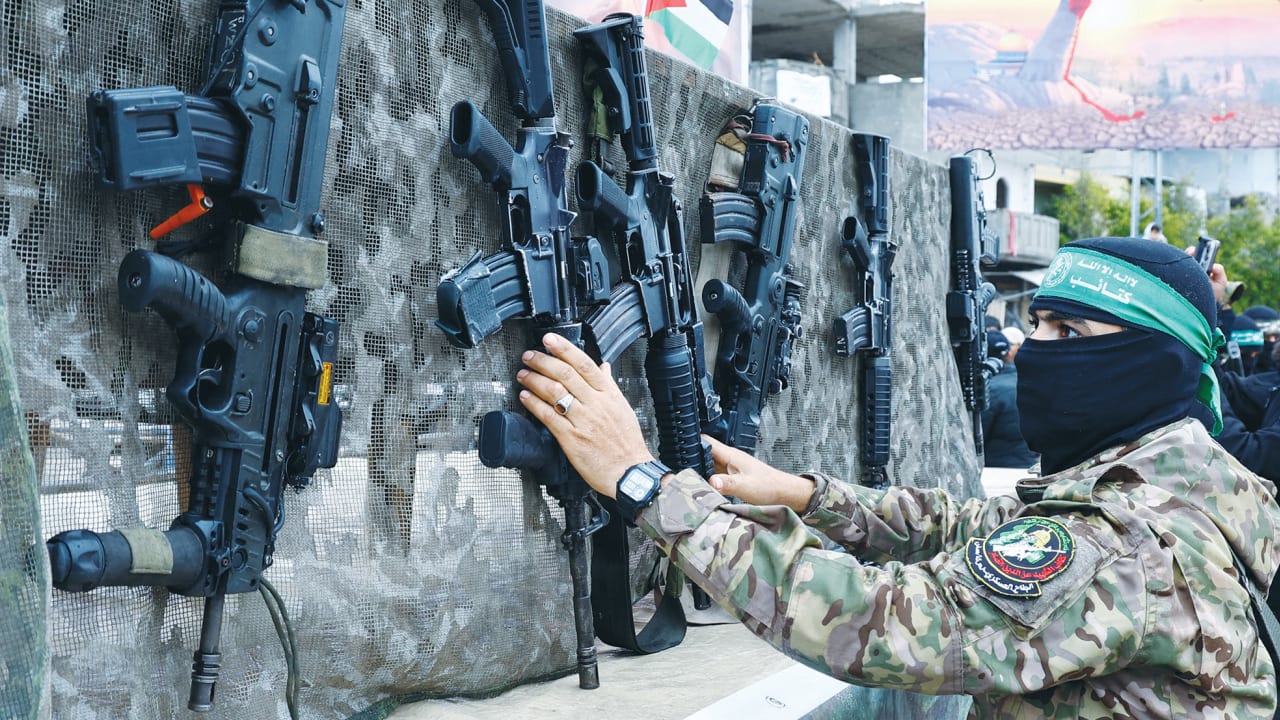
Risk Factors and Timeline: Funding remains contingent on concrete Hamas disarmament progress, which Western intelligence estimates is still incomplete (hundreds of rockets and thousands of light weapons remain in circulation). The circular impasse—donors withholding funds pending security guarantees while reconstruction delays perpetuate instability—suggests a 6-12 month delay before major procurement begins. However, the Board of Peace's active exploration of rubble-clearing contracts indicates preliminary work could commence within 3-6 months if interim security agreements are reached. Sellers should monitor announcements from the planned Washington funding conference (date TBD) and track quarterly updates on disarmament progress through international intelligence reports.
问题 8
What is 'peace area pricing' and how does it affect seller investment decisions?
According to the news reports, 'peace area pricing' is a risk-adjusted financing model based on security conditions that the Board of Peace is exploring to attract private sector investment. This means reconstruction contracts and procurement opportunities will be priced with premiums reflecting current security risks, which should decrease as disarmament progress is verified. Sellers considering participation in Gaza reconstruction should expect higher financing costs and insurance premiums in the initial 2025-2026 phase, declining as security benchmarks are met. This pricing model suggests a phased investment approach: conservative participation in early rubble-clearing contracts, scaling up to major construction materials procurement once security conditions improve.
How will the new Rafah border crossing and port affect logistics for cross-border sellers?
The plan includes relocating the Rafah border crossing (renaming it a 'trilateral crossing' under joint Egypt-Israel-Palestinian control) and developing a new Mediterranean port. These infrastructure changes will optimize shipping routes to Gaza, potentially reducing logistics costs by 15-25% compared to current routing through Israeli ports. Sellers shipping to the Middle East should monitor port development timelines, as the new facility could significantly improve supply chain efficiency. However, Egypt has not yet endorsed the trilateral crossing proposal, creating uncertainty around implementation timelines. 3PL providers and logistics platforms should track quarterly updates on border and port infrastructure progress.