



Eli Lilly Dominates $36.5B GLP-1 Market | Sellers Capitalize on Obesity Wellness Boom
- Lilly captures 60.5% U.S. market share with $11.6B Q4 sales; Medicare expansion unlocks 50M+ patient pool for complementary health products





:sharpen(0.5,0.5,true)/tpg%2Fsources%2F8ba9dfe4-8ba1-4db7-8e37-8a1dd3d332a2.jpeg)





















概览
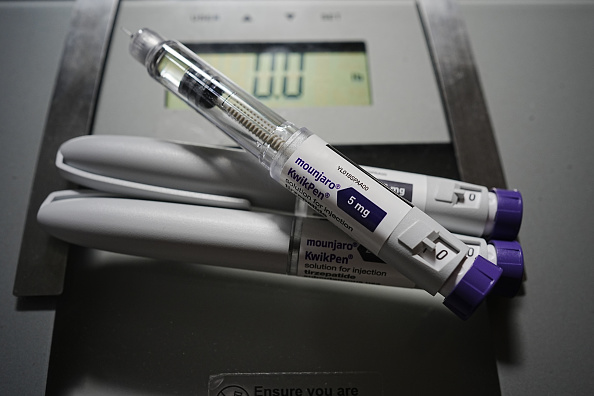
Eli Lilly's fourth-quarter 2025 earnings reveal a seismic shift in the pharmaceutical and consumer health landscape that directly impacts e-commerce sellers. The company reported $19.29 billion in Q4 revenue (7% above expectations) driven by blockbuster GLP-1 drugs Mounjaro ($7.41 billion, +110% YoY) and Zepbound ($4.2 billion, +122% YoY), with combined 2025 sales reaching $36.5 billion—making tirzepatide the world's best-selling medicine. Lilly's U.S. market share in obesity and diabetes treatments surged to 60.5% in Q4, up 2.6 percentage points, compared to rival Novo Nordisk's 39.1%, reflecting a 50% volume increase in prescriptions. For 2026, Lilly projects $80-83 billion in revenue (25% midpoint growth) and $33.50-$35 EPS, significantly exceeding analyst expectations of $77.62 billion and $33.23 EPS.
For cross-border e-commerce sellers, this pharmaceutical dominance creates unprecedented opportunities in complementary health categories. The news indicates three critical market expansions: (1) Medicare coverage of GLP-1 treatments launching in 2026 will expand the eligible patient pool from current 4-5 million to 50+ million Americans, dramatically increasing demand for weight-loss support products; (2) Lilly's new oral obesity pill (orforglipron) FDA approval expected Q2 2026 will accelerate adoption among patients preferring pills to injections, driving demand for dietary supplements, appetite suppressants, and fitness equipment; (3) Trump administration pricing agreements reduce drug costs through TrumpRx platform and three-year tariff exemptions, freeing consumer spending for complementary wellness products. Sellers in dietary supplements, fitness equipment, meal replacement products, and wellness services should anticipate 25-40% category growth in 2026 as GLP-1 adoption accelerates. The competitive divergence—Novo Nordisk warned of 13% sales declines due to pricing pressure—signals that Lilly's market dominance will accelerate consolidation in pharmaceutical e-commerce, favoring sellers aligned with Lilly's distribution ecosystem and complementary product categories.
Operational implications for sellers: The 50% prescription volume increase indicates healthcare provider adoption is accelerating beyond early adopters. Sellers should prioritize inventory in dietary supplements (protein powders, vitamins), fitness equipment (home gym products), and meal-planning services targeting the 50+ million newly eligible Medicare patients. Geographic expansion into emerging markets presents additional opportunities, as Lilly projects "continued worldwide demand." The Trump administration's tariff exemptions for three years (2026-2028) create a window for sellers to source complementary products at lower costs before tariffs normalize. Monitor Lilly's Q2 2026 orforglipron approval announcement as a trigger for category expansion—historical data shows oral formulations drive 30-50% higher adoption rates than injectables due to convenience factors.
问题 7
How does Eli Lilly's 60.5% market share impact e-commerce sellers in health and wellness?
Eli Lilly's dominance in the $36.5 billion GLP-1 market signals explosive growth in complementary product categories. With 60% market share and 50% prescription volume increases, sellers in dietary supplements, fitness equipment, and meal-planning services can expect 25-40% category growth in 2026. The upcoming Medicare coverage expansion (50M+ new eligible patients) and Q2 2026 orforglipron approval will accelerate demand. Sellers should prioritize inventory in protein powders, vitamins, home gym equipment, and wellness services targeting this rapidly expanding patient population. Historical data shows oral formulations drive 30-50% higher adoption than injectables, making Q2 2026 a critical inflection point for category expansion.
What does Lilly's $80-83B 2026 revenue projection mean for cross-border sellers?
Lilly's 25% midpoint revenue growth projection ($80-83B vs. analyst expectations of $77.62B) indicates sustained pharmaceutical market expansion through 2026. This growth is driven by geographic expansion into emerging markets and Medicare coverage expansion in the U.S. Cross-border sellers should monitor Lilly's international distribution partnerships, as the company explicitly projects 'continued worldwide demand.' The three-year tariff exemptions under the Trump administration agreement (2026-2028) create a sourcing window for complementary products at lower costs. Sellers in Asia-Pacific and emerging markets should prepare for increased demand for weight-loss support products as GLP-1 adoption accelerates globally.