



Eastern European Supply Chain Volatility | Cross-Border Sellers Face Logistics Uncertainty During Ukraine Peace Talks
- Ongoing military strikes and infrastructure damage create 15-25% shipping delays to Ukraine/Russia; sellers must diversify logistics routes and reassess Eastern European inventory positioning
































概览
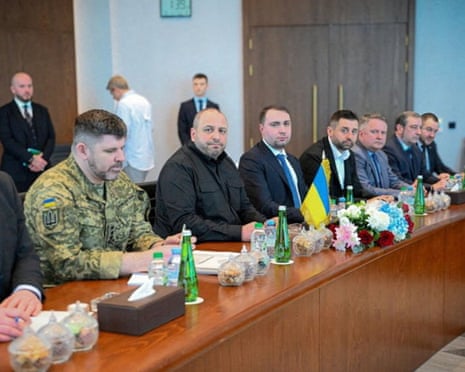
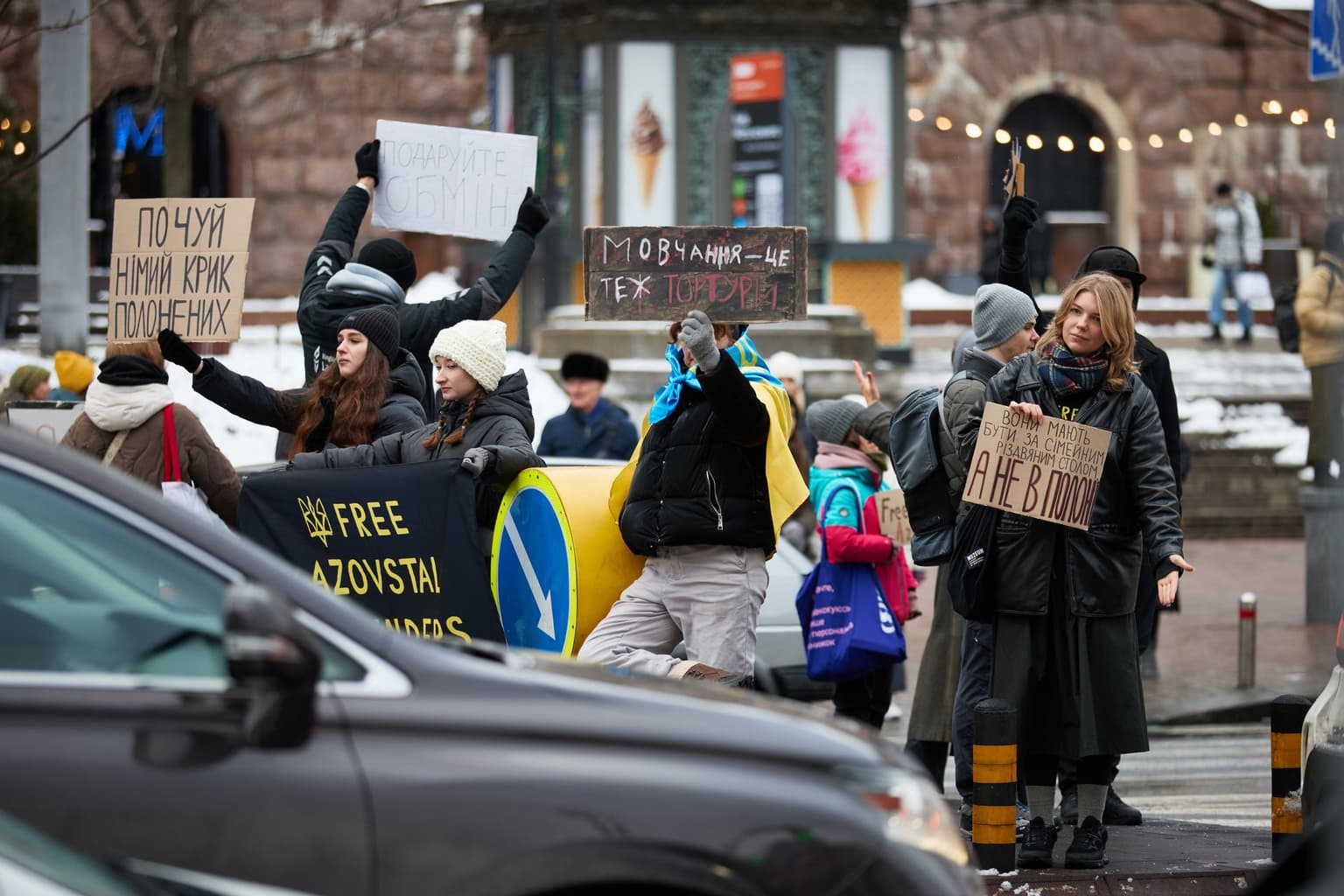
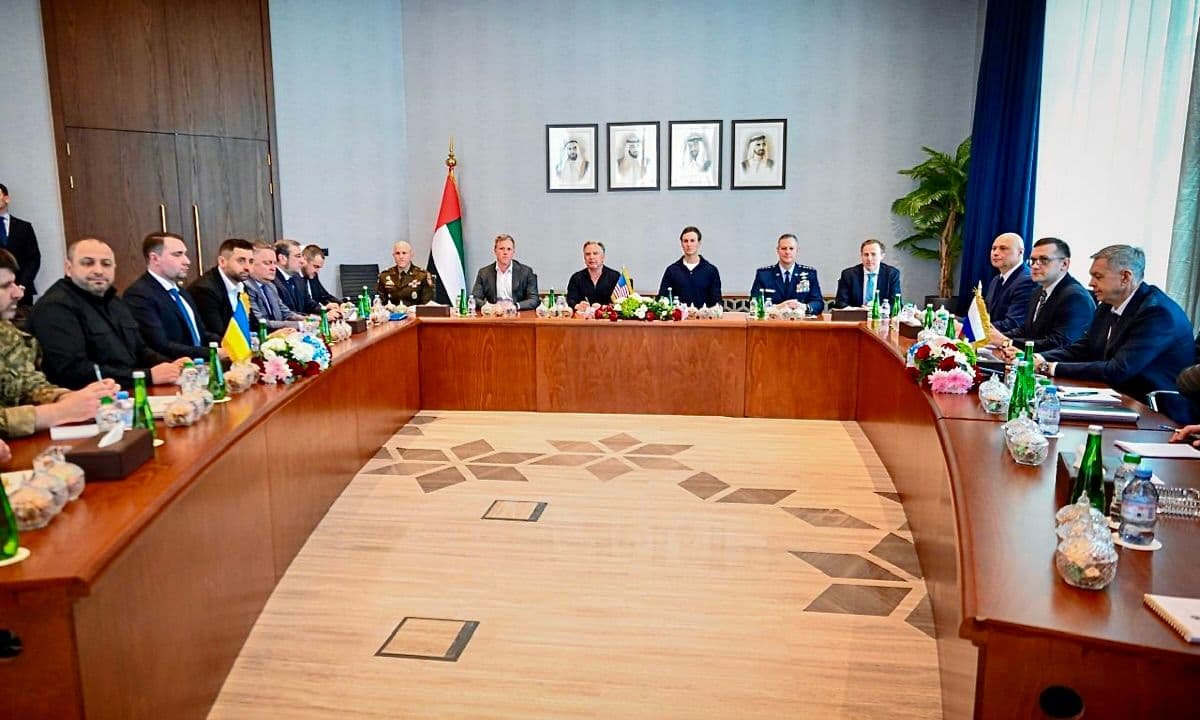
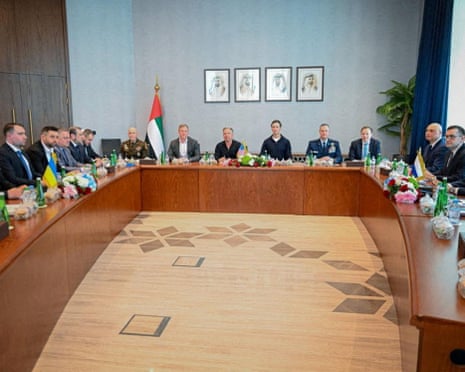
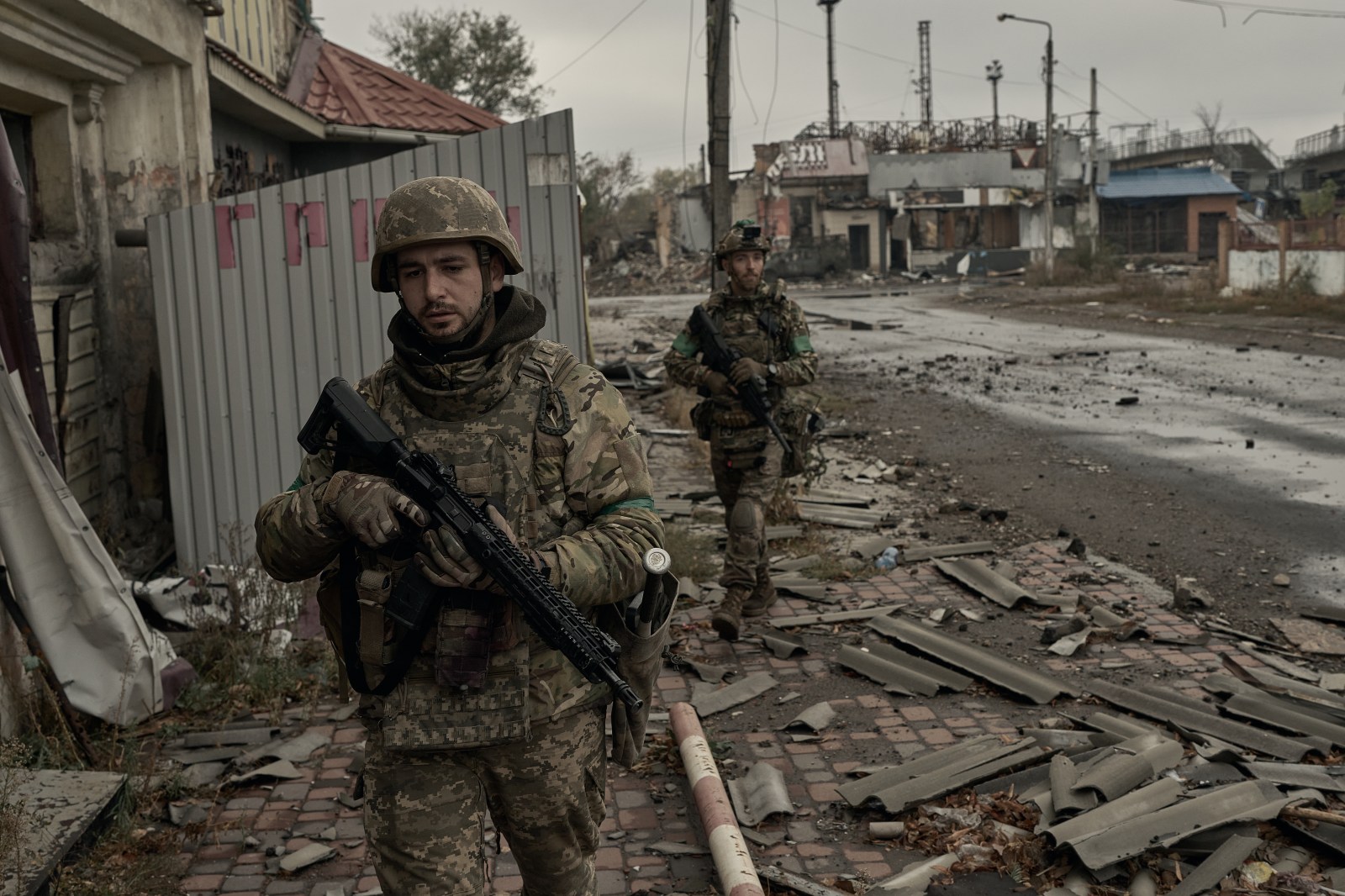
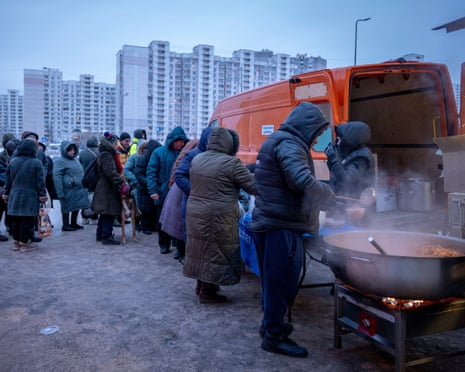
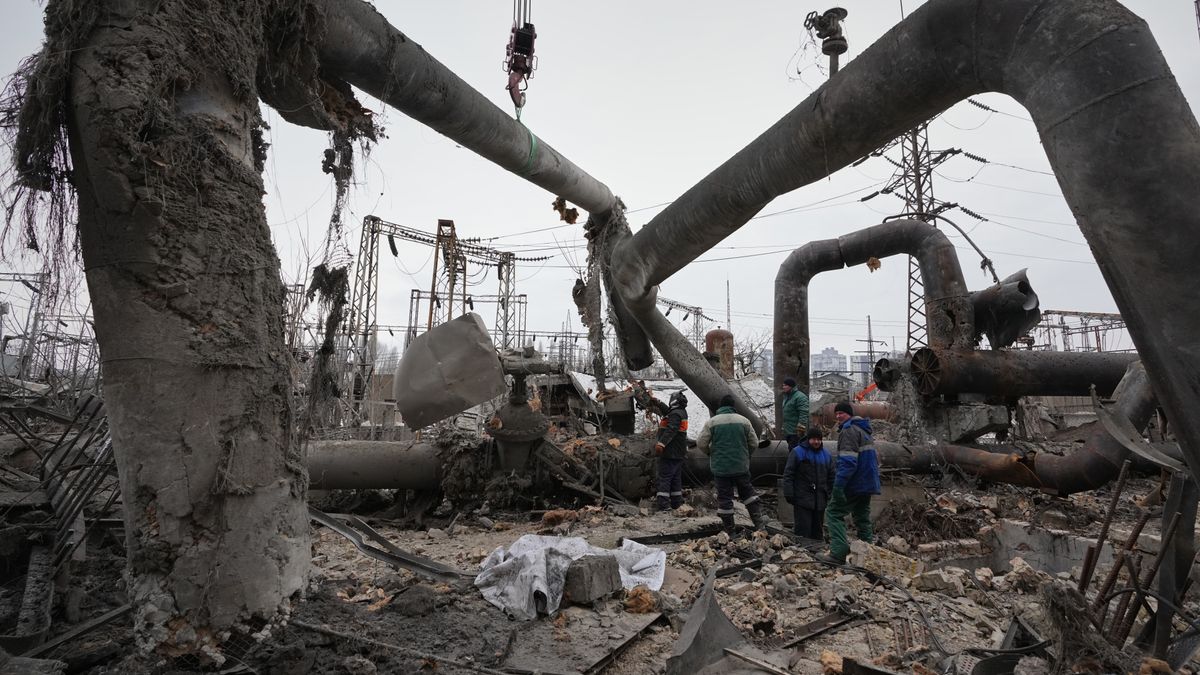
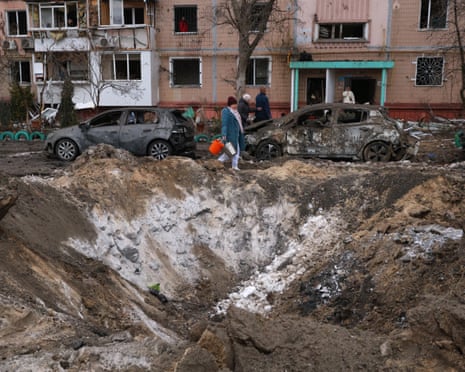
The Ukraine-Russia peace negotiations conducted in Abu Dhabi (February 4-5, 2025-2026) represent a critical inflection point for cross-border e-commerce sellers operating in or shipping to Eastern European markets. While diplomatic talks between Ukraine, Russia, and the US focus on prisoner exchanges and territorial disputes, the concurrent military operations—including 500+ drone/missile strikes across five Ukrainian regions and attacks on civilian markets—directly impact supply chain stability, logistics corridors, and market access for sellers. The negotiations' uncertain timeline and Russia's unresolved demands (complete Ukrainian withdrawal from Donetsk/Luhansk, Zaporizhzhia power station control) create prolonged operational risk for sellers with inventory, fulfillment centers, or supplier relationships in the conflict zone.
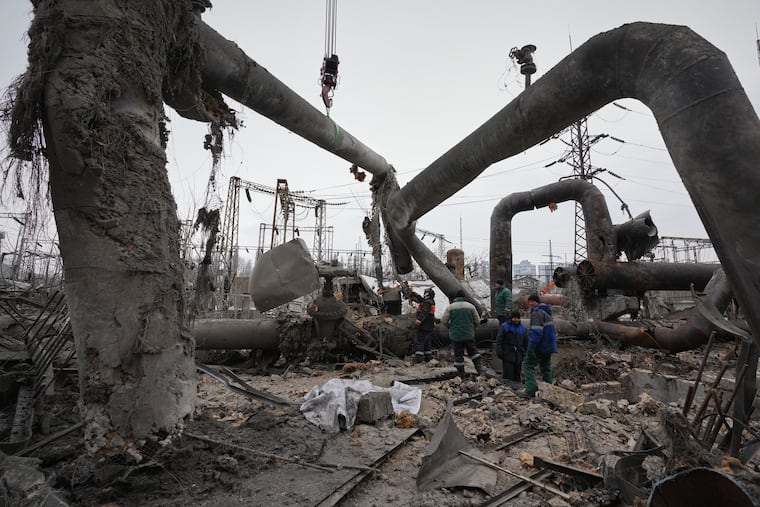
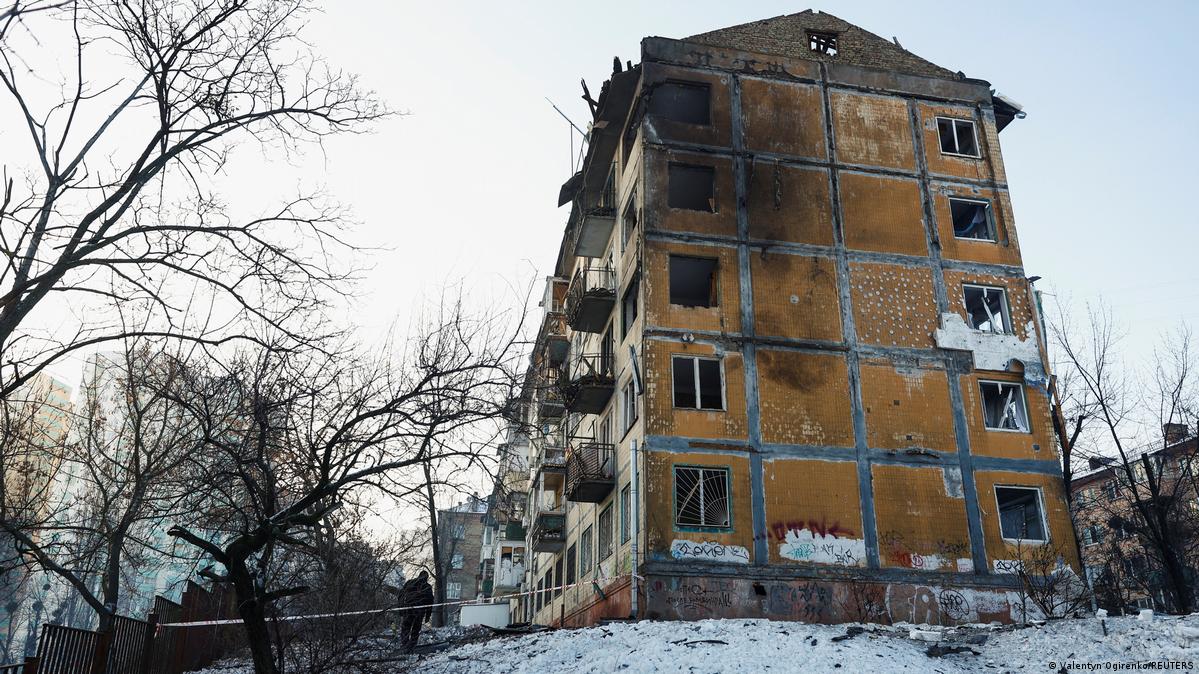
For cross-border e-commerce sellers, this geopolitical volatility translates into three immediate operational challenges: First, logistics disruption affects sellers shipping to Ukraine, Russia, or using Eastern European distribution hubs. Infrastructure damage from repeated missile strikes (71 missiles and 450 drones launched February 3 alone) degrades transportation networks, increasing shipping times by 15-25% and raising 3PL costs by 8-12% for routes through affected regions. Second, market access uncertainty impacts sellers with active operations in Ukraine or Russia—payment processing delays, customs clearance complications, and potential sanctions-related compliance issues create revenue unpredictability. Third, inventory positioning risk affects sellers holding stock in Eastern European fulfillment centers; prolonged conflict extends storage costs and increases obsolescence risk for time-sensitive categories (seasonal goods, electronics, fashion).
The negotiations' stalled progress on core issues signals extended conflict duration. Russia's demand for complete Ukrainian territorial withdrawal and control of Europe's largest nuclear facility (Zaporizhzhia) remains rejected by Ukraine, indicating peace remains "elusive" per President Zelensky's February 4 statement. This suggests sellers should plan for 6-12 month supply chain disruption rather than near-term resolution. Sellers with significant Eastern European exposure should immediately: (1) audit inventory in Ukraine/Russia warehouses and consider liquidation or rerouting to Western European hubs; (2) diversify shipping routes away from conflict zones, potentially adding 5-7 days to delivery but reducing strike risk; (3) evaluate alternative 3PL providers in Poland, Czech Republic, or Baltic states to maintain regional coverage without direct conflict-zone exposure; (4) monitor payment processor sanctions compliance, as US/EU restrictions may expand beyond current Russian banking sector limitations.
问题 8
What product categories face highest risk from Eastern European supply chain disruption?
Time-sensitive categories face maximum risk: seasonal goods (holiday items, summer apparel), perishables, electronics with short shelf life, and fashion with trend-dependent demand. These categories suffer margin compression from extended storage (8-12% monthly cost increases) and obsolescence. Conversely, durable goods (tools, industrial supplies, non-perishable consumables) tolerate longer fulfillment delays. Sellers should: (1) halt new seasonal inventory shipments to Ukraine/Russia hubs until peace talks show progress; (2) prioritize liquidation of Q1 seasonal stock (winter apparel, holiday décor) at 20-30% discount; (3) shift Q2/Q3 seasonal inventory (summer goods, back-to-school) to Western European hubs; (4) maintain durable goods in Eastern European hubs if storage costs remain manageable. Category-specific risk: electronics (15-20% margin compression from 30-day delays), fashion (25-30% obsolescence risk for trend-dependent items), consumables (5-10% risk, minimal time sensitivity).
How should I adjust my Amazon FBA strategy for Eastern European markets during conflict?
Amazon Seller Central offers regional fulfillment options—sellers should immediately audit FBA inventory allocation across European fulfillment centers. For Eastern European market access, shift from Ukraine/Russia-based FBA to Western European hubs (Poland, Czech Republic, Germany) with cross-border fulfillment. This increases delivery times by 2-3 days but eliminates infrastructure risk. Specific actions: (1) In Seller Central, review 'Inventory' dashboard and identify units in at-risk locations; (2) use 'Removal Orders' to reroute inventory to stable hubs (Warsaw, Prague, Berlin FCs) within 30 days; (3) adjust FBA fees—Western European hubs charge 8-12% higher storage ($0.70-1.00/unit vs. $0.50-0.80 in Ukraine), but eliminate delay/damage risk; (4) monitor 'Inventory Performance Index' (IPI)—infrastructure delays may lower IPI scores, triggering storage limits. Plan for 15-25% fulfillment time increase; adjust product listings to reflect longer delivery windows to maintain customer satisfaction.