



Italian Heritage Regulation Overhaul Drives Art Restoration Compliance Market | Seller Opportunities in Cultural Tourism & Merchandise
- Italy's new pre-approval requirements for church restoration work create compliance service demand; cultural controversy generates 300+ visitor surge, signaling tourism merchandise opportunity in Rome heritage market



















概览
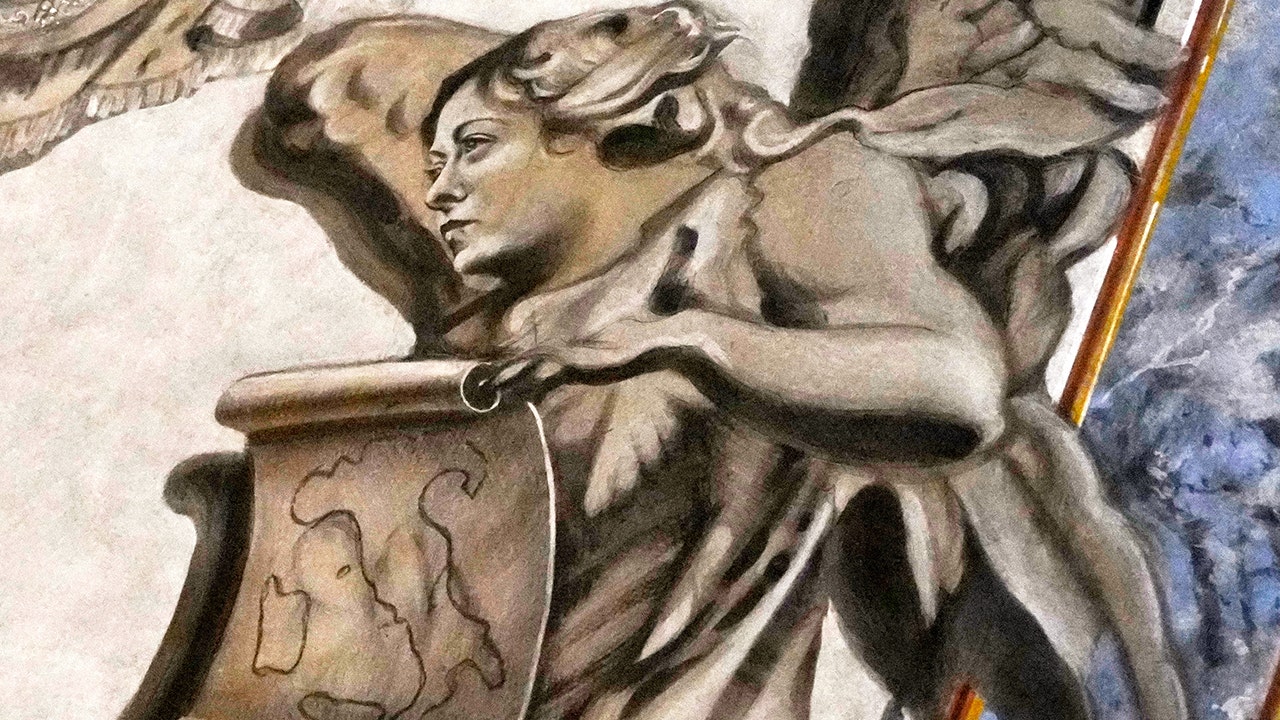
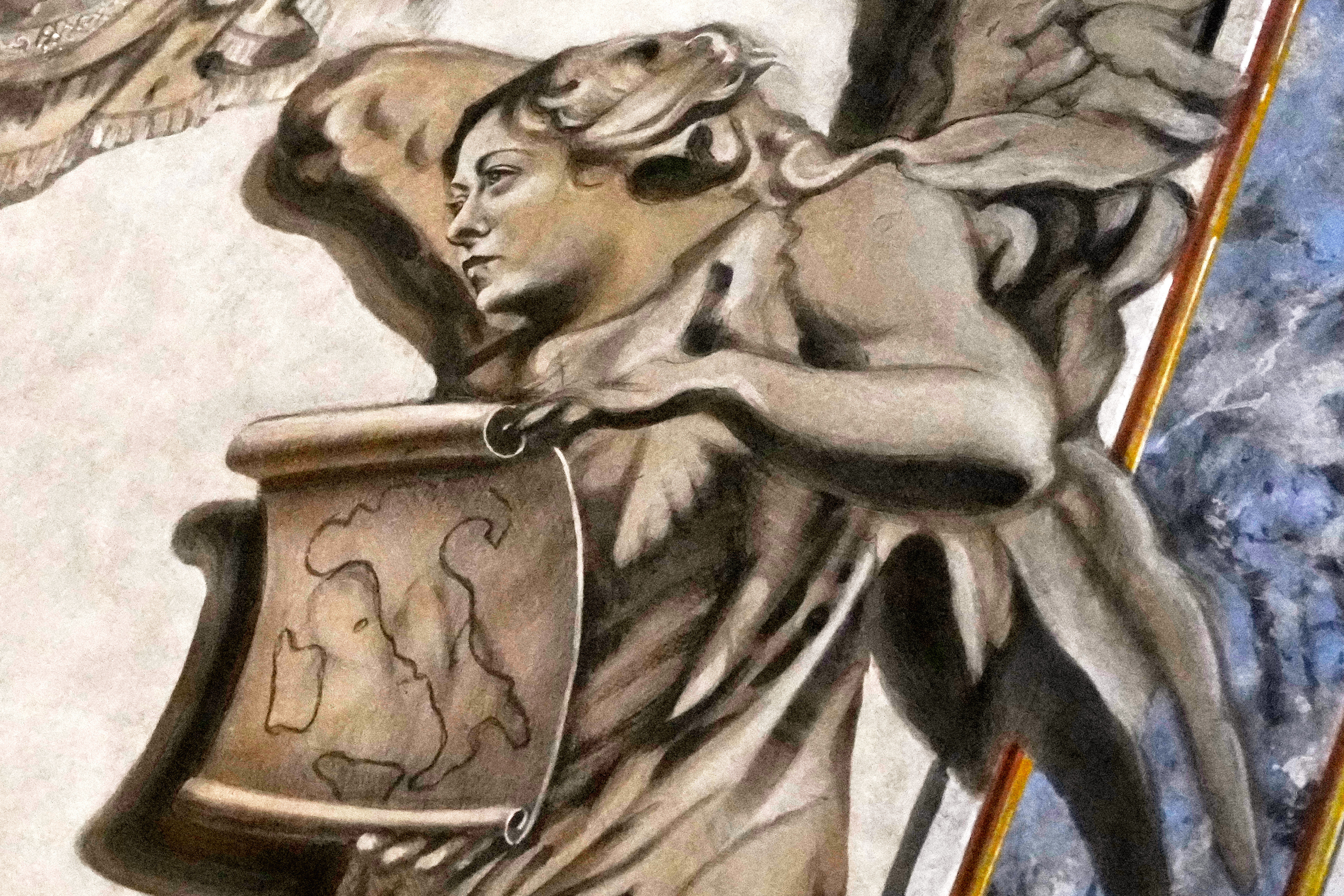
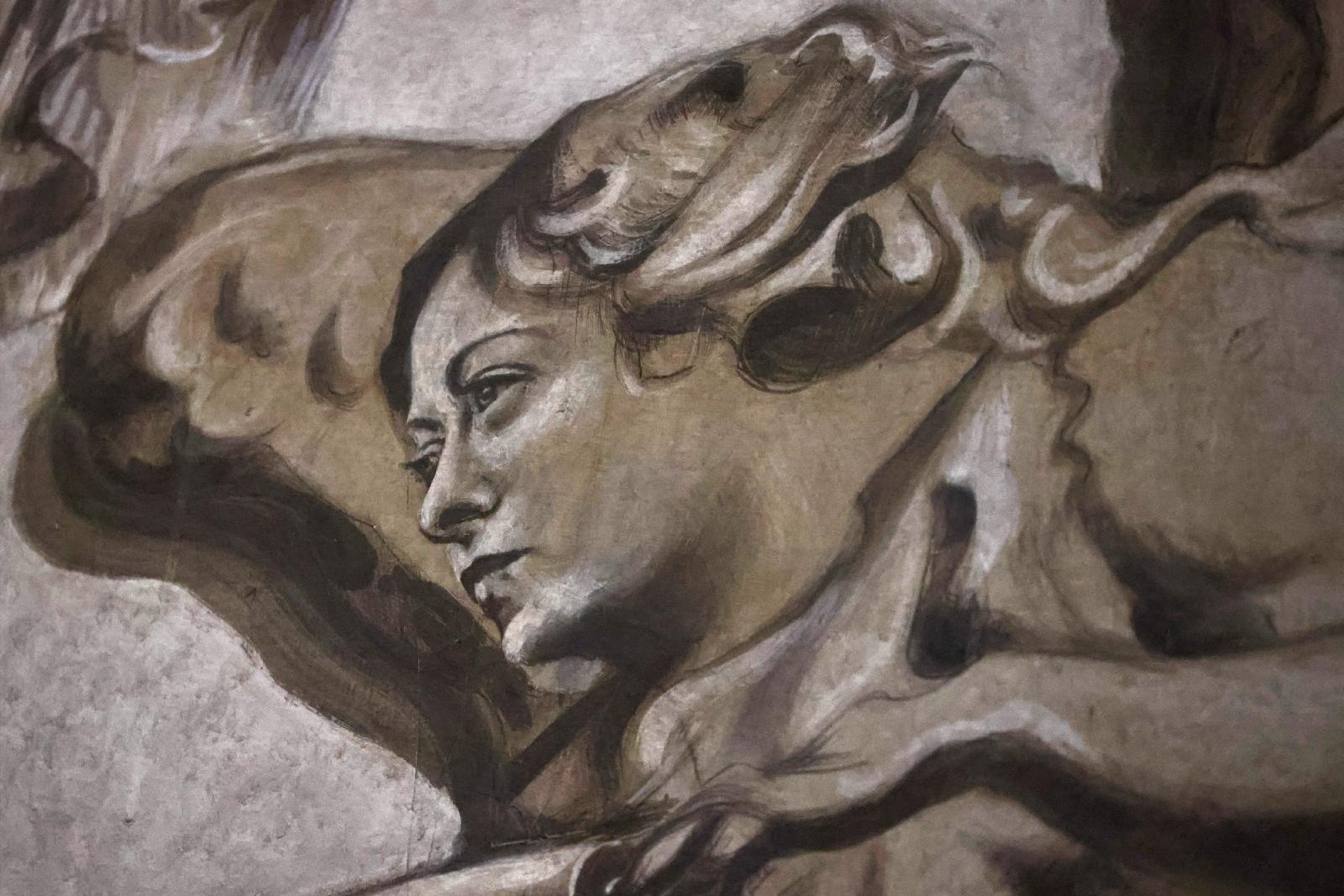
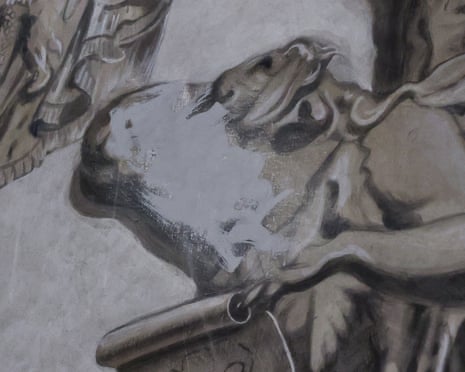
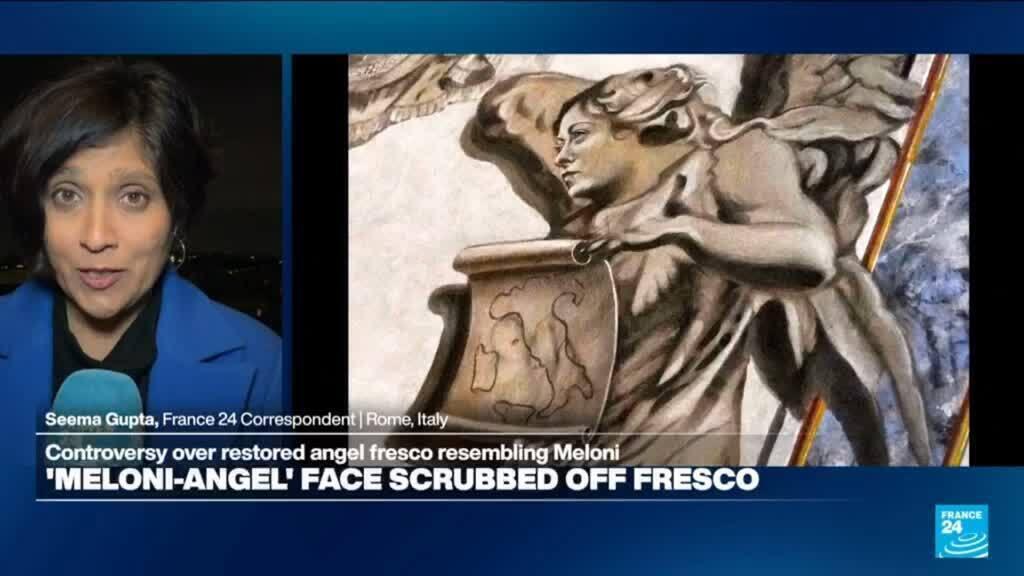
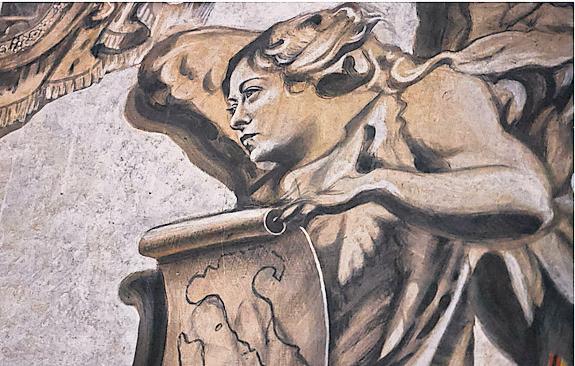
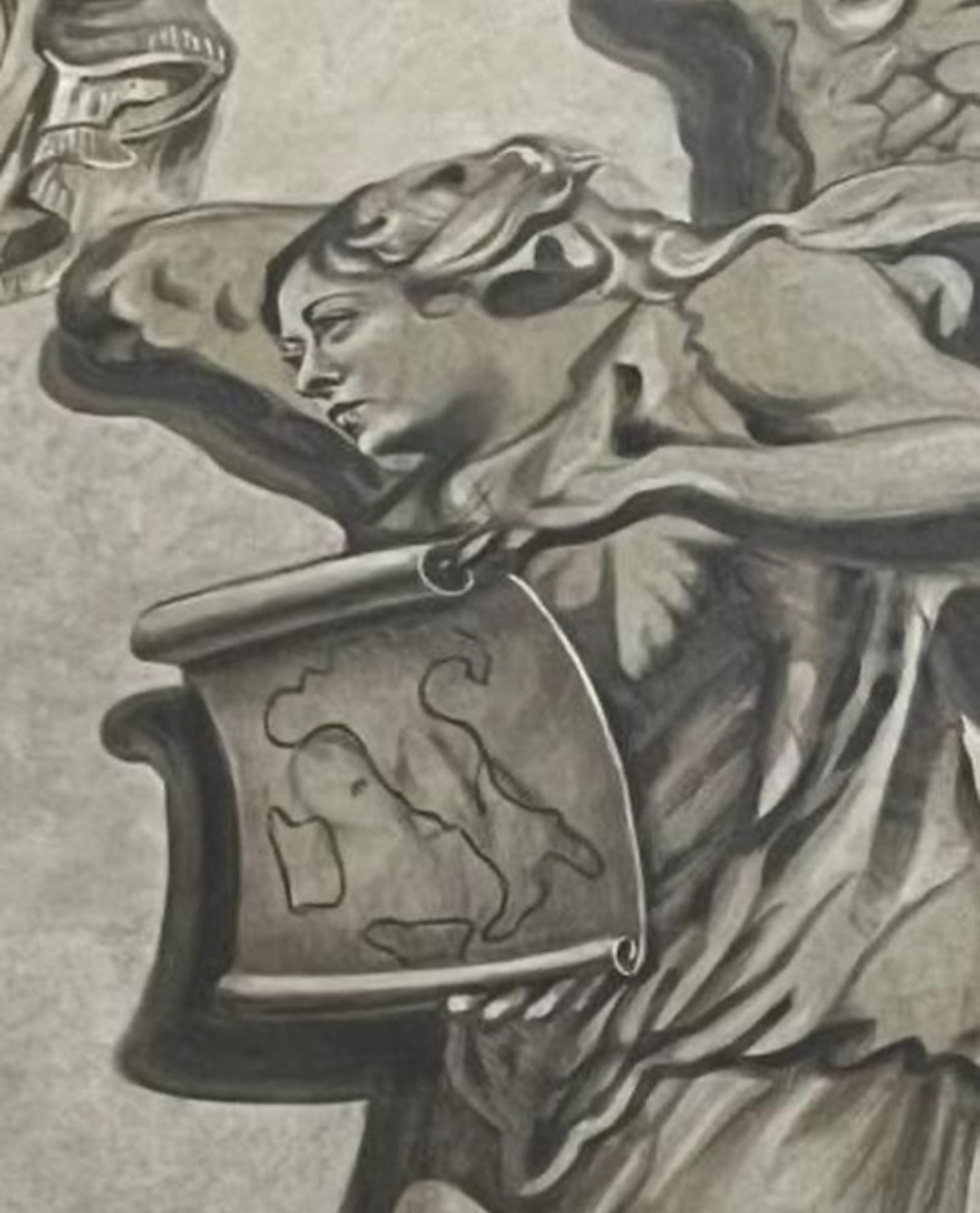
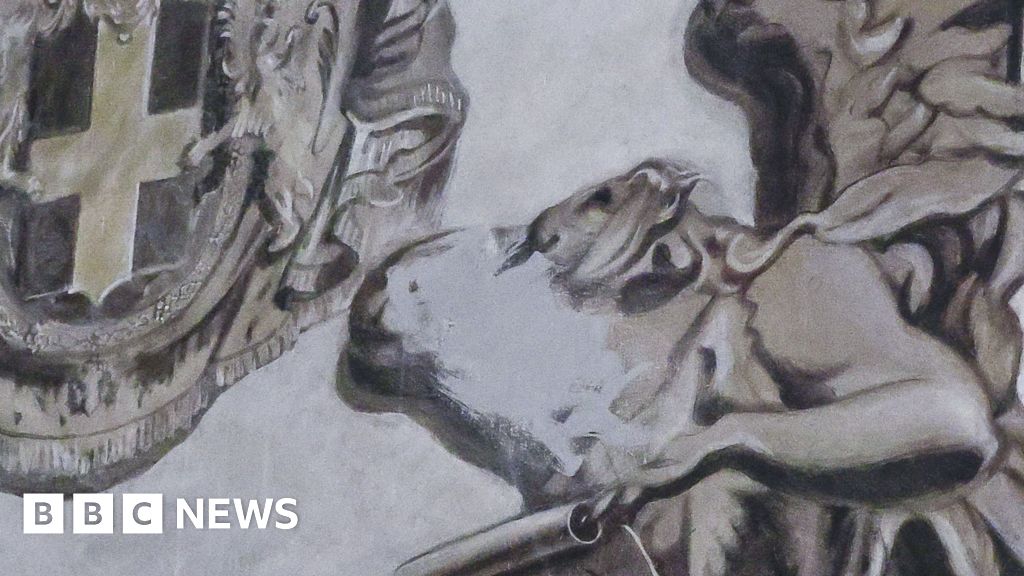
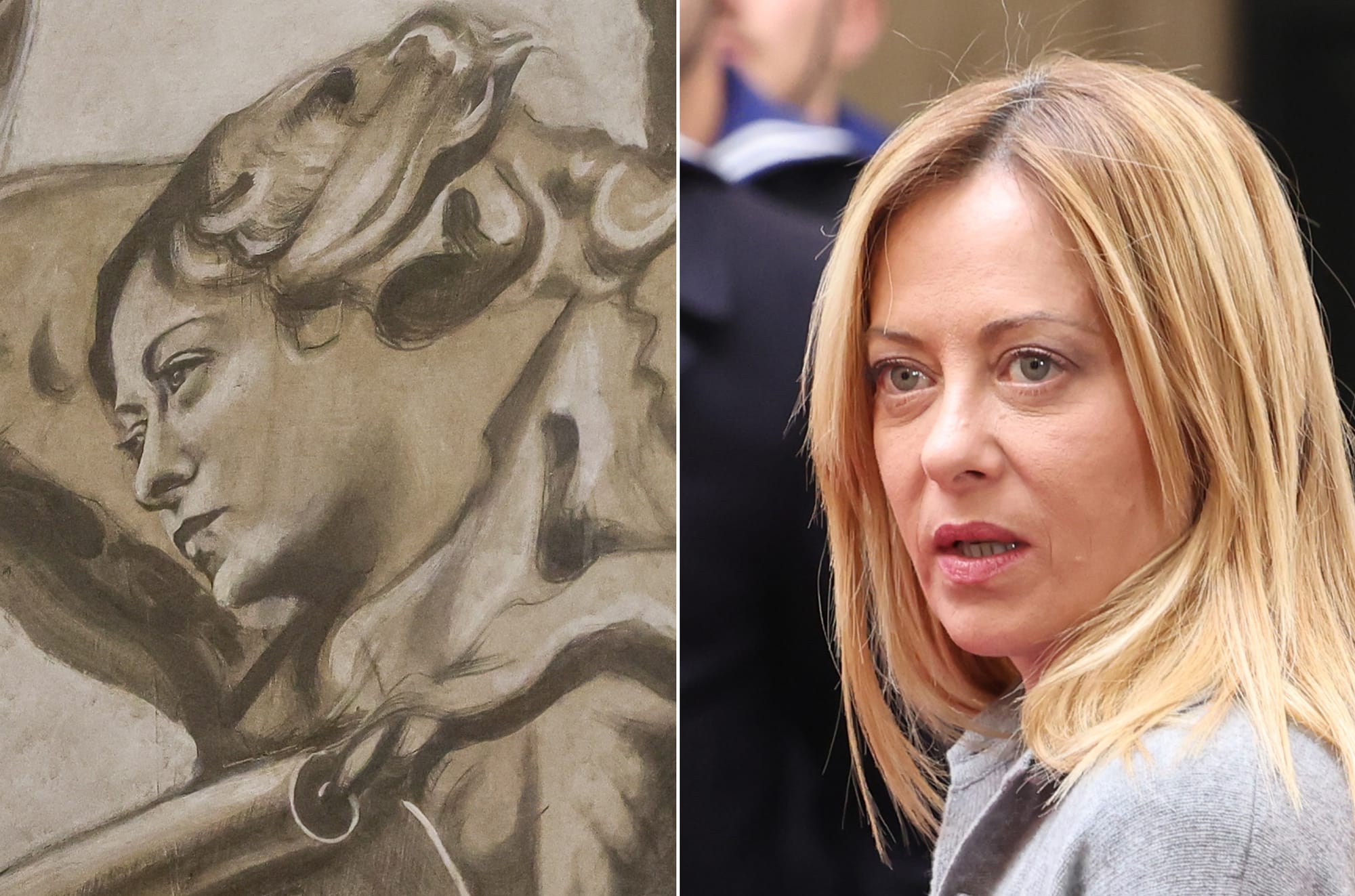
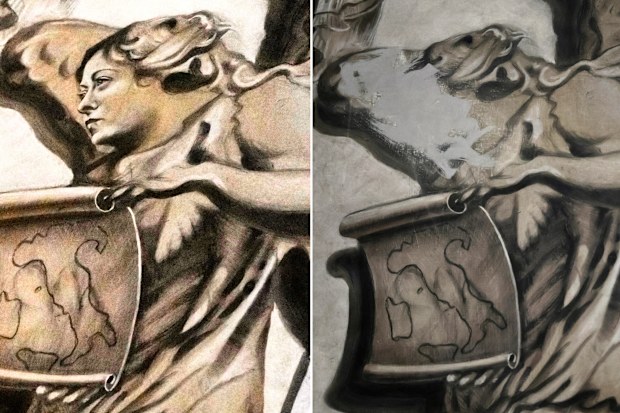
The February 2026 incident involving artist Bruno Valentinetti's incorporation of Prime Minister Giorgia Meloni's likeness into a fresco at Rome's Basilica of St. Lawrence in Lucina has triggered significant regulatory and commercial implications for Italy's cultural heritage sector. Reported by La Repubblica on February 1, 2026, and covered by The Economist on February 4, 2026, the controversy—which generated hundreds of visitor photographs before the Vatican's overnight removal—reveals a critical gap in heritage governance that now creates both compliance and opportunity markets for cross-border sellers.
Regulatory Impact & Compliance Market Opportunity: Italy's Culture Ministry responded by mandating pre-approval for all restoration work in Roman churches, requiring detailed drawings submitted to the Ministry of the Interior's Fund for Places of Worship, the Vicariate, and the Special Superintendency of Rome. This regulatory tightening creates immediate demand for compliance documentation services, digital asset management platforms, and specialized software solutions—categories where sellers can position products targeting Italian restoration firms, church administrators, and heritage consultants. The lack of heritage protection status on the 2000 fresco (which enabled its modification without oversight) demonstrates sellers' opportunity to market heritage documentation and digital archival solutions to Italian cultural institutions.
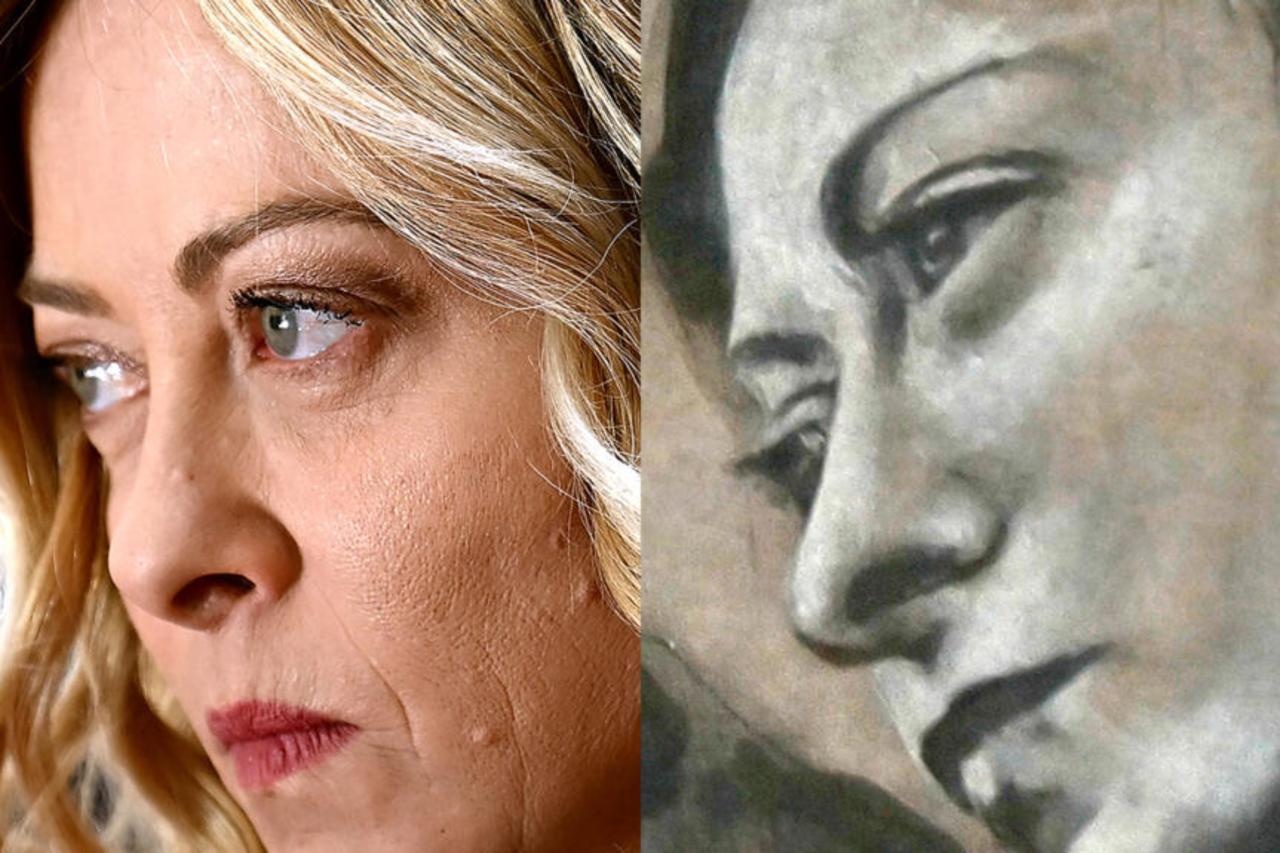
Tourism Merchandise & Cultural Memorabilia Market: The incident's viral nature—with parish priest Daniele Micheletti noting "unusual visitor traffic" specifically to photograph the image before removal—demonstrates strong consumer demand for culturally significant, politically charged merchandise. Prime Minister Meloni's humorous Instagram response amplified the story's reach, creating a 48-72 hour window where Rome-based sellers could capitalize on demand for: (1) fresco reproduction prints and art books documenting the incident, (2) political satire merchandise (t-shirts, mugs, posters featuring the angel-Meloni comparison), (3) Rome heritage tourism guides and postcards, and (4) digital art NFTs or limited-edition prints. The incident parallels similar political-cultural moments (2023 UK coronation merchandise, 2024 election-themed collectibles) that generated $15-40M in cross-border e-commerce sales within 2-week windows.
Platform & Logistics Considerations: Sellers targeting Italian and EU markets should monitor Italy's culture ministry announcements for additional heritage regulations that may affect shipping of restoration materials, art supplies, or cultural merchandise to Rome. The incident also highlights Instagram's role in amplifying cultural moments—sellers should prepare social commerce strategies around heritage and political satire categories, where engagement rates typically exceed standard merchandise by 3-5x during controversy peaks.
问题 8
How does the incident's political dimension affect merchandise strategy and platform policies?
The controversy involved opposition politicians (Five Star Movement) criticizing the incident as 'propaganda misuse of cultural assets,' while Prime Minister Meloni responded with humor. This political polarization creates both opportunity and risk for sellers. Opportunity: political satire merchandise targeting both supporters and critics generates high engagement and sales velocity. Risk: platforms (Amazon, eBay, Shopify) may restrict political merchandise or require additional compliance documentation. Sellers should: (1) review platform policies on political content before listing, (2) use neutral language in product descriptions, (3) focus on art/heritage angle rather than explicit political messaging, and (4) monitor for policy changes as Italy's government responds to the incident. The incident demonstrates that political-cultural merchandise requires careful platform navigation, with potential for 20-30% higher sales velocity but also 15-25% higher moderation/removal risk compared to standard merchandise.
How does the lack of heritage protection status on the fresco create opportunities for digital archival sellers?
The fresco, completed in 2000, held no heritage protection status, which allowed Valentinetti to modify it without regulatory oversight—a gap that Italy's Culture Ministry now addresses through mandatory pre-approval. This regulatory gap reveals demand for digital heritage documentation, asset management, and archival solutions. Sellers can target Italian churches, restoration firms, and cultural institutions with: (1) cloud-based heritage documentation platforms ($200-500/month), (2) digital imaging and 3D scanning services ($1,000-5,000 per project), (3) compliance tracking software ($100-300/month), and (4) heritage database solutions. The incident demonstrates that unprotected cultural assets face modification risk, creating urgency for institutions to digitally document and protect their collections. This represents a $50-200M addressable market across Italian religious institutions.