



Federal AV Safety Standards 2026 | Compliance Barriers Create $2B Logistics Opportunity
- Senate hearing (Feb 4, 2026) signals imminent federal autonomous vehicle regulations; sellers in logistics, last-mile delivery, and automotive tech face new compliance requirements; standardized safety mandates will eliminate non-compliant operators and create market consolidation














概览
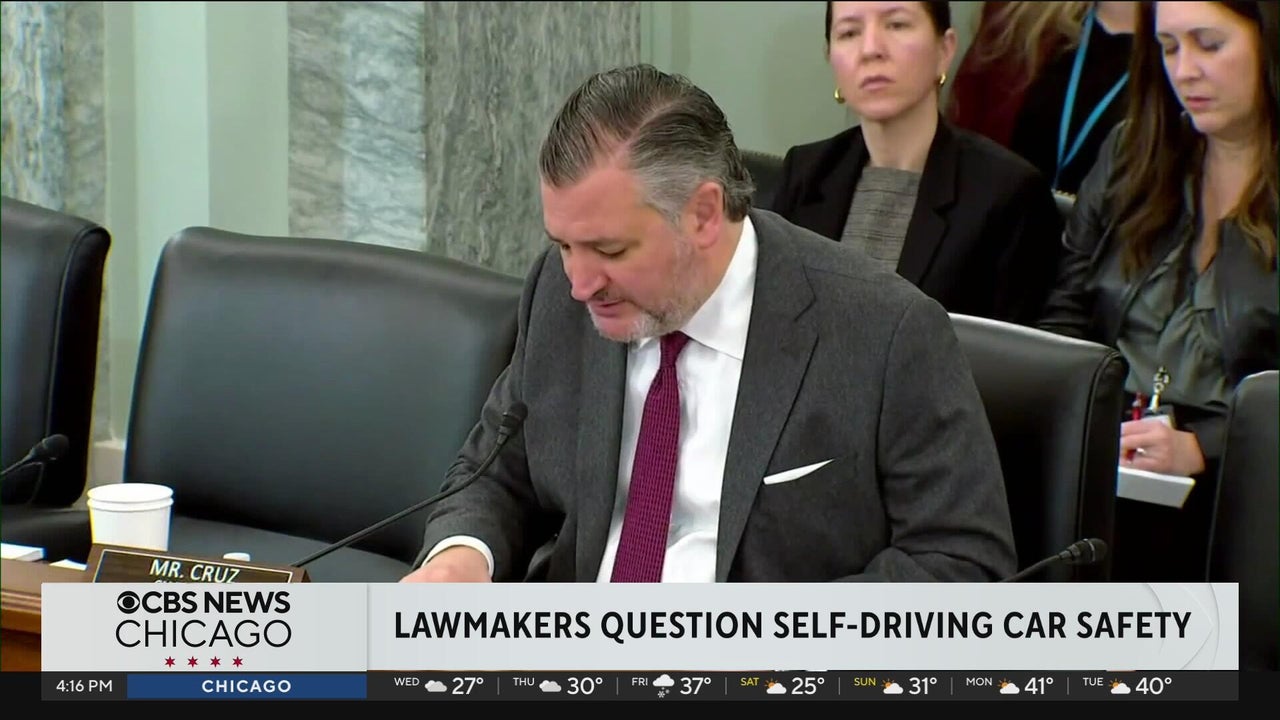
The February 4, 2026 Senate Commerce Committee hearing on autonomous vehicles represents a critical regulatory inflection point for cross-border e-commerce sellers, particularly those operating in logistics, supply chain automation, and last-mile delivery. Tesla and Waymo executives testified before Congress, with lawmakers expressing stark skepticism about Tesla's camera-only approach and demanding a unified national regulatory framework to replace fragmented state-by-state regulations. This testimony signals that federal AV safety standards are imminent—likely within 12-18 months—creating both compliance barriers and competitive moats for prepared sellers.
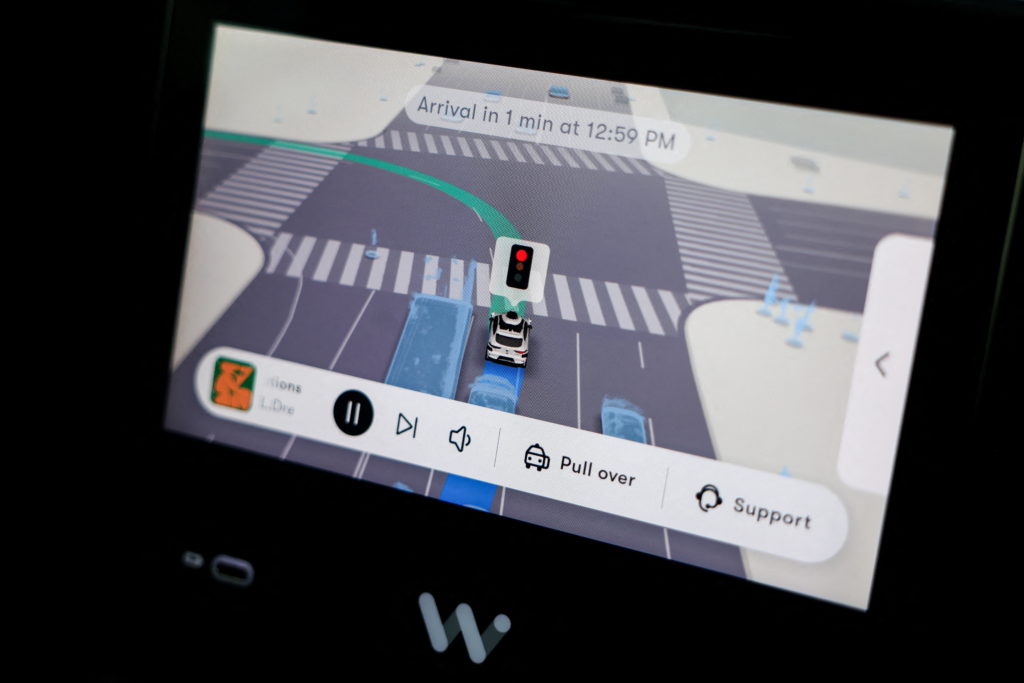
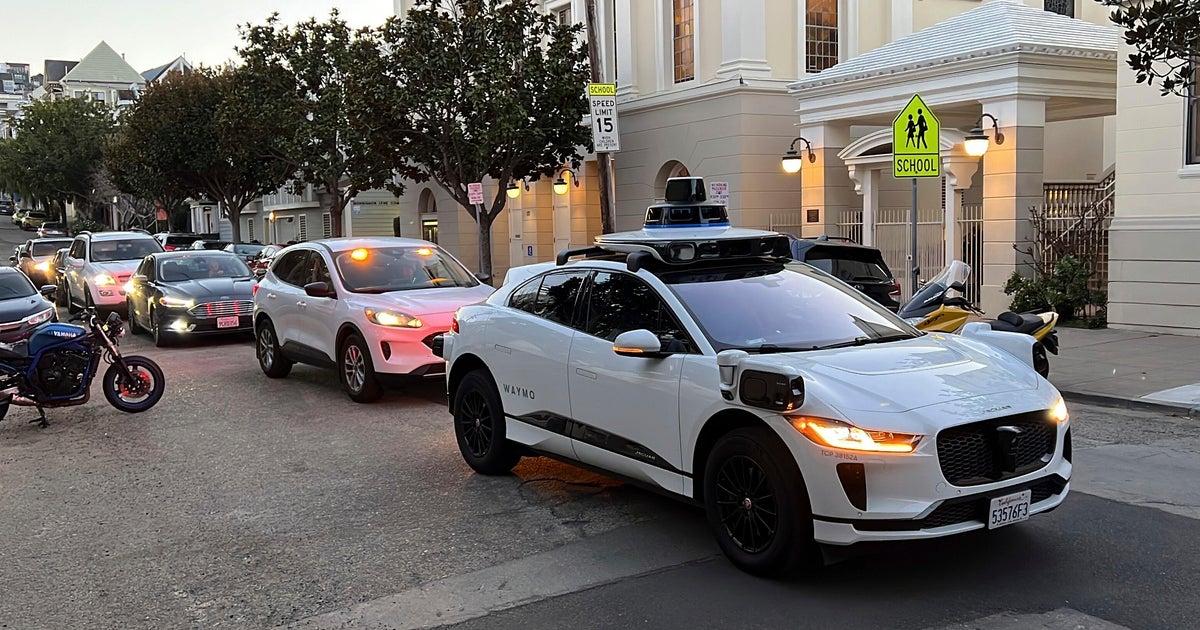
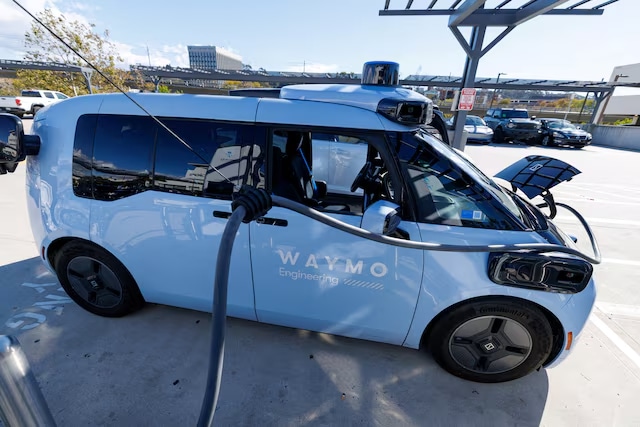
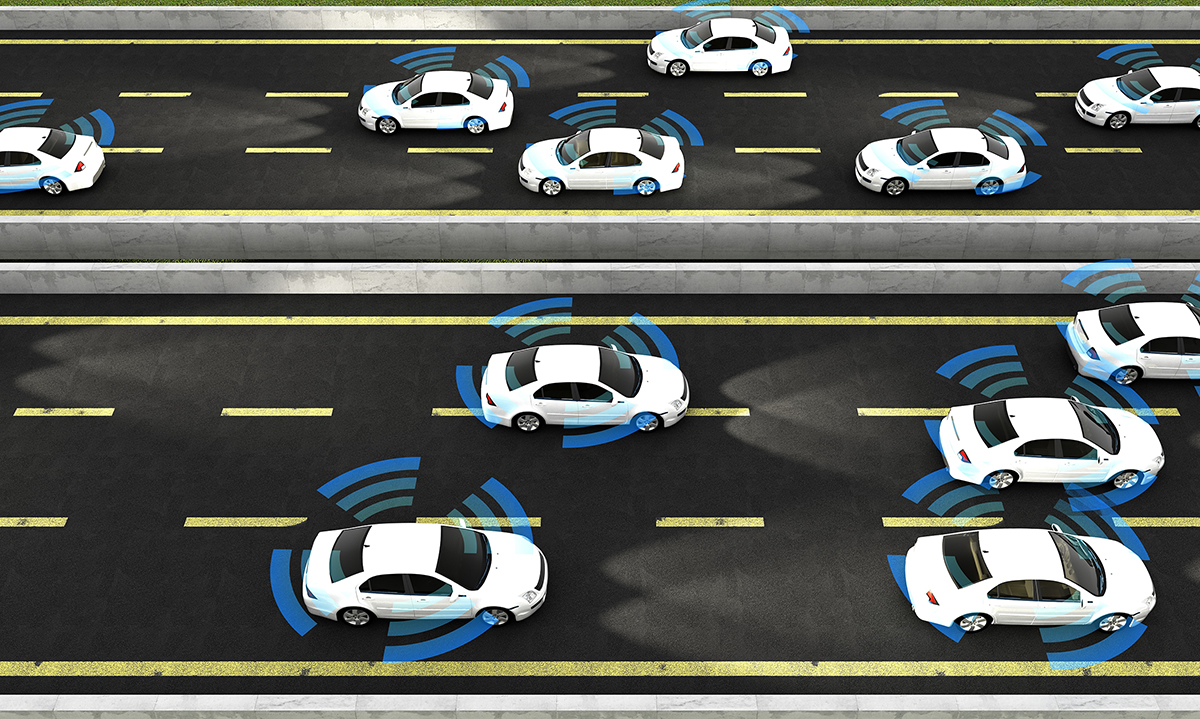
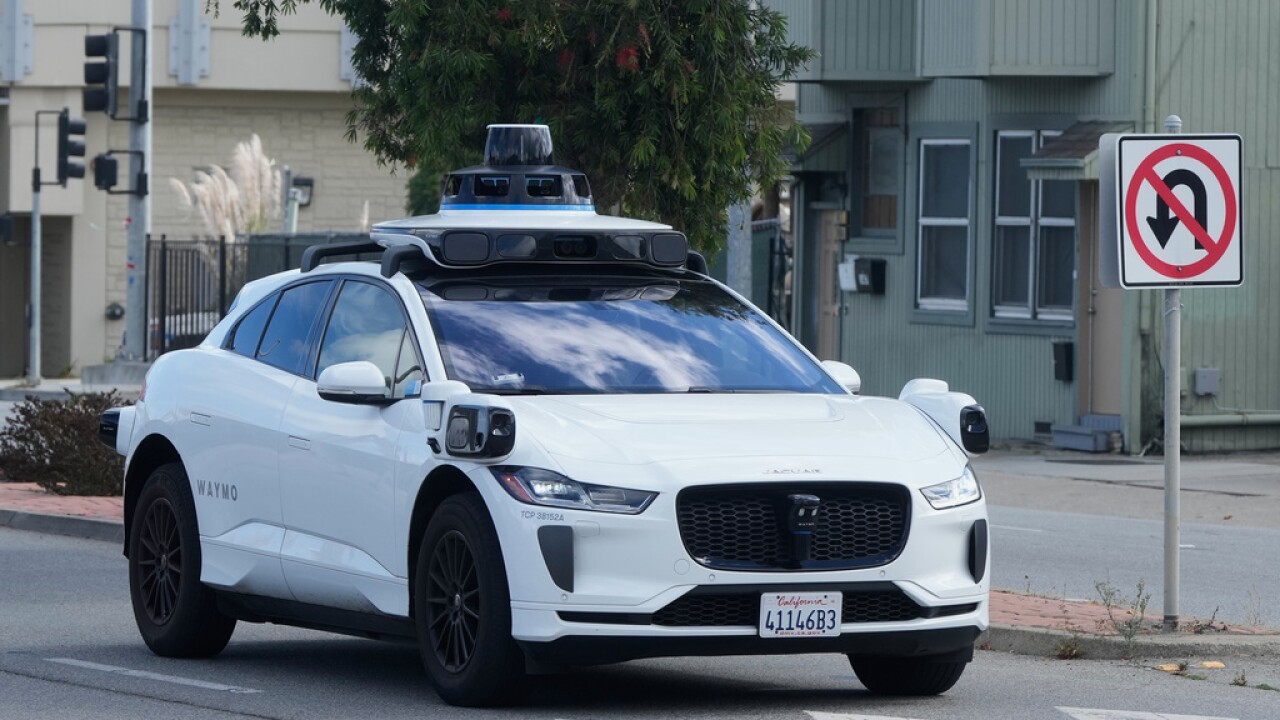
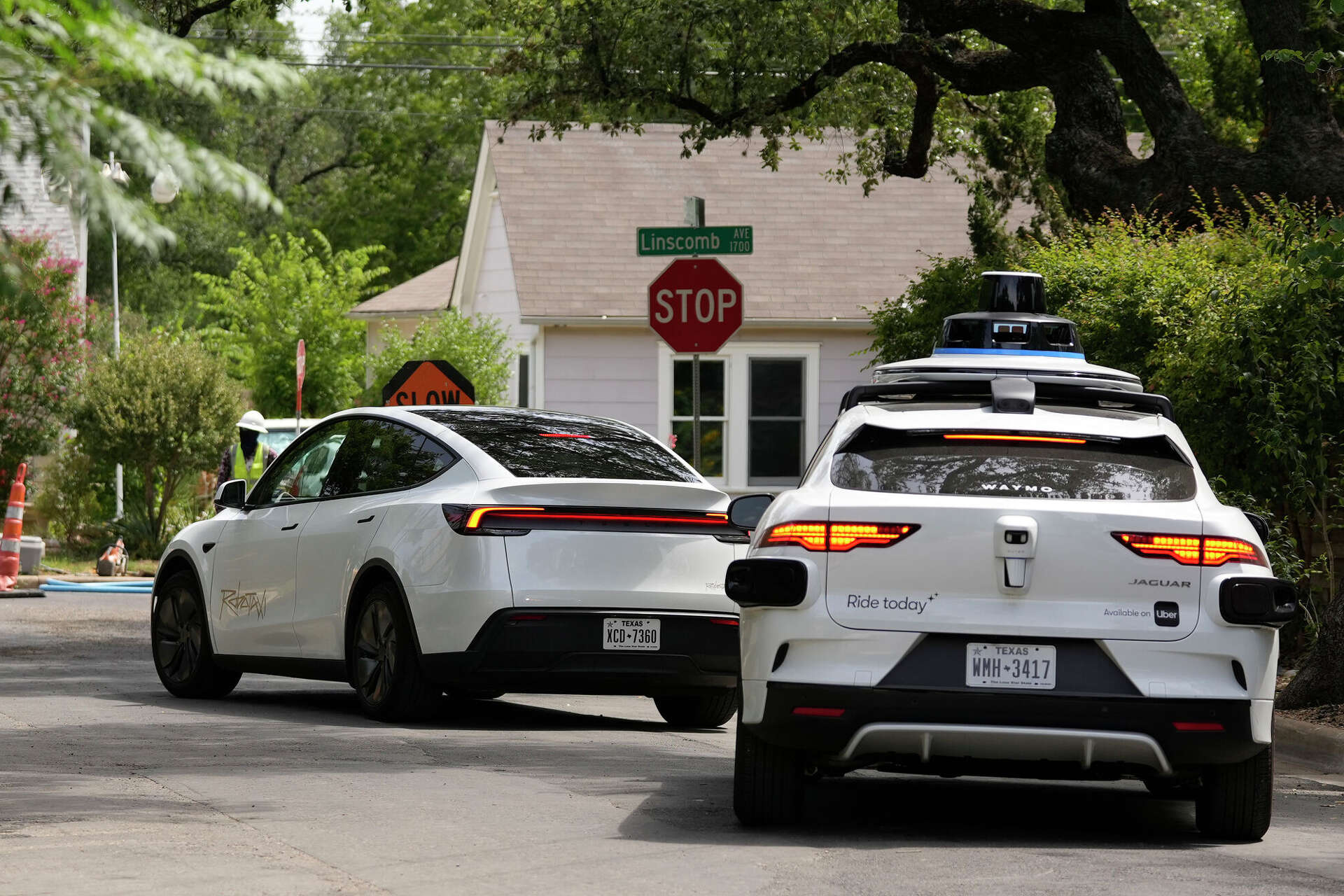
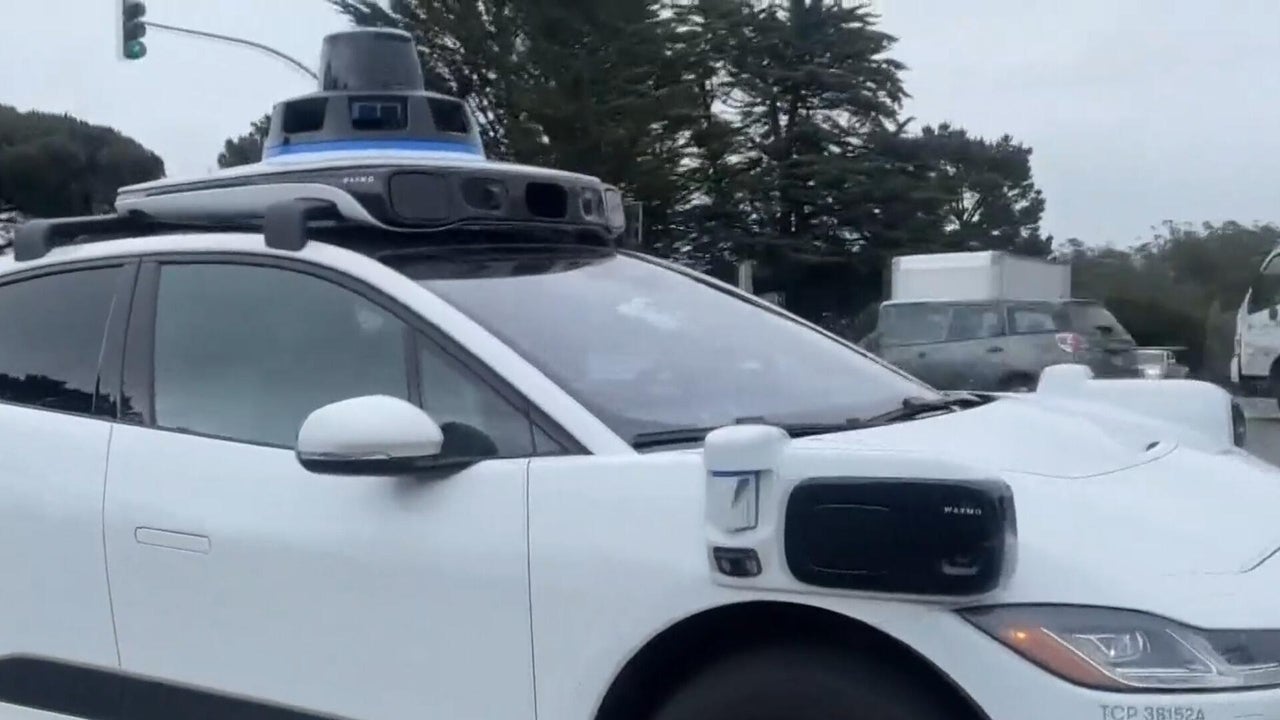
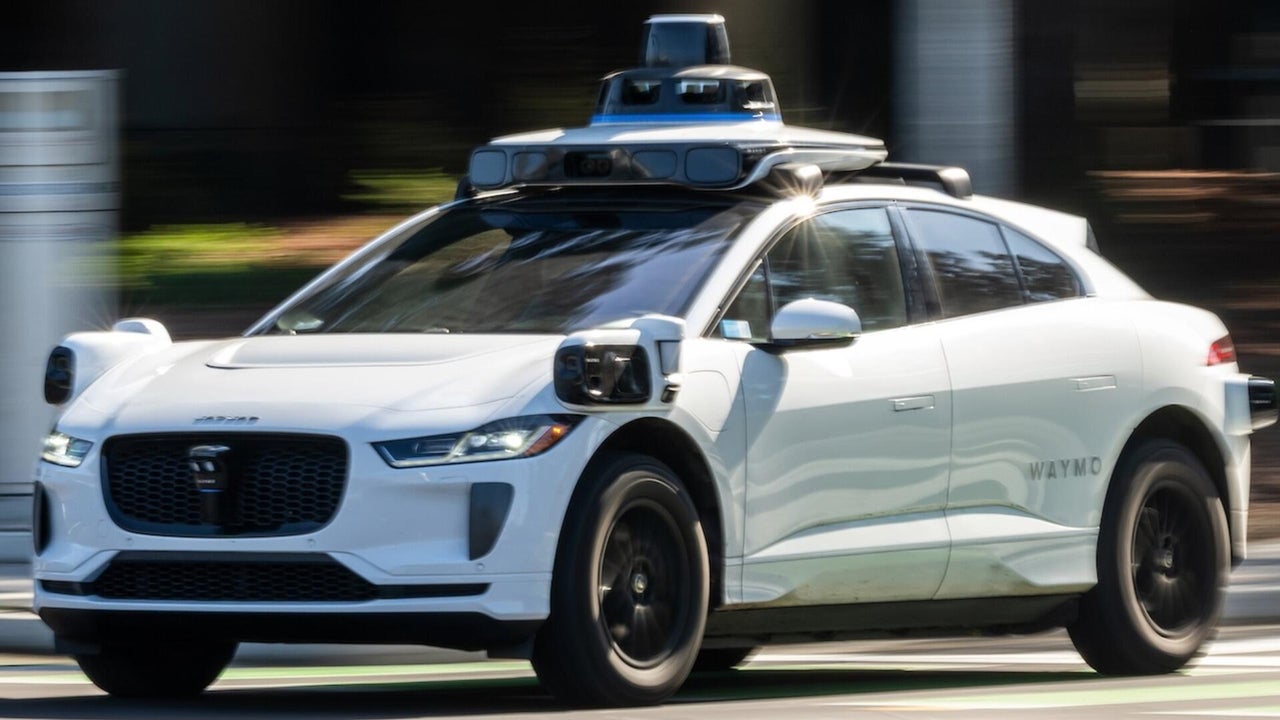
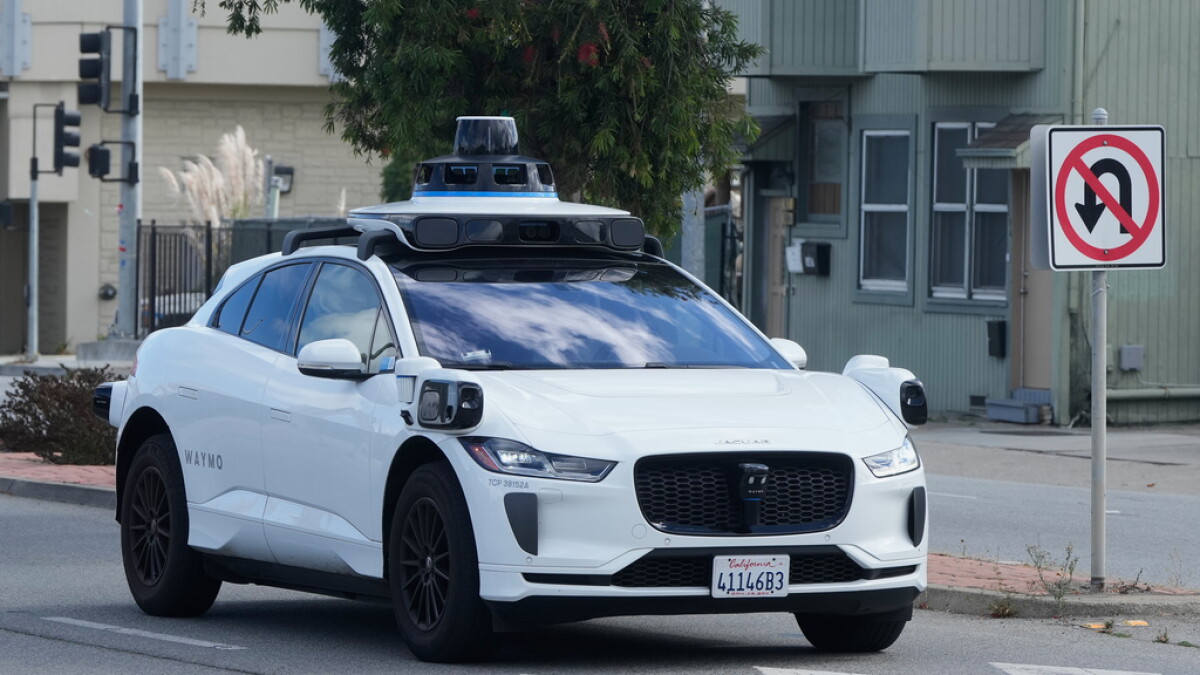
Compliance Barriers Creating Market Consolidation: The hearing revealed fundamental technological divides that will become regulatory requirements. Senators emphasized confidence in redundant sensor systems (lidar + radar) and geofenced operational domains with pre-mapped safe zones—exactly Waymo's approach. Tesla's camera-only vision and unrestricted road availability faced severe criticism, with Senator Markey citing "dozens of deaths" and calling the "Full Self-Driving" label "misleading." This indicates future federal standards will likely mandate: (1) redundant sensor requirements, (2) operational design domain restrictions, (3) driver-monitoring systems that cannot be circumvented, and (4) stricter liability frameworks. Estimated compliance cost: $50,000-150,000 per autonomous vehicle fleet, creating a 40-60% elimination rate among non-compliant last-mile delivery operators currently operating with minimal safety infrastructure.
E-Commerce Seller Implications Across Three Segments: (1) Logistics & 3PL Sellers: Companies operating autonomous delivery fleets (estimated 2,000-3,500 active operators in US) will face mandatory technology upgrades. Compliance timeline: 18-24 months post-regulation. Cost impact: $2-4M per mid-size fleet (50-100 vehicles). Sellers who achieve early compliance will capture market share from non-compliant competitors. (2) Automotive & Sensor Component Sellers: Demand for lidar sensors, redundant camera systems, and driver-monitoring hardware will surge. Lidar component suppliers currently serve ~15,000 vehicles annually; federal mandates could drive this to 500,000+ vehicles within 3 years. (3) Last-Mile Delivery Sellers: Amazon, Walmart, and DoorDash competitors using autonomous delivery will face operational restrictions (geofenced zones only), reducing service areas by 30-50% initially. This creates opportunity for hybrid human-autonomous models and regional logistics partnerships.
Regulatory Enforcement & Timeline: The hearing's intensity—with multiple senators citing safety data and expressing skepticism of Tesla's claims—indicates Congress will prioritize AV regulation in 2026-2027. Expected regulatory pathway: NHTSA (National Highway Traffic Safety Administration) will issue proposed rules by Q3 2026, with 60-90 day comment period, final rules by Q1 2027. Compliance deadline: likely 18-24 months post-final rule (Q3 2028-Q1 2029). Non-compliance penalties: estimated $10,000-50,000 per vehicle per violation, plus operational suspension in federal commerce zones. The competitive framing against China (executives emphasized "outpacing China in AV development") suggests potential trade policy implications—tariffs on non-compliant foreign AV components or preferential treatment for US-compliant systems.
问题 8
Which product categories will see demand surge from AV compliance requirements?
Lidar sensor suppliers will see the most dramatic growth: current annual demand ~15,000 units will surge to 500,000+ units within 3 years post-regulation. Redundant camera systems, driver-monitoring hardware, and geofencing software will also see 300-400% demand increases. Sellers in automotive components, electronics, and logistics technology should prepare inventory and supplier relationships now. Lidar component margins typically range 25-35%, making this a high-value category. Certification and testing services for AV compliance will also become critical service gaps.
How does Tesla's camera-only approach affect seller compliance strategies?
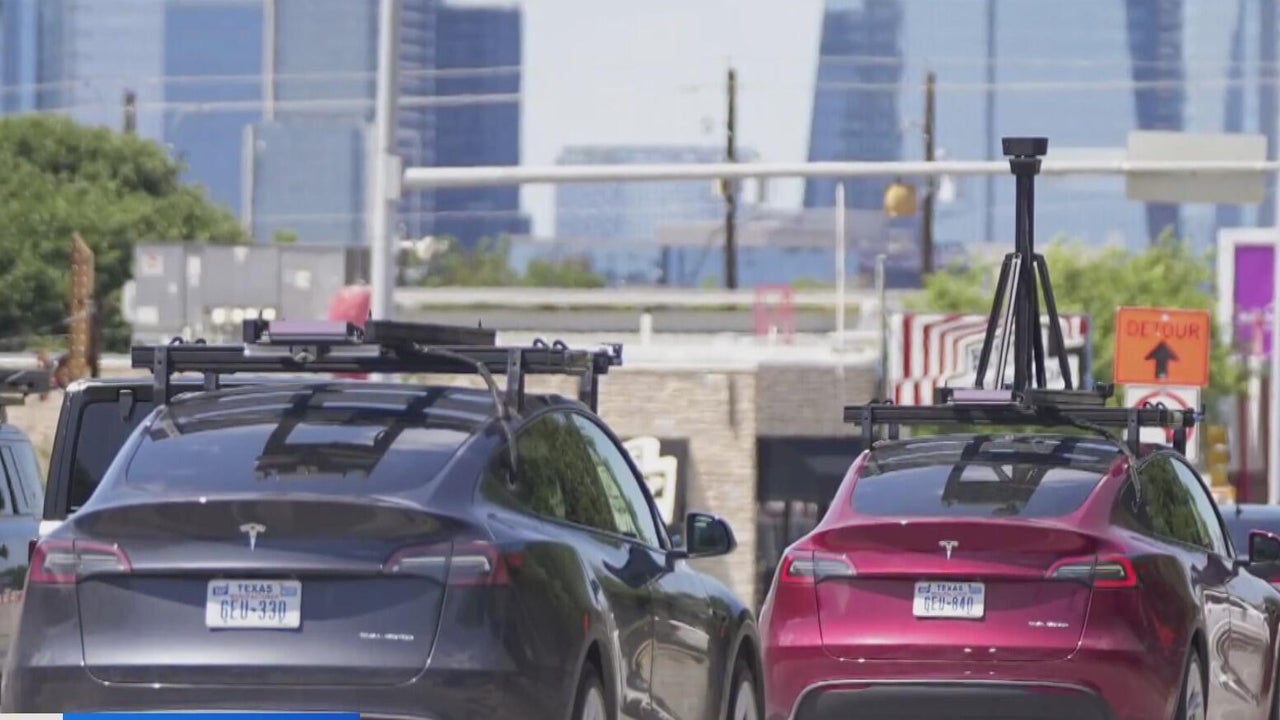
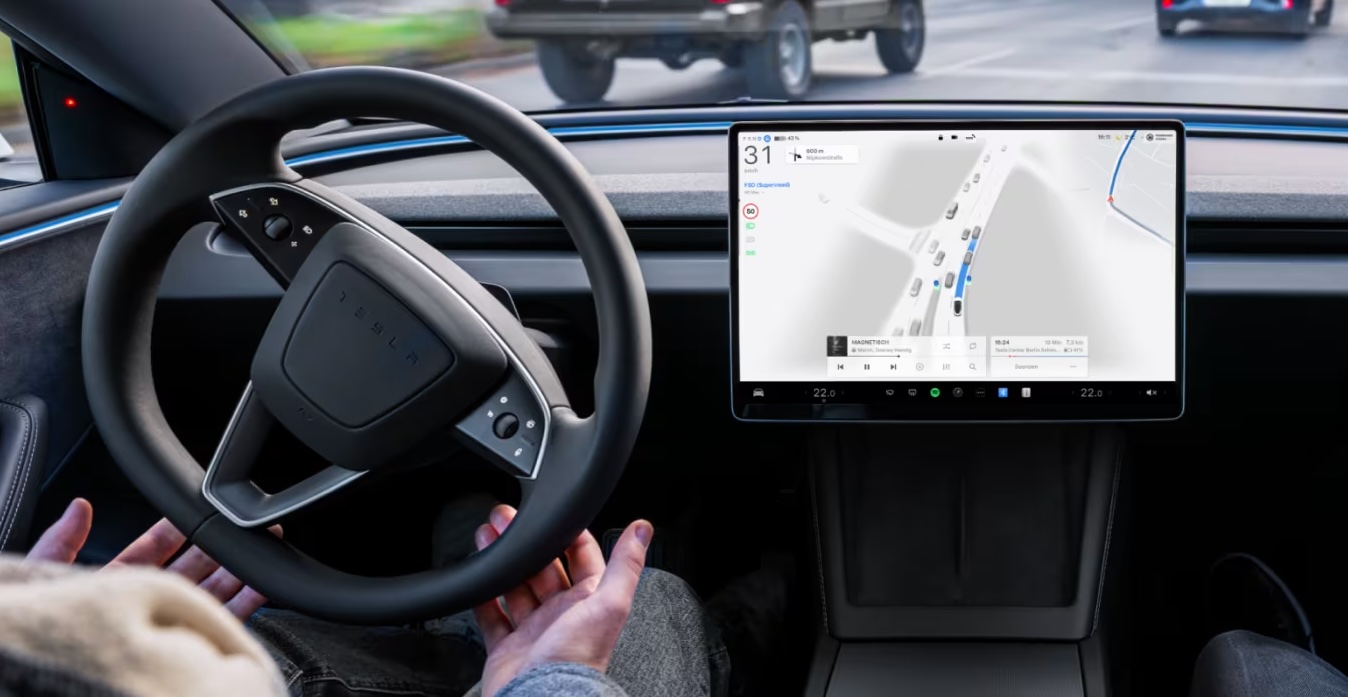
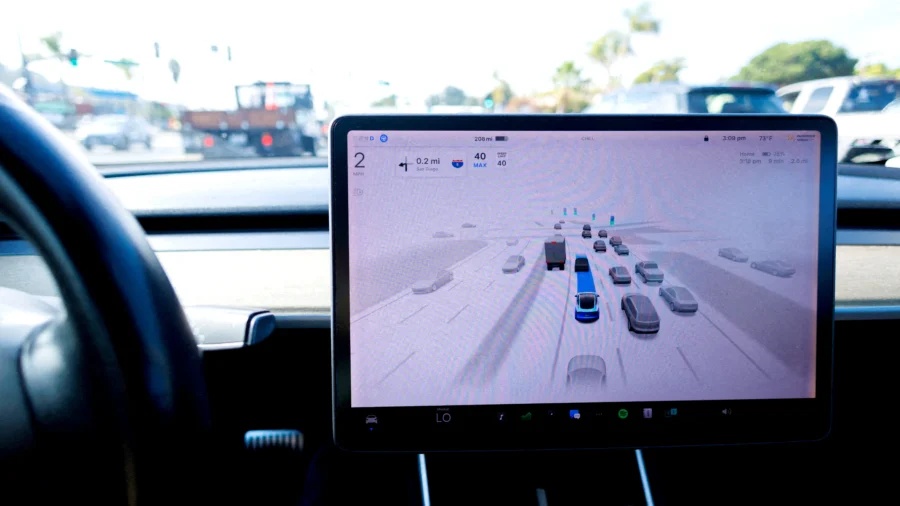
Senate testimony revealed strong regulatory skepticism of Tesla's camera-only vision system. Senators cited 'dozens of deaths' and called the 'Full Self-Driving' label 'misleading.' This indicates federal standards will mandate redundant sensors (lidar + radar), making Tesla's approach non-compliant. Sellers should assume future regulations will require Waymo-style redundant sensor architecture. Tesla's 3.82% stock decline post-hearing signals market recognition of compliance risk. Sellers partnering with Tesla for autonomous delivery should plan for significant fleet upgrades or operational pivots within 18-24 months.