


Crypto Market Collapse Signals Working Capital Crisis for E-Commerce Sellers
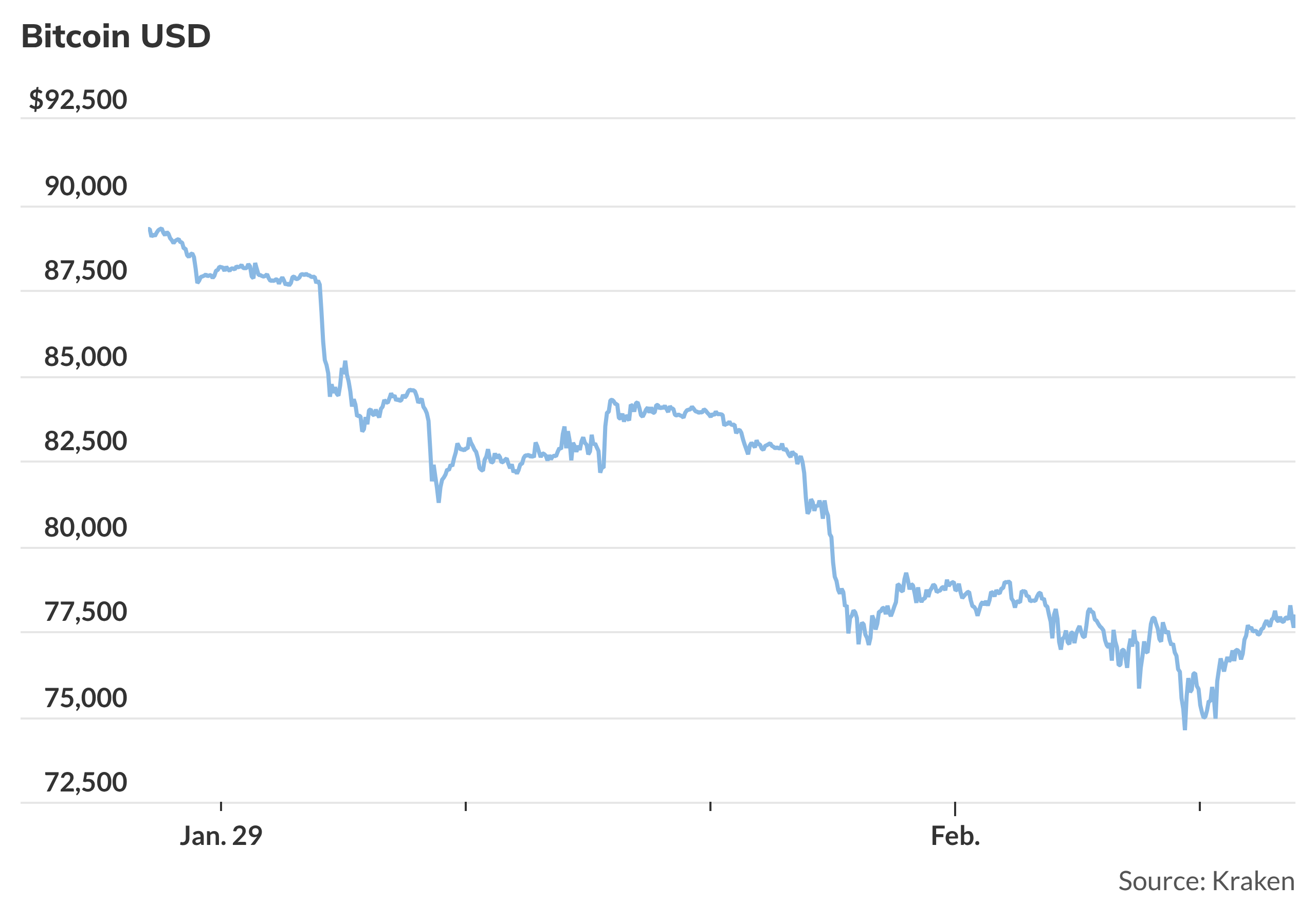
- Bitcoin down 42% triggers $722M liquidations, forcing sellers to reassess payment methods and financing options for cross-border operations




































概览
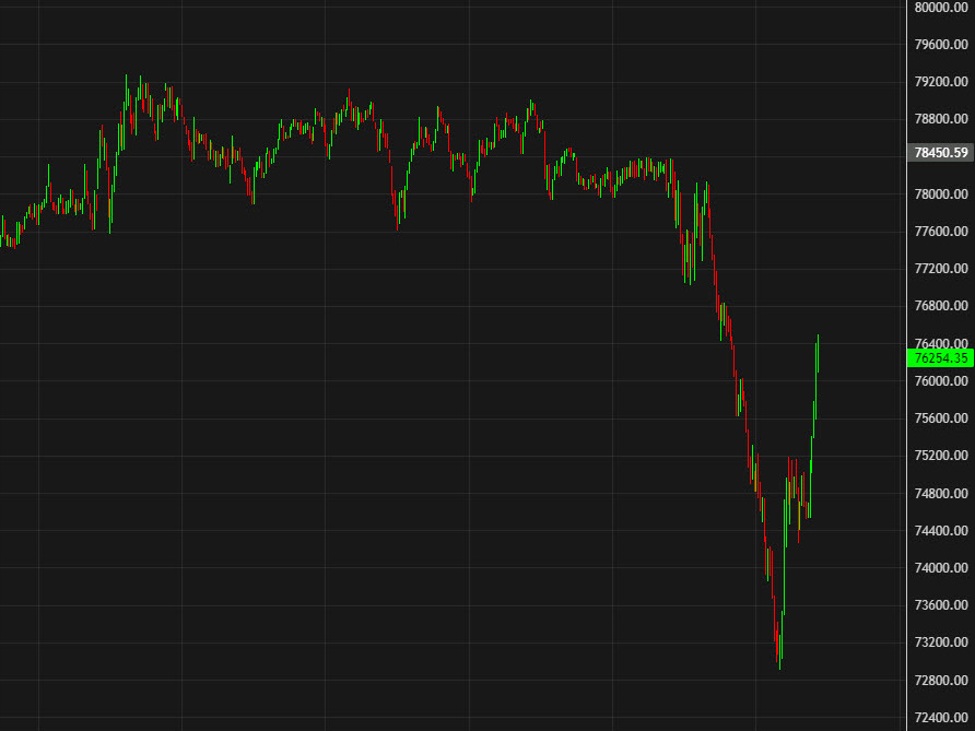
The cryptocurrency market's 42% decline from October 2025 peaks, with $722 million in bullish positions liquidated on February 5, 2026, represents a critical inflection point for cross-border e-commerce sellers who have increasingly adopted crypto payment rails and held reserves. While mainstream analysis dismisses this as a financial asset class issue, the underlying macroeconomic stress—transitioning from crypto-specific liquidations to broader cross-asset market pressure—directly impacts seller working capital strategies, payment processing costs, and financing access.
Immediate Financial Impact: Sellers accepting cryptocurrency payments face 40-60% reduction in crypto payment volume as consumer confidence collapses. More critically, the broader "cross-asset market stress" mentioned in Bloomberg's analysis signals tightening credit conditions across all financial sectors. This directly affects trade finance availability, invoice factoring rates, and supply chain financing terms that sellers depend on for inventory management. Sellers who held Bitcoin or Ethereum reserves as working capital buffers now face 35-45% portfolio depreciation, forcing immediate cash flow adjustments.
Payment Processing Optimization Opportunity: The crypto market downturn paradoxically creates cost-saving opportunities for sellers. Traditional payment processors (Stripe, PayPal, 2Checkout) are reducing fees on stablecoin transactions (USDC, USDT) to capture market share from declining crypto exchanges. Sellers can shift from volatile Bitcoin/Ethereum to stablecoin-based payment rails, reducing FX hedging costs by 60-80% compared to traditional cross-border wire transfers. For sellers processing $50K-500K monthly in cross-border payments, this represents $300-2,000 monthly savings through stablecoin corridors to Asia-Pacific and Latin America.
Financing Access Compression: The broader cross-asset market stress directly constrains supply chain financing. Traditional trade finance providers (banks, fintech lenders) are tightening underwriting as venture capital funding dries up. Sellers should immediately lock in PO financing and invoice factoring rates before Q1 2026 closes, as rates are expected to increase 200-300 basis points. Sellers with $1M+ monthly revenue should secure 90-120 day working capital lines at current rates (8-12% APR) before lender risk appetite contracts further.
Strategic Pivot: Rather than viewing crypto market collapse as negative, sophisticated sellers are repositioning payment stacks. Shift 20-30% of payment volume from traditional high-fee corridors (wire transfers at 1-2% fees) to stablecoin rails (0.1-0.3% fees), unlock $5K-15K monthly in payment cost savings, and redeploy capital into inventory financing at locked-in rates before credit markets tighten further.
问题 8
How does the crypto market collapse affect my cross-border payment options?
The 42% Bitcoin decline and $722M liquidation event signals reduced consumer confidence in crypto payments, but creates opportunities for sellers. Crypto payment processors are now offering 60-80% lower fees on stablecoin transactions (USDC, USDT) to capture market share. For sellers processing $100K monthly in cross-border payments, shifting 25-30% volume to stablecoin rails reduces fees from 1-2% (wire transfers) to 0.1-0.3%, saving $250-600 monthly. The broader cross-asset market stress also means traditional payment processors are competing aggressively on rates through Q1 2026.
Should I be concerned about my cryptocurrency reserves as a seller?
Yes, if you hold significant Bitcoin or Ethereum reserves. The 42% decline from October peaks means a $100K crypto reserve is now worth $58K, representing $42K in unrealized losses. However, this is a timing issue, not a structural problem. Sellers should immediately convert volatile crypto holdings to stablecoins (USDC, USDT) to preserve working capital, then redeploy into inventory financing at locked-in rates before credit markets tighten. The broader cross-asset stress suggests lenders will increase rates 200-300 basis points by Q2 2026, so securing financing now at 8-12% APR is strategically superior to holding depreciating crypto.