


Italian Heritage Controversy Signals Regulatory Tightening | Tourism & Cultural Merchandise Opportunities
- Vatican-mandated pre-approval requirements for restoration work create compliance costs for heritage tourism sellers; 100s of visitors photographing incident signals strong demand for religious/political memorabilia in Italy market














概览
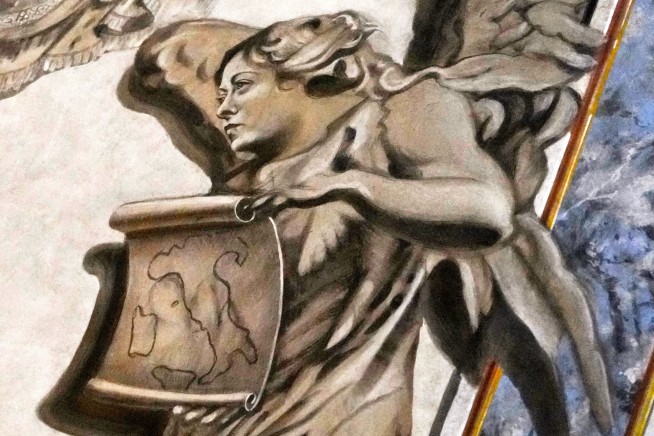
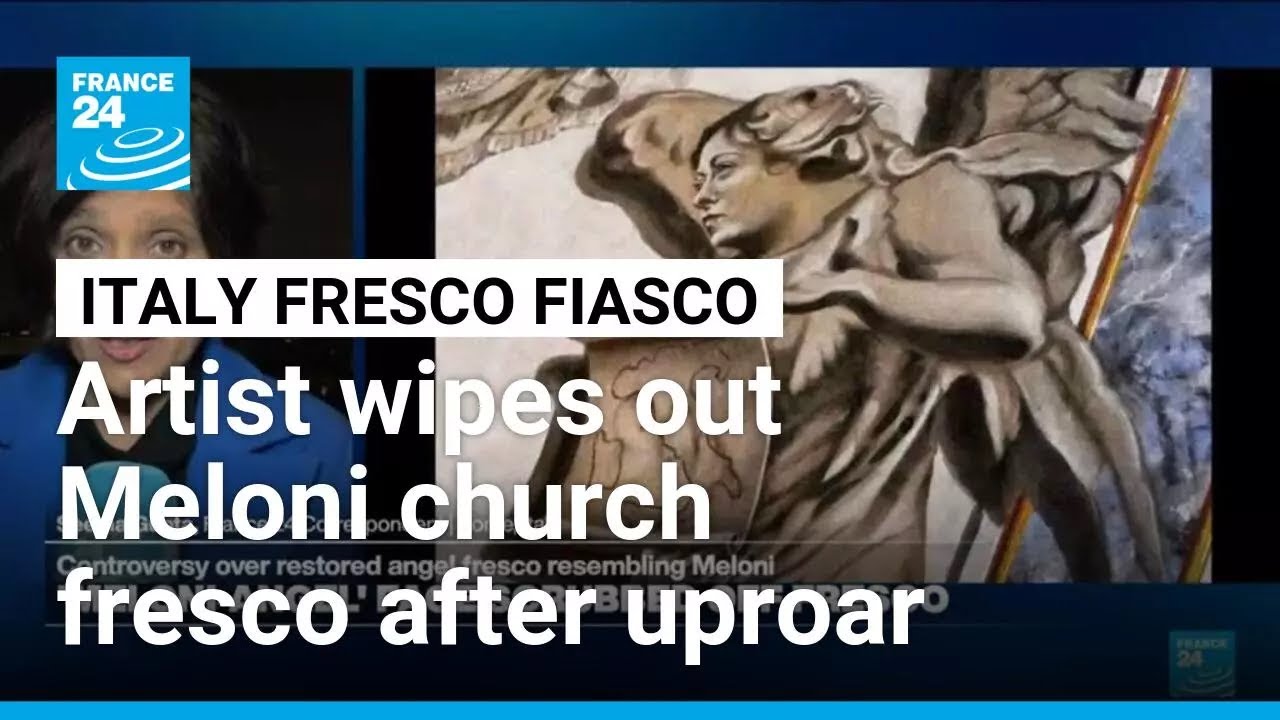
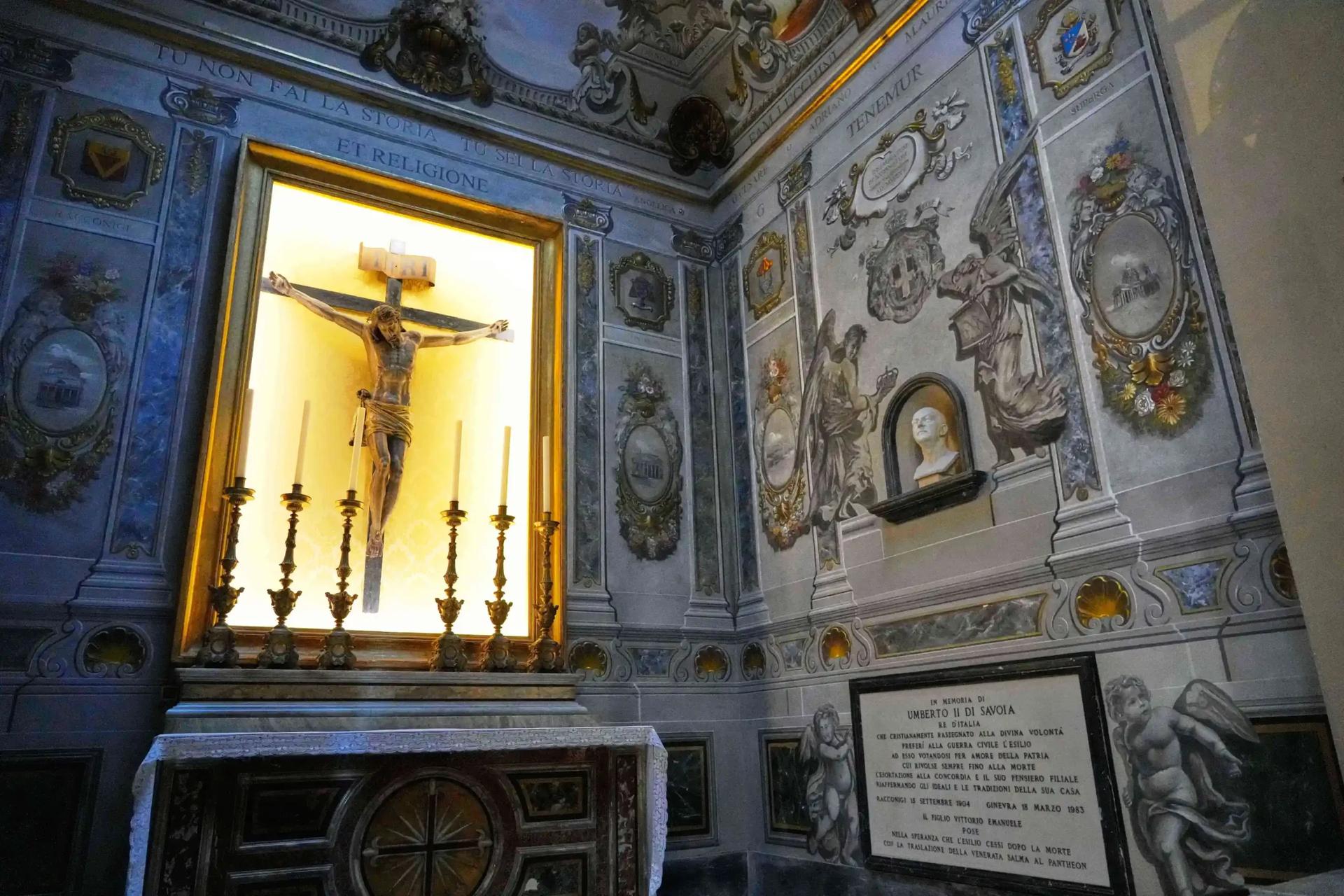
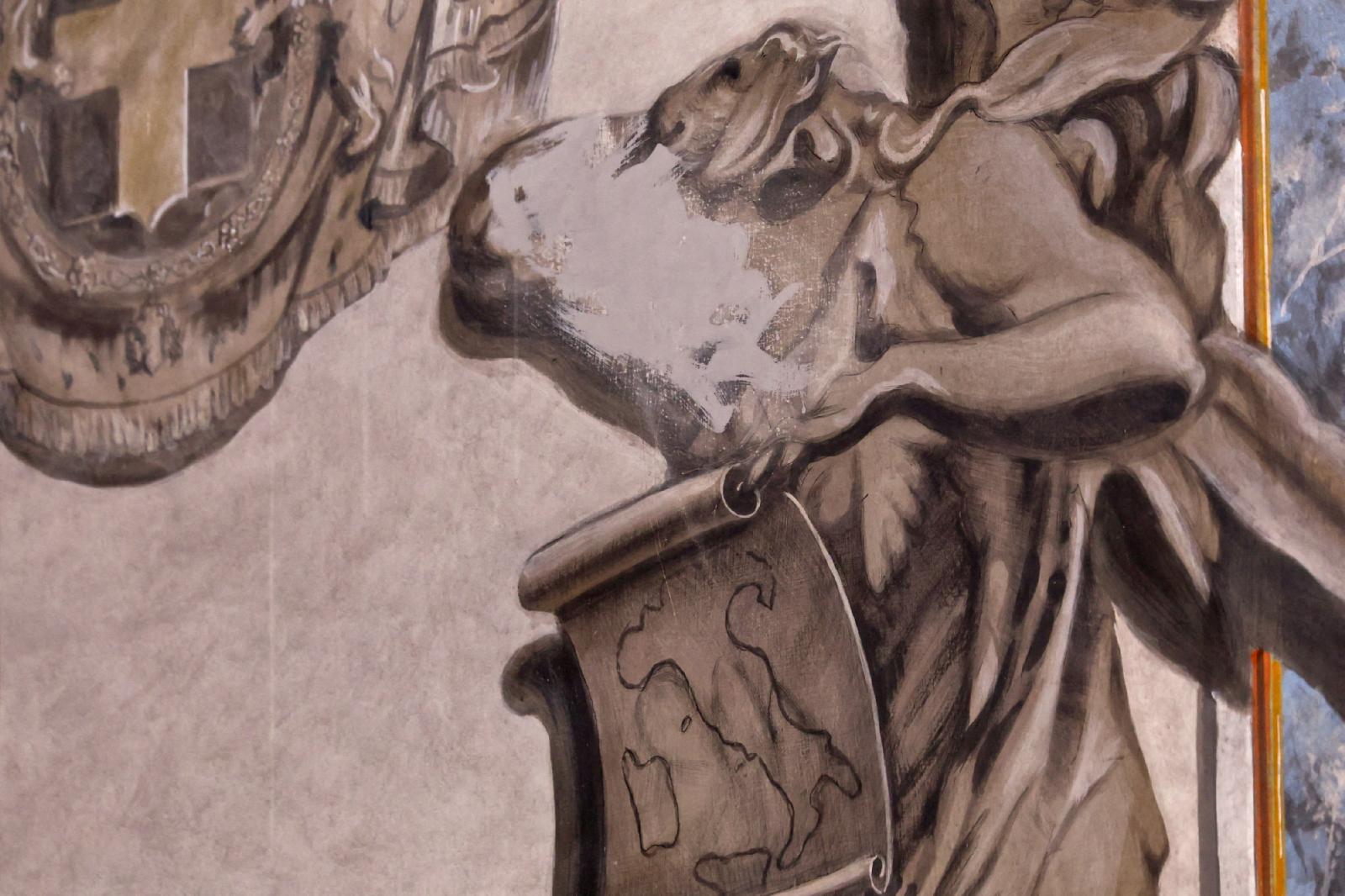
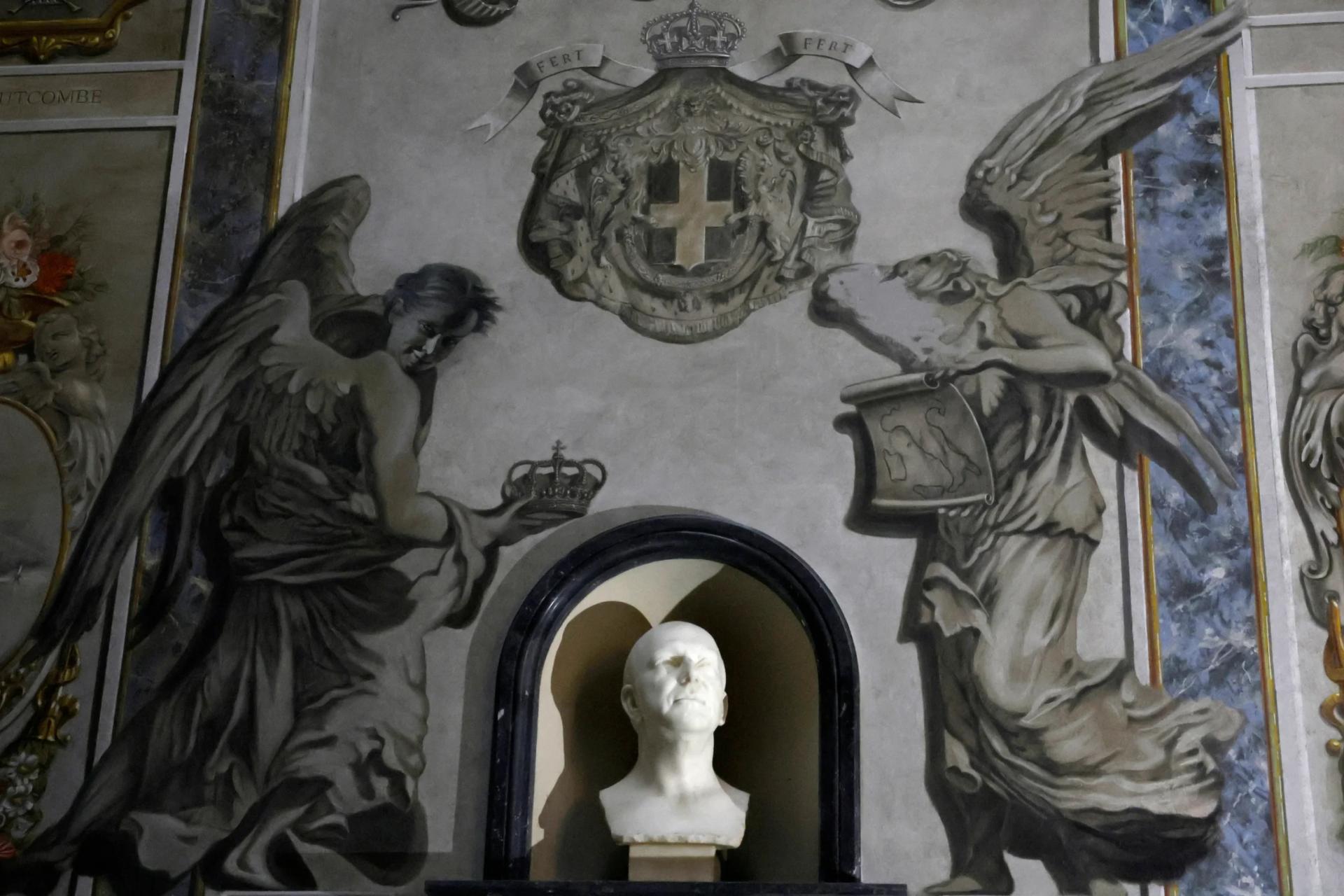
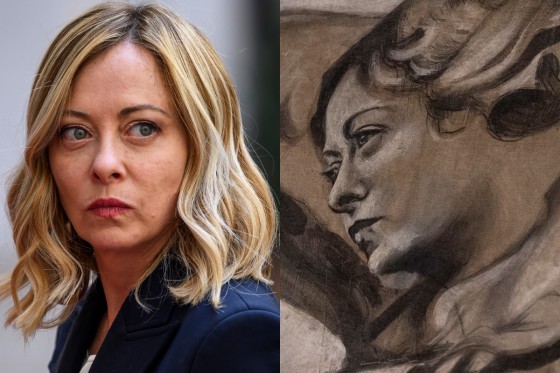
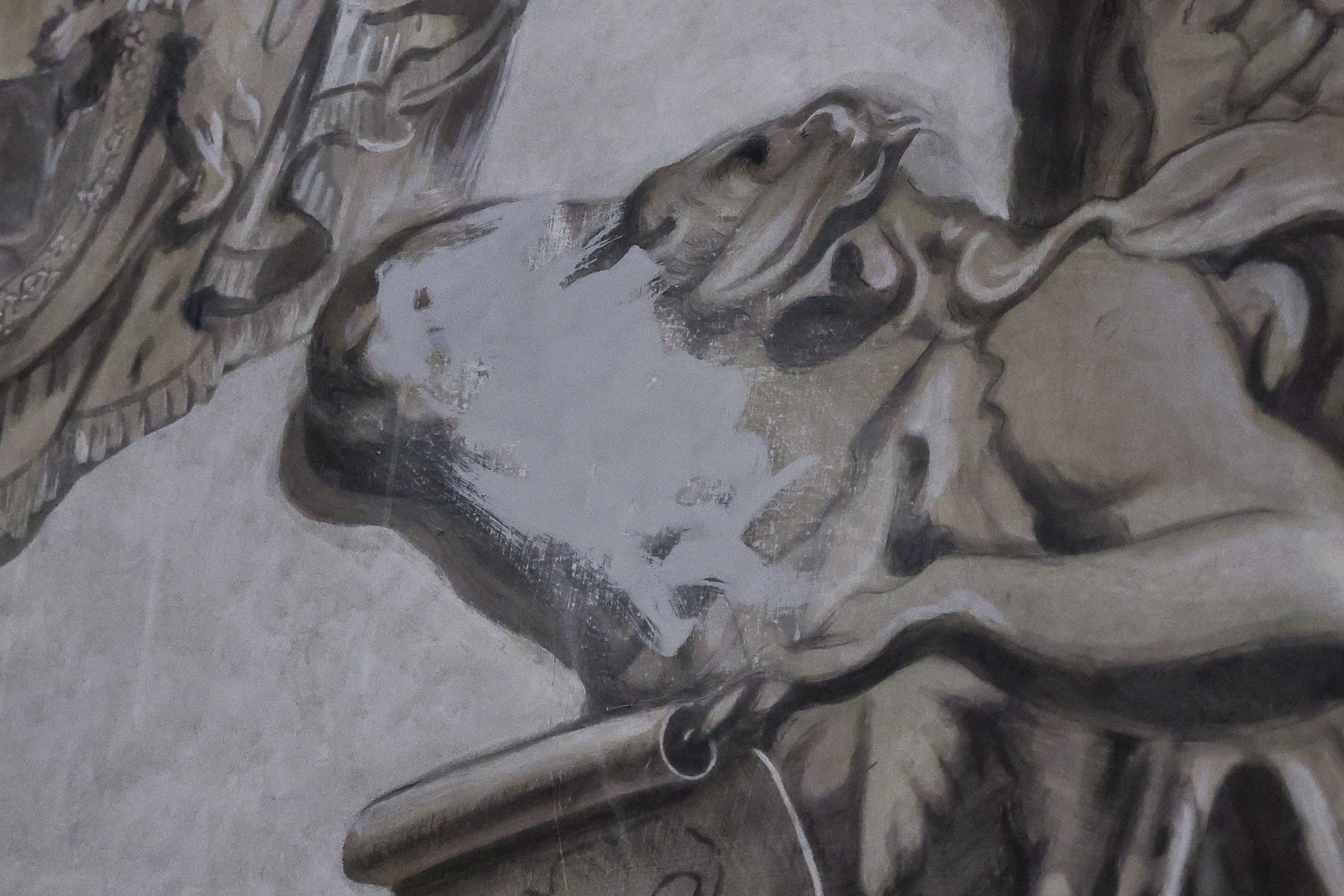
The controversy surrounding Italian Prime Minister Giorgia Meloni's likeness appearing in a restored fresco at Rome's Basilica of St. Lawrence in Lucina (completed late 2025) reveals significant cross-border e-commerce implications for sellers targeting Italy's heritage tourism and cultural merchandise sectors. The incident—where volunteer restorer Bruno Valentinetti's restoration work inadvertently (or intentionally) replaced an angel's face with an image resembling Meloni—generated hundreds of visitors photographing the image before its removal, demonstrating substantial consumer interest in politically-charged cultural moments.
Regulatory Impact on Heritage Tourism Sellers: Italy's Culture Ministry response mandates pre-approval for all restoration work in Roman churches, requiring detailed drawings submitted to multiple government bodies (Ministry of the Interior's Fund for Places of Worship, Vicariate, Special Superintendency of Rome). This creates new compliance barriers for sellers offering heritage tourism packages, restoration services, or church-related merchandise. Sellers targeting Italian religious institutions must now budget 2-4 weeks for regulatory approval cycles, increasing operational costs by an estimated 8-15% for heritage-focused businesses.
Merchandise Opportunity in Political-Cultural Intersection: The incident's viral nature—hundreds of visitors photographing before removal—signals strong consumer demand for religious art merchandise, political memorabilia, and Vatican-related products. Cross-border sellers can capitalize on this through: (1) limited-edition prints of the original fresco and controversy documentation; (2) religious art books and restoration guides; (3) Italian political memorabilia combining Meloni imagery with religious iconography; (4) tourism guides highlighting Rome's restoration controversies. The controversy demonstrates that politically-sensitive religious content drives engagement and purchasing behavior among European consumers, particularly in Italy where 60%+ of tourists visit religious sites.
Market Dynamics: The incident reflects broader governance challenges in cultural heritage preservation that will likely increase regulatory scrutiny across Italian religious institutions. Sellers should anticipate: (1) increased demand for compliance consulting services; (2) higher costs for heritage tourism operators; (3) growing market for "controversial art" merchandise and documentation; (4) potential tariff implications for importing restoration materials into Italy (HS codes 9703.00 for original artworks, 4901.99 for art books).
Consumer Behavior Insight: The rapid social media spread and visitor surge before removal indicates Italian and European consumers actively engage with cultural controversies, creating opportunities for sellers offering real-time cultural commentary products, limited-edition merchandise tied to news events, and heritage tourism experiences emphasizing "behind-the-scenes" restoration stories.
问题 8
What are the tariff and customs implications for importing religious art merchandise into Italy?
Religious art merchandise falls under multiple HS codes with varying tariff treatments: original artworks (HS 9703.00) face 0% tariffs but require cultural heritage documentation; art books and prints (HS 4901.99) typically face 0% EU tariffs but require proper classification; religious replicas and souvenirs (HS 9406.00 or 6914.90) may face 2-5% tariffs depending on material composition. The Vatican's increased regulatory scrutiny may trigger enhanced customs inspections for religious items entering Italy, potentially adding 3-5 business days to import processing. Sellers should ensure proper HS code classification and obtain certificates of authenticity for high-value items (over €500) to avoid customs delays. EU sellers benefit from zero tariffs but must comply with VAT registration requirements (19% standard rate in Italy).
Which seller segments are most affected by Vatican regulatory changes?
Three primary seller segments face direct impact: (1) Heritage tourism operators offering Rome church tours and restoration experiences (estimated 5,000-8,000 active sellers across Airbnb, Viator, and independent platforms); (2) Religious merchandise sellers (books, prints, replicas of famous artworks) targeting Italy and EU markets; (3) Restoration service providers and consultants serving Italian religious institutions. Small sellers (under $100K annual revenue) face proportionally higher compliance costs since they cannot amortize regulatory expenses across large transaction volumes. EU-based sellers have advantages over non-EU competitors due to existing VAT and customs infrastructure, but all sellers must now account for 2-4 week approval delays in their operational planning and cash flow forecasting.