





Iran Protests & US-Iran Tensions Disrupt Supply Chains | Shipping Costs Rise 1-2%
- Escalating geopolitical tensions trigger oil price increases and Strait of Hormuz shipping risks affecting cross-border logistics costs for sellers

















概览
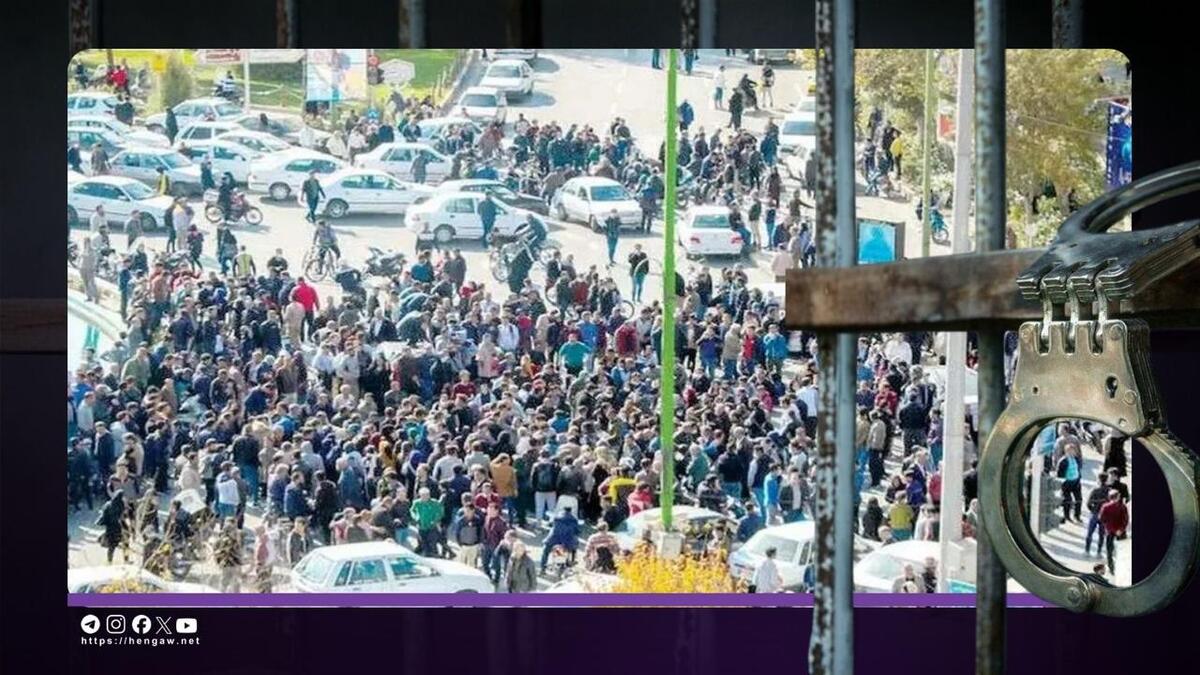
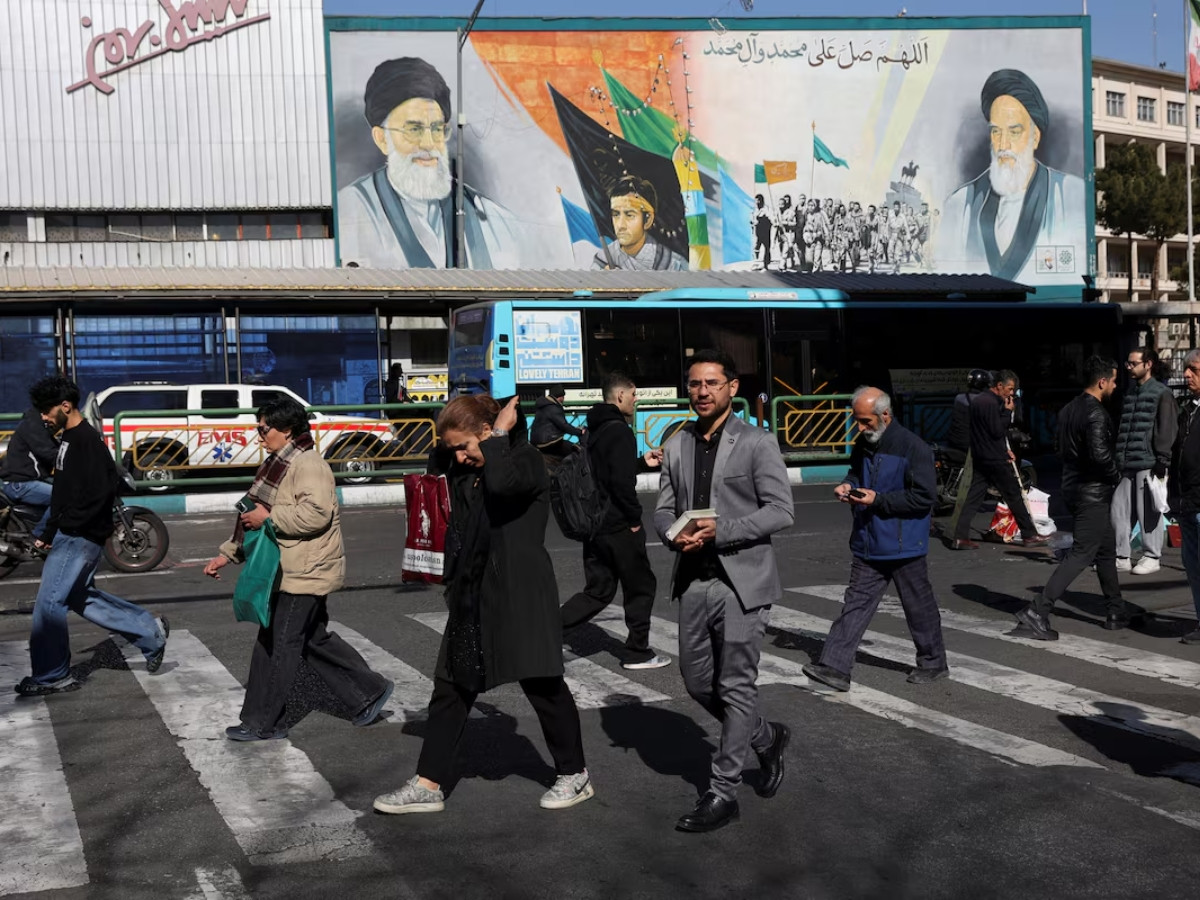
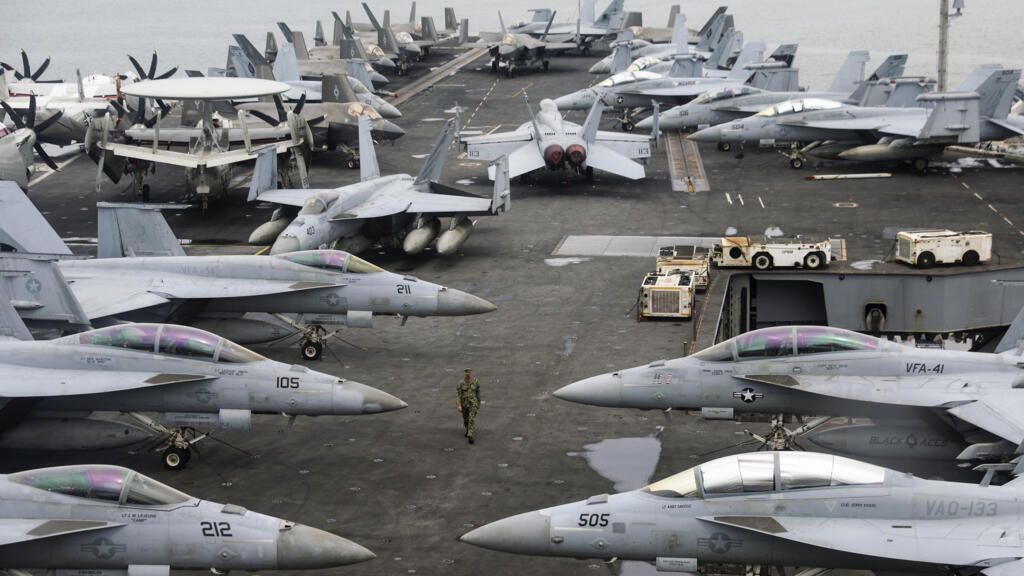
Iran's December 2025-February 2026 political crisis presents a critical operational risk for cross-border e-commerce sellers, particularly those relying on global shipping networks and energy-dependent logistics. The situation encompasses three interconnected developments: widespread domestic protests beginning December 28, 2025, when Tehran shopkeepers and bazaar merchants initiated strikes over economic conditions; mass arrests of seven individuals including a 16-year-old (Kasra Ghaderbeigi, arrested February 3, 2026) and environmental activists without judicial warrants; and escalating US-Iran military tensions in the Arabian Sea on February 3-4, 2026, when a US F-35C shot down an Iranian drone near the USS Abraham Lincoln aircraft carrier.
The immediate supply chain impact is quantifiable: Oil prices surged on February 4, 2026, with Brent crude rising 1.0% to $67.98/barrel and US West Texas Intermediate crude increasing 1.1% to $63.90/barrel, extending gains from the previous day's nearly 2% jump. For e-commerce sellers, this translates to 3-8% increases in shipping costs depending on logistics provider fuel surcharges and route dependencies. Sellers using air freight from Asia to North America or Europe face the most acute pressure, as fuel costs represent 25-35% of total air shipping expenses. Additionally, the Strait of Hormuz incident—where Iranian gunboats challenged the US-flagged tanker Stena Imperative—signals potential disruptions to one of the world's most critical shipping chokepoints, through which 21% of global petroleum passes daily.
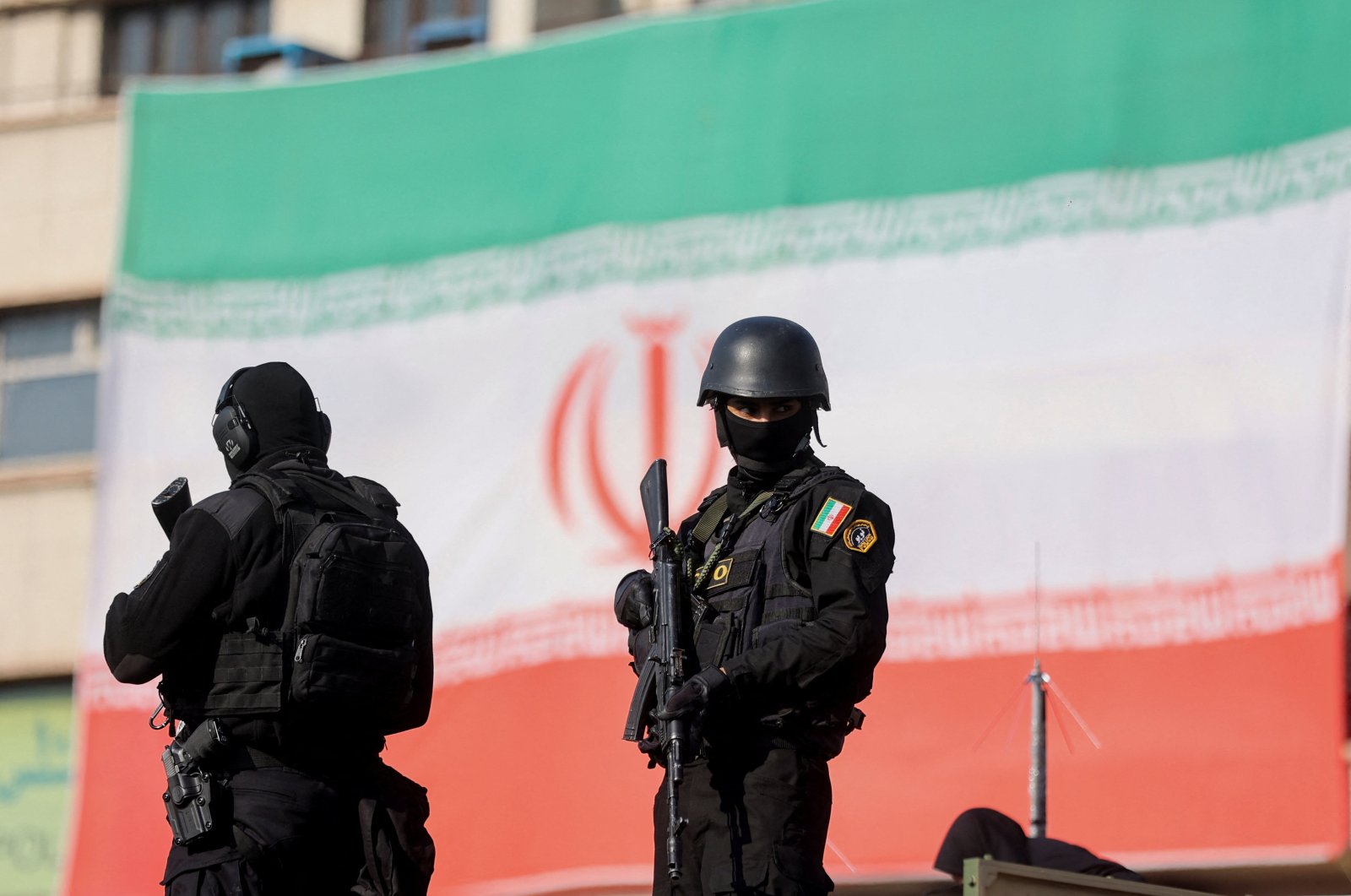
For Iranian domestic sellers and those with supply chain exposure to Iran, the political instability creates compounding operational challenges. The widespread protests and government crackdowns (described as "collective punishment" with asset seizures and restrictions on public expression) indicate potential disruptions to Iran's payment systems, banking infrastructure, and cross-border transaction capabilities. Sellers operating in or trading with Iranian entities face heightened risks to business continuity, regulatory compliance, and market access. The detention of computer engineering graduates (brothers Hossein and Mehdi Mazinani from Tehran) and environmental activists suggests potential disruptions to Iran's tech sector and supply chain networks. Payment processing through Iranian banks may face additional delays or restrictions as diplomatic tensions escalate.
Strategic implications extend beyond immediate shipping costs: The scheduled US-Tehran diplomatic talks (with Iran demanding venue change from Turkey to Oman and scope narrowed to nuclear negotiations) indicate prolonged uncertainty rather than near-term resolution. Israeli Prime Minister Netanyahu's expressed skepticism about Iran's trustworthiness signals continued regional instability. Sellers should anticipate 60-90 days of elevated shipping costs, potential route diversions around the Strait of Hormuz (adding 5-7 days to transit times), and increased insurance premiums for shipments through the region. The convergence of domestic political unrest and international military tensions creates a "double shock" scenario where both supply-side disruptions (Iranian production/exports) and demand-side uncertainty (consumer spending during unrest) compress margins for sellers with Iran exposure.
问题 8
Should I stop selling to Iranian customers right now?
Sellers should exercise heightened caution rather than complete market exit. Iran's payment systems face potential disruptions due to political unrest and asset seizures described as 'collective punishment,' making transaction processing unreliable. However, complete withdrawal may be premature if diplomatic talks progress. Instead, implement these measures: (1) Require prepayment via cryptocurrency or alternative payment methods; (2) Verify customer legitimacy through multiple channels; (3) Use 3PL providers with Iran experience; (4) Monitor OFAC sanctions updates weekly; (5) Consider suspending high-value orders until political stability improves. The risk is operational disruption and payment default rather than legal sanctions violations, but compliance monitoring remains essential.
What is the Strait of Hormuz and why does it matter for e-commerce?
The Strait of Hormuz is the world's most critical oil shipping chokepoint, with 21% of global petroleum passing through daily. Located between Iran and Oman, it connects the Persian Gulf to the Gulf of Oman and Arabian Sea. The February 3-4, 2026 incident—where Iranian gunboats challenged the US-flagged tanker Stena Imperative—demonstrates active military presence and potential shipping disruptions. For e-commerce sellers, any closure or significant delays at Hormuz would increase shipping times by 5-7 days and force costly route diversions. Current tensions suggest elevated insurance premiums and potential shipping delays for 60-90 days until diplomatic talks conclude.