


AI-Driven RAM Crisis Delays Gaming Hardware | Sellers Face Component Cost Surge
- Global semiconductor shortage accelerates through H1 2026, forcing 15-25% price increases on gaming PCs and VR hardware; sellers must reposition inventory and adjust sourcing strategies immediately

概览
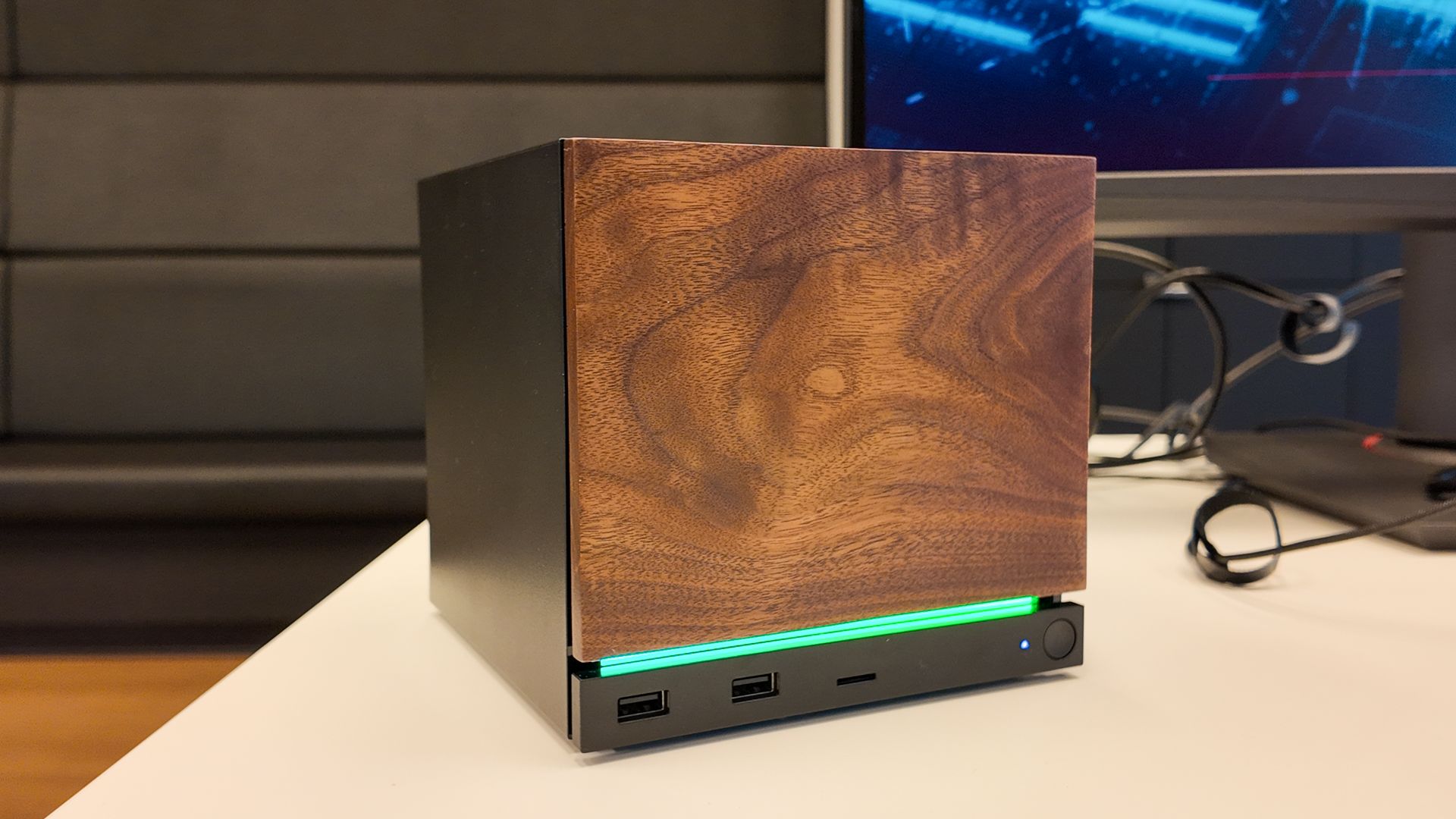
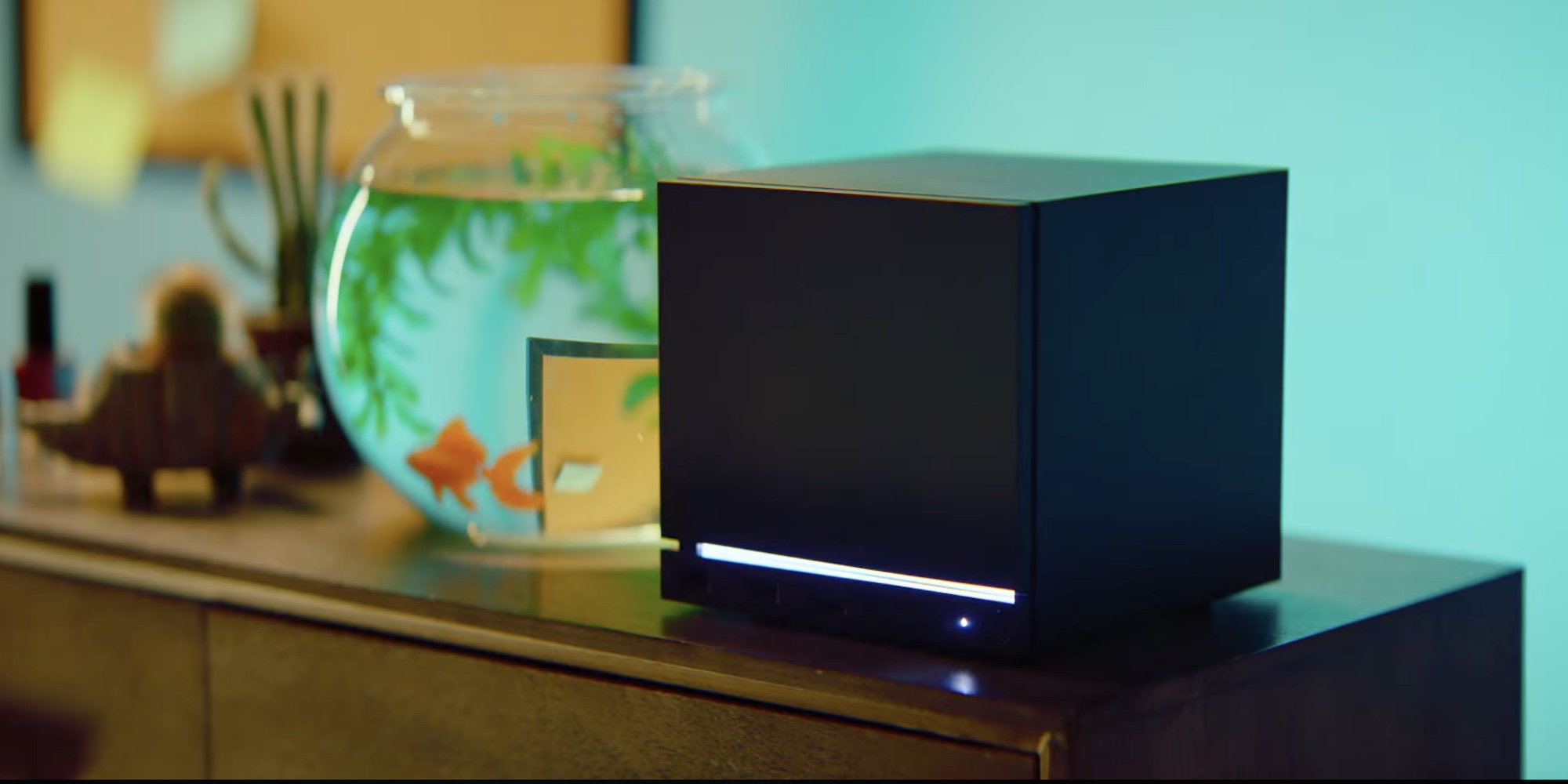
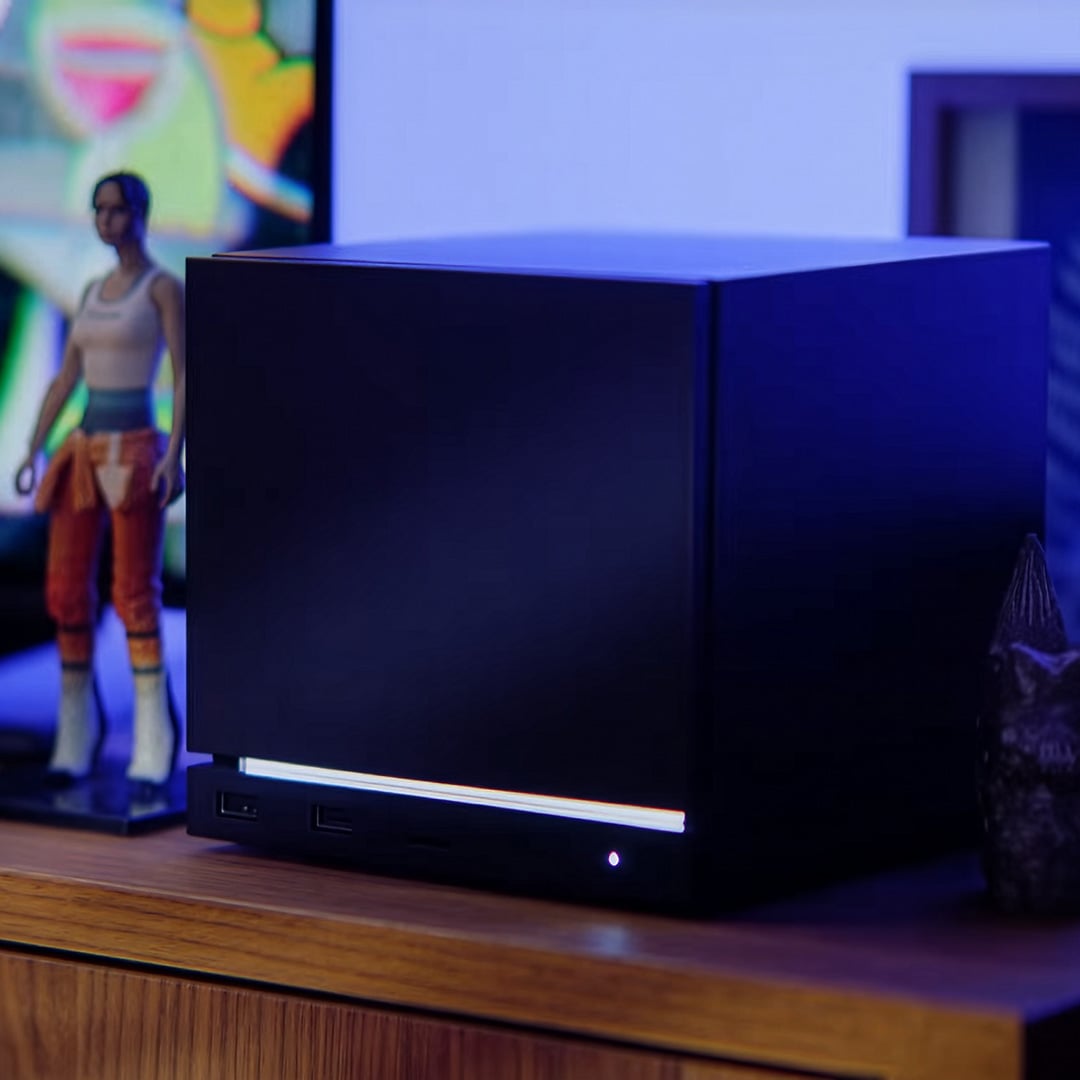
The global RAM shortage triggered by artificial intelligence industry demand is creating a critical supply chain disruption affecting the entire gaming hardware ecosystem. Valve's announcement that it must delay Steam Machine and Steam Frame launches—originally scheduled for early February 2026—signals a broader semiconductor crisis that will reshape e-commerce opportunities in the gaming peripherals, PC components, and VR hardware categories through mid-2026.
The Core Supply Chain Impact: Valve explicitly stated that "limited availability and growing prices of critical components" force reassessment of shipping schedules and pricing. This isn't isolated to Valve—the RAM shortage is cascading through GPU availability and pricing across the entire hardware supply chain. For cross-border sellers, this creates immediate cost pressures: memory chip prices have accelerated significantly since November 2025, directly impacting landed costs for gaming PCs, laptops, and VR headsets sourced from Asia-Pacific manufacturing hubs.
Seller Inventory & Sourcing Implications: Sellers currently holding inventory of gaming laptops, pre-built PCs, and GPU-intensive devices face a critical decision window. Component costs are rising 15-25% as AI demand absorbs available RAM production capacity. Sellers should immediately liquidate existing inventory of 8GB-16GB RAM gaming systems before prices stabilize at higher levels, while simultaneously reducing new purchase orders for Q1 2026 delivery. Conversely, sellers with access to alternative component suppliers (particularly those with direct relationships to AMD commodity hardware suppliers, as Valve references) should prioritize sourcing gaming systems with confirmed component allocations through Q2 2026.
Warehouse Positioning & Fulfillment Strategy: The extended launch timeline (now H1 2026 vs. early February) creates a 60-90 day inventory window. Sellers should redistribute existing gaming hardware inventory from regional 3PL warehouses to primary fulfillment centers in US, EU, and Asia-Pacific markets NOW—before component shortages force price increases that compress margins. For FBA sellers, this means maximizing storage utilization in January-February 2026 before Q1 storage fees increase. Consider shifting 30-40% of gaming PC inventory to FBM (Fulfilled by Merchant) models using 3PL providers with flexible storage terms to avoid Amazon's escalating storage costs during the shortage period.
Total Landed Cost Recalculation: Sellers importing gaming systems from Taiwan, South Korea, and mainland China must recalculate landed costs immediately. RAM component costs are rising 8-12% monthly, while GPU availability constraints add 5-8% to sourcing lead times. This extends typical 30-45 day Asia-to-US shipping windows to 45-60 days, increasing working capital requirements by 20-30%. Sellers should lock in component pricing with suppliers through Q2 2026 contracts NOW, before further escalation.
Product Category Opportunities: The shortage creates demand for alternative products: gaming laptops with lower RAM configurations (4GB-8GB), refurbished gaming systems, gaming peripherals (mice, keyboards, headsets), and VR accessories that don't require new hardware. These categories typically see 40-60% margin compression during component shortages, but volume can increase 25-35% as consumers delay full system purchases and buy complementary products instead.
问题 8
How does the RAM shortage affect gaming PC sellers on Amazon and eBay?
The RAM shortage is driving component costs up 15-25% through H1 2026, directly compressing margins on gaming PC listings. Sellers importing pre-built systems from Asia-Pacific suppliers face 45-60 day lead times (vs. typical 30-45 days) and must recalculate landed costs immediately. On Amazon, this means lower profit margins per unit, potentially affecting Buy Box eligibility if pricing doesn't remain competitive. eBay sellers should prioritize liquidating existing inventory before component prices stabilize at higher levels, then shift sourcing to alternative suppliers with confirmed RAM allocations. Monitor your cost-per-unit weekly and adjust pricing strategies by January 31, 2026.
Should I stock up on gaming laptops and PCs before prices increase further?
Yes, but strategically. If you have existing supplier relationships with confirmed component allocations through Q2 2026, increase orders by 20-30% immediately to lock in current pricing before further escalation. However, avoid over-purchasing if your supplier cannot guarantee delivery timelines—extended lead times mean capital tied up longer. For sellers without confirmed allocations, focus on liquidating current inventory instead. The optimal strategy is: (1) Increase orders with reliable suppliers by January 15, 2026; (2) Liquidate existing stock at current prices; (3) Reduce new orders from unreliable suppliers. This balances inventory risk against margin compression.