.jpeg?crop=3:2,smart&trim=&width=640&quality=65)


)


.jpeg?crop=3:2,smart&trim=&width=640&quality=65)


)


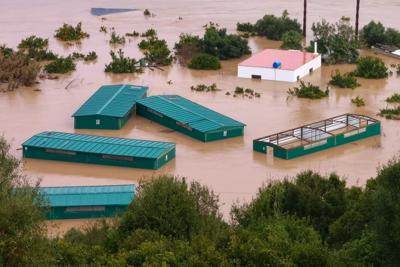
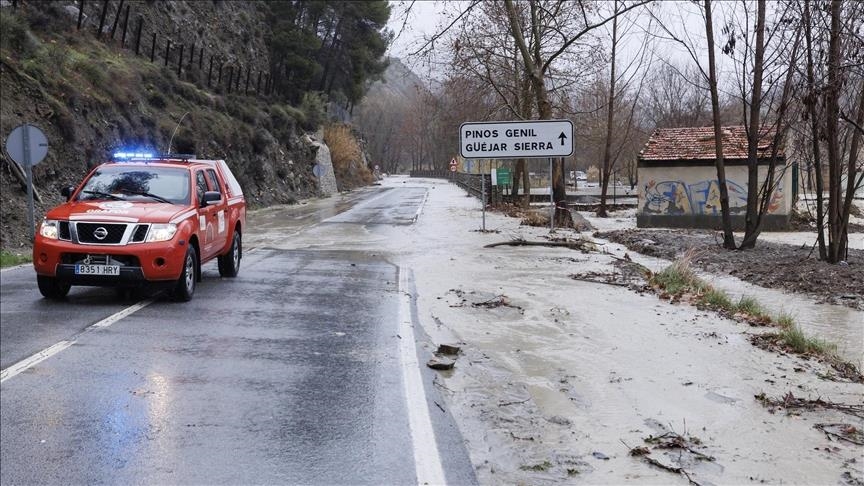
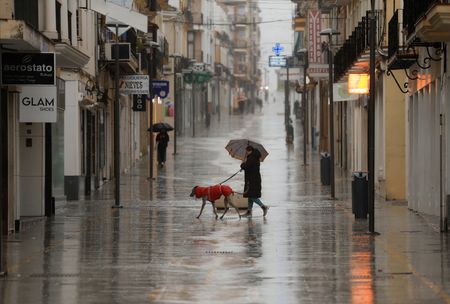
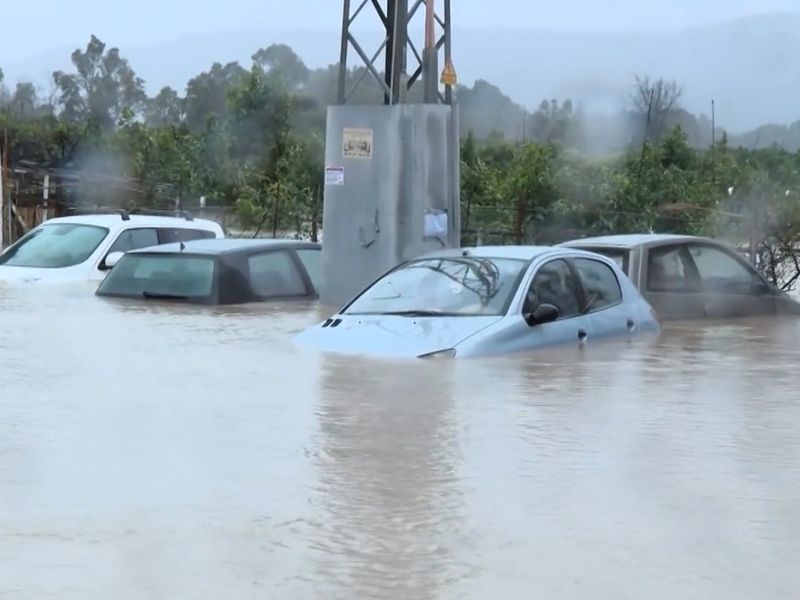
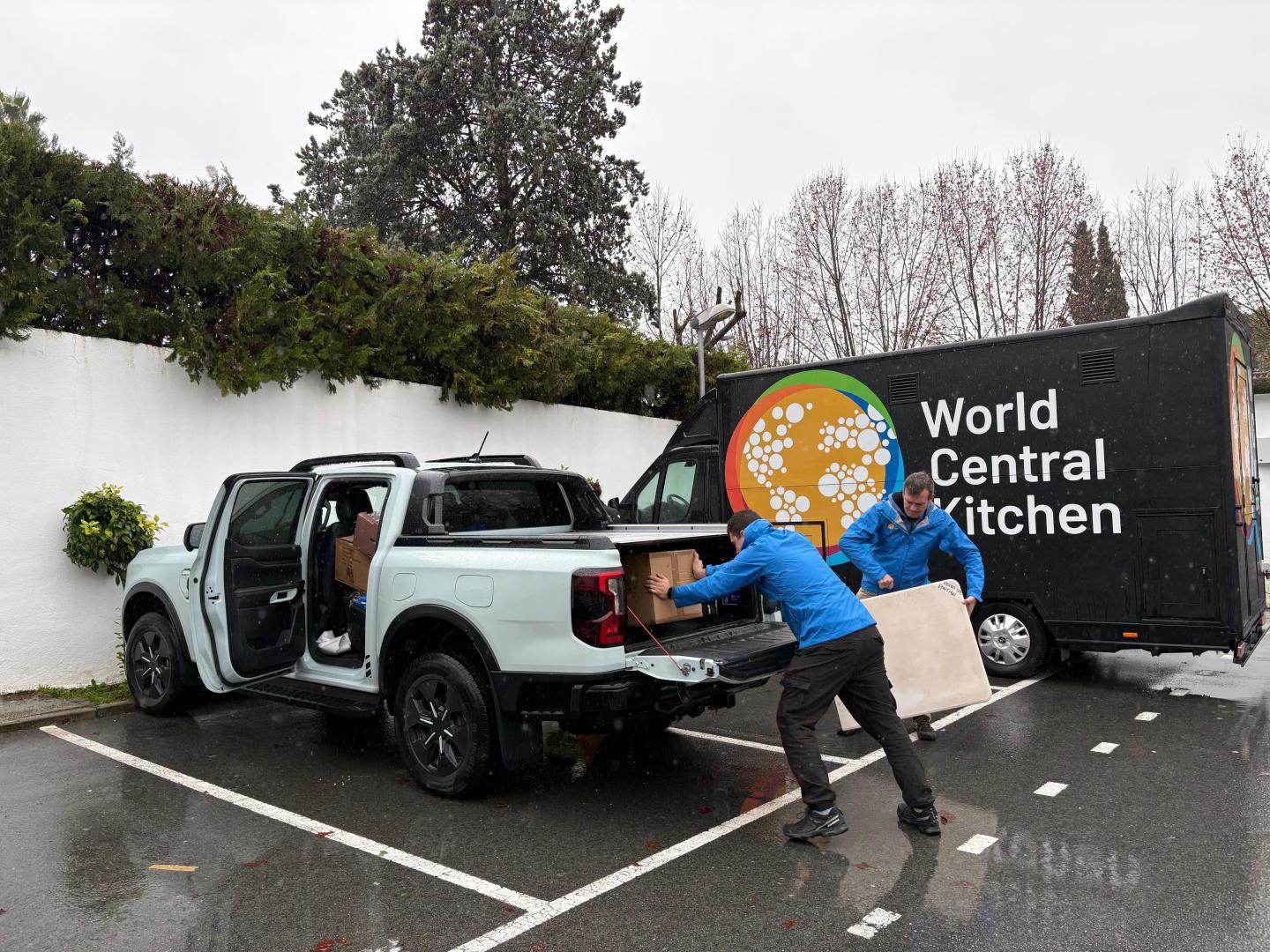
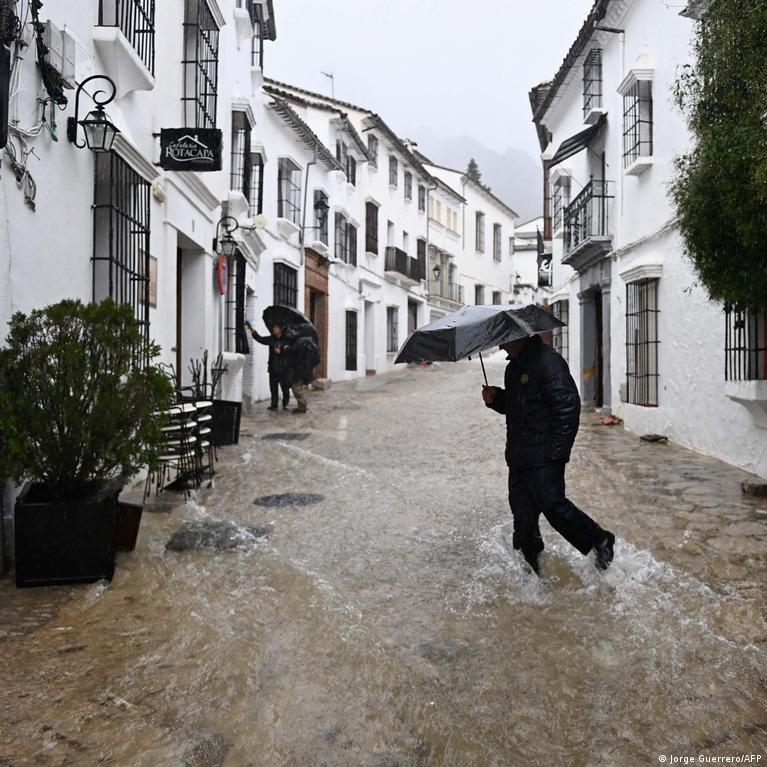
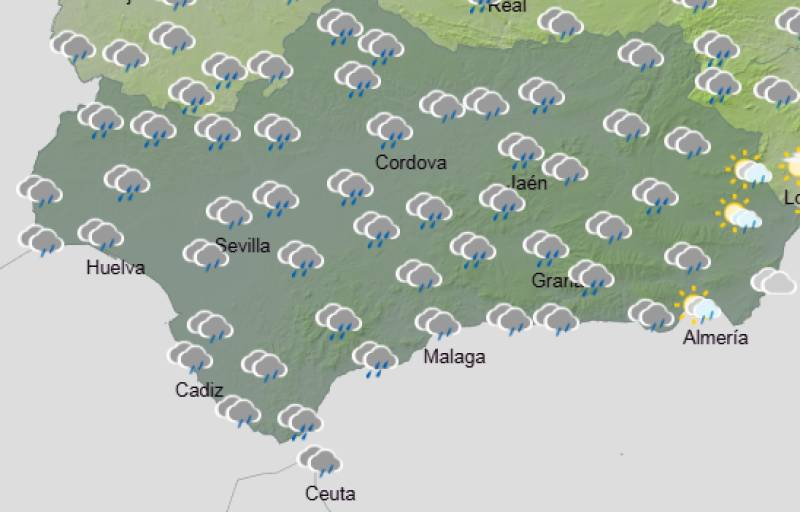
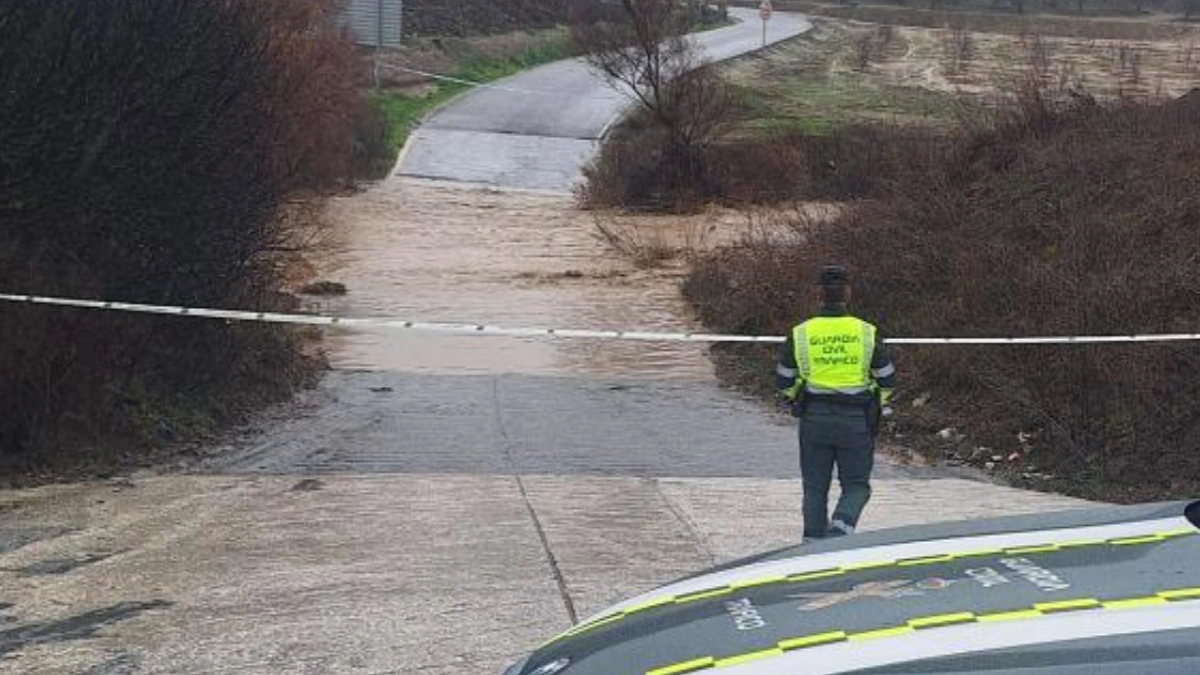
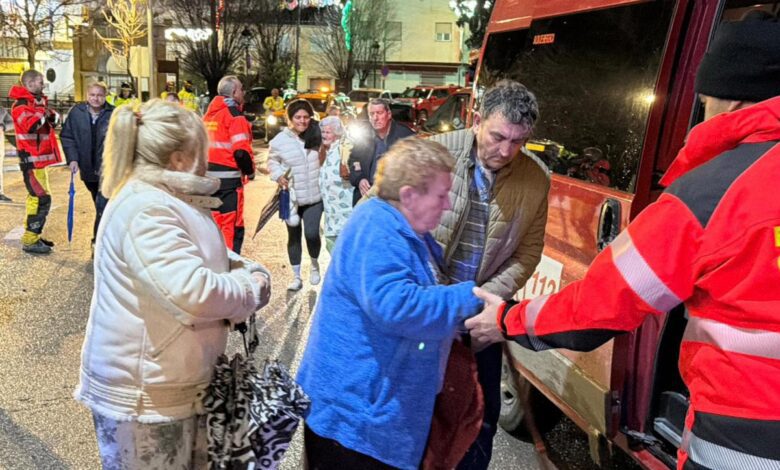
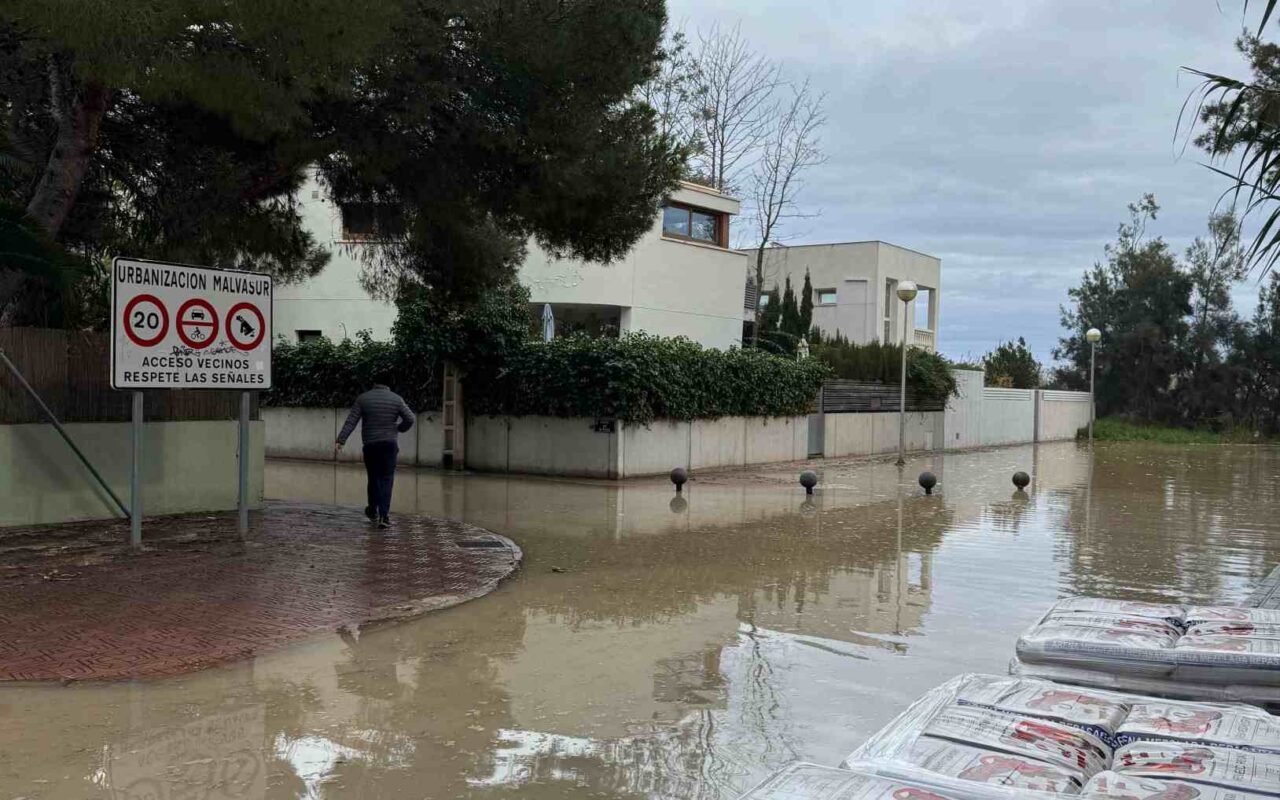
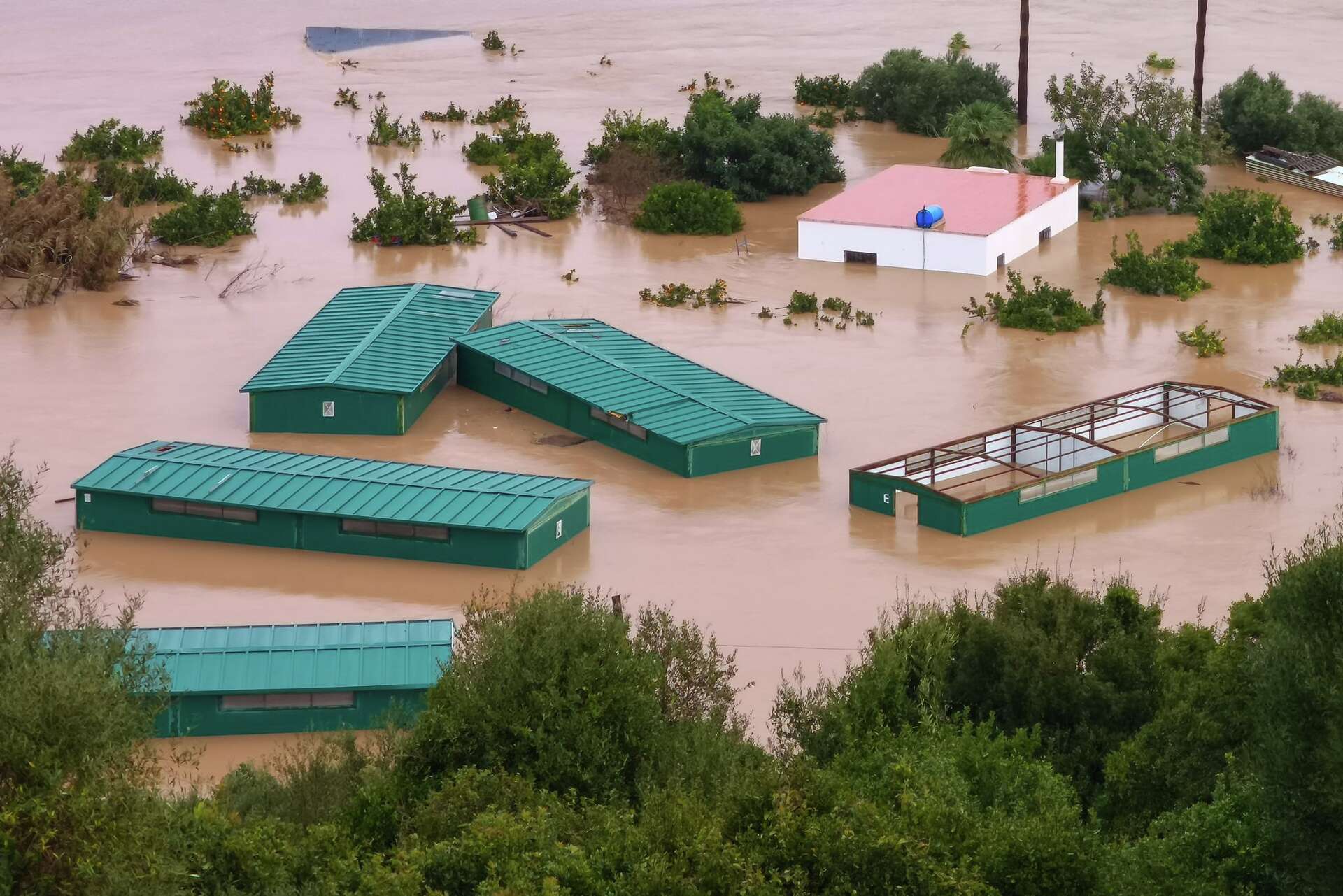
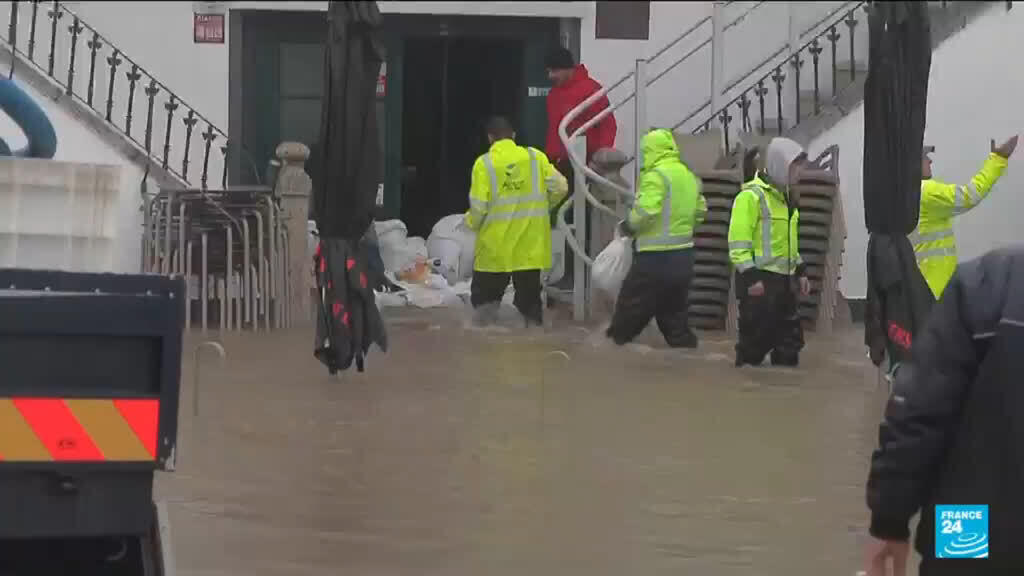
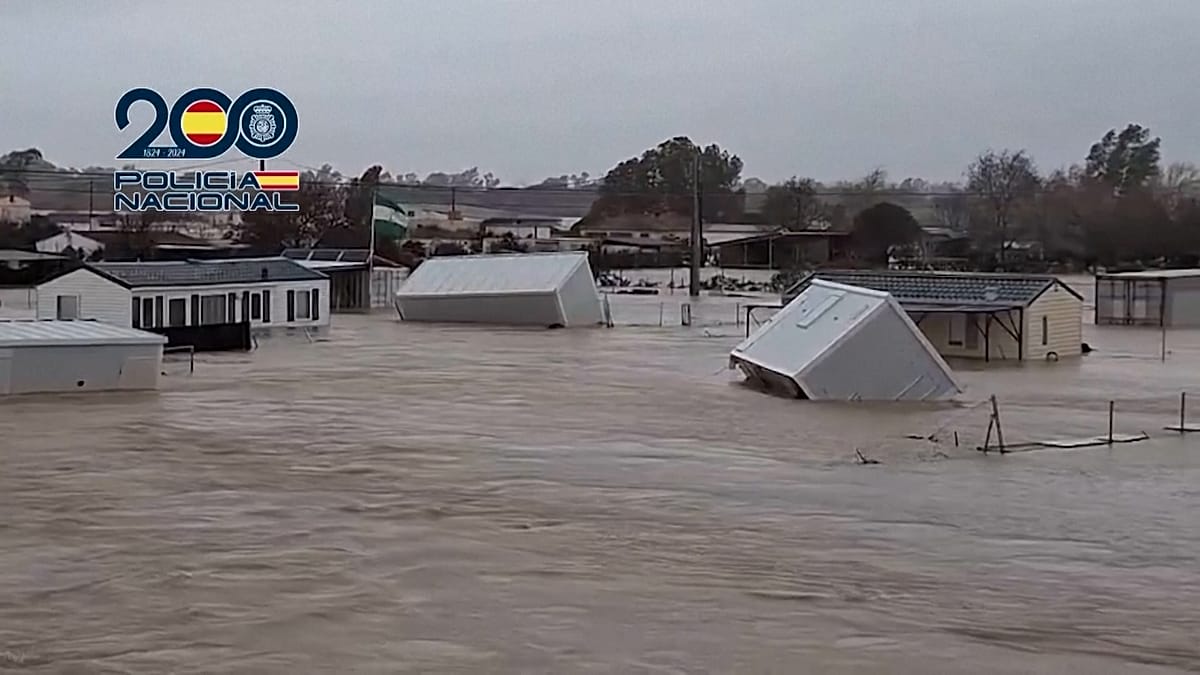
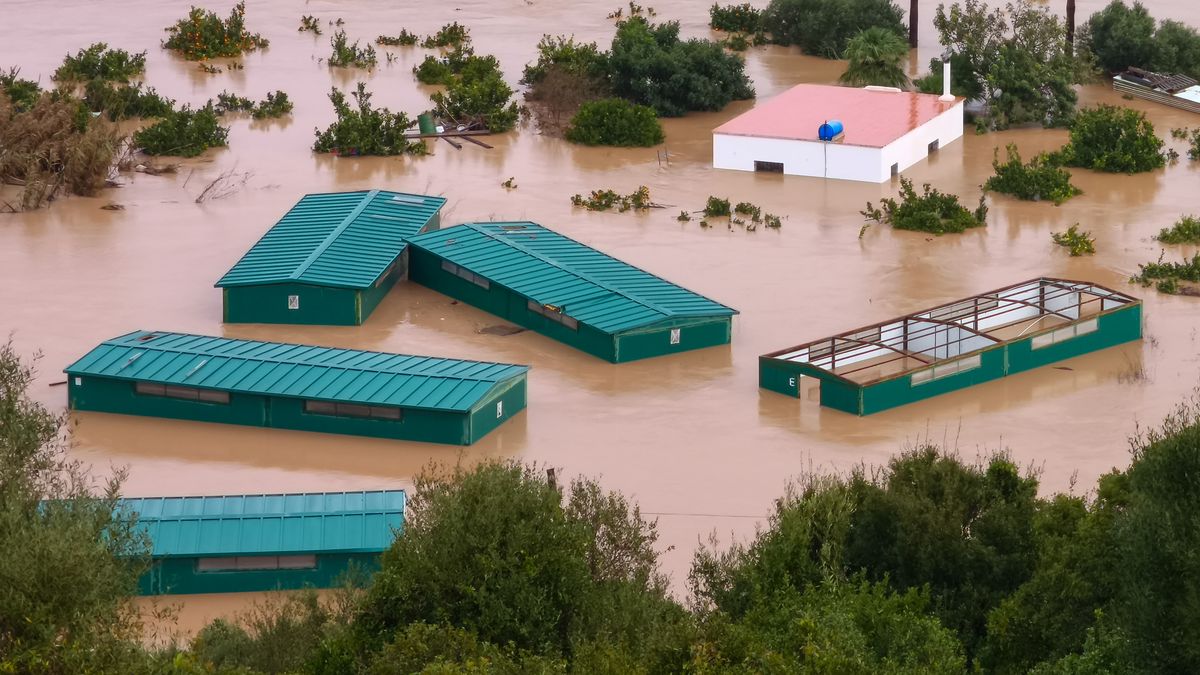
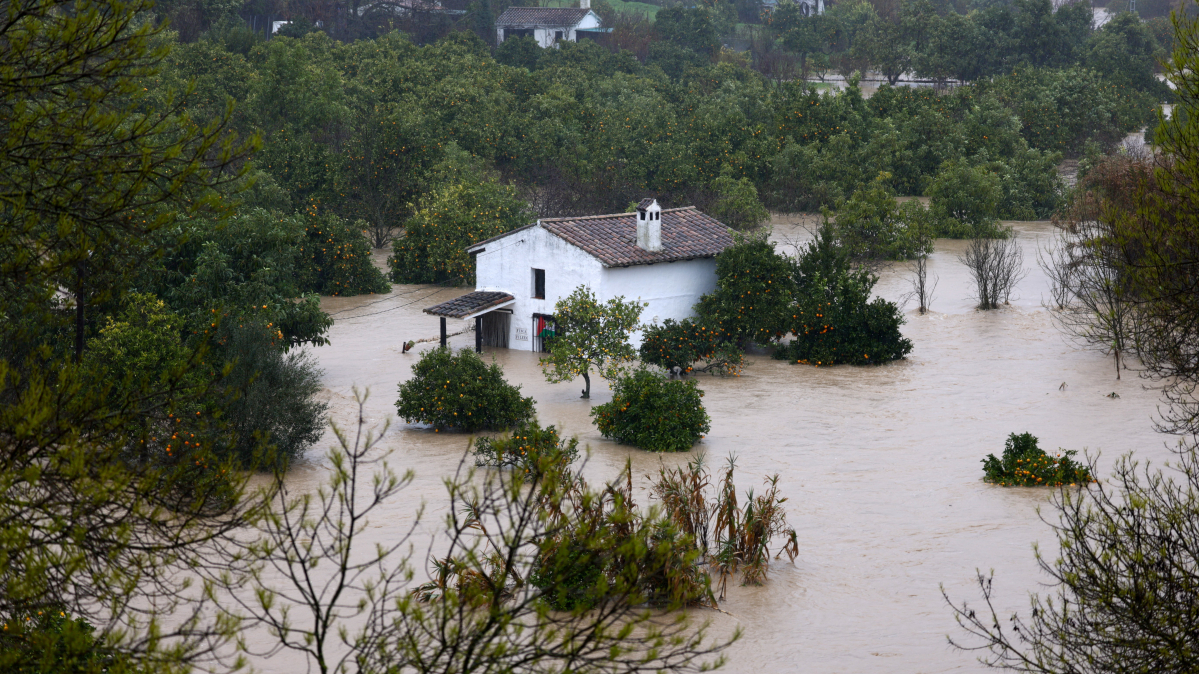
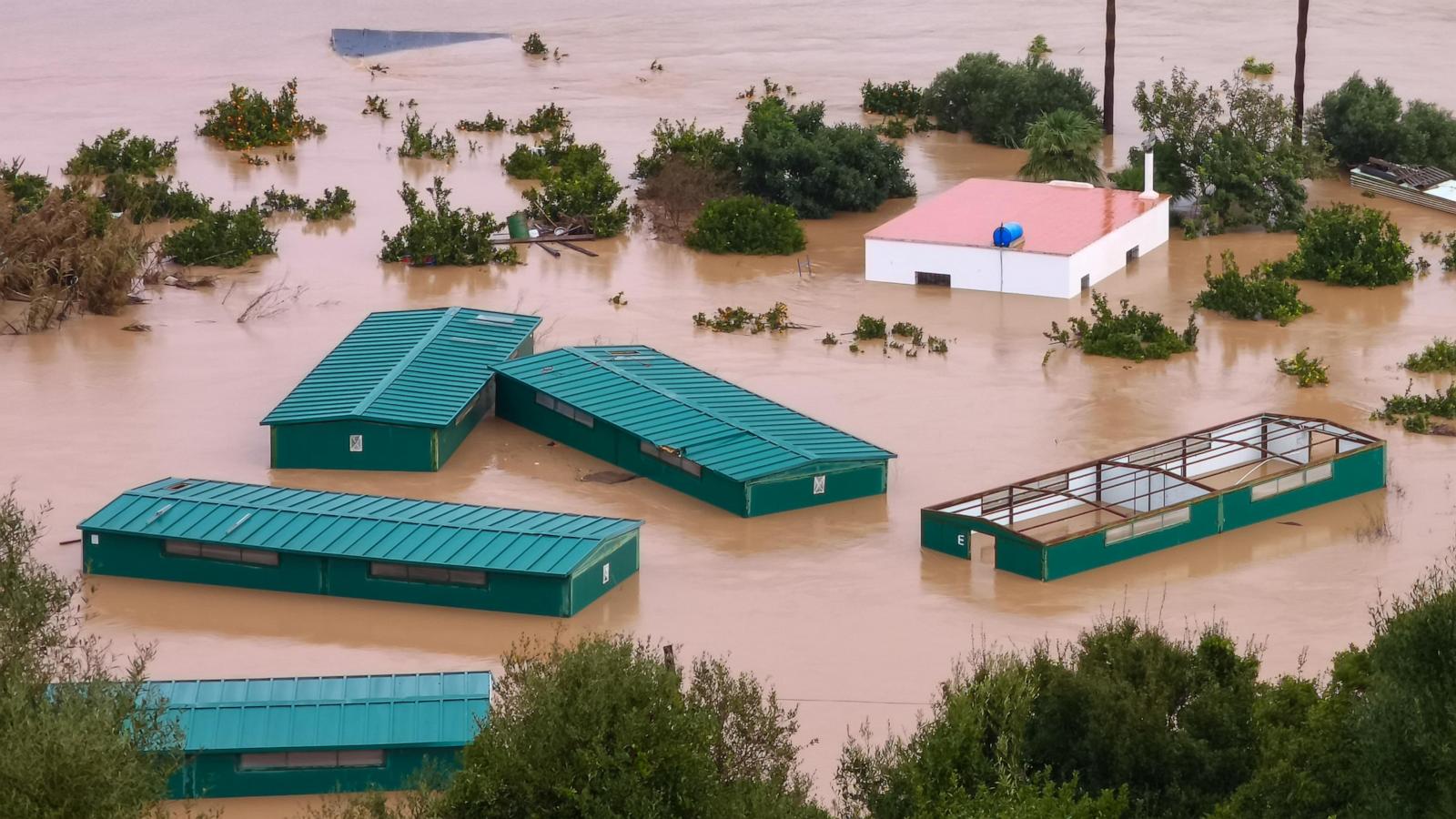
Storm Leonardo's severe impact on Spain and Portugal creates immediate operational challenges for cross-border e-commerce sellers. The storm caused 1 confirmed death in Portugal, left a girl missing in Spain, and forced approximately 4,000 evacuations in Andalusia with dozens of roads remaining closed. The southern Portuguese city of Alcacer do Sal experienced catastrophic flooding with water levels reaching 2 meters in downtown areas, while heavy rains continue across multiple Portuguese regions. This represents the second major storm system to impact the Iberian Peninsula in recent weeks, following a late January event that caused significant destruction and multiple fatalities.
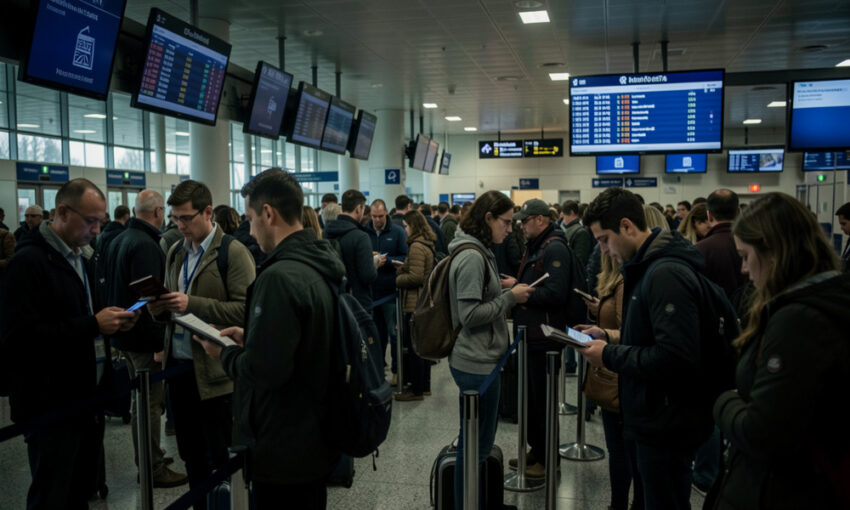
For cross-border sellers, Storm Leonardo directly impacts fulfillment operations and logistics networks serving Spain and Portugal. The road closures in Andalusia and flooding in the Sado River region disrupt critical distribution corridors connecting European fulfillment centers to Iberian markets. Sellers using 3PL providers (DHL, DPD, Correos) in these regions face 5-14 day delivery delays and potential surcharges of 8-15% for emergency routing. Amazon FBA sellers with inventory in Spanish fulfillment centers (particularly Madrid and Barcelona hubs) may experience temporary processing delays, while sellers relying on Portuguese distribution points face more severe disruptions. The recurring storm pattern signals ongoing weather volatility through Q1 2025, requiring sellers to adjust inventory positioning and customer communication strategies.
Strategic implications extend beyond immediate logistics disruptions. Sellers should monitor regional demand shifts as affected consumers prioritize emergency supplies (flashlights, batteries, water, first-aid kits, sandbags, tarps) over discretionary purchases. This creates short-term category opportunities in safety and emergency preparedness products, particularly in Andalusia and southern Portugal regions. Conversely, sellers in fashion, electronics, and home goods should expect 15-25% demand reduction in affected areas during recovery periods. The infrastructure damage may accelerate adoption of alternative logistics routes through France or Italy, increasing shipping costs by 12-18% for 2-3 weeks. Sellers should also prepare for potential VAT compliance complications if warehouse operations are disrupted, as Spanish and Portuguese tax authorities may grant temporary filing extensions.
Yes, consider temporary inventory reallocation for 4-6 weeks. Redirect 20-30% of planned shipments to French (Paris, Lyon) or Italian (Milan, Rome) fulfillment centers to maintain service levels while Iberian logistics normalize. This increases per-unit fulfillment costs by 12-18% but preserves customer satisfaction and Buy Box eligibility. For sellers with existing inventory in Spanish/Portuguese FBA centers, request temporary inventory transfers to alternative EU hubs if available. Monitor FBA inventory aging metrics closely—products sitting in affected warehouses may incur higher long-term storage fees if processing delays extend beyond 30 days. After logistics normalize (late February), rebalance inventory back to Iberian hubs to optimize shipping costs. This strategy is most cost-effective for sellers with 500+ monthly units to affected regions.
Position your brand as a reliable supplier during regional recovery by emphasizing fast shipping from unaffected hubs and transparent delivery communication. Create targeted PPC campaigns highlighting 'Fast Delivery to Spain' and 'Portugal Emergency Supplies' for emergency preparedness categories. Develop email campaigns to existing Spanish/Portuguese customers offering 10-15% discounts on essential products (batteries, flashlights, water) to drive recovery-period demand. Sellers in home improvement and construction categories should target contractors and property managers managing storm damage repairs—expect 25-40% demand increase for tarps, sandbags, dehumidifiers, and water pumps through March 2025. Use social listening tools to identify storm-related conversations and engage with affected communities through helpful, non-promotional content. This positions your brand favorably for long-term customer loyalty in recovering regions.
Storm Leonardo creates 5-14 day delivery delays for FBA shipments to Iberian fulfillment centers due to road closures in Andalusia and flooding in southern Portugal. Sellers should expect temporary processing delays at Madrid and Barcelona FBA hubs, with potential inventory placement restrictions if warehouse capacity becomes constrained. Amazon may grant temporary extensions on FBA performance metrics (order defect rate, late shipment rate) for affected sellers, similar to previous natural disaster protocols. Monitor Seller Central notifications for regional fulfillment updates and consider redirecting inventory to alternative EU hubs (France, Italy) if delays exceed 10 days. Expect 8-12% cost increases for expedited routing through unaffected logistics corridors.
Storm Leonardo may disrupt VAT filing and customs documentation for sellers with warehouses in affected regions. Spanish and Portuguese tax authorities typically grant temporary filing extensions (5-10 days) following natural disasters, but sellers must proactively request relief through local tax offices. Inventory damage or loss may trigger insurance claims requiring detailed customs documentation—maintain photographic evidence of stock conditions. If fulfillment operations are temporarily relocated to alternative EU hubs, sellers must update VAT registration addresses and notify customs authorities of warehouse changes. Consult with EU VAT compliance specialists immediately if your primary warehouse is in Andalusia or southern Portugal. Document all storm-related business interruptions for potential tax deduction claims in 2025 filings.
Based on the news reporting 4,000 evacuations and dozens of closed roads, expect 5-14 day delays for standard shipping routes through mid-February 2025. The Spanish weather agency warned of additional storm systems expected over the weekend, potentially extending disruptions. Historical comparison: the late January storm caused 2-3 week recovery periods for logistics networks. Sellers should communicate 10-12 day delivery estimates to customers in affected regions and offer expedited shipping options at premium pricing. Monitor Spanish/Portuguese transportation authority updates daily for road reopening timelines. Most major corridors (Madrid-Lisbon, Barcelona-Valencia) should normalize by late February, but secondary routes may remain disrupted longer. Consider temporary suspension of standard shipping to affected zip codes if you cannot guarantee delivery windows.
Storm Leonardo creates immediate demand spikes for emergency preparedness products in affected regions: flashlights (BSR improvement 40-60%), batteries (AA/AAA demand up 35-50%), bottled water (case sales +45-70%), first-aid kits (+25-40%), sandbags/tarps (+50-80%), and portable generators. Sellers in these categories should increase PPC bids by 15-25% targeting Spanish/Portuguese zip codes in Andalusia and Alentejo regions. Historical data from 2023 Portuguese flooding shows emergency category demand sustains for 2-3 weeks post-event, then normalizes. Sellers should stock 20-30% additional inventory in these categories through February 2025 to capture the opportunity window. Ensure product listings emphasize rapid shipping and include customer reviews highlighting durability/reliability.
Implement alternative routing through France and Italy to avoid flooded Iberian corridors, accepting 12-18% cost increases for 2-3 weeks. Contact 3PL providers (DHL, DPD, Correos) immediately to confirm service levels and surcharge amounts—expect 8-15% emergency routing fees. For Amazon FBA sellers, consider splitting inventory shipments across multiple hubs to reduce concentration risk. Communicate transparently with customers about potential 5-7 day delays via listing updates and pre-purchase messaging. Monitor road reopening timelines through Spanish/Portuguese transportation authorities (Dirección General de Tráfico, Instituto da Mobilidade e dos Transportes) and revert to standard routing once Andalusia corridors clear. Negotiate volume discounts with alternative carriers to offset temporary cost increases.
Yes, implement dynamic pricing for emergency and recovery-related product categories in affected Spanish and Portuguese regions. Demand for water damage restoration, waterproofing, and emergency supplies will spike 150-200% within 7-10 days, justifying 15-25% price increases for these categories. However, avoid price gouging on essential items—maintain ethical pricing on emergency supplies while maximizing margins on discretionary recovery products. Use Amazon's dynamic pricing tools or Shopify's pricing apps to adjust automatically based on regional demand signals. Monitor competitor pricing in affected regions and adjust within 2-3 days to capture demand while maintaining customer trust and avoiding negative reviews.
Yes, consider temporary inventory reallocation for 4-6 weeks. Redirect 20-30% of planned shipments to French (Paris, Lyon) or Italian (Milan, Rome) fulfillment centers to maintain service levels while Iberian logistics normalize. This increases per-unit fulfillment costs by 12-18% but preserves customer satisfaction and Buy Box eligibility. For sellers with existing inventory in Spanish/Portuguese FBA centers, request temporary inventory transfers to alternative EU hubs if available. Monitor FBA inventory aging metrics closely—products sitting in affected warehouses may incur higher long-term storage fees if processing delays extend beyond 30 days. After logistics normalize (late February), rebalance inventory back to Iberian hubs to optimize shipping costs. This strategy is most cost-effective for sellers with 500+ monthly units to affected regions.
Position your brand as a reliable supplier during regional recovery by emphasizing fast shipping from unaffected hubs and transparent delivery communication. Create targeted PPC campaigns highlighting 'Fast Delivery to Spain' and 'Portugal Emergency Supplies' for emergency preparedness categories. Develop email campaigns to existing Spanish/Portuguese customers offering 10-15% discounts on essential products (batteries, flashlights, water) to drive recovery-period demand. Sellers in home improvement and construction categories should target contractors and property managers managing storm damage repairs—expect 25-40% demand increase for tarps, sandbags, dehumidifiers, and water pumps through March 2025. Use social listening tools to identify storm-related conversations and engage with affected communities through helpful, non-promotional content. This positions your brand favorably for long-term customer loyalty in recovering regions.
Storm Leonardo creates 5-14 day delivery delays for FBA shipments to Iberian fulfillment centers due to road closures in Andalusia and flooding in southern Portugal. Sellers should expect temporary processing delays at Madrid and Barcelona FBA hubs, with potential inventory placement restrictions if warehouse capacity becomes constrained. Amazon may grant temporary extensions on FBA performance metrics (order defect rate, late shipment rate) for affected sellers, similar to previous natural disaster protocols. Monitor Seller Central notifications for regional fulfillment updates and consider redirecting inventory to alternative EU hubs (France, Italy) if delays exceed 10 days. Expect 8-12% cost increases for expedited routing through unaffected logistics corridors.
Storm Leonardo may disrupt VAT filing and customs documentation for sellers with warehouses in affected regions. Spanish and Portuguese tax authorities typically grant temporary filing extensions (5-10 days) following natural disasters, but sellers must proactively request relief through local tax offices. Inventory damage or loss may trigger insurance claims requiring detailed customs documentation—maintain photographic evidence of stock conditions. If fulfillment operations are temporarily relocated to alternative EU hubs, sellers must update VAT registration addresses and notify customs authorities of warehouse changes. Consult with EU VAT compliance specialists immediately if your primary warehouse is in Andalusia or southern Portugal. Document all storm-related business interruptions for potential tax deduction claims in 2025 filings.
Based on the news reporting 4,000 evacuations and dozens of closed roads, expect 5-14 day delays for standard shipping routes through mid-February 2025. The Spanish weather agency warned of additional storm systems expected over the weekend, potentially extending disruptions. Historical comparison: the late January storm caused 2-3 week recovery periods for logistics networks. Sellers should communicate 10-12 day delivery estimates to customers in affected regions and offer expedited shipping options at premium pricing. Monitor Spanish/Portuguese transportation authority updates daily for road reopening timelines. Most major corridors (Madrid-Lisbon, Barcelona-Valencia) should normalize by late February, but secondary routes may remain disrupted longer. Consider temporary suspension of standard shipping to affected zip codes if you cannot guarantee delivery windows.
Storm Leonardo creates immediate demand spikes for emergency preparedness products in affected regions: flashlights (BSR improvement 40-60%), batteries (AA/AAA demand up 35-50%), bottled water (case sales +45-70%), first-aid kits (+25-40%), sandbags/tarps (+50-80%), and portable generators. Sellers in these categories should increase PPC bids by 15-25% targeting Spanish/Portuguese zip codes in Andalusia and Alentejo regions. Historical data from 2023 Portuguese flooding shows emergency category demand sustains for 2-3 weeks post-event, then normalizes. Sellers should stock 20-30% additional inventory in these categories through February 2025 to capture the opportunity window. Ensure product listings emphasize rapid shipping and include customer reviews highlighting durability/reliability.
Implement alternative routing through France and Italy to avoid flooded Iberian corridors, accepting 12-18% cost increases for 2-3 weeks. Contact 3PL providers (DHL, DPD, Correos) immediately to confirm service levels and surcharge amounts—expect 8-15% emergency routing fees. For Amazon FBA sellers, consider splitting inventory shipments across multiple hubs to reduce concentration risk. Communicate transparently with customers about potential 5-7 day delays via listing updates and pre-purchase messaging. Monitor road reopening timelines through Spanish/Portuguese transportation authorities (Dirección General de Tráfico, Instituto da Mobilidade e dos Transportes) and revert to standard routing once Andalusia corridors clear. Negotiate volume discounts with alternative carriers to offset temporary cost increases.
Yes, implement dynamic pricing for emergency and recovery-related product categories in affected Spanish and Portuguese regions. Demand for water damage restoration, waterproofing, and emergency supplies will spike 150-200% within 7-10 days, justifying 15-25% price increases for these categories. However, avoid price gouging on essential items—maintain ethical pricing on emergency supplies while maximizing margins on discretionary recovery products. Use Amazon's dynamic pricing tools or Shopify's pricing apps to adjust automatically based on regional demand signals. Monitor competitor pricing in affected regions and adjust within 2-3 days to capture demand while maintaining customer trust and avoiding negative reviews.
Yes, consider temporary inventory reallocation for 4-6 weeks. Redirect 20-30% of planned shipments to French (Paris, Lyon) or Italian (Milan, Rome) fulfillment centers to maintain service levels while Iberian logistics normalize. This increases per-unit fulfillment costs by 12-18% but preserves customer satisfaction and Buy Box eligibility. For sellers with existing inventory in Spanish/Portuguese FBA centers, request temporary inventory transfers to alternative EU hubs if available. Monitor FBA inventory aging metrics closely—products sitting in affected warehouses may incur higher long-term storage fees if processing delays extend beyond 30 days. After logistics normalize (late February), rebalance inventory back to Iberian hubs to optimize shipping costs. This strategy is most cost-effective for sellers with 500+ monthly units to affected regions.
Position your brand as a reliable supplier during regional recovery by emphasizing fast shipping from unaffected hubs and transparent delivery communication. Create targeted PPC campaigns highlighting 'Fast Delivery to Spain' and 'Portugal Emergency Supplies' for emergency preparedness categories. Develop email campaigns to existing Spanish/Portuguese customers offering 10-15% discounts on essential products (batteries, flashlights, water) to drive recovery-period demand. Sellers in home improvement and construction categories should target contractors and property managers managing storm damage repairs—expect 25-40% demand increase for tarps, sandbags, dehumidifiers, and water pumps through March 2025. Use social listening tools to identify storm-related conversations and engage with affected communities through helpful, non-promotional content. This positions your brand favorably for long-term customer loyalty in recovering regions.