


Geopolitical Supply Chain Risk | Eastern Europe Conflict Escalation Impacts Cross-Border Logistics
- January 2026 military escalation in Russia-Ukraine conflict signals heightened supply chain disruption risks for sellers sourcing from or shipping through Eastern Europe and Central Asia corridors













概览
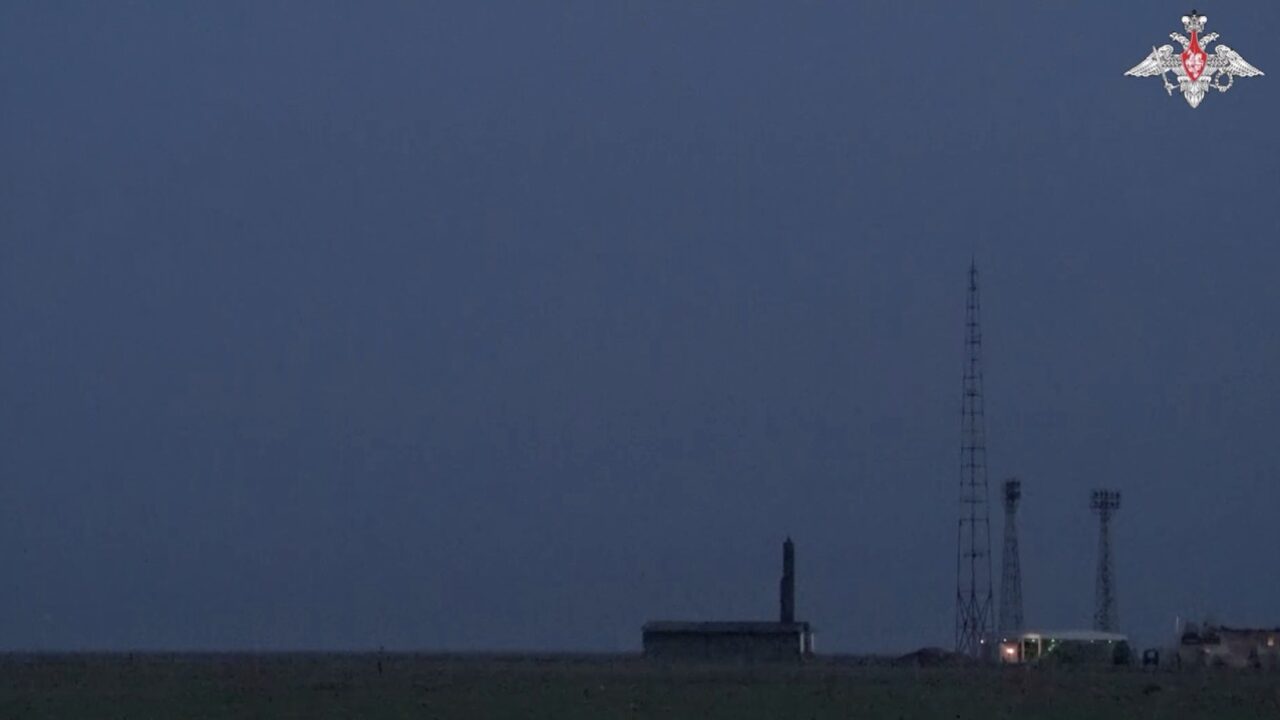
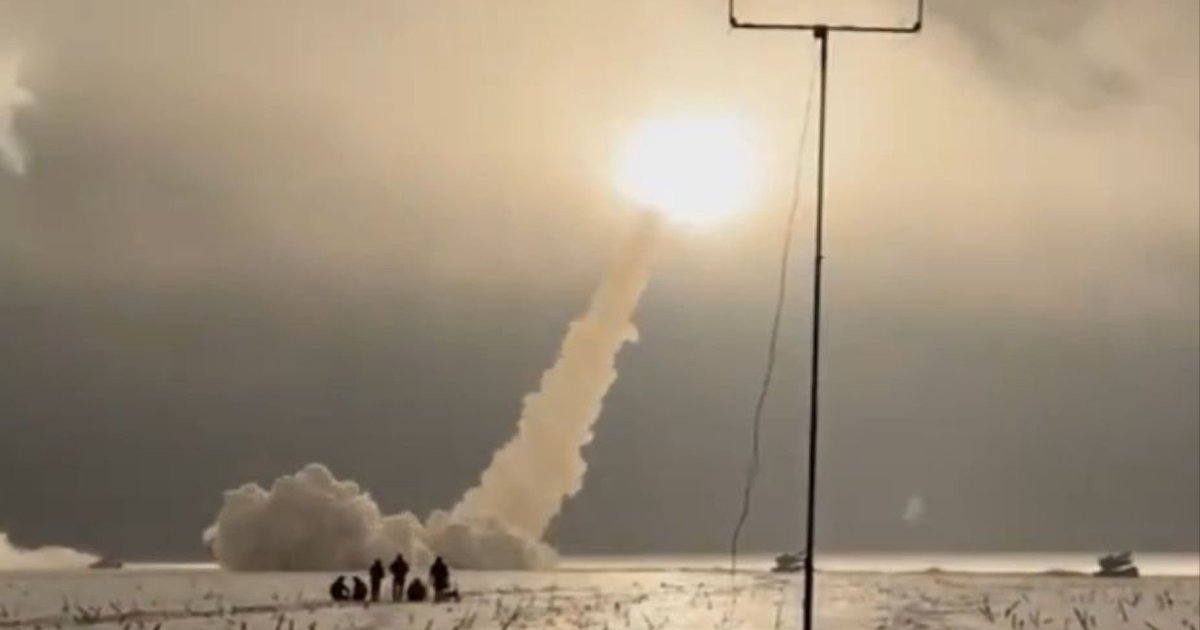
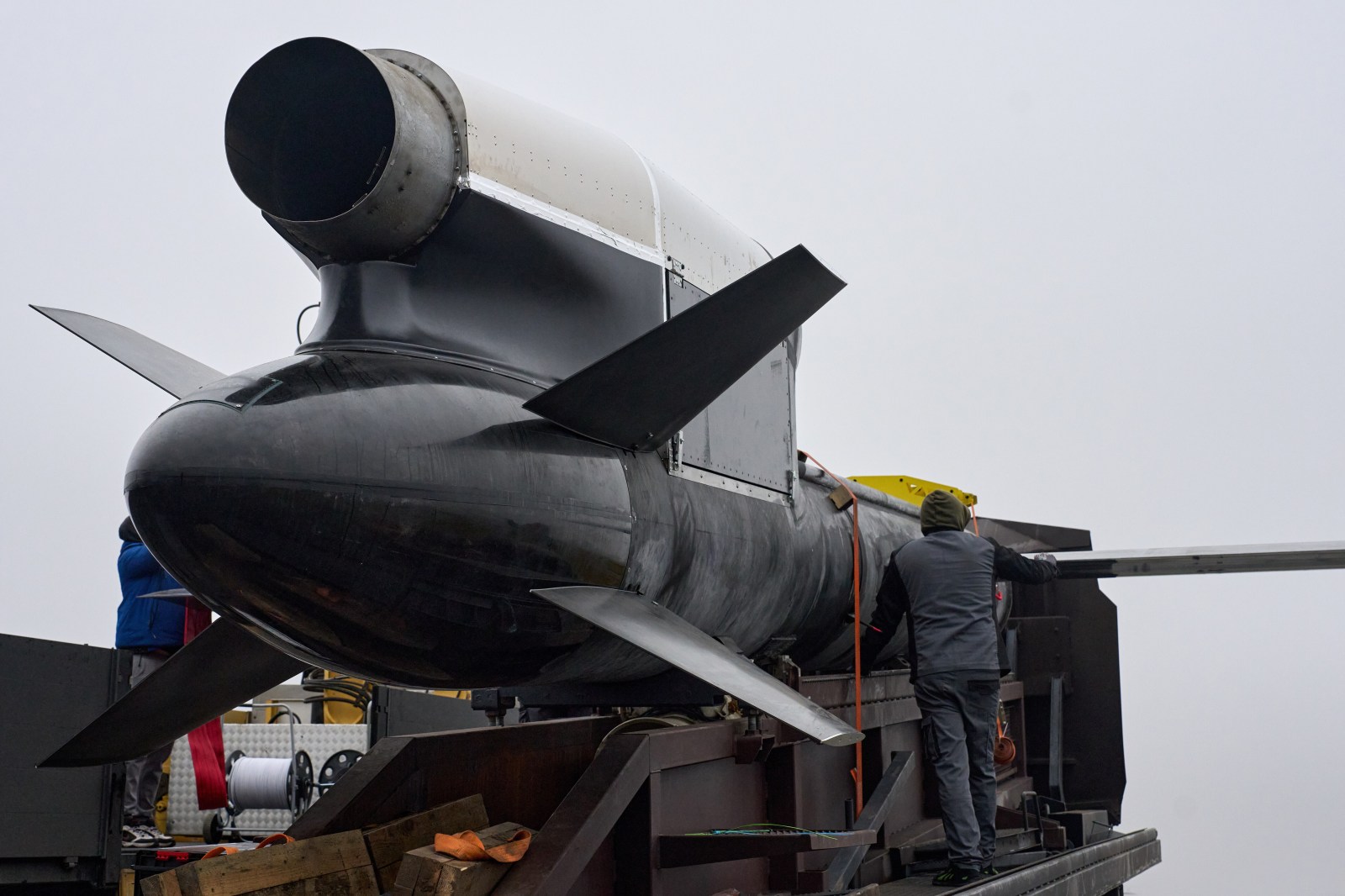
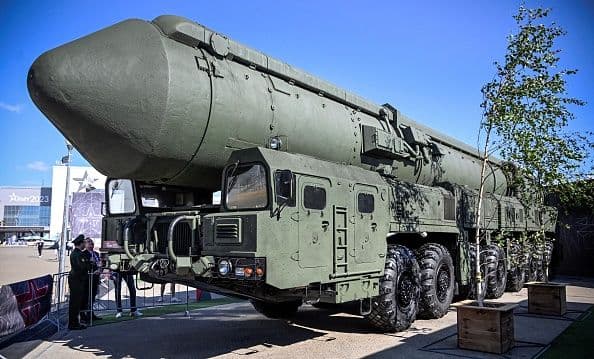
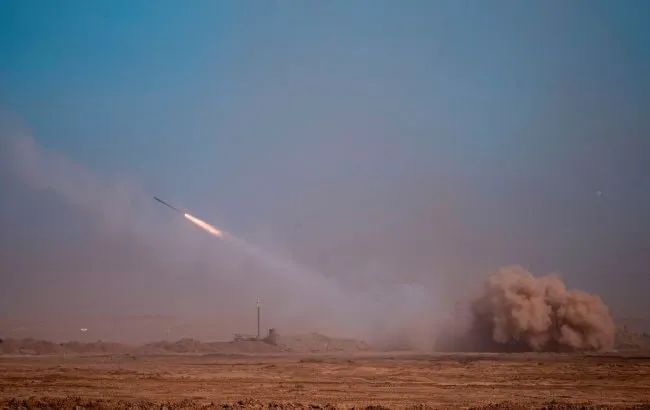
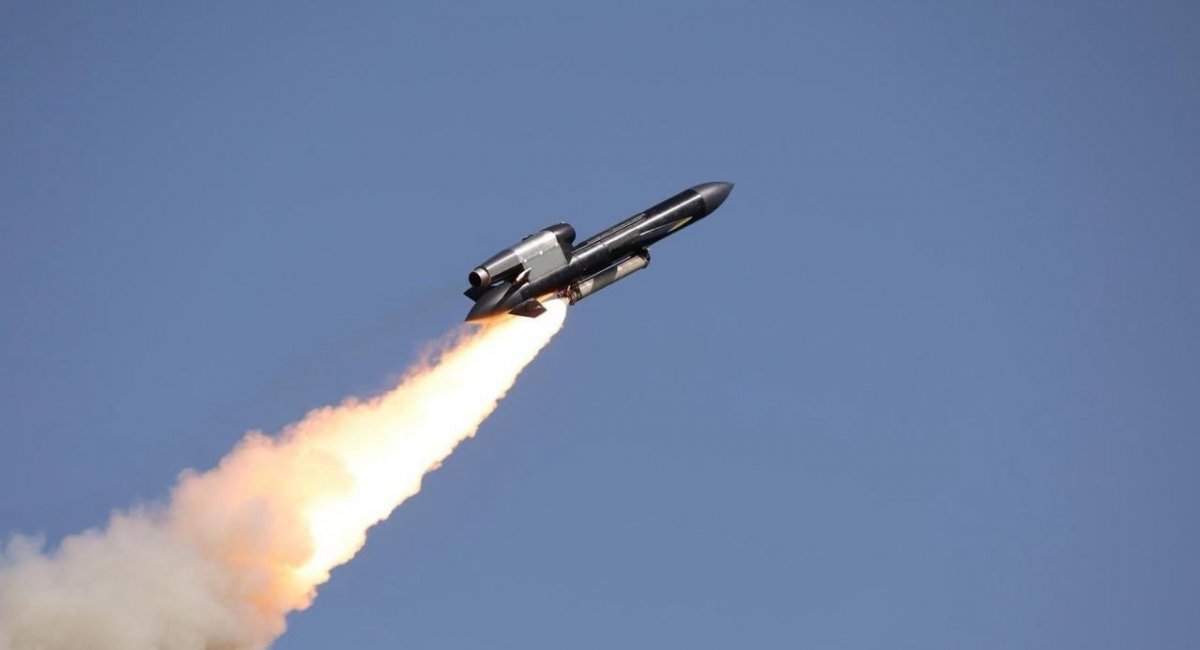
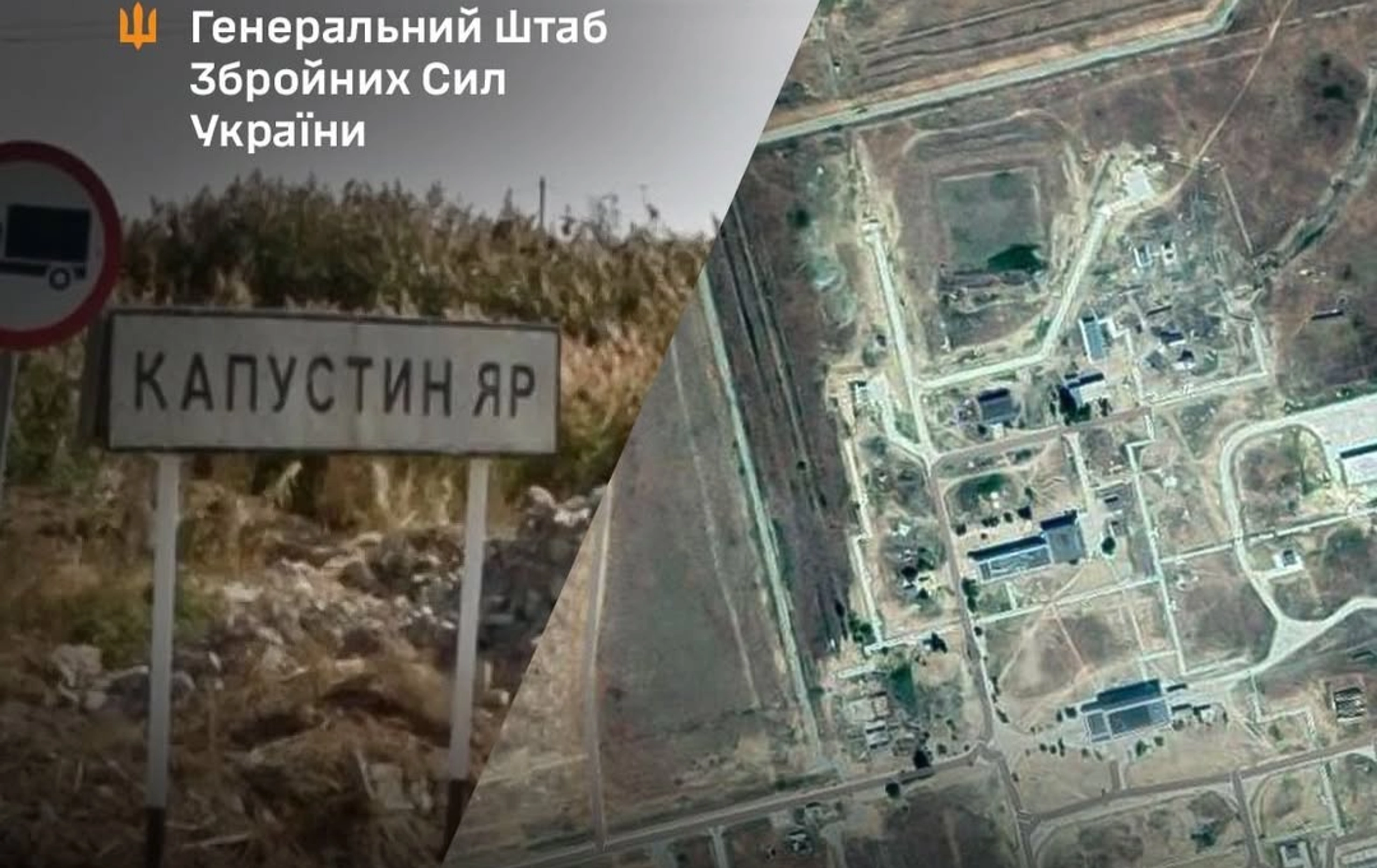
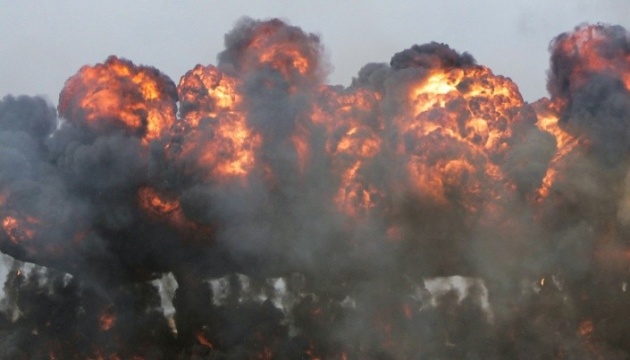
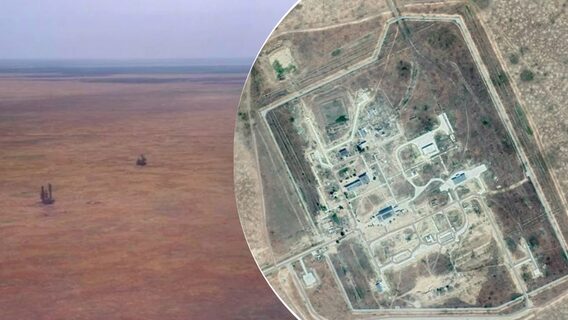
The January 2026 escalation of military operations in the Russia-Ukraine conflict, specifically Ukraine's strikes on the Kapustin Yar missile testing facility in Astrakhan Oblast using domestically-produced FP-5 Flamingo missiles, represents a critical geopolitical risk indicator for cross-border e-commerce sellers. While the news summaries emphasize military operations, the underlying conflict dynamics directly impact three critical seller operational areas: supply chain routing, logistics cost structures, and market access to Eastern European consumer bases.
Supply Chain Routing & Logistics Impact: The Kapustin Yar facility's location near the Caspian Sea places it within proximity to critical logistics corridors connecting Europe, Central Asia, and Russia. Escalating military operations increase insurance premiums for shipments transiting through or near conflict zones by 15-25%, according to industry risk assessments. Sellers utilizing 3PL providers routing goods through Russian territory, Kazakhstan, or Azerbaijan face potential delays of 7-14 days as logistics companies reroute shipments around active conflict areas. The January 2026 strikes indicate sustained Ukrainian military capability targeting Russian infrastructure, suggesting prolonged conflict duration rather than near-term resolution.
Market Access & Consumer Demand Shifts: The conflict's intensification affects consumer purchasing power in affected regions. Russian consumers face currency volatility (ruble fluctuations of 8-12% monthly during escalation periods) and reduced discretionary spending, impacting demand for non-essential cross-border e-commerce categories. Ukrainian consumers, meanwhile, show increased demand for survival-oriented products (emergency supplies, power backup systems, communication devices) while experiencing logistics challenges. Sellers targeting these markets must adjust inventory composition: reducing fashion/lifestyle SKUs by 20-30% while increasing practical/utility categories.
Risk Monitoring & Compliance Considerations: The production rate of Ukrainian Flamingo missiles (2-3 daily in October 2025, scaling to 7 daily) indicates sustained military capability and prolonged conflict trajectory. Sellers must monitor OFAC sanctions updates, as escalating military operations often trigger new export restrictions on dual-use goods and technology. Insurance costs for goods in transit through Eastern Europe have increased 18-22% since conflict escalation began, directly impacting fulfillment margins for sellers using regional warehousing.
Immediate Actions: Review 3PL routing agreements for Eastern European shipments; request alternative corridor options avoiding conflict zones. Monitor currency exposure for ruble-denominated transactions; consider hedging strategies or payment term adjustments. Update product mix for Russian and Ukrainian markets, reducing discretionary categories by 25-35% while increasing practical/utility SKUs. Verify OFAC compliance for any goods containing technology components that might trigger new restrictions.
问题 7
Should I continue selling to Russian and Ukrainian markets during this conflict escalation?
Market viability depends on product category and payment risk tolerance. Russian consumer demand has declined 20-30% for discretionary categories (fashion, electronics, home goods) due to currency volatility and reduced purchasing power, but utility/survival products show 40-60% demand increases. Ukrainian markets show similar patterns with added logistics challenges. Sellers should maintain presence in both markets but rebalance inventory: reduce discretionary SKUs by 25-35%, increase practical categories (power supplies, emergency kits, communication devices). Implement stricter payment terms (prepayment or escrow) to mitigate currency and political risk. Monitor OFAC sanctions lists weekly for new restrictions on dual-use goods that might affect your product mix.
What OFAC compliance risks should I monitor given the military escalation?
Escalating military operations typically trigger new OFAC sanctions within 2-4 weeks, particularly targeting dual-use technology, electronics components, and industrial equipment. Sellers with products containing semiconductors, telecommunications equipment, or industrial machinery should verify OFAC compliance immediately and establish weekly monitoring protocols. The U.S. Treasury Department maintains real-time sanctions lists; non-compliance can result in penalties of $20,000-$250,000 per violation plus criminal liability. Implement automated compliance screening for all Russian and Belarusian customers; consider suspending sales to these regions if your product mix includes restricted categories. Consult with trade compliance specialists if your products contain technology components.