




Geopolitical Realignment Reshapes Cross-Border E-Commerce Tariff Structures and Market Access | 2026 Trade Policy Shifts
- China's strategic repositioning amid Trump's Western Hemisphere focus creates $1.2T trade surplus opportunity; EU-China tensions escalate with 11.7% dairy tariffs; sellers face tariff volatility, supply chain uncertainty, and competitive pressure from Chinese exporters across Western markets













概览
The geopolitical landscape of 2026 presents a fundamental realignment that directly impacts cross-border e-commerce sellers' tariff exposure, market access strategies, and competitive positioning. China's worldwide trade surplus surged 20% to a record $1.2 trillion in 2025, despite reduced US-China trade volume, signaling that Beijing's economic diplomacy is successfully offsetting Western trade restrictions. Simultaneously, China has imposed duties up to 11.7% on European dairy products (targeting France, Ireland, and Spain) in retaliation for EU electric vehicle levies, while the EU has become the leading source of commercial tensions among 20 tracked economies—overtaking the US in November.
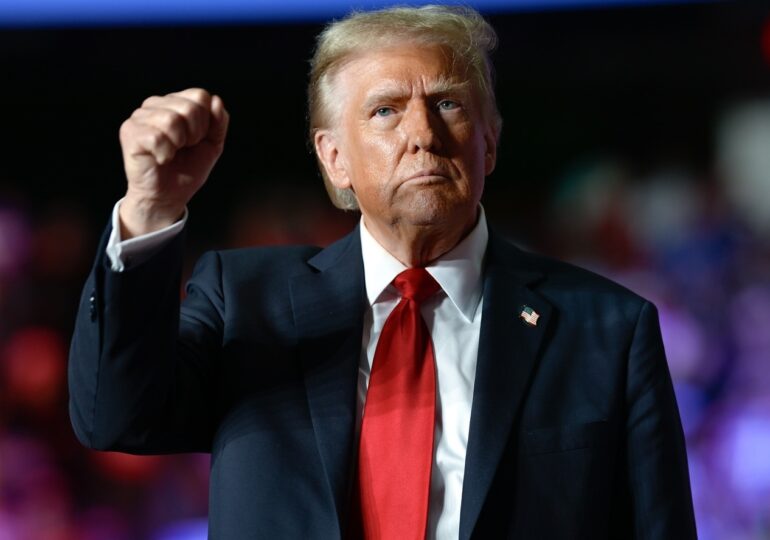
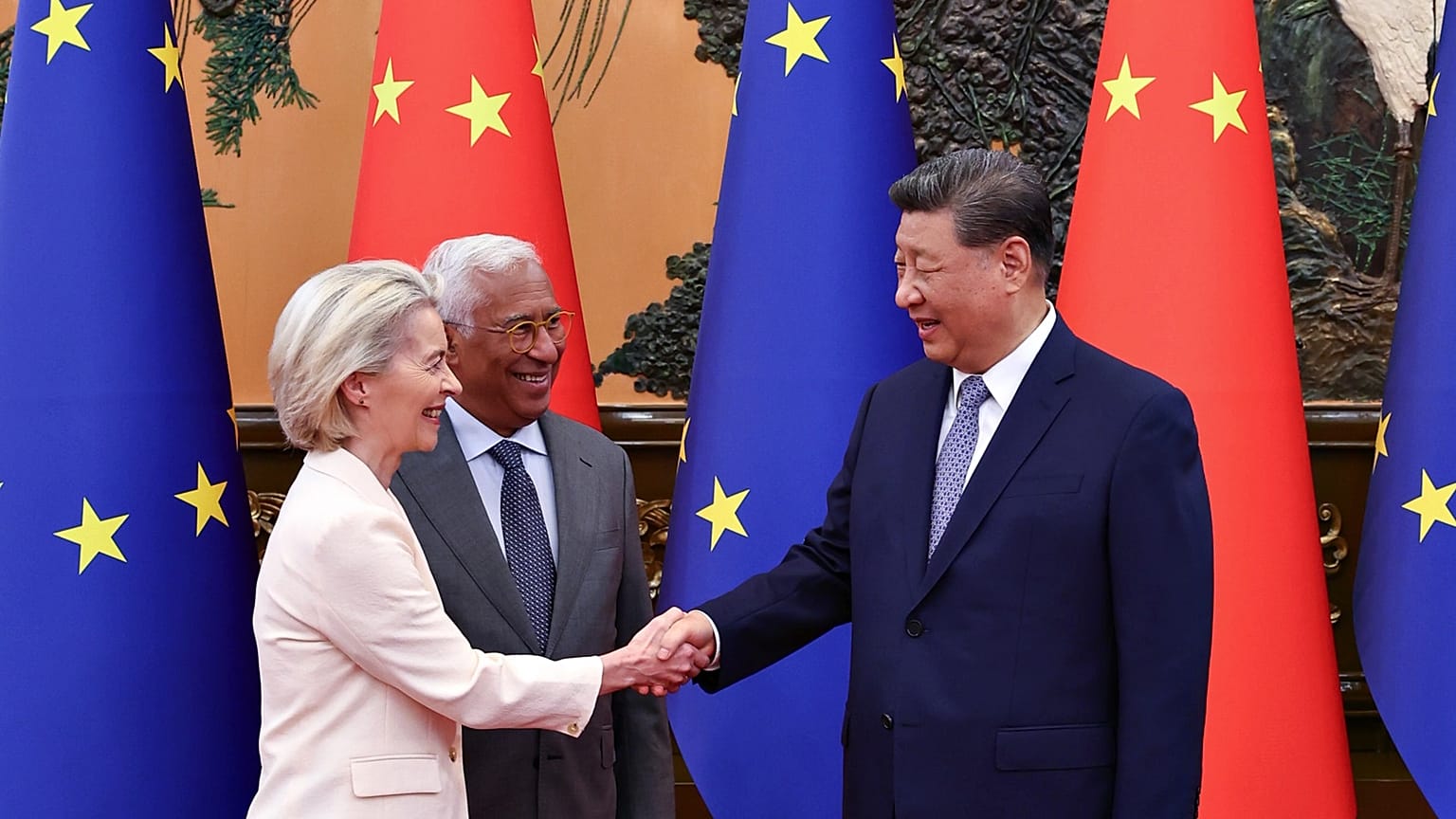
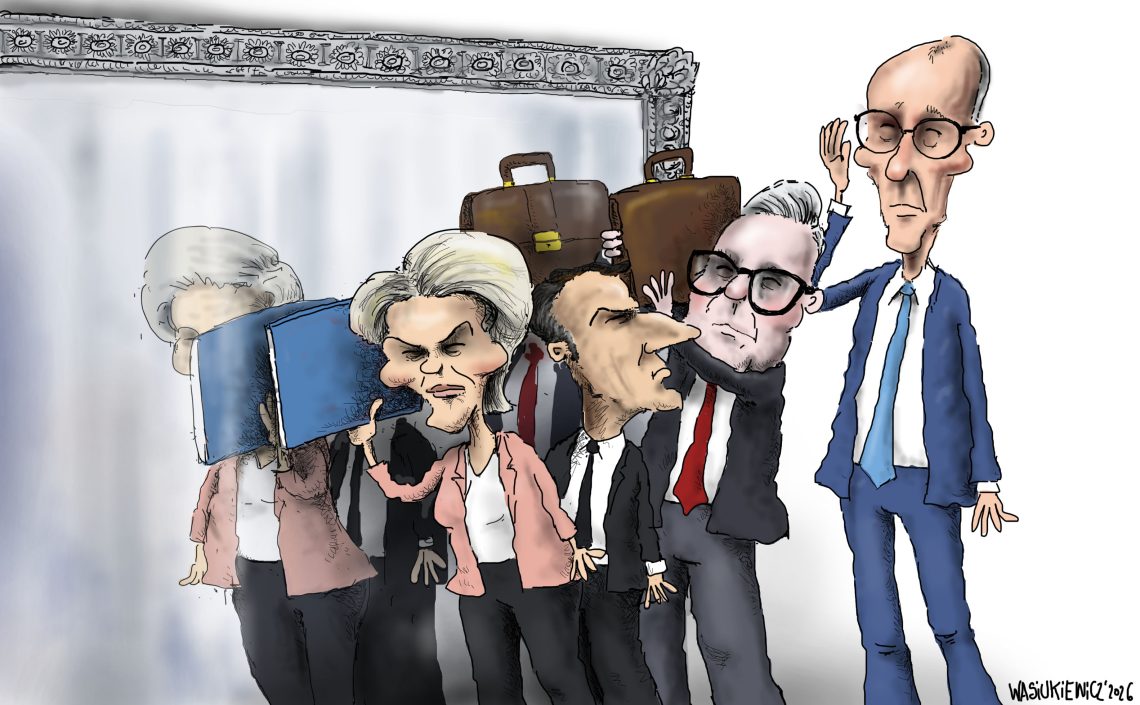
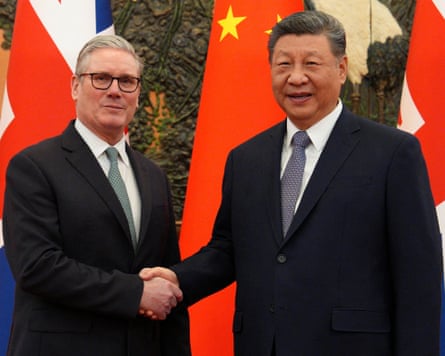
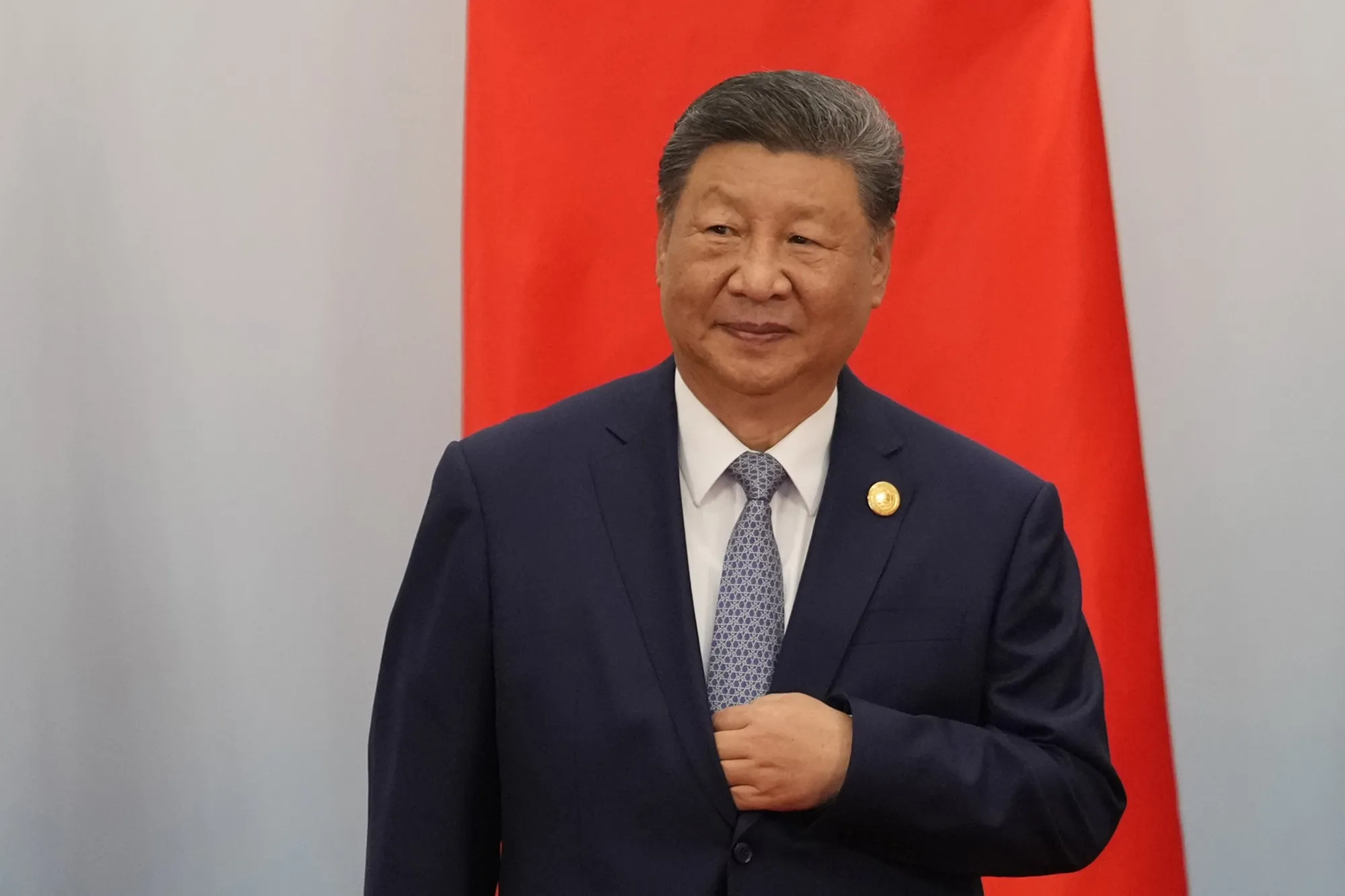
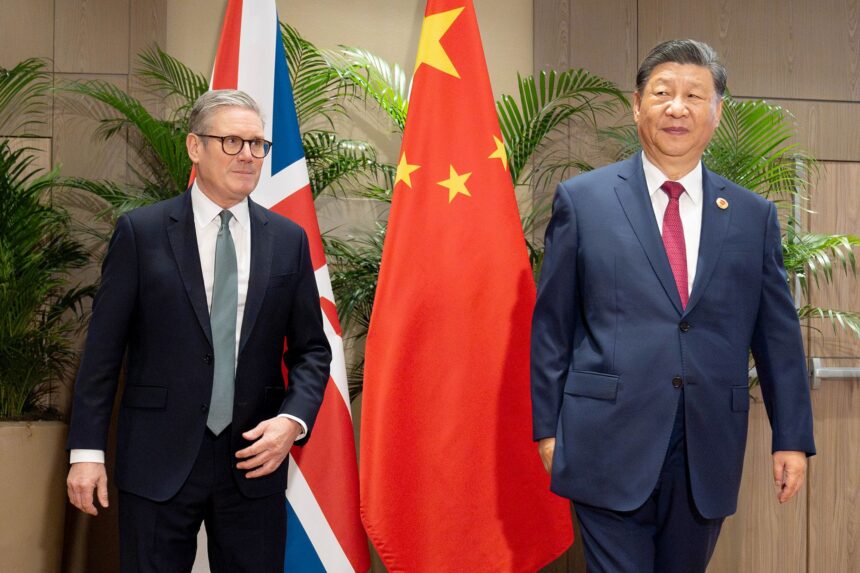
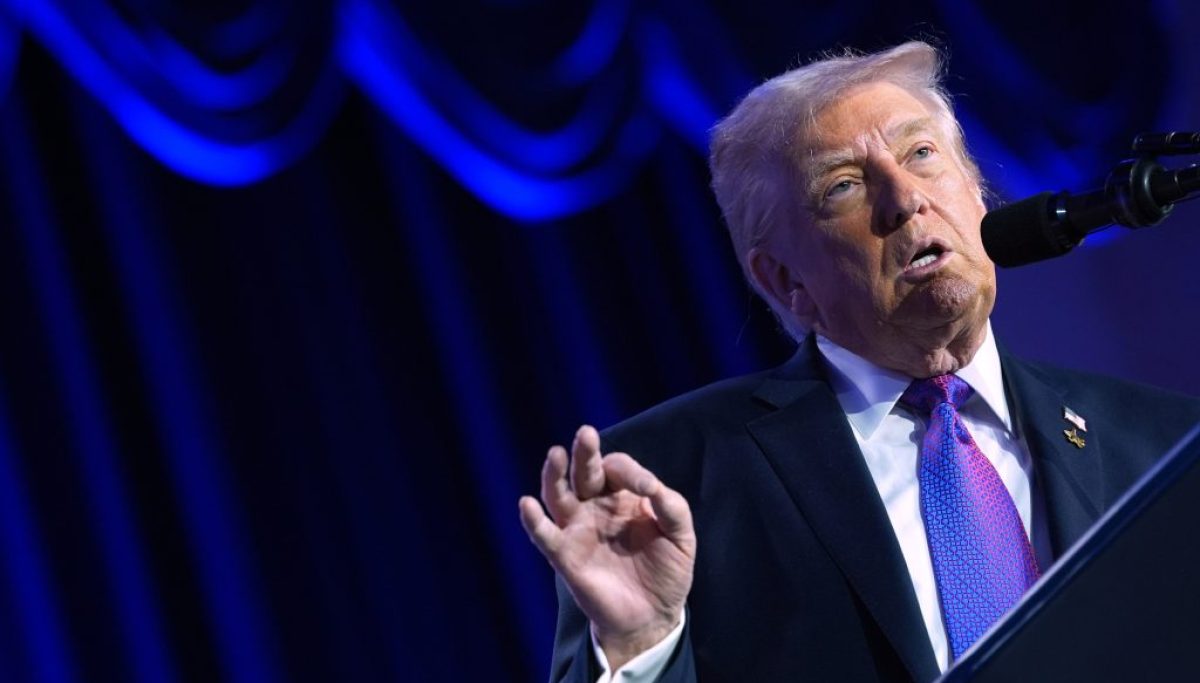
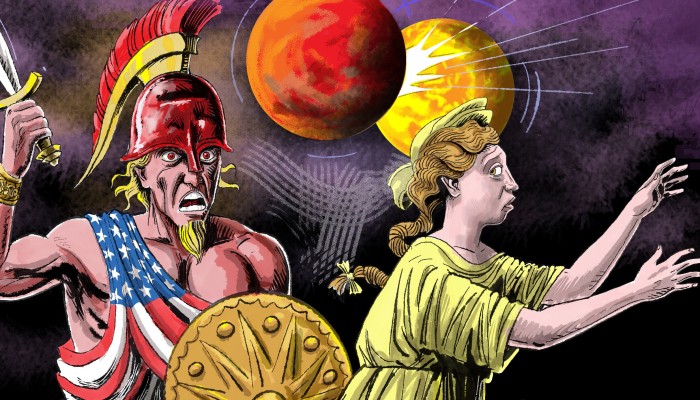
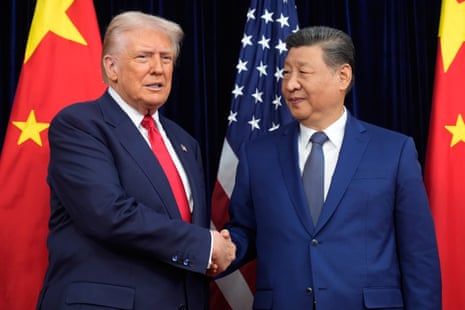
This bifurcated strategy reflects China's sophisticated approach: while positioning itself as a reliable partner to Western allies through high-level diplomatic visits (UK PM Starmer, French President Macron, German Chancellor Merz, Canadian PM Carney), Beijing simultaneously escalates trade pressure on specific sectors. Trump's non-interventionist stance toward Asia-Pacific provides temporary regulatory relief, reducing immediate confrontational pressure on sellers operating in Asian markets. However, Trump's reversal of Biden-era restrictions on Nvidia AI chip sales to China and his National Security Strategy's removal of China as a "strategic rival" signal unpredictable policy shifts that undermine tariff stability for sellers relying on consistent trade frameworks.
For cross-border sellers, the operational implications are severe. European sellers exporting to China face escalating tariff risks in agricultural and technology sectors, with retaliation risks extending beyond dairy to rare earth exports and semiconductor components. Canadian sellers benefit from relaxed EV tariffs in exchange for agricultural market access, creating a template for bilateral negotiations that may reshape regional trade corridors. US-based sellers sourcing from China face margin compression as Chinese exporters gain competitive advantages in Western markets—Pew Research data shows 41% of respondents now view China as the world's leading economic power versus 39% for the US, a perception shift that translates to increased openness to Chinese products across Europe and Asia-Pacific.
The EU-Singapore digital trade agreement now in force establishes a sandbox for digital commerce standards that may influence broader regional frameworks, creating opportunities for sellers to optimize compliance strategies ahead of broader adoption. Meanwhile, Australian trade negotiations with the EU aim to conclude by mid-February, potentially opening new sourcing corridors as countries diversify away from China dependency. The critical timing window is immediate: sellers must reassess tariff exposure by product category (HS codes), evaluate supply chain diversification to Vietnam/India/Australia, and monitor bilateral trade negotiations that could shift tariff structures within 30-90 days. Trump's demonstrated willingness to roll back tariffs when facing Chinese retaliation (rare earth restrictions, soybean bans) suggests tariff volatility will persist, making supply chain flexibility more valuable than ever.
问题 8
What market opportunities emerge from the EU-Singapore digital trade agreement sandbox?
The EU-Singapore digital trade agreement's sandbox for digital commerce standards creates opportunities for sellers to optimize compliance strategies ahead of broader regional adoption. This agreement may influence ASEAN-wide standards and eventually broader EU frameworks. Sellers should monitor the sandbox's technical requirements (data localization, payment systems, digital signatures) and begin implementing compliant systems now. Early adoption provides competitive advantages when standards become mandatory. The agreement particularly benefits sellers in digital services, software, and e-commerce platforms. Sellers should engage with EU and Singapore regulatory bodies to understand sandbox requirements and participate in pilot programs if available. This positions sellers as early movers when standards expand to other markets.
How do China's 11.7% dairy tariffs affect European cross-border sellers exporting to China?
European sellers exporting dairy products, specialty foods, and agricultural goods to China face immediate margin compression of 11.7% on tariffed items, with additional retaliation risks extending to technology and semiconductor sectors. This represents a direct response to EU electric vehicle levies and signals Beijing's willingness to target politically sensitive sectors in France, Ireland, and Spain. Sellers should immediately audit their HS codes (dairy: 0401-0406) against China's tariff list and evaluate alternative markets or product repositioning. The retaliation pattern suggests additional tariffs may follow on other EU-origin products, making supply chain diversification urgent within 30-60 days.