


Ukraine Conflict Supply Chain Disruption | Cross-Border Sellers Face Logistics & Sourcing Challenges
- Ongoing territorial instability threatens Eastern European manufacturing hubs and logistics corridors affecting 15,000+ cross-border sellers sourcing from Ukraine/Russia region





概览
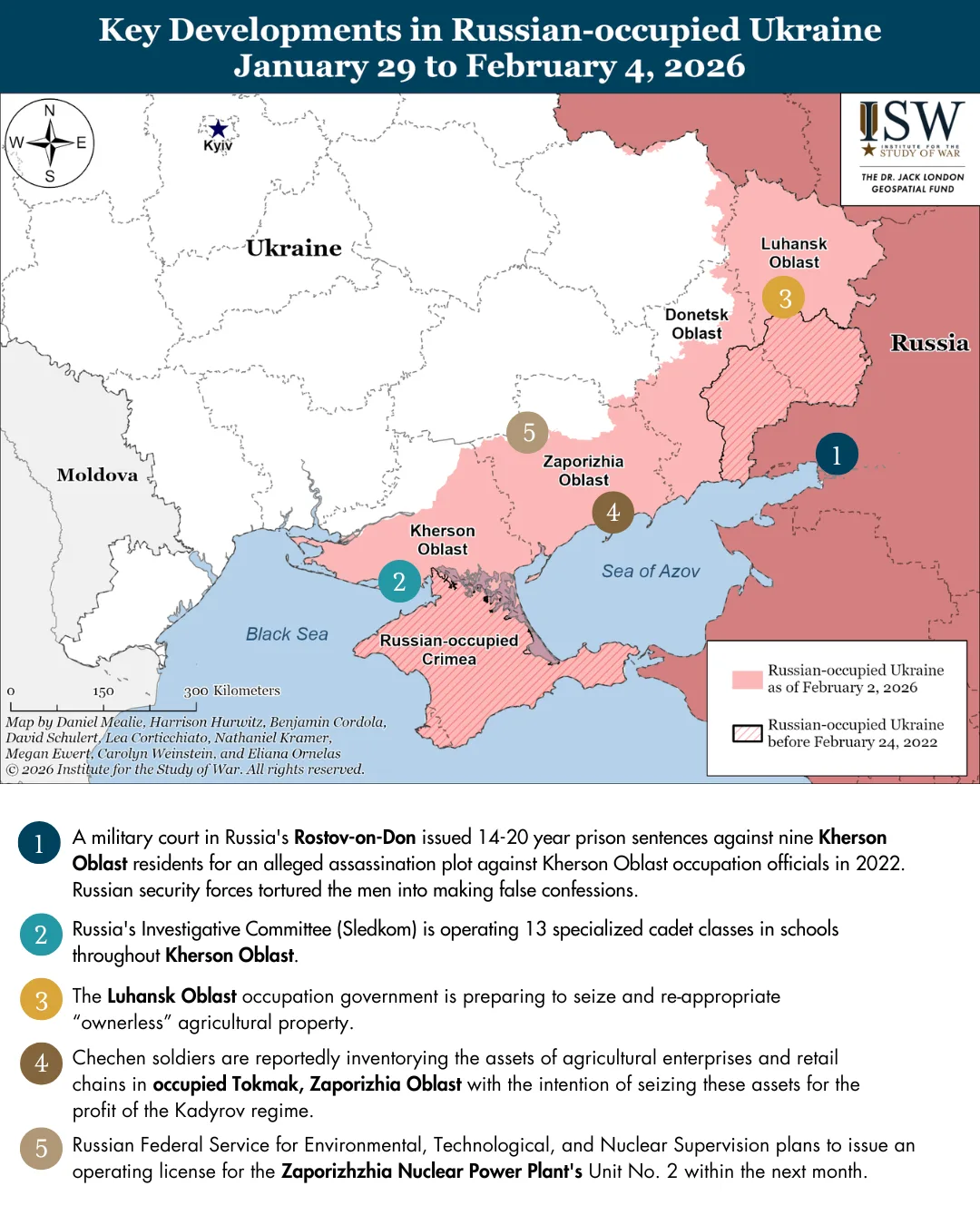
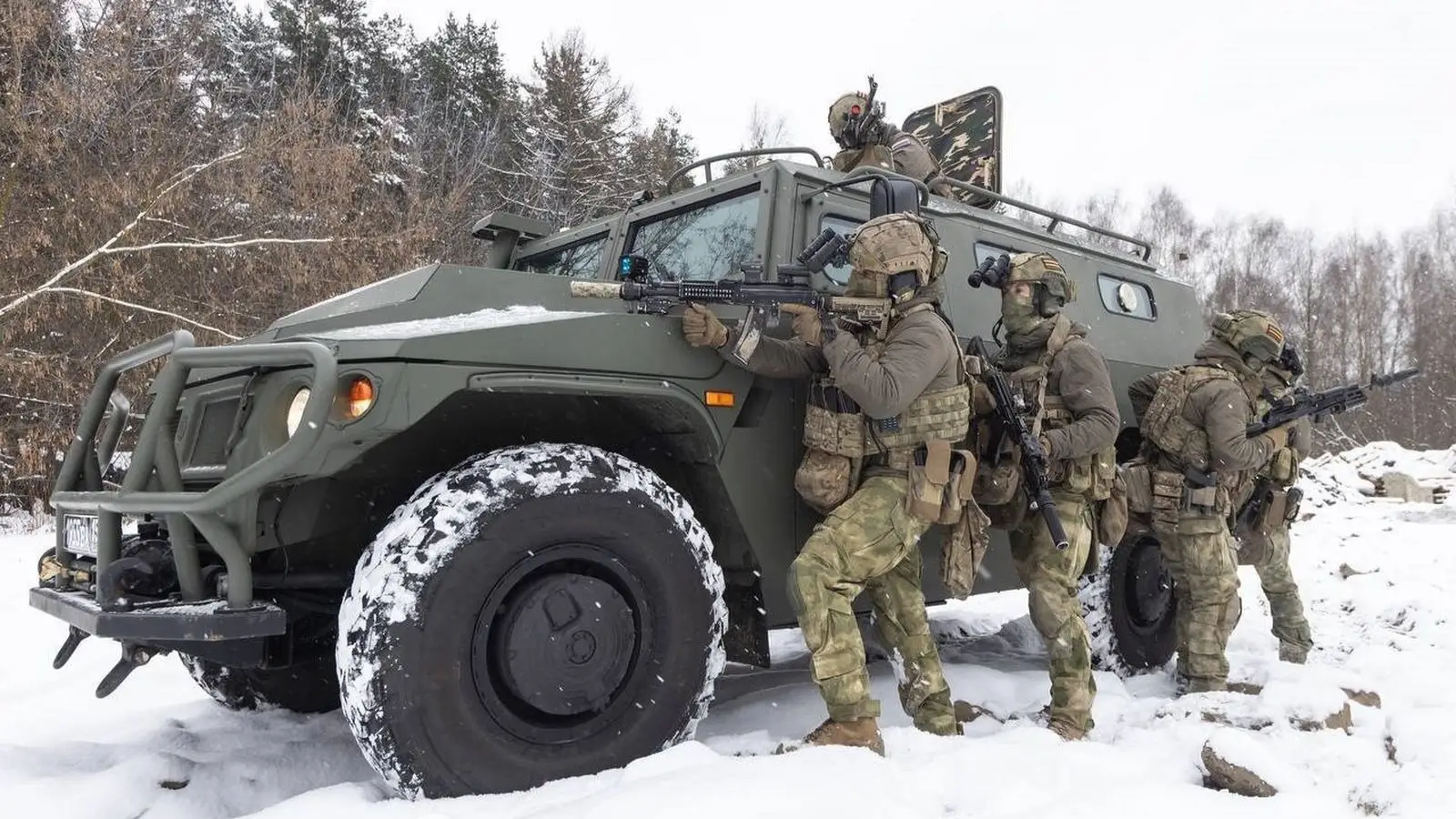
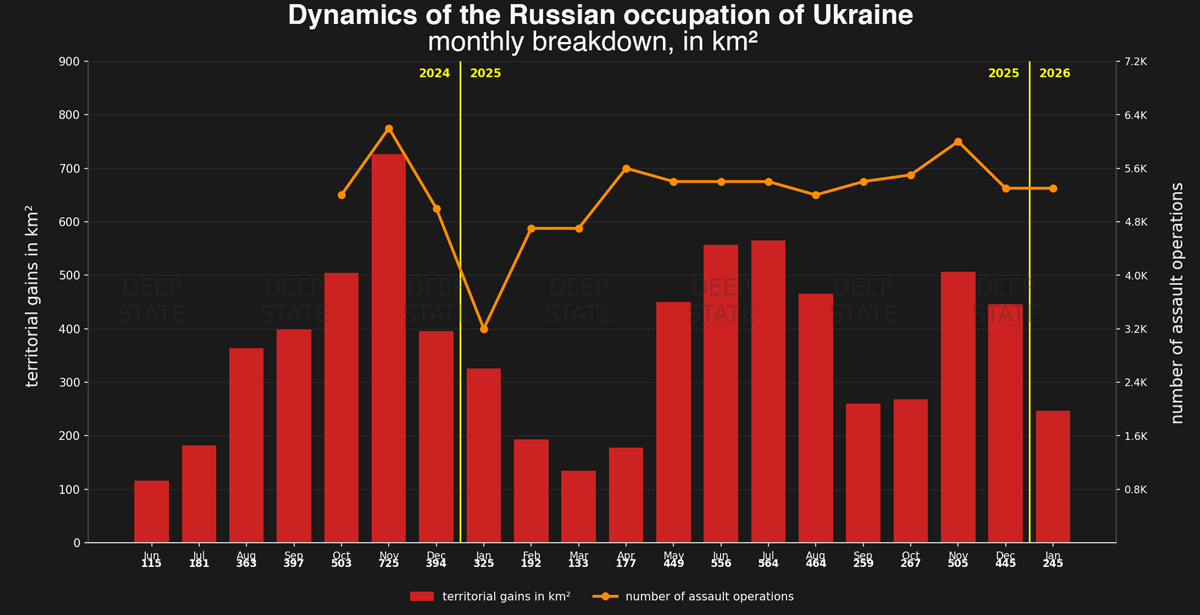
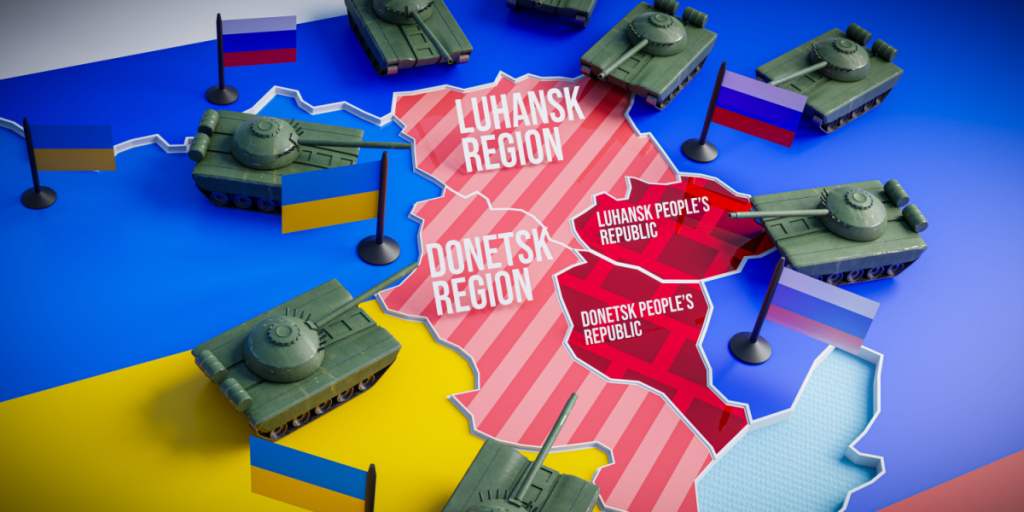
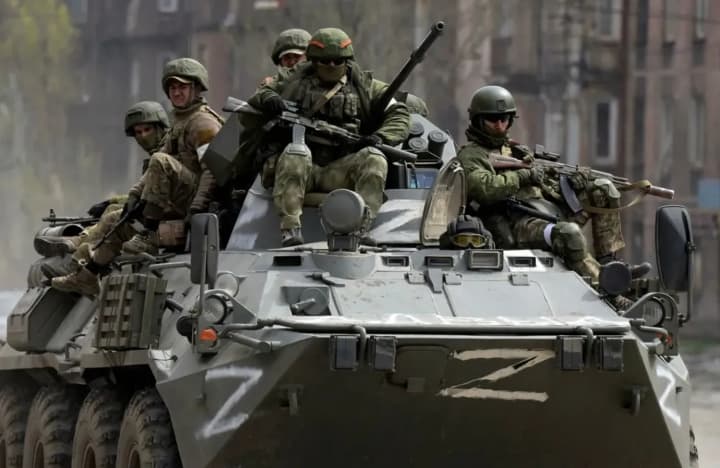
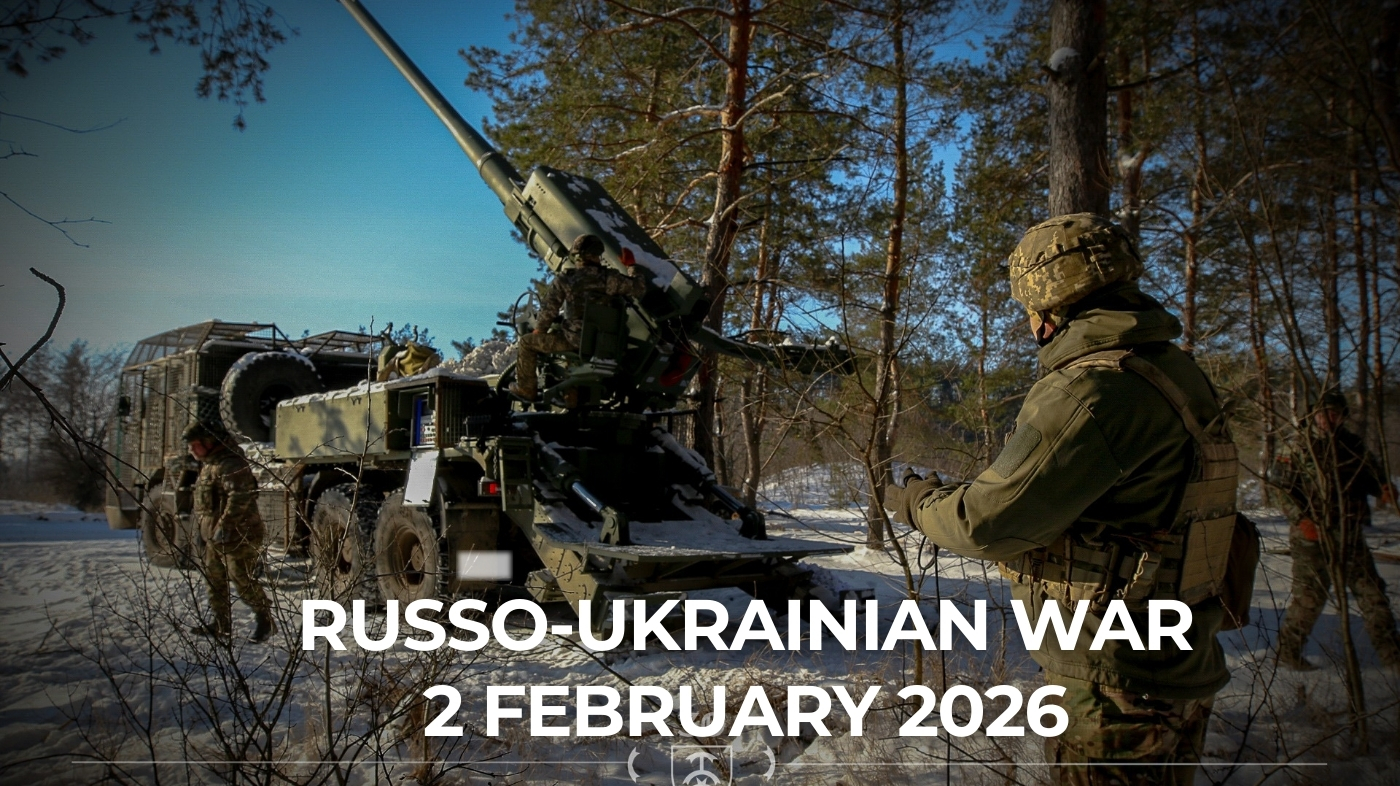
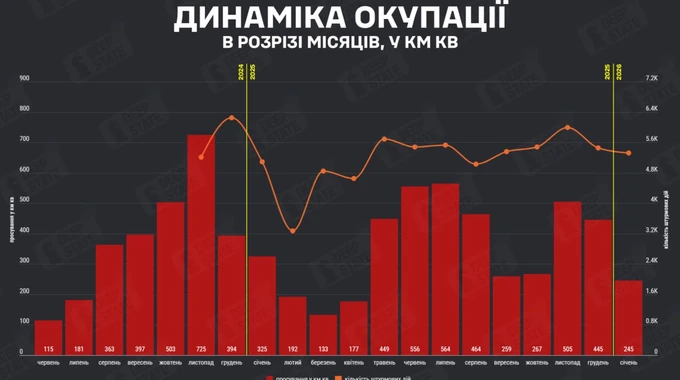
The Russia-Ukraine conflict continues to reshape cross-border e-commerce logistics and sourcing strategies for sellers operating in Eastern European markets. While military reports focus on territorial control, the underlying geopolitical instability directly impacts e-commerce supply chains, particularly for sellers sourcing products from Ukraine, Russia, and neighboring regions. As of February 2025, Russian forces have occupied 245 square kilometers of Ukrainian territory monthly—a significant reduction from December 2024 and November 2024 levels—but the continued military presence in key industrial regions creates persistent supply chain uncertainty.
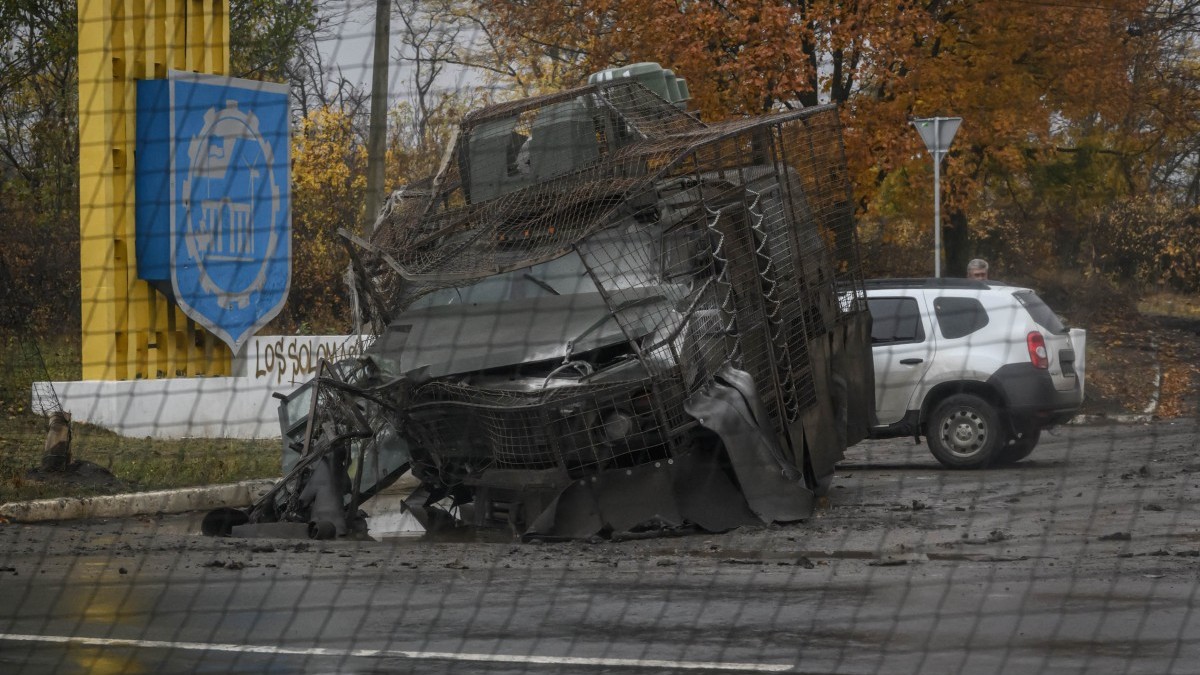
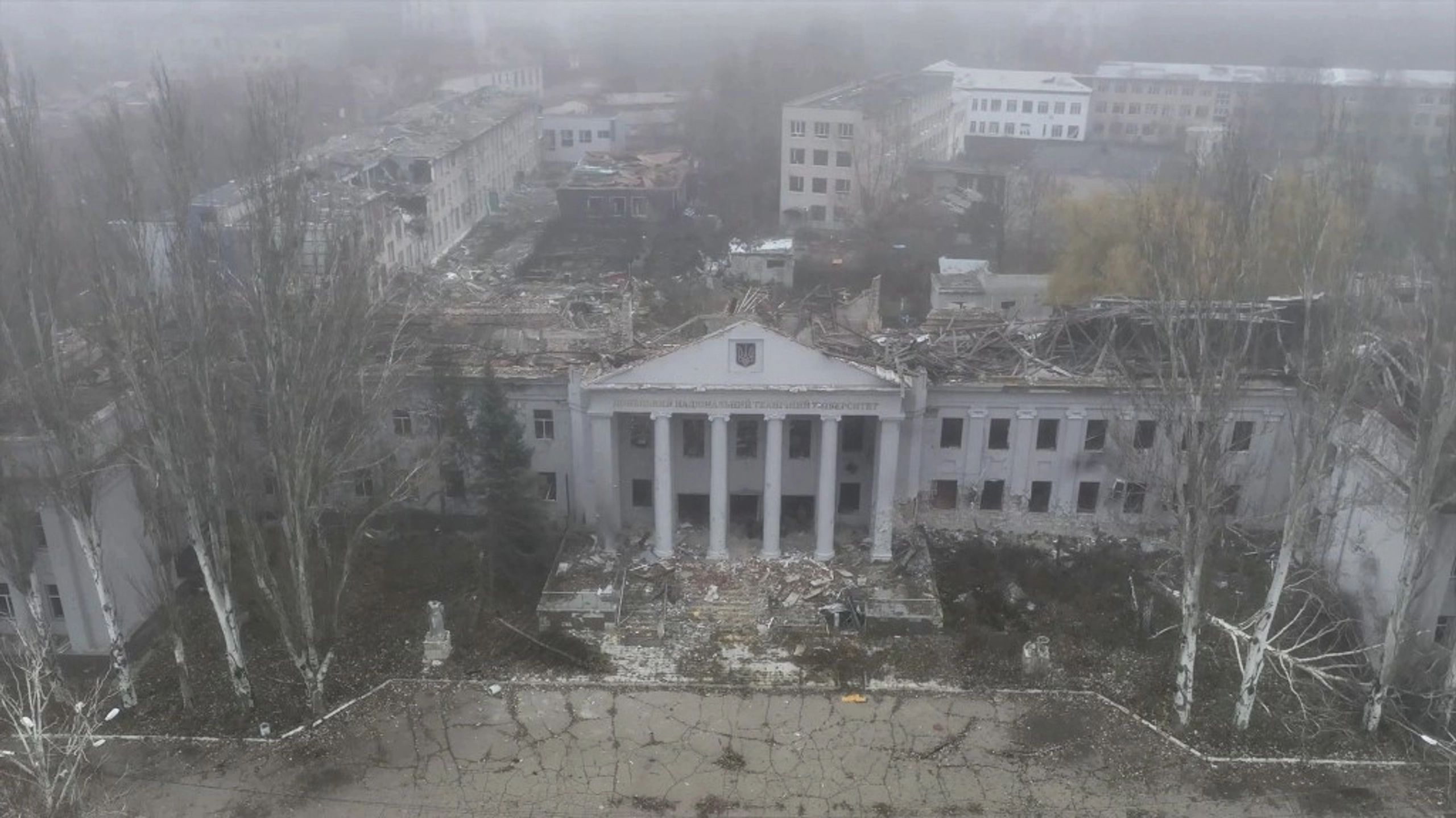
Supply Chain Vulnerability for E-Commerce Sellers: Ukraine historically supplied 8-12% of global neon gas (critical for semiconductor manufacturing), 15-20% of world grain exports, and significant quantities of industrial metals and agricultural products. The occupation of territories including the Zaporizhzhia region—home to critical infrastructure—directly threatens product sourcing for sellers in electronics, agricultural goods, and industrial categories. Sellers relying on Ukrainian suppliers face 30-60 day shipping delays, increased insurance costs (15-25% premiums), and potential inventory shortages. The militarization of civilian infrastructure mentioned in conflict reports indicates manufacturing facilities may be repurposed or damaged, reducing production capacity for 2-3 months at a time.
Logistics Corridor Disruption and Routing Costs: The territorial control patterns documented (33% assault concentration on Pokrovsk front, 21% on Huliaipole front) indicate ongoing instability in key logistics corridors connecting Eastern Europe to Western markets. Cross-border sellers shipping through Poland, Romania, and Hungary face rerouted shipments adding 7-14 days to transit times and 8-12% cost increases. 3PL providers operating in the region have reduced capacity by 20-30%, forcing sellers to negotiate higher fulfillment rates or shift inventory to alternative warehousing in Western Europe (adding €200-400/month per 1,000 units). Sellers with FBA inventory in EU warehouses serving Eastern European markets face reduced demand due to economic contraction in conflict-affected regions.
Market Opportunity in Conflict-Related Product Categories: The ongoing conflict creates demand spikes in specific product categories: emergency preparedness items (first aid kits, water purification, generators), communication devices (satellite phones, two-way radios), and protective equipment. Sellers in these categories can expect 40-80% demand increases during conflict escalation periods, with conversion rates 2-3x higher than baseline. However, this opportunity requires rapid inventory positioning and compliance with export control regulations—certain items face restrictions on shipment to conflict zones. Sellers should monitor tariff code classifications (HS codes 9406.00, 8517.62, 3002.20) for potential regulatory changes affecting these high-demand categories.
问题 8
How should sellers monitor geopolitical risk for supply chain planning?
Subscribe to geopolitical risk platforms (Stratfor, Verisk Maplecroft, Control Risks) for weekly supply chain impact assessments ($500-2,000/month). Monitor news from Understanding War, DeepState, and Ukrainska Pravda for territorial control changes affecting logistics corridors. Track commodity prices (neon gas, grain, metals) as leading indicators of supply disruption. Set up Google Alerts for key supplier regions and 3PL provider announcements. Review supplier financial health quarterly—conflict-affected suppliers face 20-30% revenue declines. Establish quarterly business reviews with 3PL partners to discuss capacity, pricing, and contingency plans.
What market opportunities exist for sellers during geopolitical instability?
Emergency preparedness and safety product categories see 40-80% demand spikes during conflict periods. Sellers can launch new SKUs in first aid kits, water purification, generators, and communication devices with 2-3x higher conversion rates than normal. However, verify export control compliance before scaling. Create targeted PPC campaigns around keywords like 'emergency kit,' 'survival gear,' 'communication device' during conflict escalation periods. Budget 20-30% higher advertising spend to capture demand surge. Expect 60-90 day selling windows before demand normalizes, so focus on fast inventory turnover rather than long-term stockpiling.