


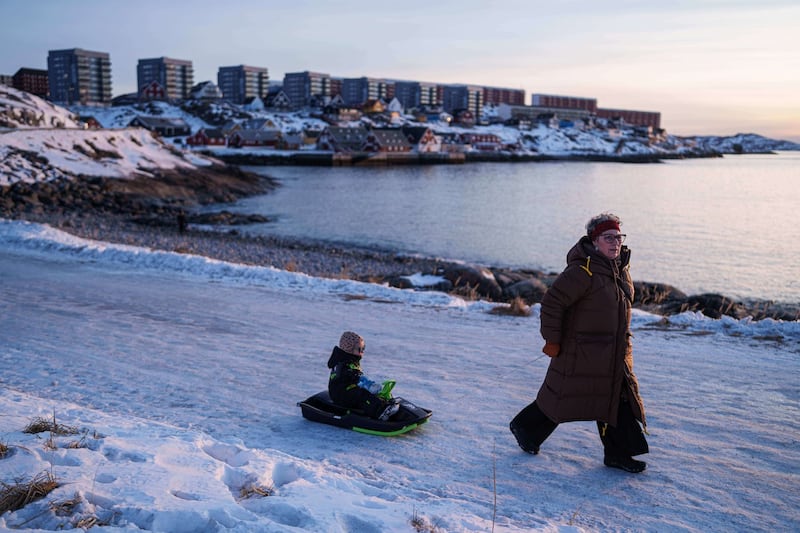

Arctic Trade Corridor Expansion | Greenland Consulates Signal New Market Access for Cross-Border Sellers
- Canada & France open consulates in Nuuk (2024-2026), establishing direct diplomatic channels that reduce trade friction and create emerging market opportunities for 57,000-person consumer base with high purchasing power





















概览
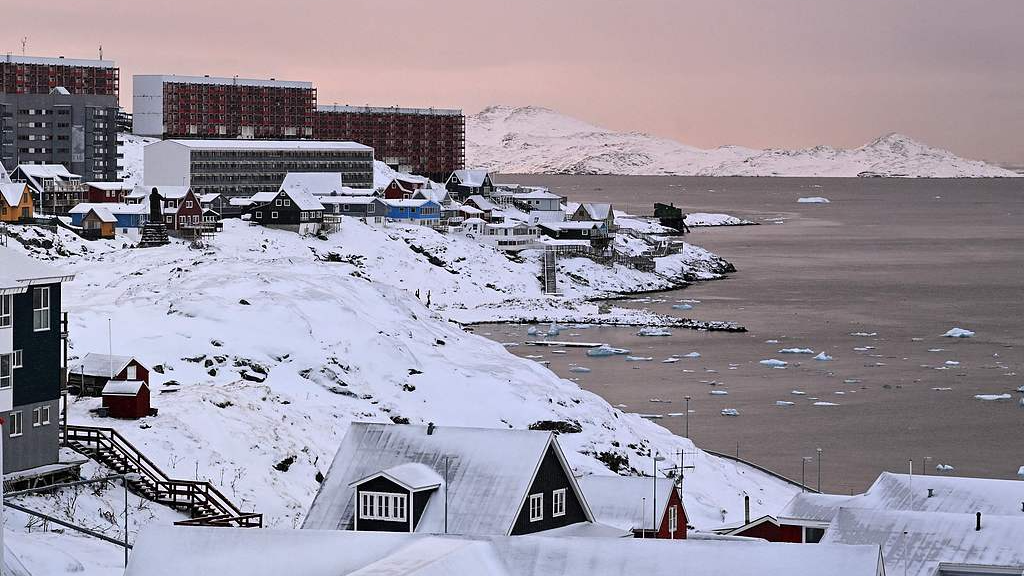
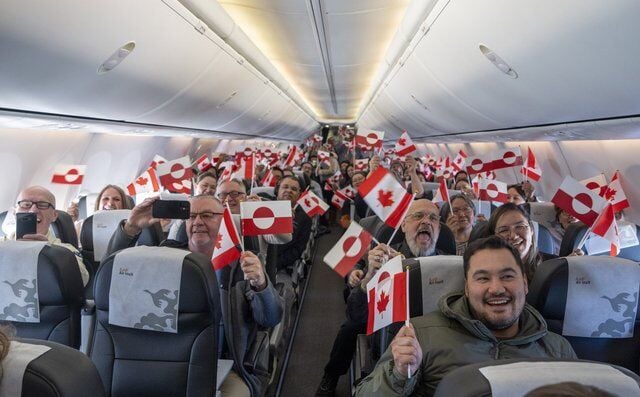
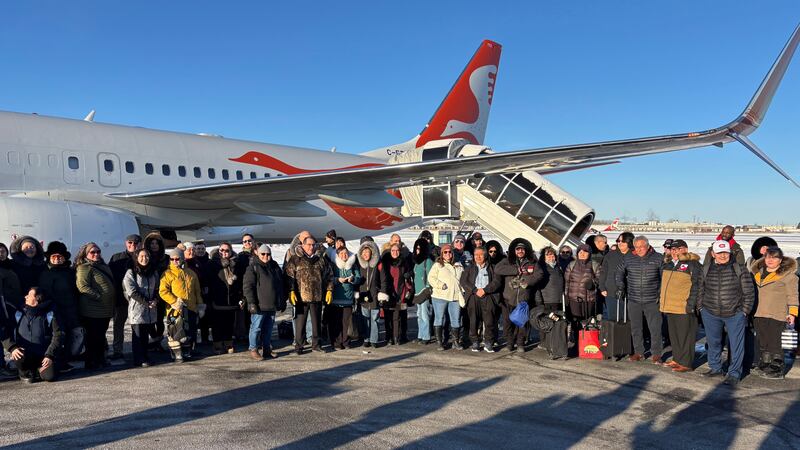
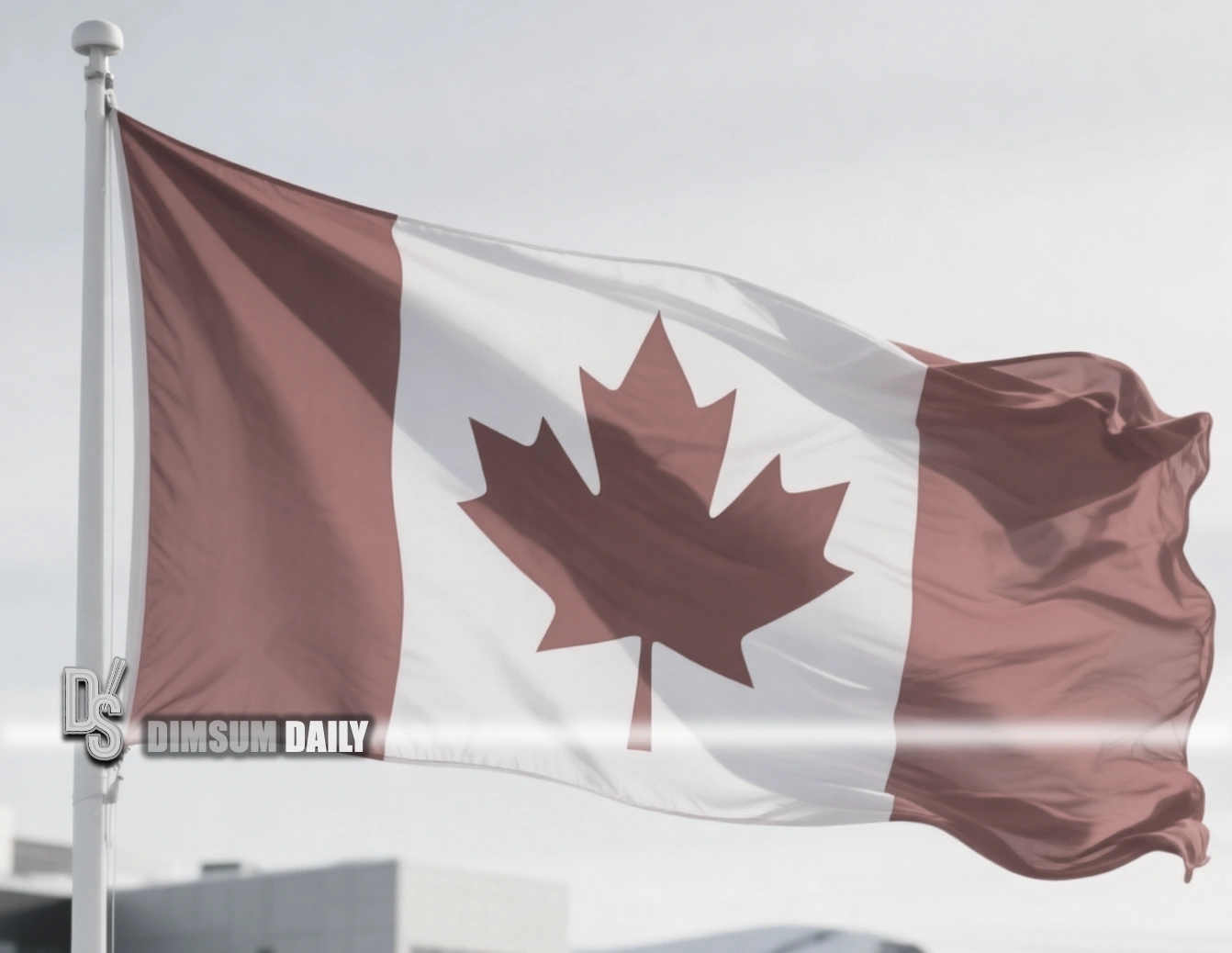
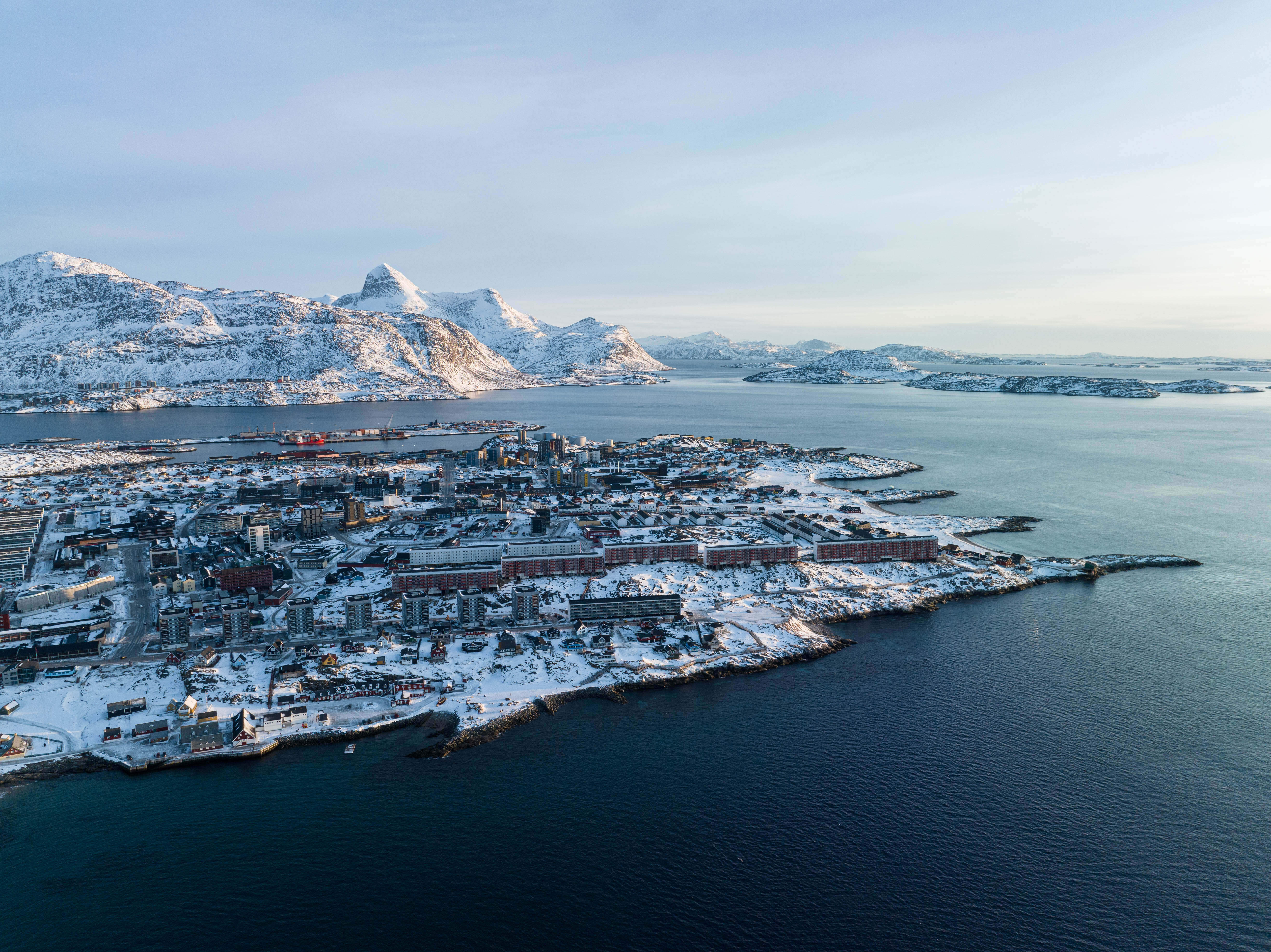
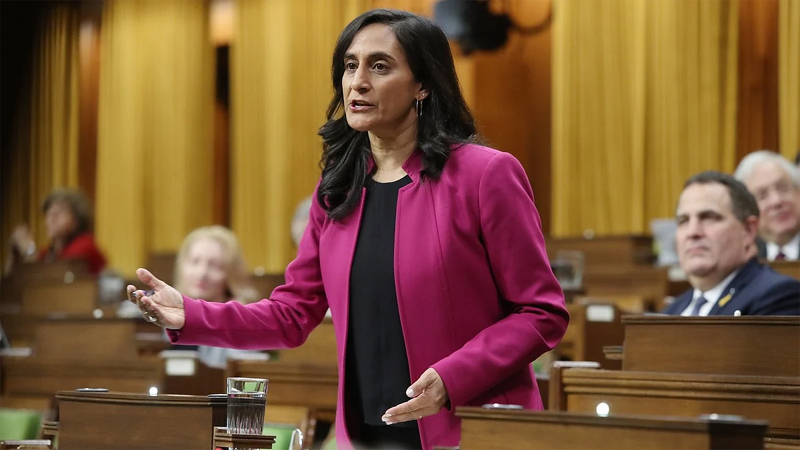
The opening of Canadian and French consulates in Greenland's capital Nuuk represents a significant geopolitical realignment with direct implications for cross-border e-commerce sellers targeting Nordic and Arctic markets. Canada formally inaugurated its consulate in early 2026 (delayed from November 2024 due to weather), while France established its first EU consulate general during President Macron's June visit, with Consul General Jean-Noël Poirier—previously ambassador to Vietnam—leading economic cooperation initiatives. These diplomatic missions signal Greenland's transition toward independent trade relationships, reducing exclusive dependence on Denmark and creating new market access pathways.
Tariff Arbitrage & Trade Policy Implications: The U.S.-Denmark-Greenland working group established after Trump's January tariff threats against Denmark and seven other European nations creates uncertainty around future tariff structures. However, the diplomatic resolution and framework agreement suggest stabilization of Denmark-Greenland trade relations. Sellers should monitor whether Greenland negotiates independent trade agreements with Canada, France, or the EU—potentially creating preferential tariff rates for specific product categories (HS codes) originating from these countries. Greenland's 2009 Self-Government Act enables independent trade policy, meaning future tariff schedules could diverge from Denmark's EU alignment.
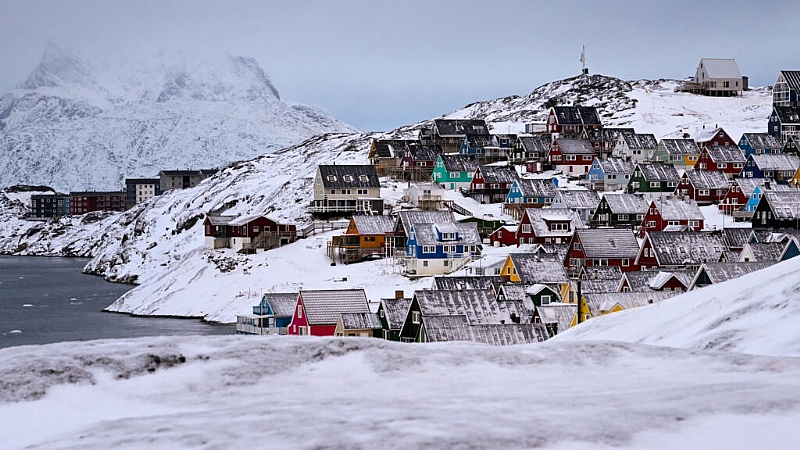
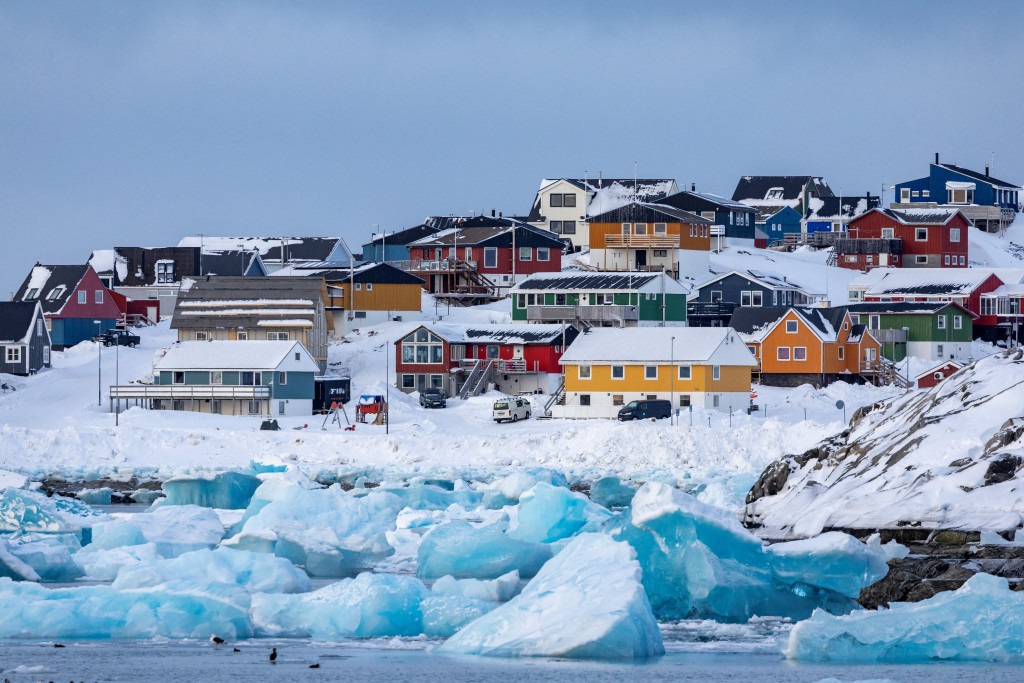
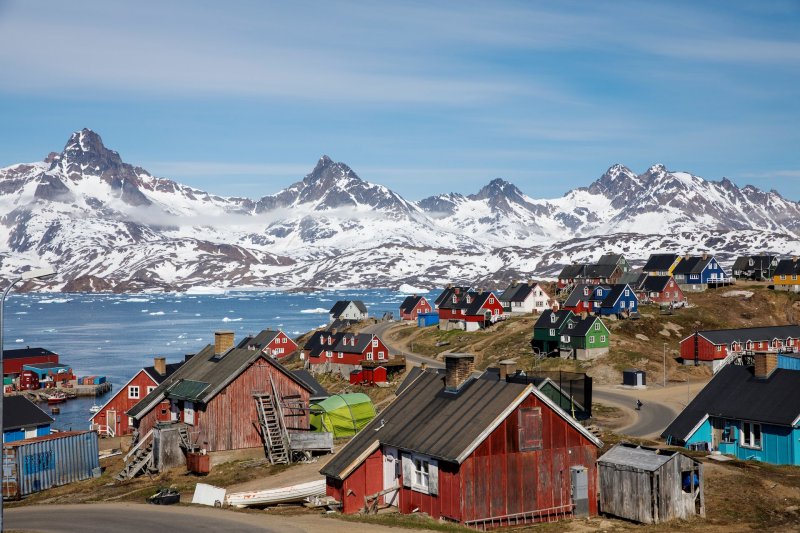
Market Access Opportunity: With approximately 57,000 residents and high Arctic purchasing power (average household income ~$65,000 USD), Greenland represents a niche but premium consumer segment. The consulate openings facilitate direct logistics partnerships and reduce customs friction. Sellers in premium categories—outdoor/Arctic gear, renewable energy equipment, specialty foods, and luxury goods—should prioritize Greenland market entry. The expanded diplomatic network (EU ties since 1992, Iceland consulate 2013, U.S. mission reopened 2020, European Commission office 2024) indicates growing e-commerce infrastructure investment. Shipping costs to Greenland remain 15-25% higher than Nordic averages due to Arctic logistics, but direct consulate relationships may accelerate customs clearance and reduce delays from 2-3 weeks to 5-7 business days.
Competitive Positioning: Canadian and French sellers gain first-mover advantages in Greenland's market through consulate-facilitated trade missions and preferential relationship-building. EU-based sellers should leverage the European Commission's 2024 office opening to establish Greenland distribution partnerships. U.S. sellers face potential disadvantages if Greenland prioritizes Canada-France-EU trade corridors, though the U.S. mission reopening (2020) and ongoing security talks provide countervailing access. Small-to-medium sellers (SMEs) should consider Greenland as an early-stage market entry point before larger competitors establish dominance—the 57,000-person population limits competition intensity while consulate support reduces regulatory barriers.
问题 8
What tariff opportunities exist as Greenland develops independent trade policy?
Greenland's 2009 Self-Government Act enables independent trade negotiations separate from Denmark's EU alignment. The U.S.-Denmark-Greenland working group (established after January 2025 tariff tensions) suggests ongoing trade policy discussions. Sellers should monitor whether Greenland negotiates preferential tariff schedules with Canada, France, or the EU—potentially creating tariff reductions (5-15%) for specific HS codes. Arctic resource categories (renewable energy equipment, mining technology, specialty materials) may receive preferential treatment. The framework agreement between Trump, NATO, and Greenland indicates tariff stability for the near term, but long-term independent trade agreements could create arbitrage opportunities for sellers sourcing from preferred countries.
How do Canada and France's new consulates in Greenland affect cross-border sellers' market access?
The consulate openings create direct diplomatic channels that reduce trade friction and customs processing delays for sellers targeting Greenland's 57,000-person market. Canada's consulate (inaugurated early 2026) and France's consulate general (established 2024) facilitate trade missions, preferential relationship-building, and streamlined logistics partnerships. Sellers from these countries gain first-mover advantages in establishing distribution networks. Customs clearance times may improve from 2-3 weeks to 5-7 business days through consulate-facilitated expedited processing. The diplomatic presence signals Greenland's transition toward independent trade relationships, potentially creating preferential tariff rates for Canadian and French products under future bilateral agreements.