


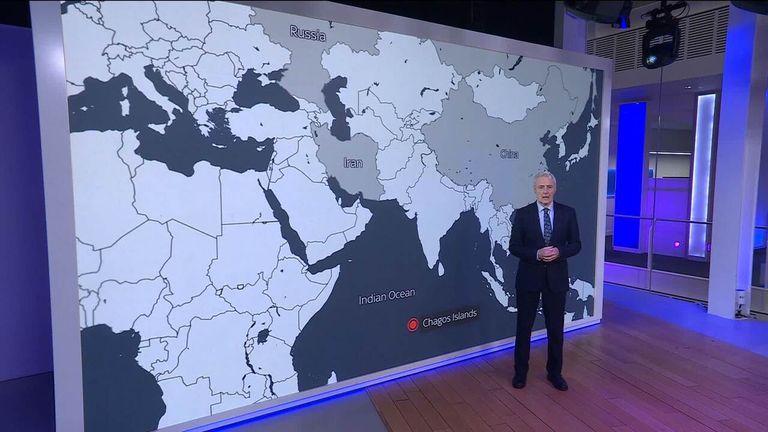


Indian Ocean Shipping Routes Stabilize | Cross-Border Sellers Face 6-Month Logistics Uncertainty Window
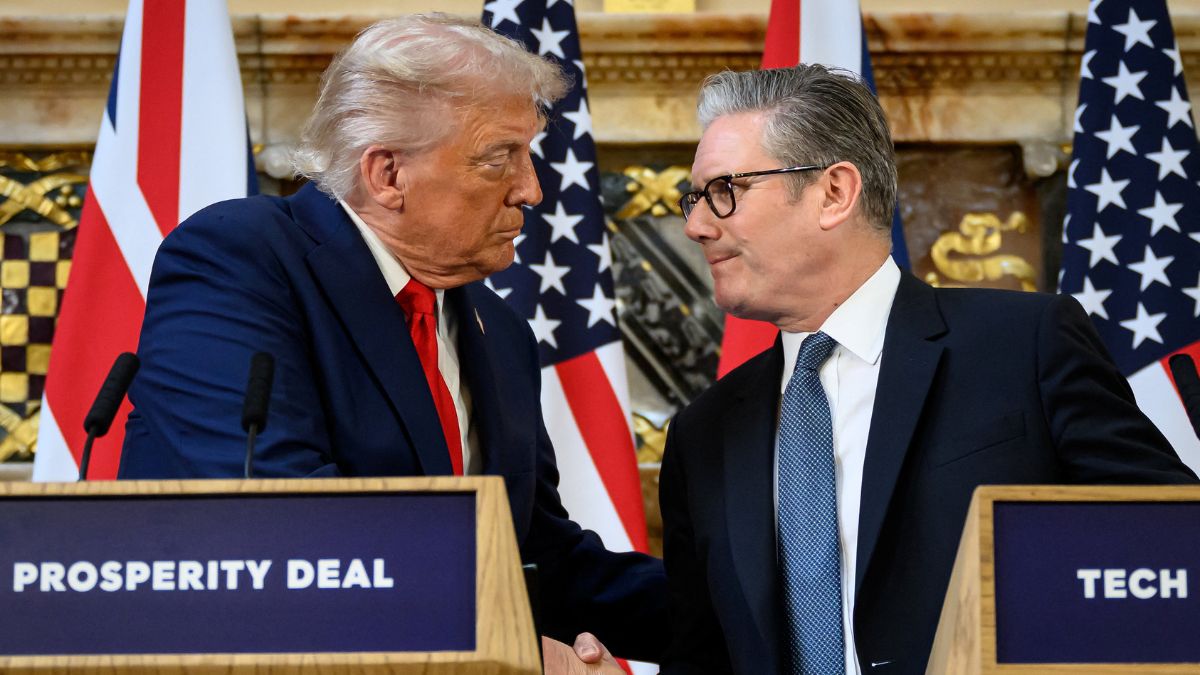
- Trump's diplomatic reversal on Diego Garcia reduces geopolitical risk for Asia-Europe-Africa trade corridors; sellers shipping 500+ units monthly via Indian Ocean should lock freight rates before Q2 2026

)

)






)




















概览
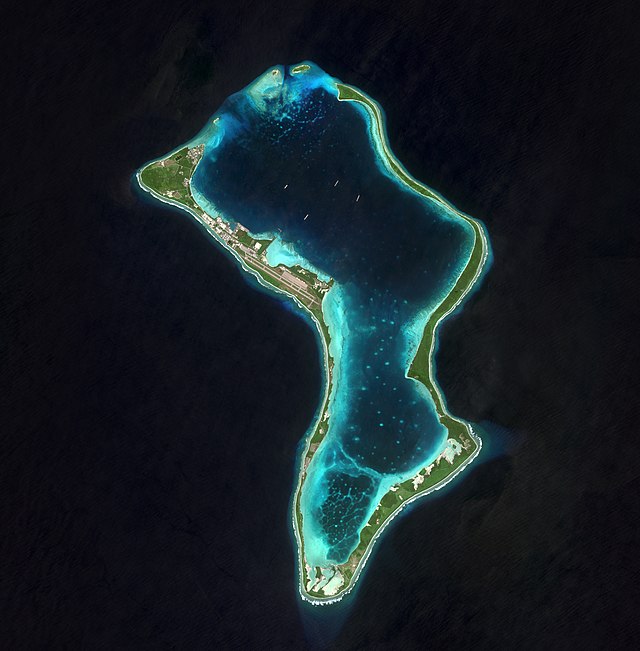
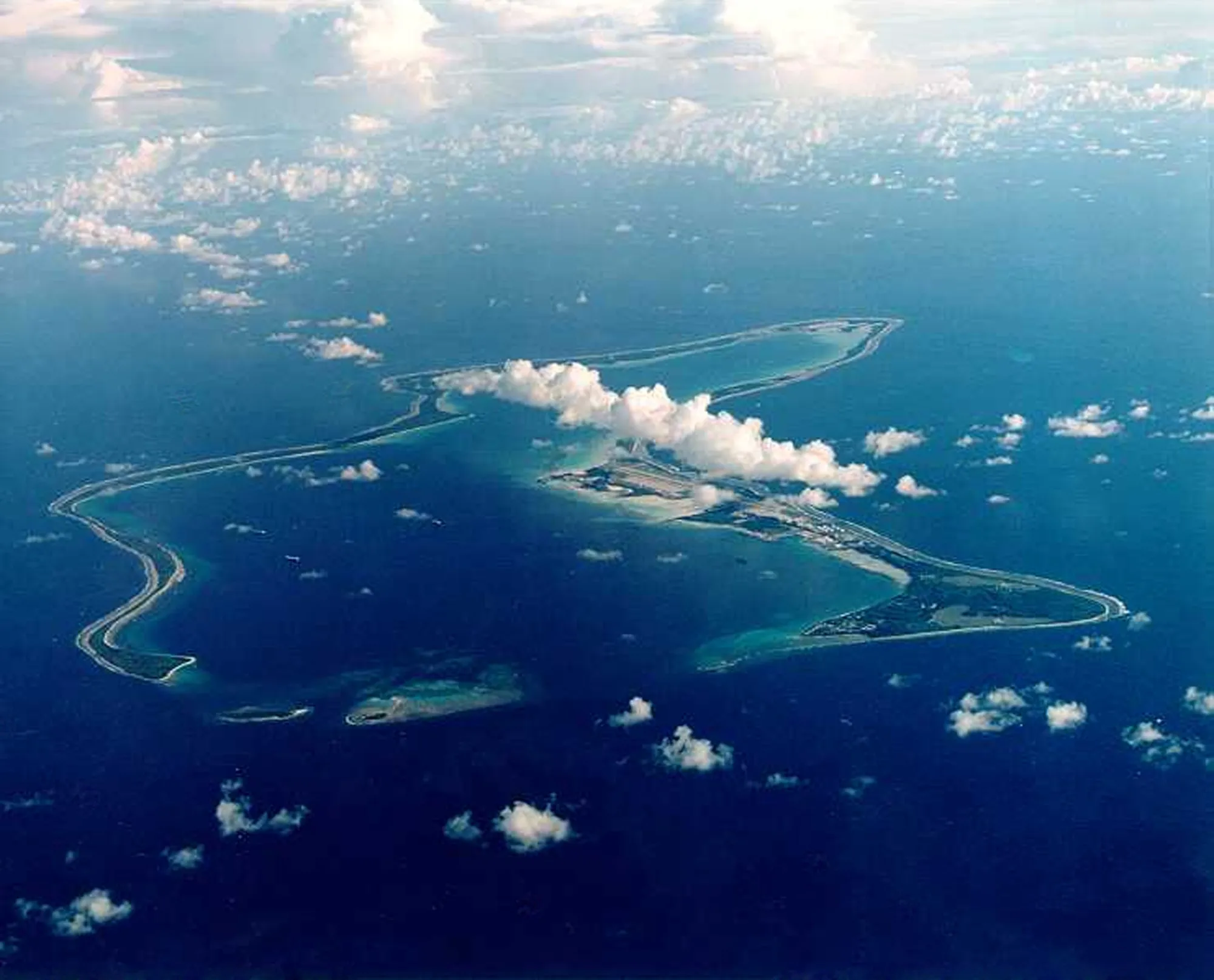
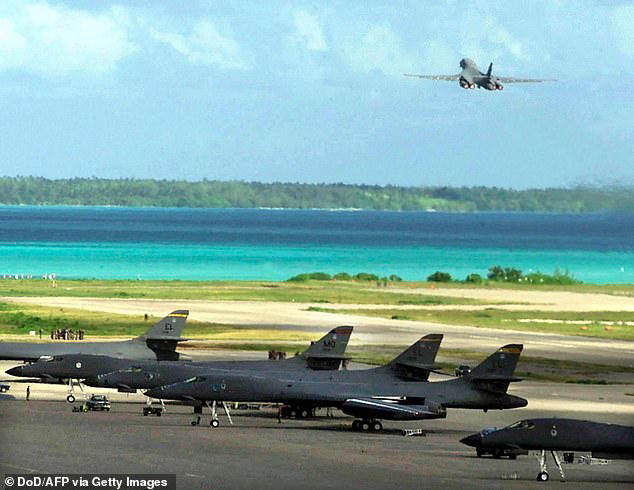
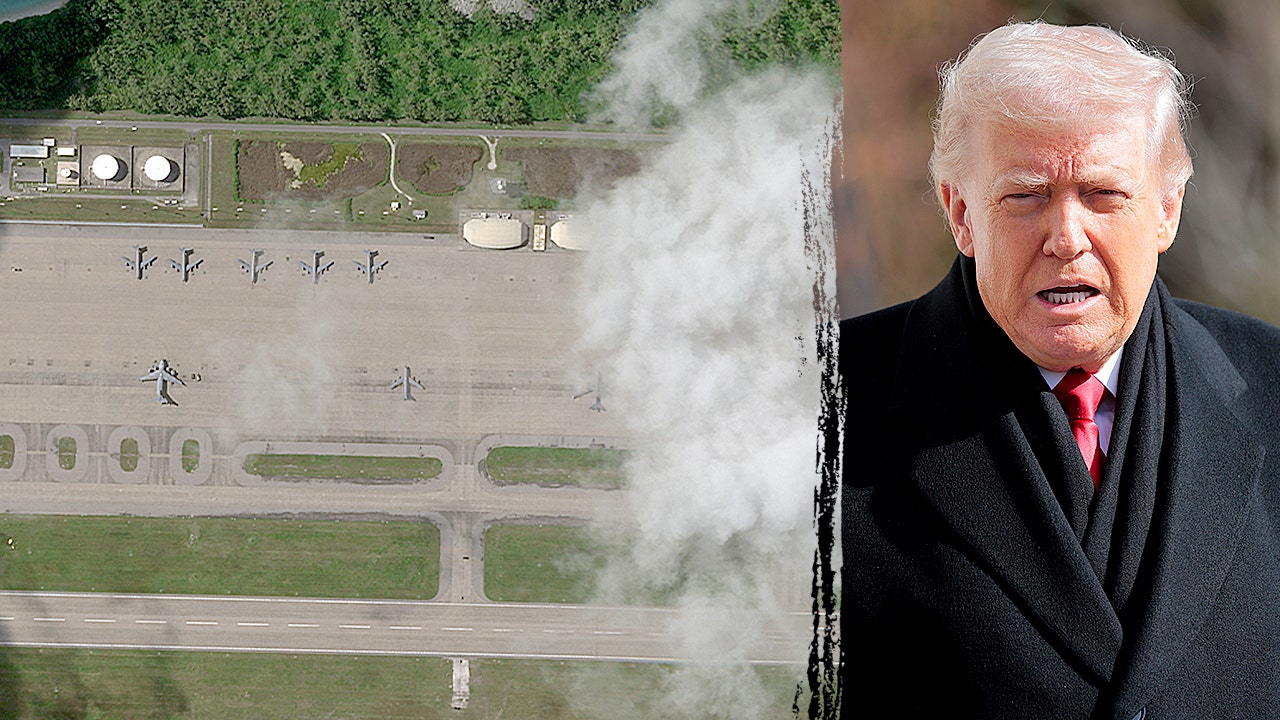
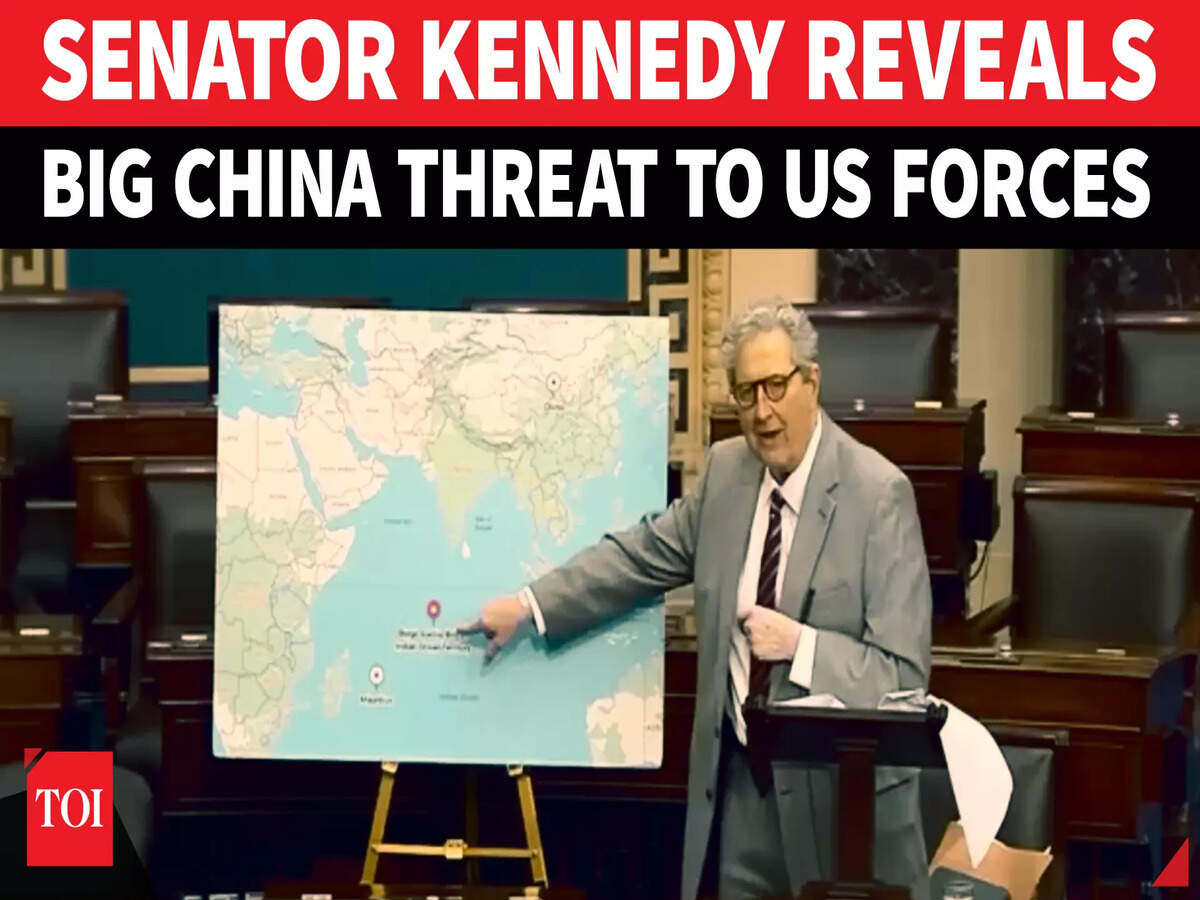
The Diego Garcia sovereignty transfer from UK to Mauritius (finalized May 2025, confirmed February 5, 2026) creates a critical 6-month logistics planning window for cross-border sellers relying on Indian Ocean shipping routes. Trump's initial criticism followed by diplomatic reversal signals stabilized US military presence at Diego Garcia base for 99 years, reducing near-term geopolitical disruption risk to the world's most critical Asia-Europe-Africa maritime corridor. However, this transition period presents both opportunity and risk for sellers managing supply chains through these waters.
The operational impact centers on three shipping corridors: (1) Asia-to-Europe routes via Suez Canal (40% of global container traffic passes through Indian Ocean), (2) India-to-Africa direct shipping (growing 12-15% annually for electronics, textiles, and consumer goods), and (3) China-to-Middle East-to-Europe routes (critical for FBA sellers sourcing from Vietnam/India). The sovereignty transfer to Mauritius introduces administrative uncertainty around port operations, customs procedures, and military coordination protocols at Diego Garcia—the strategic hub supporting these routes. Sellers currently paying $2,800-3,200 per 40ft container on Asia-Europe routes via Indian Ocean should anticipate potential 8-12% rate increases during the 6-month transition period (February-July 2026) as shipping lines adjust insurance premiums and routing protocols. This creates a time-sensitive arbitrage opportunity: sellers can lock current freight rates through Q3 2026 by booking shipments before March 31, 2026, potentially saving $220-380 per container compared to post-transition pricing.
Competitive advantage shifts toward sellers with established 3PL relationships in Singapore, Port Said, and Mauritius ports. Mid-sized sellers (shipping 500-2,000 units monthly) face the highest disruption risk because they lack the volume leverage of mega-sellers to negotiate fixed-rate contracts, yet operate at margins too thin to absorb 10-15% logistics cost increases. Small sellers (<500 units/month) can mitigate risk by shifting to air freight for high-margin categories (electronics, jewelry, cosmetics) where speed justifies the 3-4x cost premium. Large sellers (2,000+ units/month) should diversify routing: allocate 30-40% of volume to alternative corridors (Red Sea via Suez, or longer Pacific routes) to hedge against potential Diego Garcia-related disruptions. The diplomatic stabilization reduces catastrophic risk (military conflict, port closure) but doesn't eliminate operational friction during the Mauritius transition period.
问题 8
How does the Diego Garcia sovereignty transfer affect my shipping costs to Europe from Asia?
The transition to Mauritius control creates a 6-month uncertainty window (February-July 2026) where shipping lines are adjusting insurance premiums and routing protocols. Sellers shipping via Indian Ocean routes should expect 8-12% rate increases during this period. Current rates of $2,800-3,200 per 40ft container could rise to $3,020-3,580. Lock in rates before March 31, 2026 by booking shipments in advance. After July 2026, rates should stabilize as Mauritius establishes operational protocols and military coordination with the US becomes routine.
What is the timeline for Diego Garcia operations to stabilize under Mauritius control?
The May 2025 agreement transfers sovereignty to Mauritius while guaranteeing US military operations at the base for 99 years. Trump's February 5, 2026 confirmation of this arrangement signals diplomatic resolution. Expect 6 months (February-July 2026) for administrative transition and protocol establishment. By Q3 2026, port operations, customs procedures, and military coordination should normalize. Sellers should plan inventory shipments accordingly: accelerate orders before March 2026 to avoid peak transition uncertainty, then resume normal scheduling after August 2026.