


Indie Game Cross-Platform Strategy Drives Digital Marketplace Opportunities for Sellers
- Team Cherry's simultaneous Nintendo Switch 2, PS5, Xbox Series X|S launch with free upgrades signals $14.99 pricing model and merchandise expansion potential for gaming sellers



概览
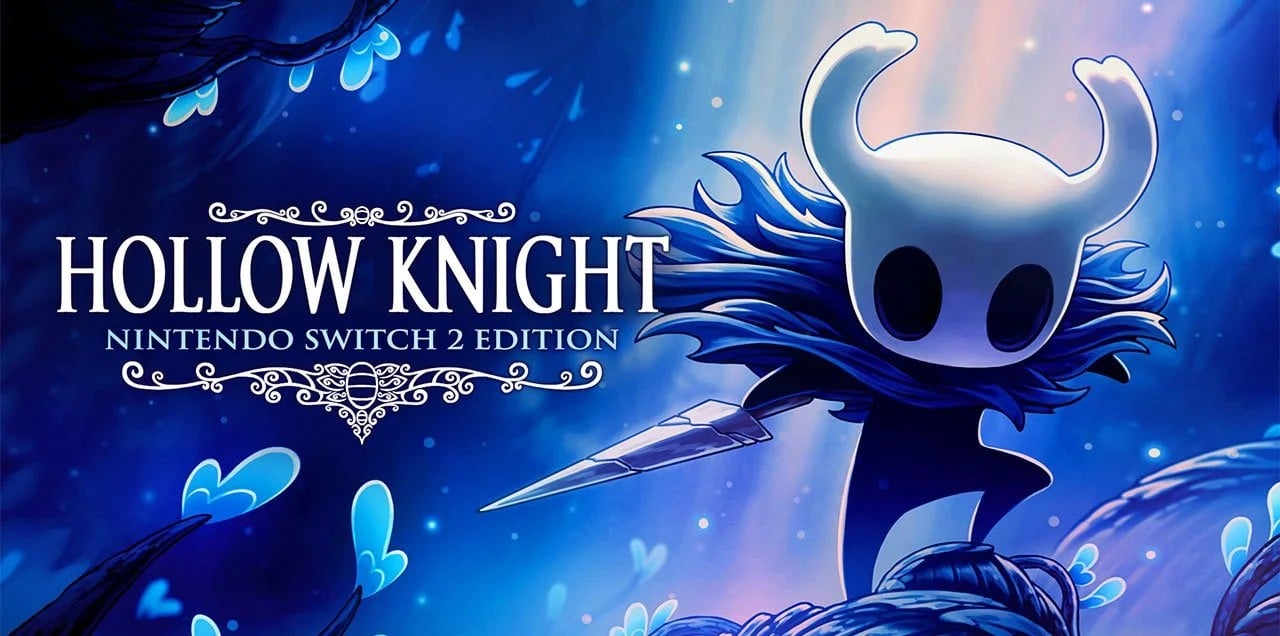
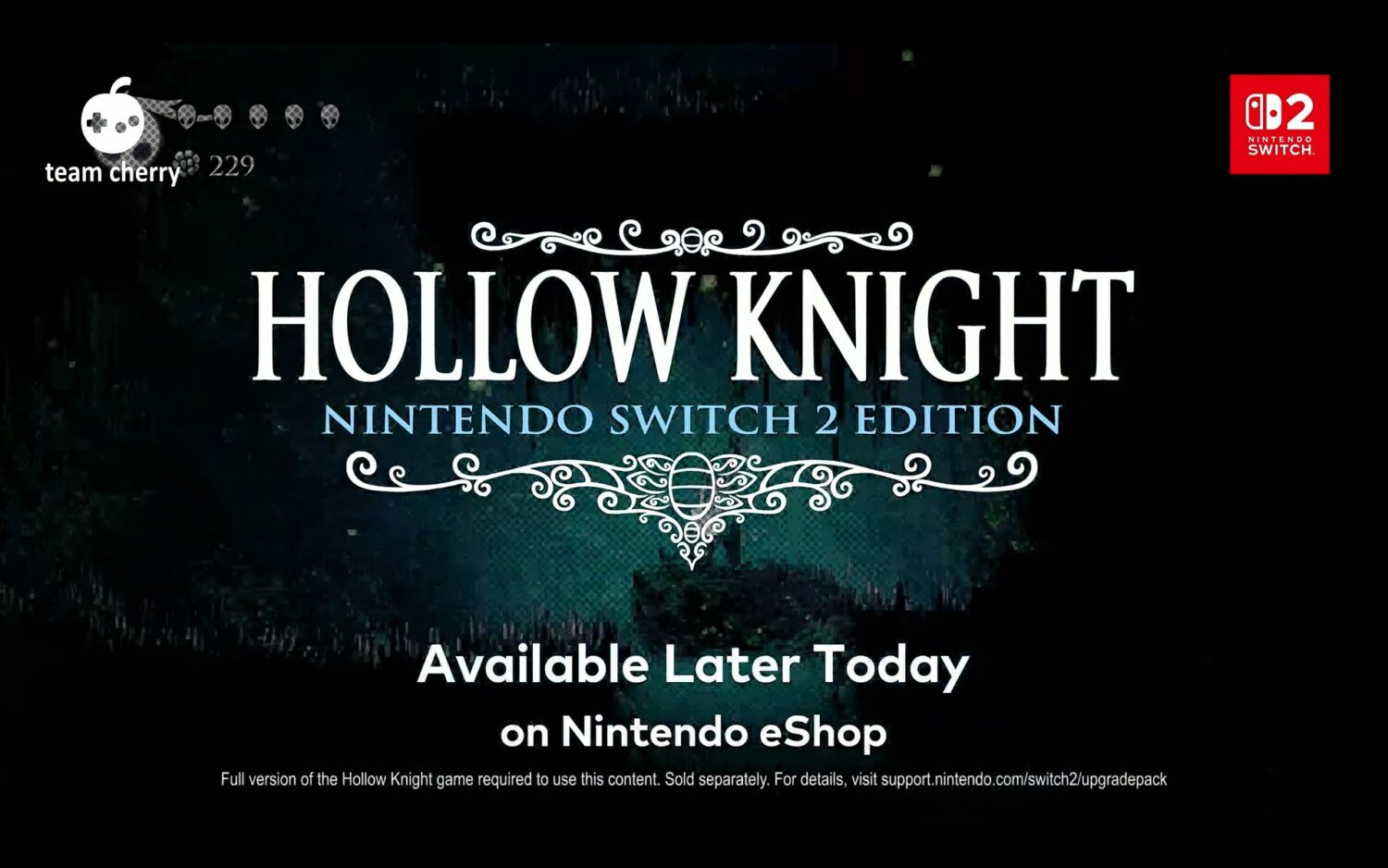
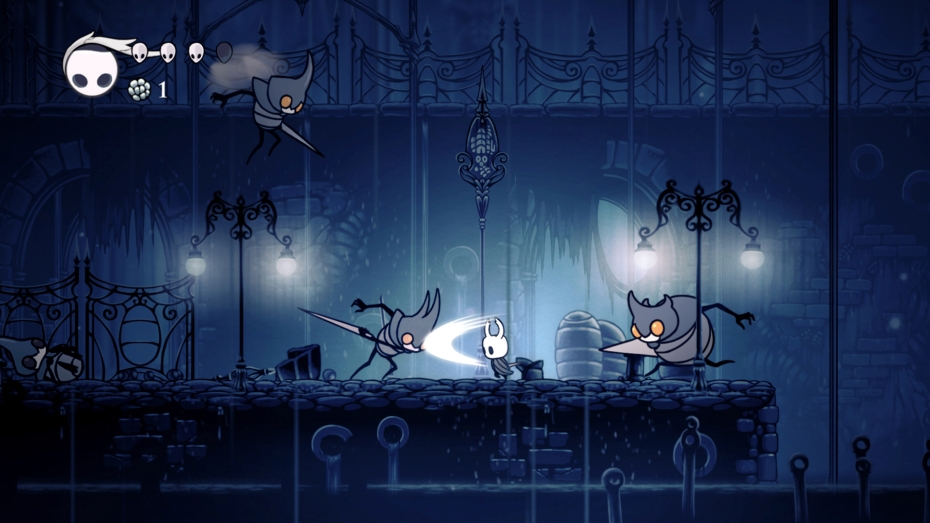
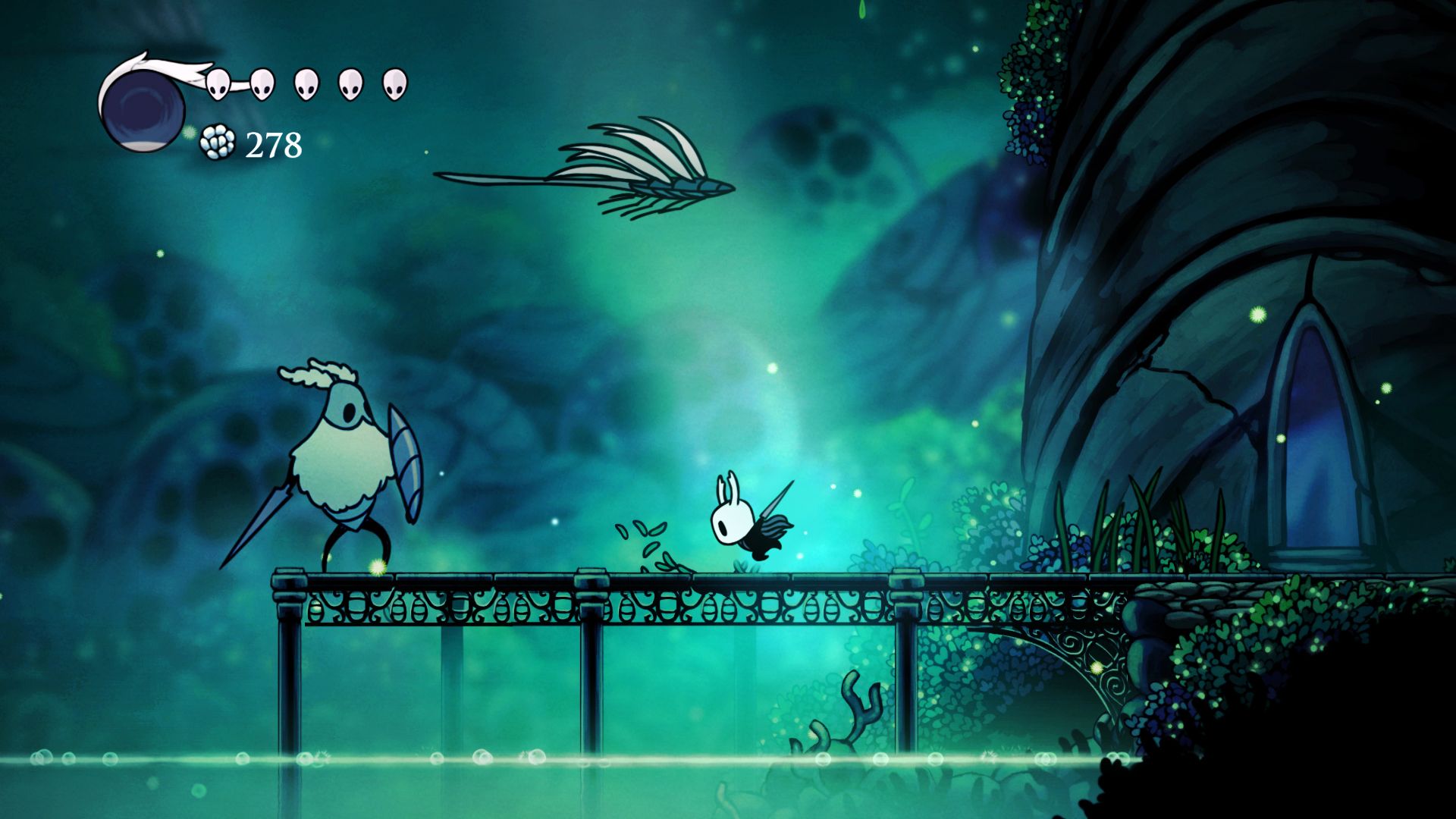
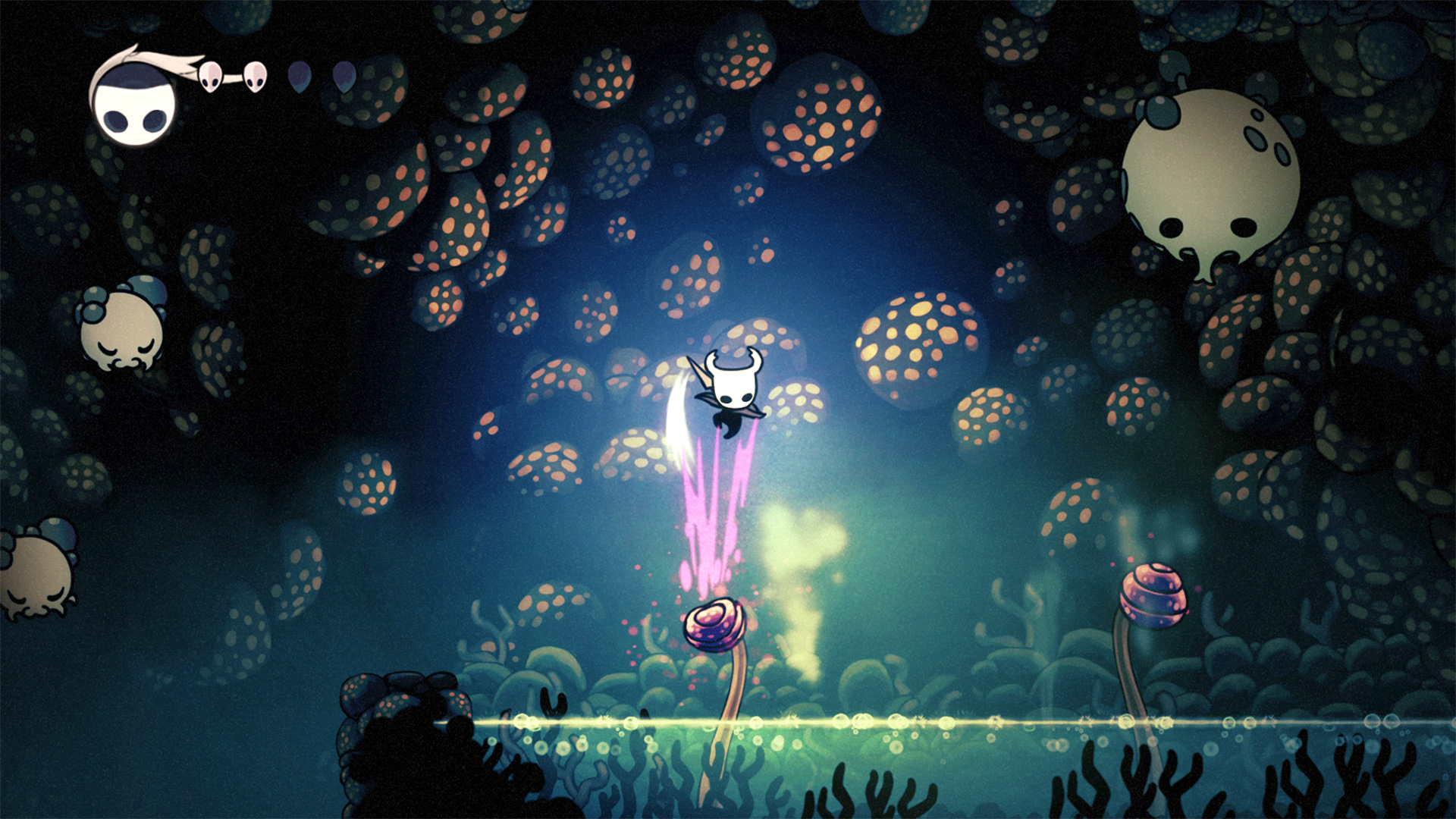
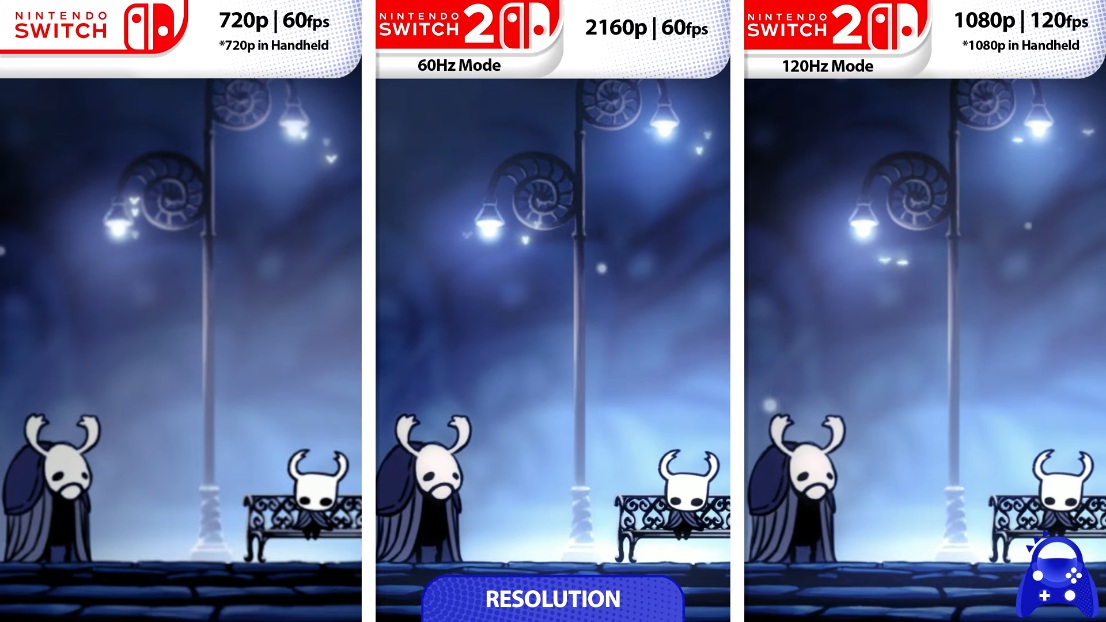
Hollow Knight's coordinated multi-platform expansion across Nintendo Switch 2, PlayStation 5, and Xbox Series X|S represents a critical case study in digital marketplace strategy that directly impacts e-commerce sellers. Team Cherry's release strategy—offering free upgrades to existing players while pricing the PS5 version at $14.99 with cross-buy functionality—demonstrates how indie developers maximize platform reach while maintaining customer loyalty. This approach generated simultaneous launches across three major console ecosystems plus PC updates with ultrawide monitor support (21:9 and 16:10), indicating sophisticated technical optimization for diverse hardware configurations.
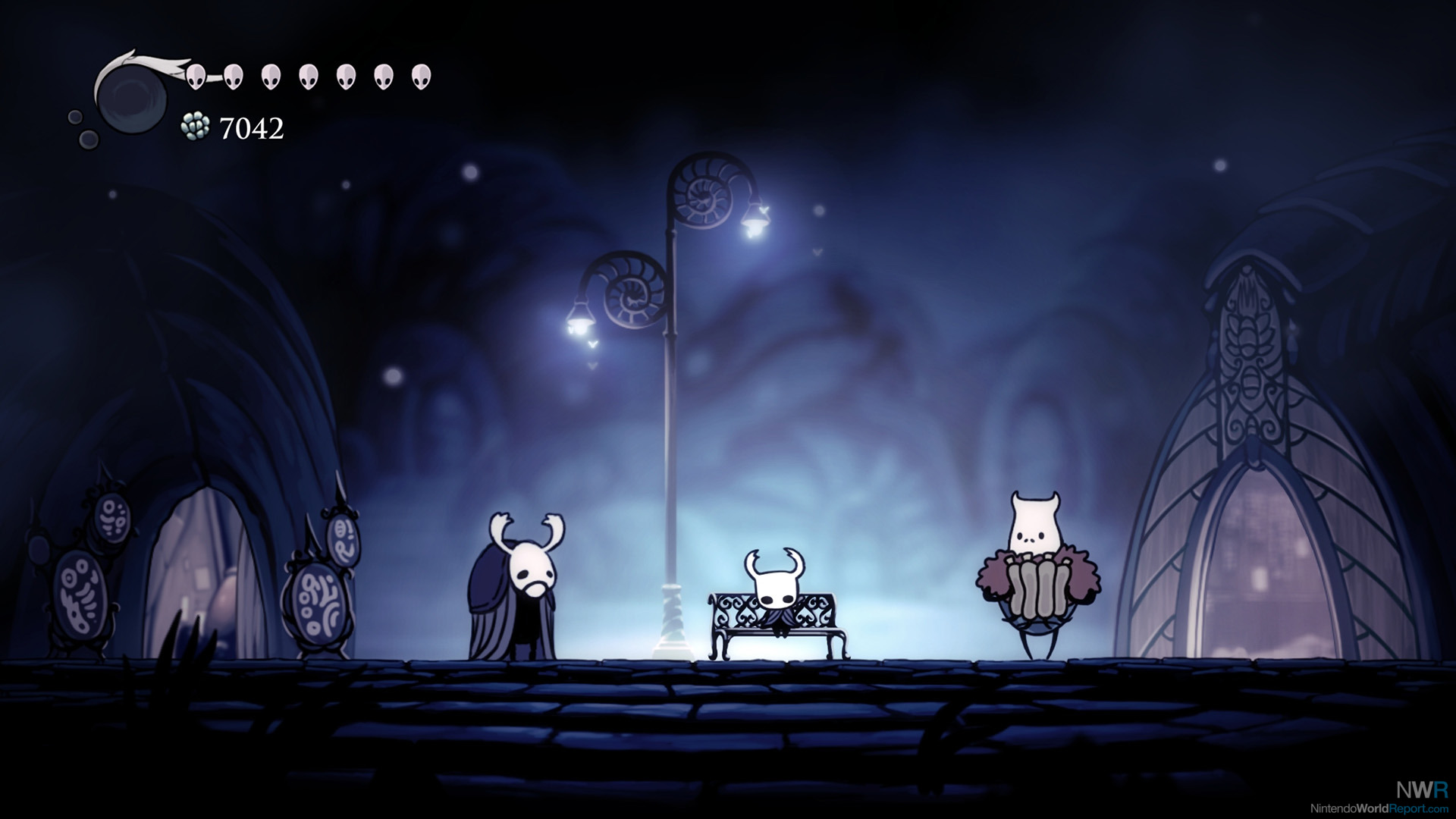
The merchandise and digital goods opportunity is substantial. Hollow Knight's 2017 release established it as a universally acclaimed title with dedicated fan communities across all platforms. The coordinated multi-platform launch creates synchronized demand spikes across PlayStation Store, Nintendo eShop, and Xbox Game Pass ecosystems. For sellers, this signals three immediate opportunities: (1) Gaming merchandise categories including collectibles, apparel, and accessories tied to the franchise; (2) Digital content bundling strategies where cross-buy functionality reduces purchase friction and increases average order value; (3) Platform-specific marketing angles—PS5 trophy hunters represent a distinct audience segment willing to replay content for achievement completion, while PC ultrawide monitor support targets high-end gaming enthusiasts with premium hardware spending patterns.
The technical execution reveals seller operational insights. Team Cherry incorporated improvements from the upcoming Hollow Knight: Silksong sequel back into the original game, demonstrating long-term content strategy that maintains player engagement. However, the PlayStation Game Catalogue subscription integration issue—where some subscribers didn't receive PS5 upgrades—highlights complexities in managing subscription service compatibility. This directly impacts sellers using subscription-based distribution models; platform integration failures can affect customer acquisition and retention metrics. The separate PS5 trophy set with patched exploits also signals that platform-specific achievement systems create replay incentives, extending customer lifetime value and engagement windows.
Cross-platform release coordination reflects broader e-commerce trends. The simultaneous launch across Nintendo Switch 2 (new hardware), PS5/Xbox Series X|S (established platforms), and PC demonstrates how successful digital products maximize market penetration through coordinated ecosystem participation. The $14.99 price point on PlayStation Store establishes a reference price for indie action-adventure games, informing seller pricing strategies across digital marketplaces. Free upgrade policies reward existing customers while reducing friction for new purchasers, a customer retention strategy increasingly adopted across digital platforms. For sellers, this indicates growing consumer expectations for upgrade paths and cross-platform functionality—expectations that extend beyond gaming into broader digital product categories.
问题 8
What platform-specific pricing strategies should sellers adopt based on Hollow Knight's $14.99 PS5 pricing?
Hollow Knight's $14.99 PS5 price point establishes a reference price for indie action-adventure games across digital platforms. This pricing reflects the indie game market's shift toward lower price points ($9.99-$19.99 range) compared to AAA titles ($59.99-$69.99). For sellers, this indicates consumer price sensitivity in the indie category and the importance of competitive positioning. Sellers should research comparable titles across PlayStation Store, Nintendo eShop, and Xbox Game Pass to establish competitive pricing. The cross-buy functionality at this price point suggests bundling strategies (base game + expansions) can justify premium pricing while maintaining perceived value. Sellers should monitor platform-specific pricing trends quarterly to remain competitive as market dynamics evolve.
How does the Nintendo Switch 2 launch timing affect seller inventory and marketing strategies?
Hollow Knight's simultaneous Nintendo Switch 2 launch capitalizes on new hardware adoption cycles when console owners actively seek game libraries. New console launches typically generate 60-80% higher game sales in the first 90 days as players build their libraries. Sellers should align merchandise and complementary product launches with major console releases to capture peak demand. The Switch 2 launch represents an opportunity to target new console owners through targeted advertising on Nintendo eShop, gaming forums, and YouTube gaming channels. Sellers should prepare inventory for merchandise categories 4-6 weeks before major console launches to capture early adopter demand when engagement and spending are highest.