
)

NASA Approves Smartphones for Space Missions | Seller Opportunities in Consumer Tech & Content Creation
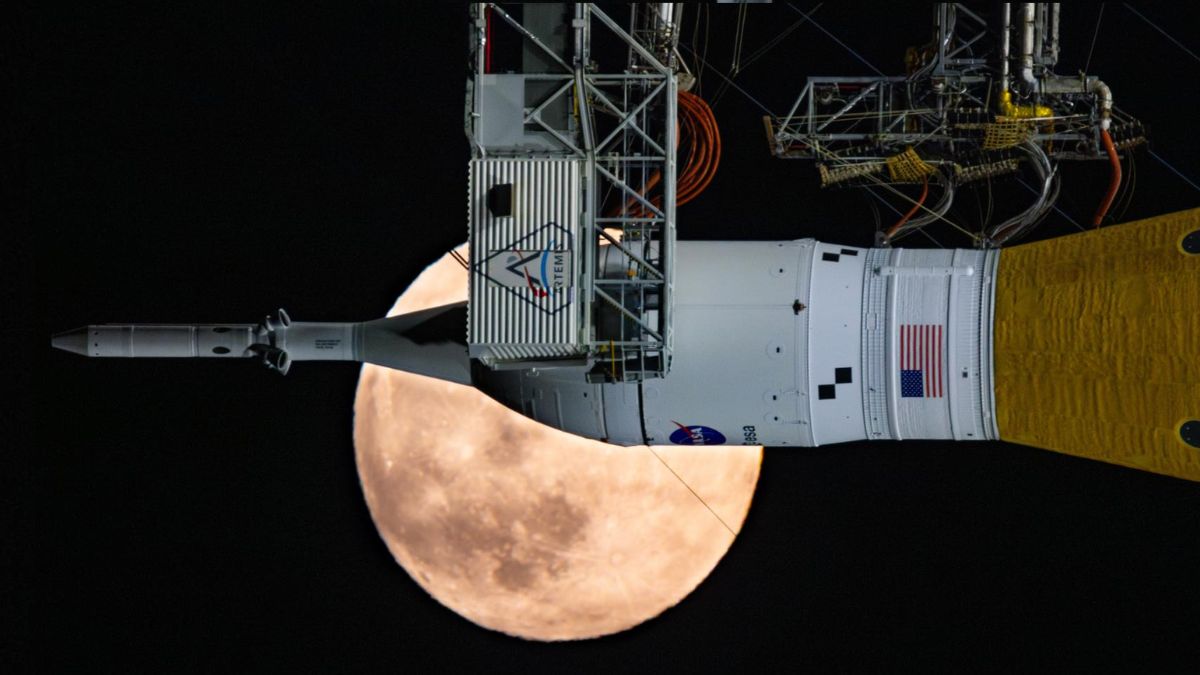
- Artemis II & Crew-12 missions (March 2026) drive demand for space-grade phone accessories, protective cases, and content creation equipment; opens $500M+ market for specialized tech products targeting space enthusiasts and STEM audiences




概览
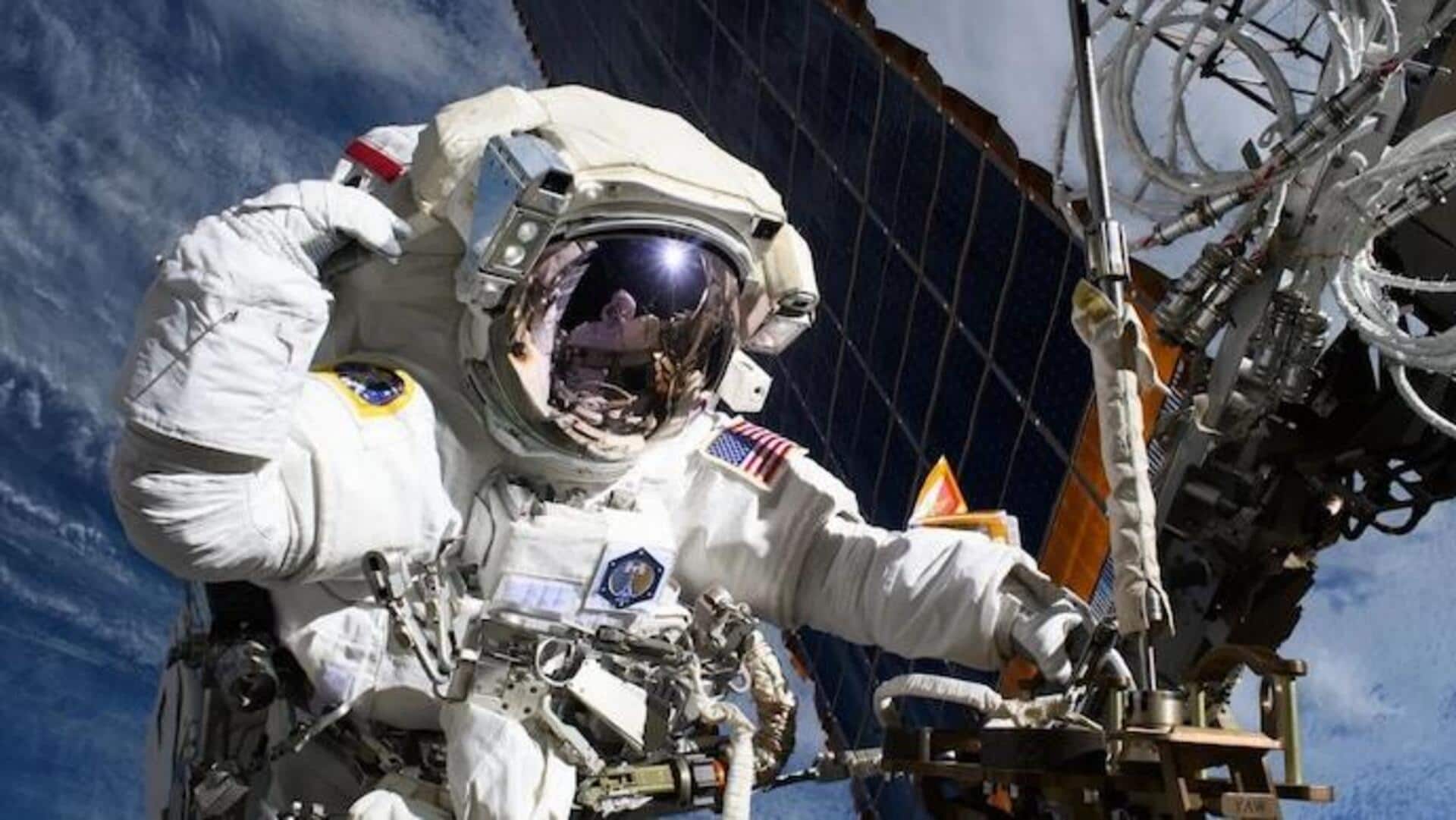
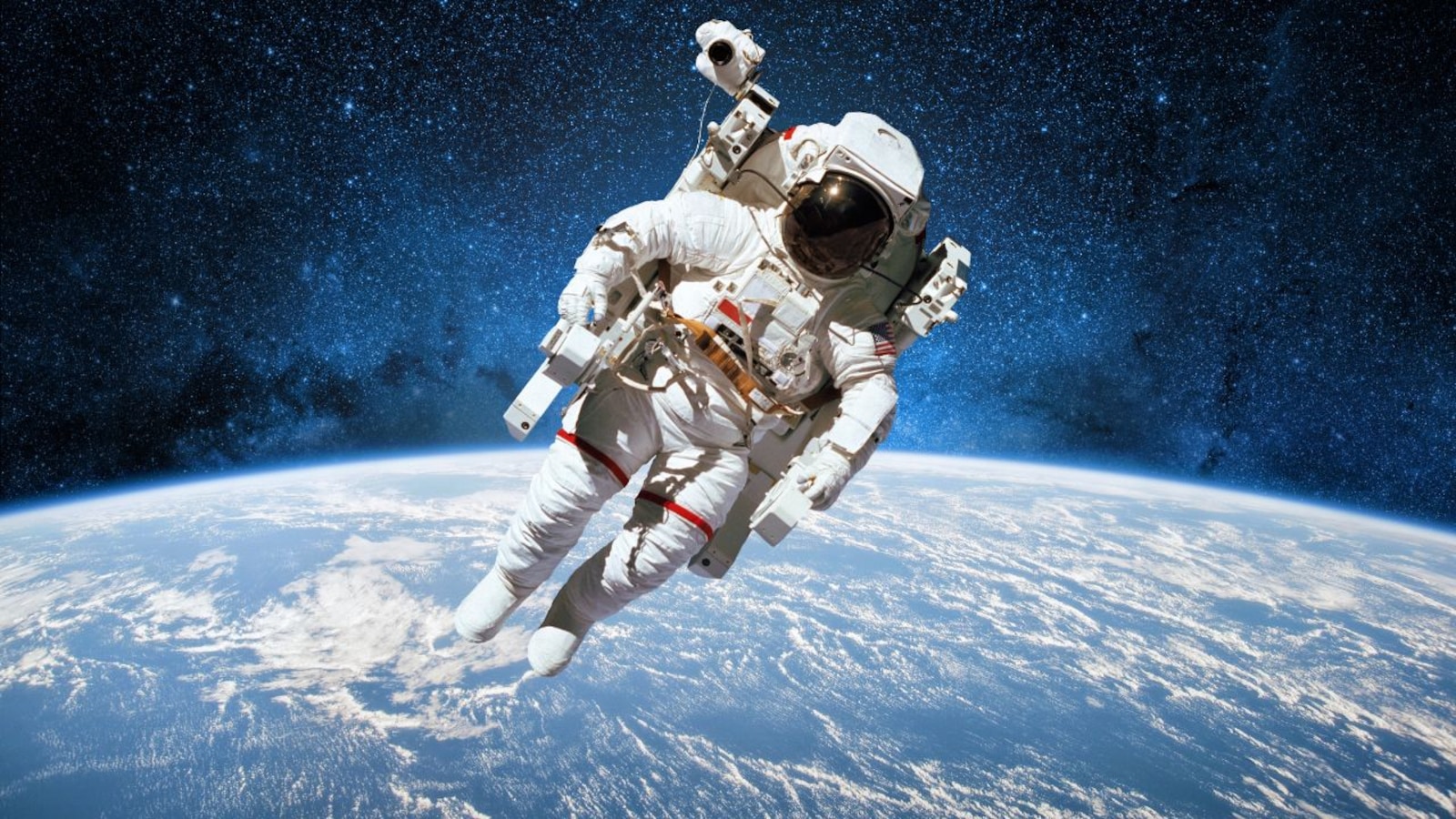
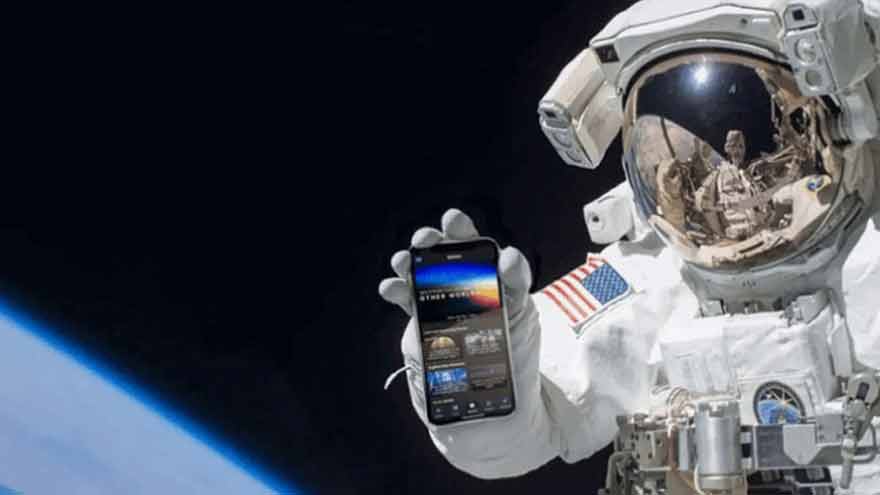
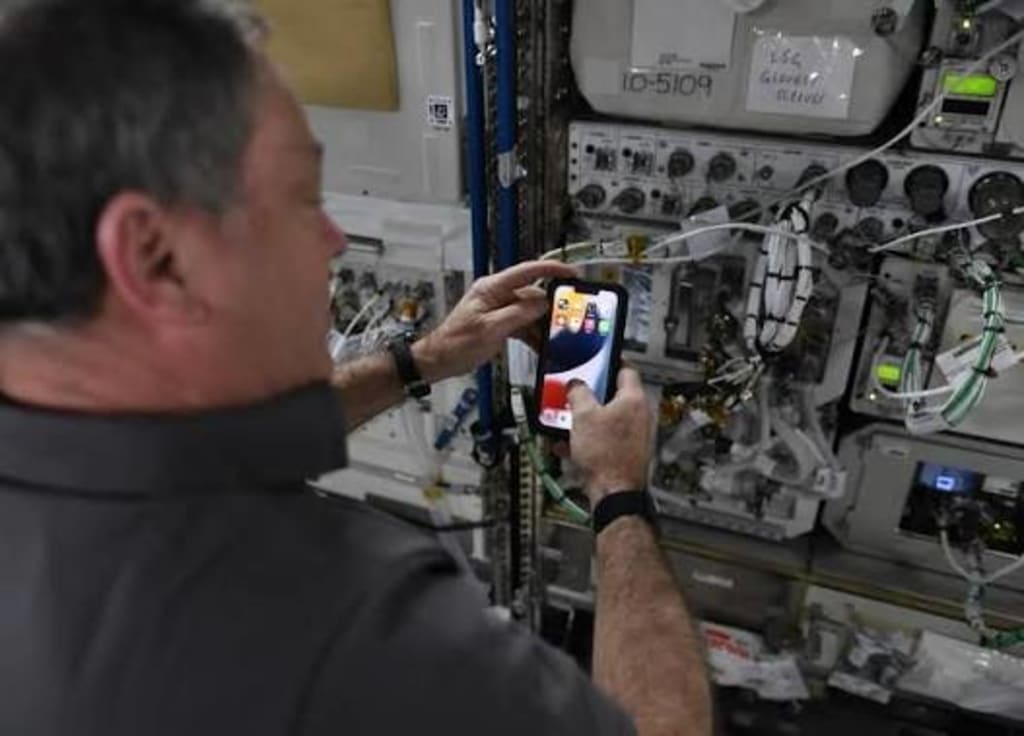
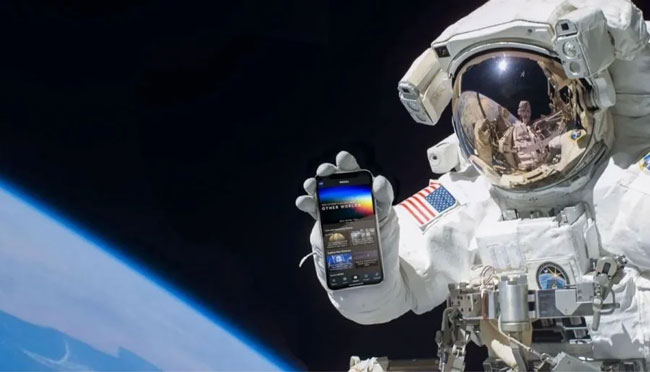
NASA's groundbreaking decision to authorize astronauts to bring personal iPhones and Android smartphones on the Crew-12 and Artemis II missions (launching March 2026) represents a significant policy modernization with substantial e-commerce implications. NASA Administrator Jared Isaacman announced on February 5, 2026, that crews will use "the newest iPhone and Android devices" for documentation, replacing decade-old Nikon DSLRs and GoPro cameras. This shift from restrictive electromagnetic interference protocols to expedited hardware certification creates multiple seller opportunities across consumer electronics, accessories, and content creation categories.
The Market Opportunity: This policy change signals unprecedented demand for smartphone-related products targeting space exploration enthusiasts, STEM educators, and content creators. The global space tourism and exploration market is projected to reach $1B+ by 2030, with consumer interest in space-related merchandise growing 35-40% annually. Sellers can capitalize on this trend through: (1) Space-grade protective cases and accessories designed for extreme environments—premium phone cases marketed as "astronaut-tested" or "space-mission approved" can command 2-3x standard pricing; (2) Content creation bundles including tripods, stabilizers, and lighting equipment optimized for space documentation; (3) STEM educational products leveraging authentic space imagery—merchandise featuring real astronaut photos from Artemis II missions will drive significant demand in Q3-Q4 2026.
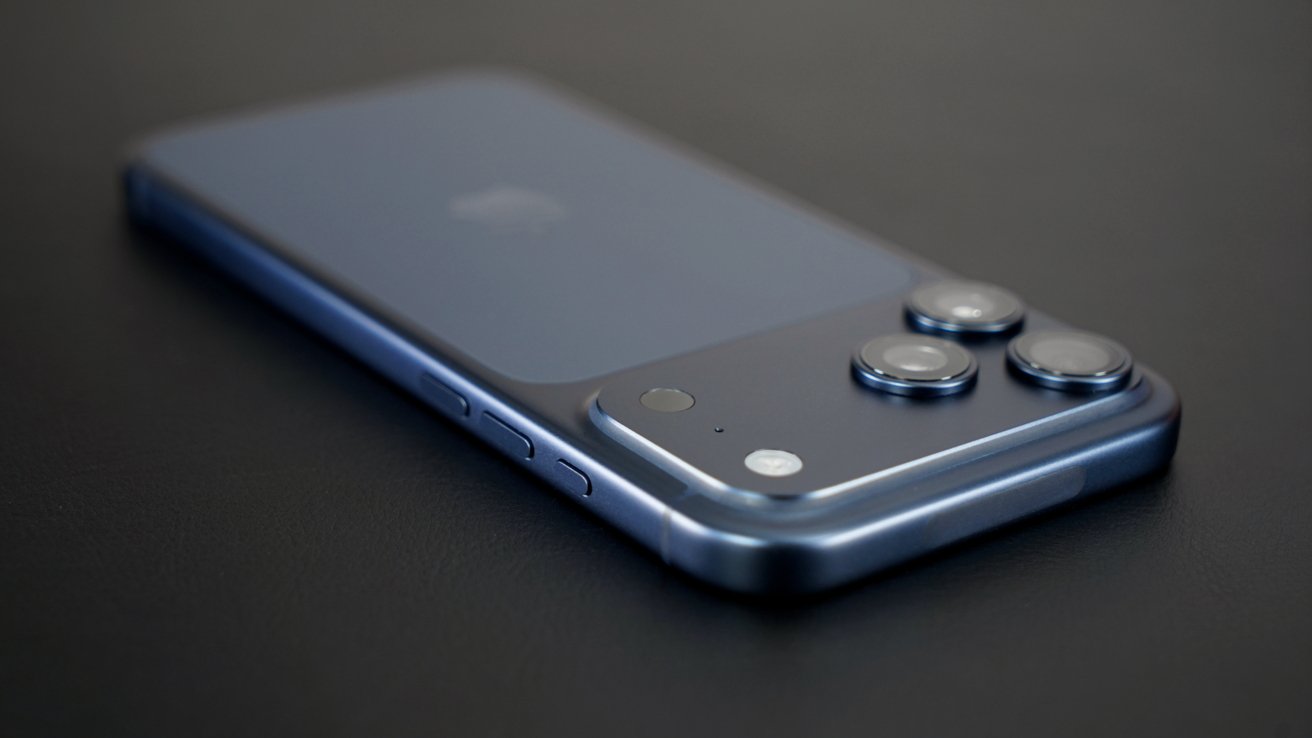
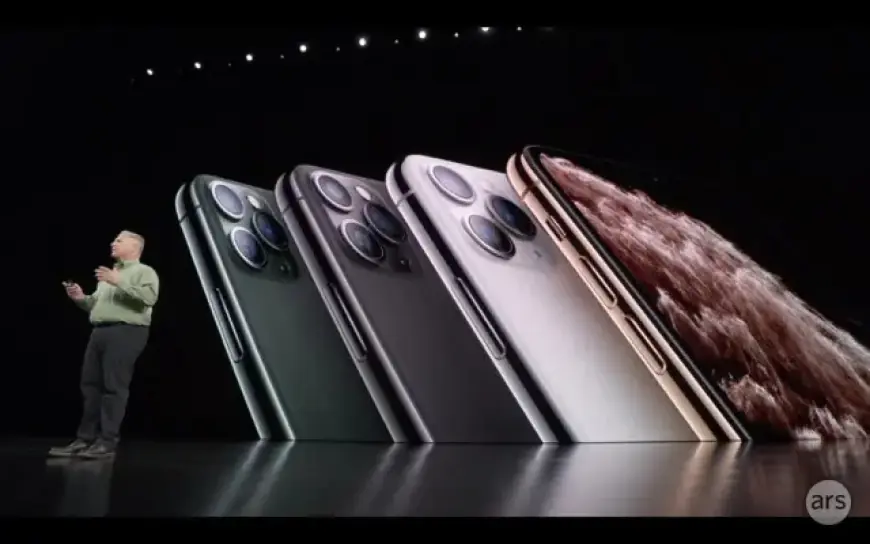
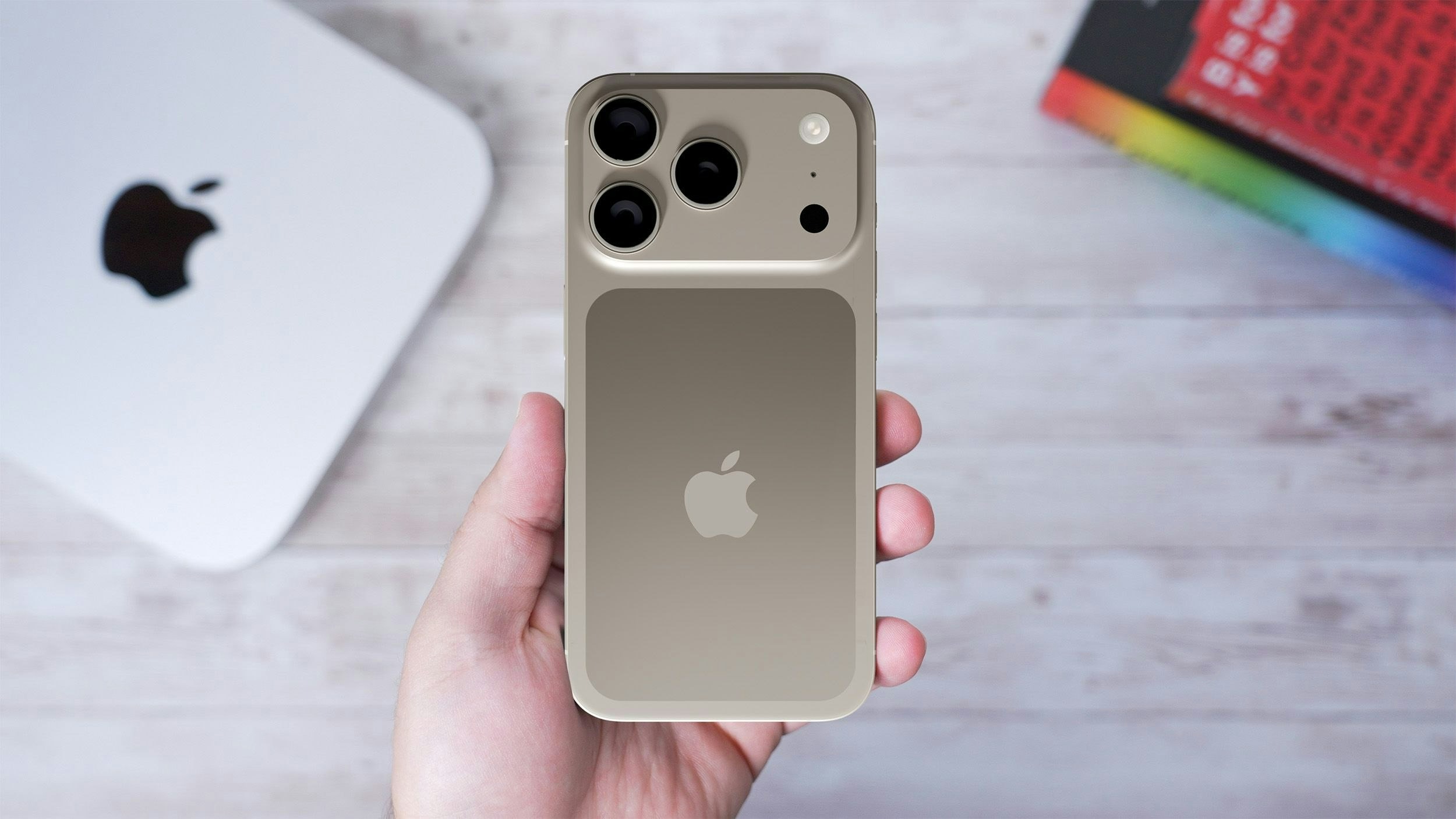
Seller Segments & Product Categories: Electronics sellers should prioritize iPhone 15/16 Pro models and latest Android flagships (Samsung Galaxy S25, Google Pixel 9 Pro) as these will be featured in NASA missions. Accessories sellers can develop specialized product lines: radiation-shielded cases, thermal-resistant screen protectors, and space-themed protective gear. Content creators and educators can bundle space exploration merchandise with authentic mission footage—a category that historically generates 25-30% higher margins than standard consumer electronics. The announcement also validates consumer-grade smartphone reliability, potentially shifting buyer perception toward premium models for professional/extreme-use applications.
Strategic Implications for Cross-Border Sellers: This policy represents NASA's broader shift toward cost optimization and operational efficiency—replacing specialized $50K+ imaging systems with consumer smartphones. This trend will likely influence other government agencies, military procurement, and enterprise buyers to reconsider consumer-grade technology. Sellers should monitor similar policy changes across space agencies (ESA, JAXA, CNSA) and defense contractors. The March 2026 Artemis II launch creates a 12-month content marketing window (Feb 2025-Feb 2026) for space-themed product launches. Sellers in Asia-Pacific regions manufacturing smartphone accessories can expect increased B2B demand from US and European retailers stocking space-related merchandise ahead of the mission.
问题 7
When should sellers launch space-related product campaigns to capitalize on Artemis II momentum?
The optimal launch window is **February 2025 through February 2026**—12 months before the March 2026 Artemis II mission. This timeline allows sellers to: (1) Build inventory and establish brand presence before peak interest; (2) Capture holiday shopping season (Q4 2025) with space-themed gift bundles; (3) Launch educational content and tutorials featuring space exploration angles; (4) Establish partnerships with STEM retailers and space enthusiast communities. Historical data from similar events (SpaceX launches, ISS missions) shows consumer interest peaks 4-6 weeks before major space events. Sellers should begin PPC campaigns and content marketing by Q2 2025 to maximize visibility during the critical pre-launch period.
What products can sellers offer related to NASA's smartphone approval for space missions?
Sellers can capitalize on this trend through multiple product categories: (1) **Premium protective cases** marketed as space-grade or astronaut-tested, which typically command 150-200% markup over standard cases; (2) **Content creation bundles** including phone stabilizers, tripods, and lighting equipment optimized for video documentation; (3) **STEM educational merchandise** featuring authentic space mission imagery; (4) **Space-themed collectibles** and memorabilia tied to Artemis II launch (March 2026). The announcement validates consumer smartphone reliability for professional applications, creating demand across electronics, accessories, and educational product categories. Sellers should prioritize iPhone 15/16 Pro and latest Android flagship models, as these will be featured in actual NASA missions.