


Measles Outbreak Disrupts Mexico Supply Chains | 2026 World Cup Risk
- 1,981 confirmed cases in Mexico, 43x surge in Americas threatens logistics networks and World Cup operations in Jalisco












概览
A critical measles outbreak across the Americas is creating significant operational disruptions for cross-border e-commerce sellers, particularly those with supply chain dependencies in Mexico ahead of the 2026 FIFA World Cup. As of February 2026, Mexico leads the region with 1,981 confirmed measles cases and over 5,200 suspected cases, with Jalisco state serving as the outbreak epicenter containing 1,163 confirmed cases. The Pan American Health Organization (PAHO) reports that in the first three weeks of 2026 alone, seven Americas countries confirmed 1,031 additional cases—43 times higher than the same period in 2025. This represents Mexico's largest measles outbreak in decades, originating from Chihuahua's Mennonite communities with high vaccine hesitancy rates after cross-border exposure from Texas.
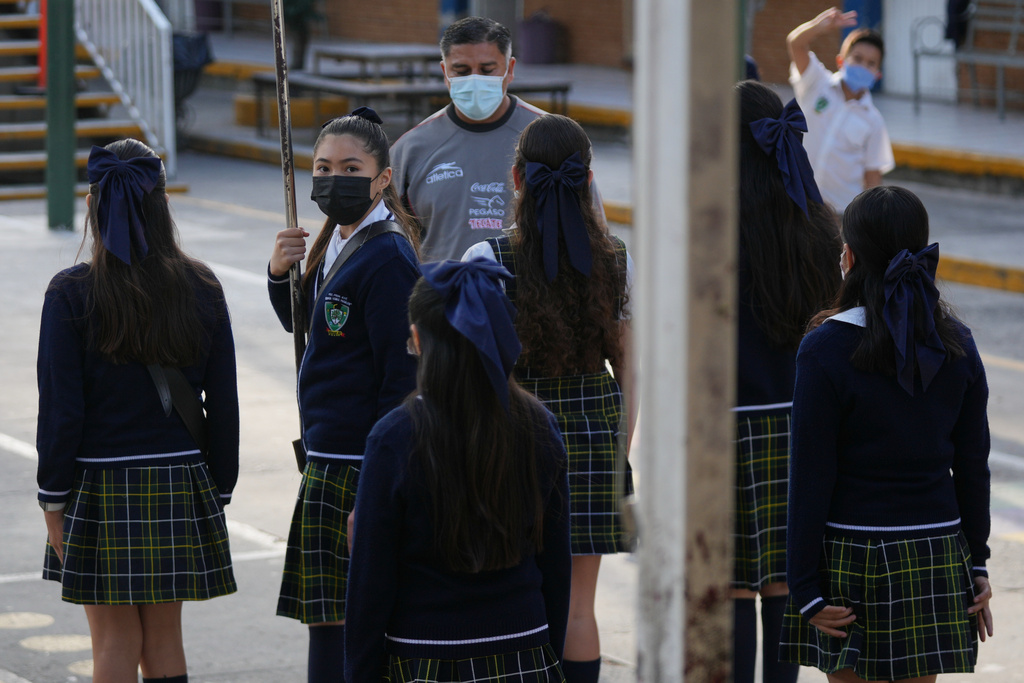
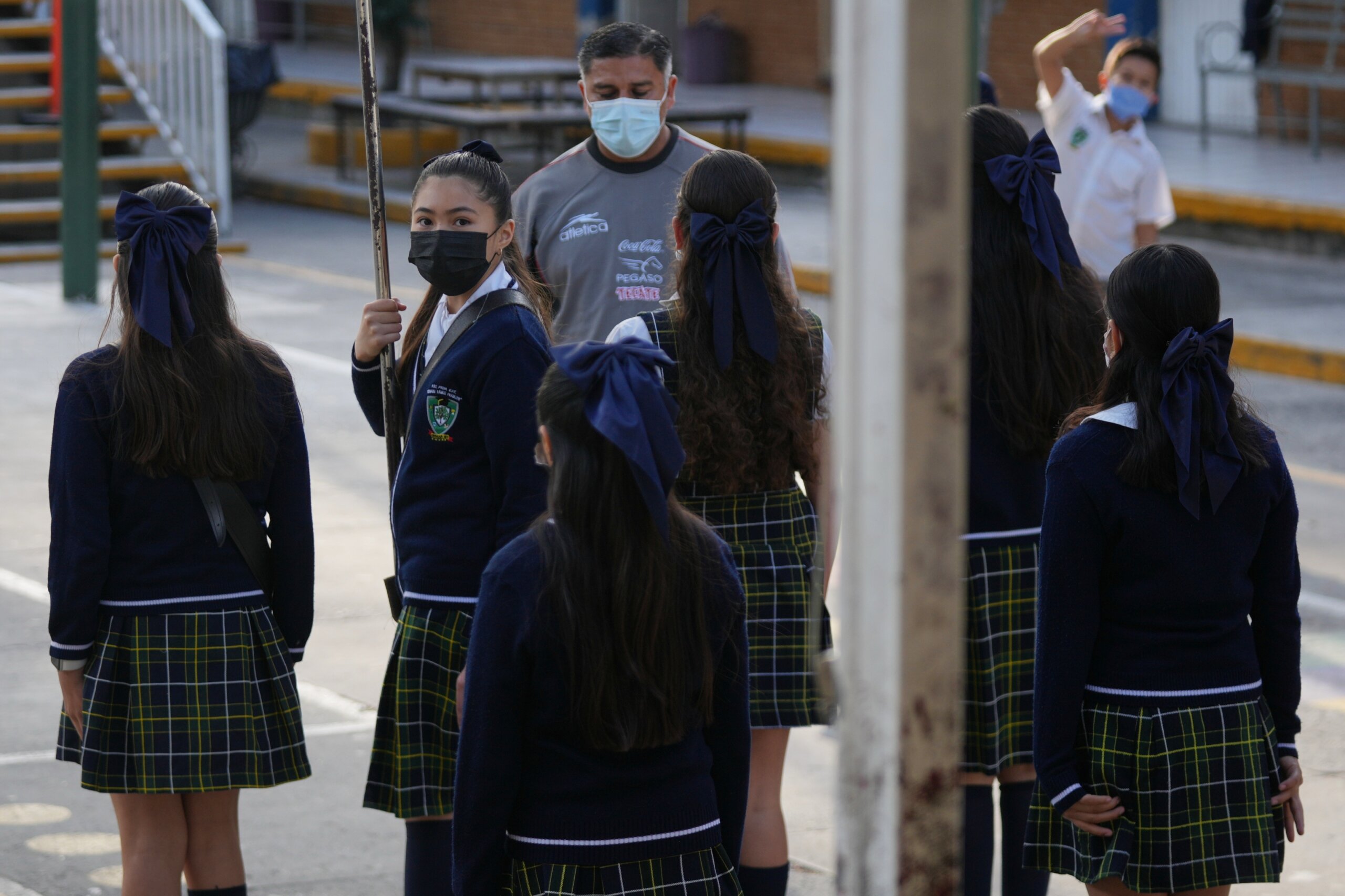
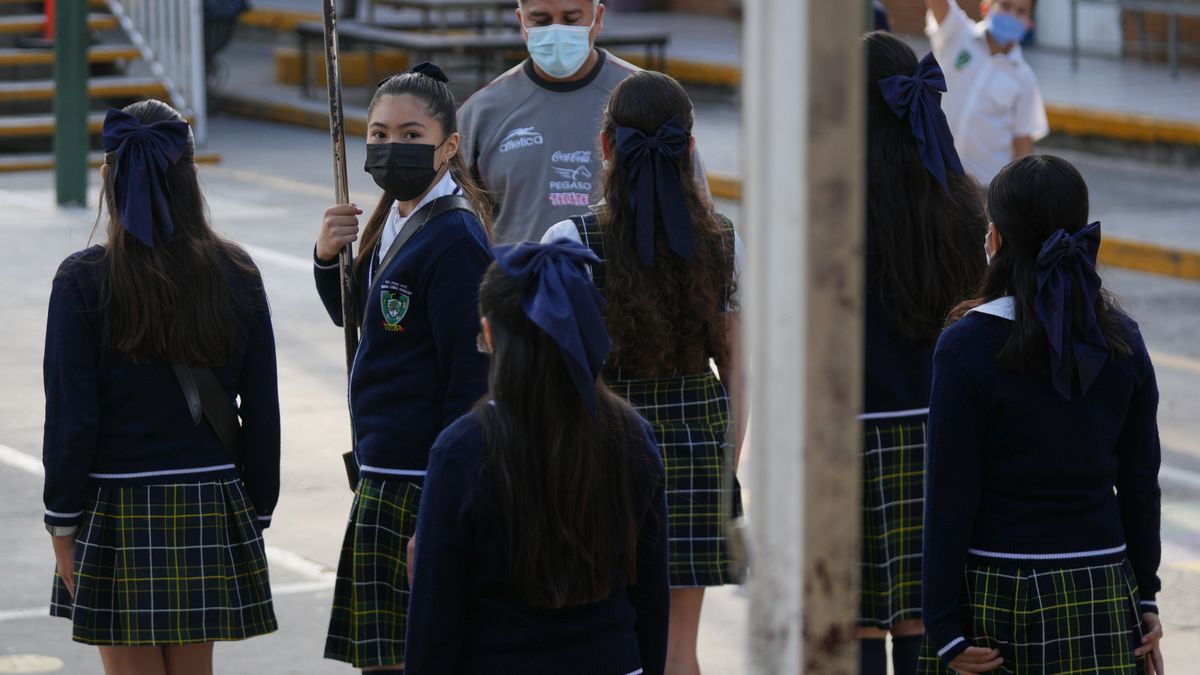
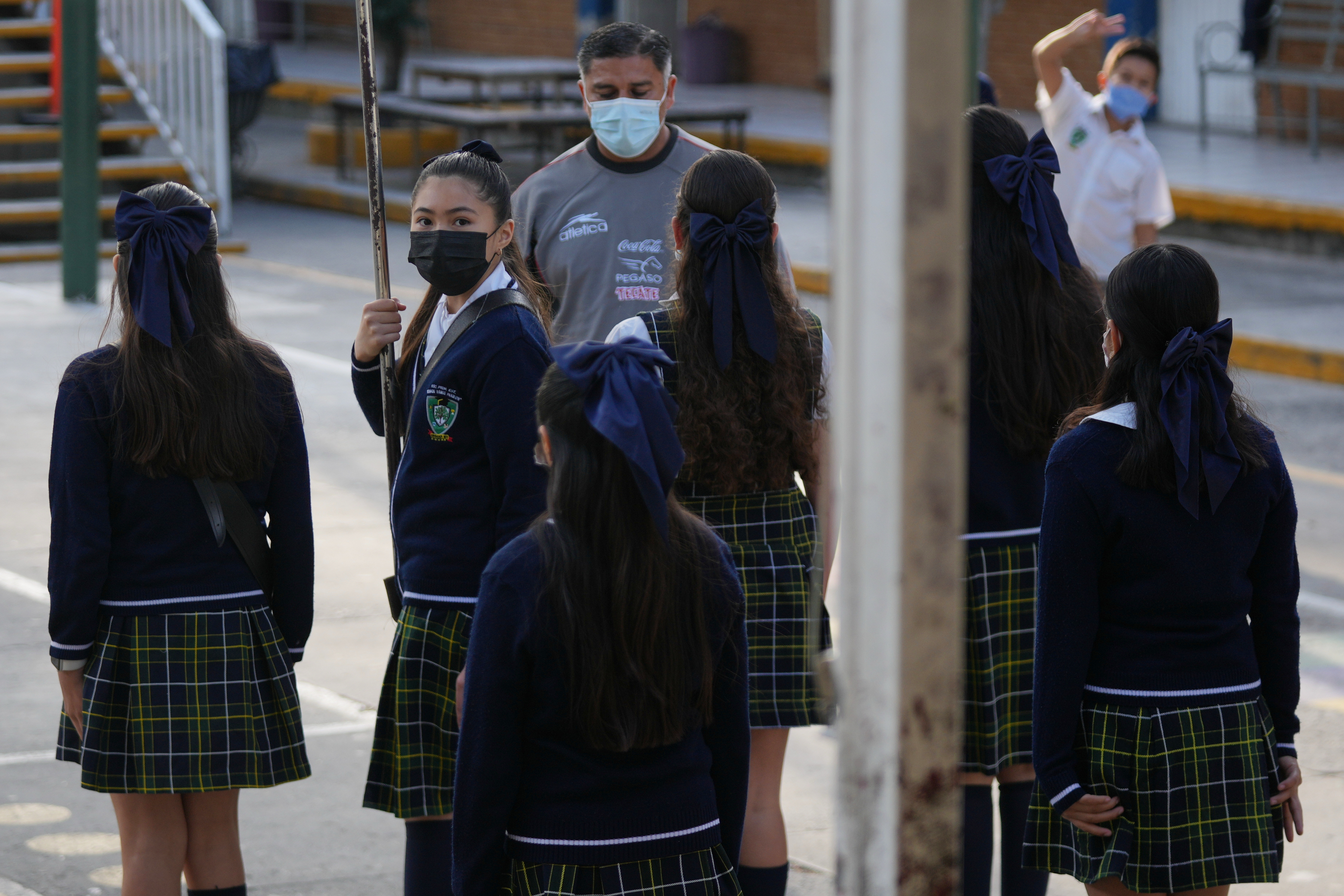
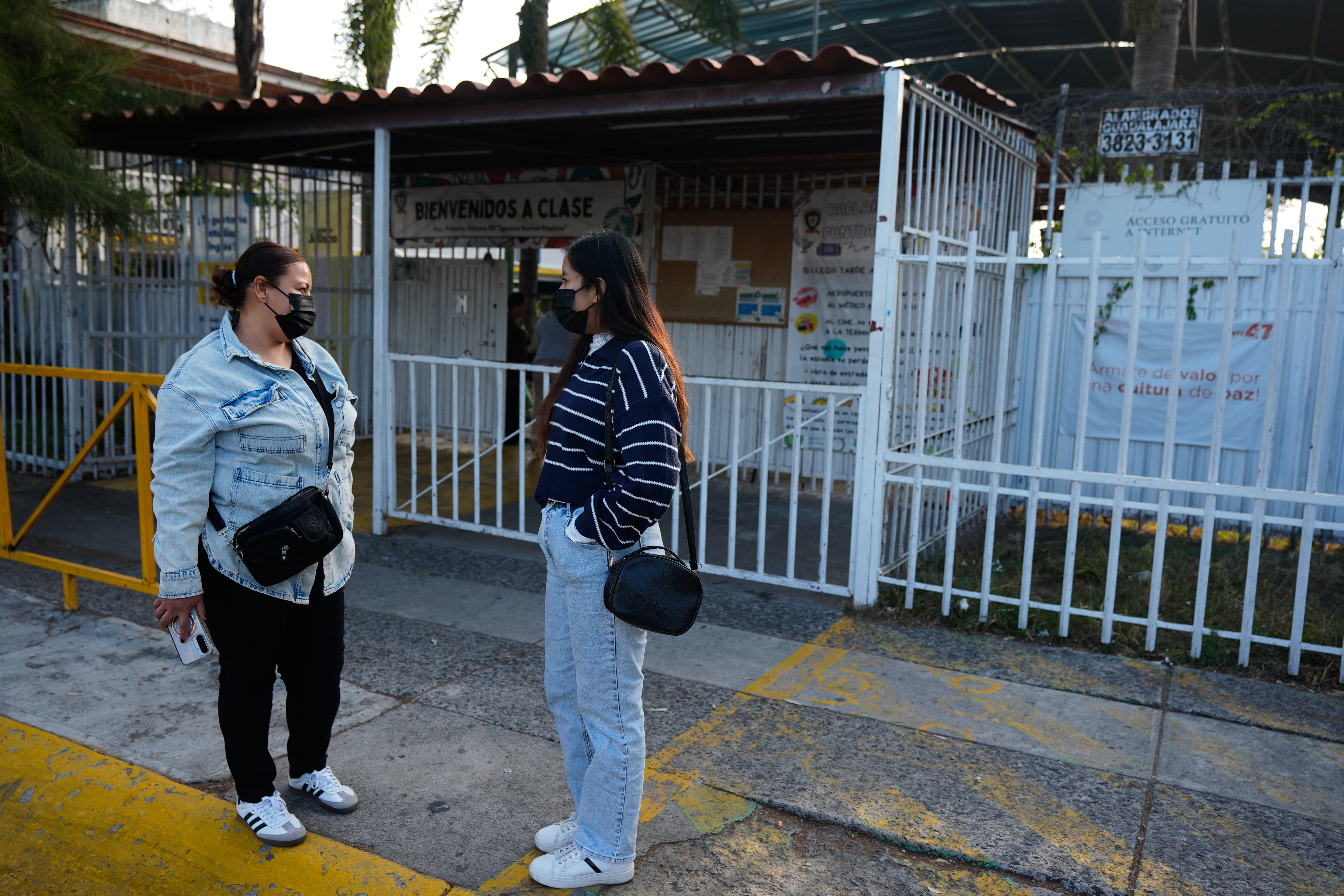
Operational Impact on E-Commerce Logistics: Jalisco authorities issued a health alert on February 5, 2026, mandating face mask use in schools across seven Guadalajara neighborhoods for 30 days and suspending classes at 15 schools in Jalisco and Aguascalientes. These measures directly threaten last-mile delivery networks and warehouse operations in key Mexican distribution hubs. Sellers operating 3PL fulfillment centers in Guadalajara—a primary World Cup host city—face workforce availability challenges, potential shipping delays, and increased operational costs as health protocols intensify. The mandatory health measures create uncertainty for inventory positioning ahead of the World Cup event, which typically drives 25-40% sales increases in sports merchandise, apparel, and hospitality categories.
Regional Health Crisis and Supply Chain Vulnerability: Canada lost its measles-free status in November 2025, while the U.S. and Mexico face similar risks. Both governments requested two-month extensions from the World Health Organization to control transmission, though the Trump administration withdrew from WHO in January 2026, reducing coordinated response capacity. Scientists attribute rising outbreaks to declining vaccination rates across the hemisphere. For cross-border sellers, this creates compounding risks: potential border health screening measures could delay customs clearance, increased regulations may require health documentation for shipments, and workforce shortages in Mexican logistics hubs could extend fulfillment times by 5-10 days during peak World Cup demand periods. Mexico's government launched vaccination campaigns at airports and bus stations, but containment remains uncertain through the tournament period.
Product Opportunity and Demand Shift: The outbreak simultaneously creates demand opportunities in health-related product categories. Sellers in personal protective equipment (PPE), medical masks, hand sanitizers, and health monitoring devices can expect increased search volume and conversion rates in Mexico and Americas markets. Historical pandemic patterns show 200-300% demand spikes for protective equipment during health crises. Additionally, the World Cup event itself—despite health challenges—typically generates $3-5B in merchandise sales across sports apparel, collectibles, and fan gear categories. Sellers should balance supply chain risk mitigation with strategic inventory positioning in high-demand categories.
问题 8
How does the measles outbreak in Mexico affect cross-border e-commerce sellers?
The measles outbreak creates direct operational risks for sellers with supply chain dependencies in Mexico. With 1,981 confirmed cases and 15 school closures in Jalisco—home to Guadalajara, a primary World Cup host city—sellers face workforce availability challenges, potential 5-10 day fulfillment delays, and increased logistics costs. Mandatory health protocols and potential border health screening measures could extend customs clearance times. Sellers should immediately audit their 3PL partnerships in affected regions and develop contingency plans for inventory repositioning ahead of the World Cup event.
What product categories benefit from the measles outbreak demand surge?
Health-related product categories experience significant demand increases during disease outbreaks. PPE (personal protective equipment), medical masks, hand sanitizers, and health monitoring devices typically see 200-300% demand spikes. Additionally, the 2026 World Cup event itself generates $3-5B in merchandise sales across sports apparel, collectibles, and fan gear. Sellers should consider strategic inventory positioning in both protective equipment and World Cup merchandise categories to capitalize on dual demand drivers while managing supply chain risks.