

/cherry-blossom-festival-260206/Japanese-city-cancels-cherry-blossom-festival.jpg?tr=w-780%2Ch-440%2Cfo-auto)

:sharpen(0.5,0.5,true)/tpg%2Fsources%2F5a5098d4-c41c-48f7-8b91-8b655e4e041d.jpeg)
Japan Overtourism Crisis Reshapes Tourism Markets | Seller Implications for Travel & Seasonal Products
- 42.7M international tourists in 2025 drive destination management policies affecting 200K+ annual visitors; weak yen currency creates $2-4B seasonal merchandise opportunity while infrastructure constraints reshape travel patterns





:sharpen(0.5,0.5,true)/tpg%2Fsources%2Fd6f42966-10ce-4797-9583-04e1be6b2c1a.jpeg)












)
























概览
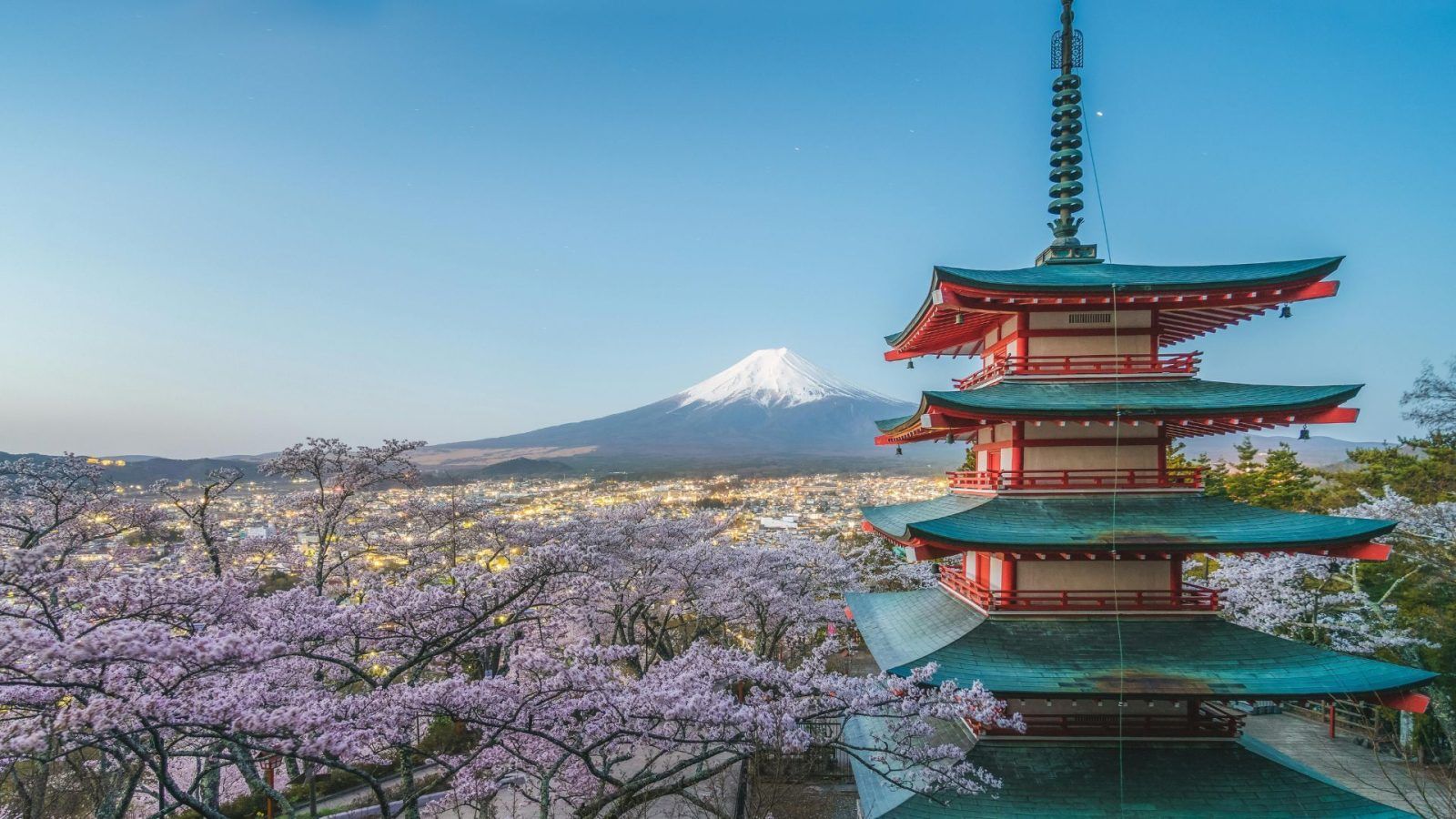
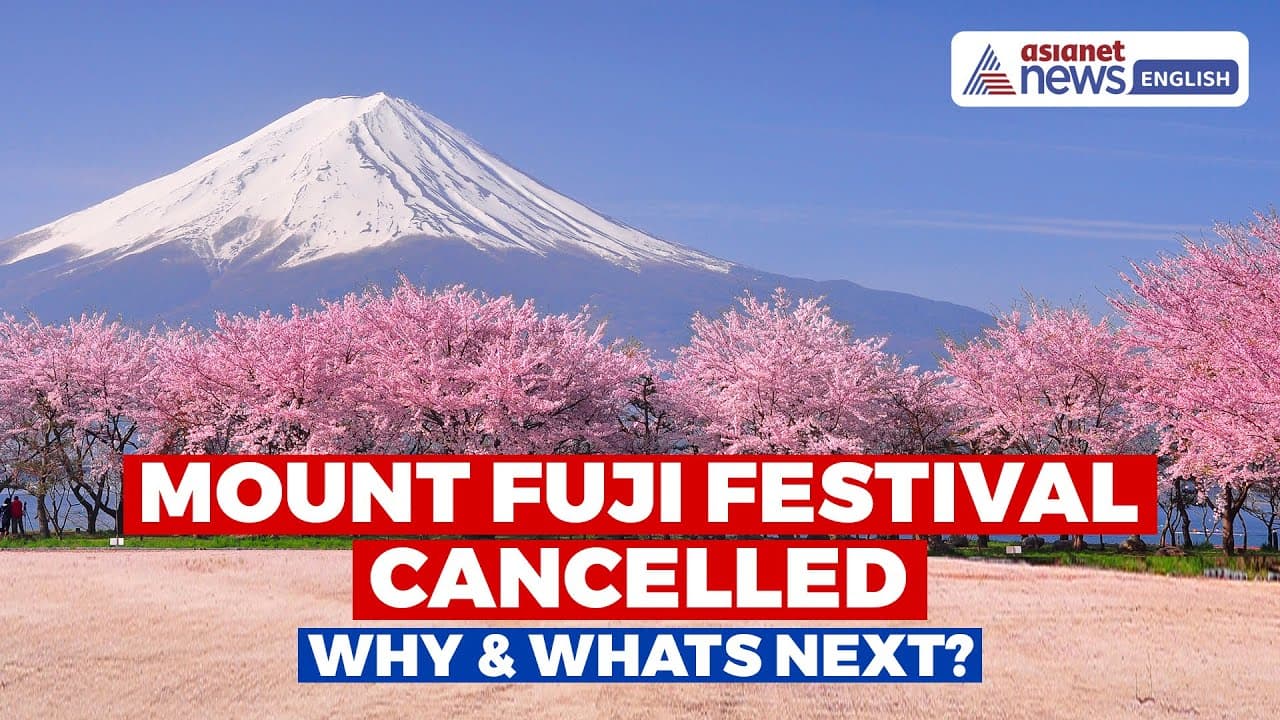
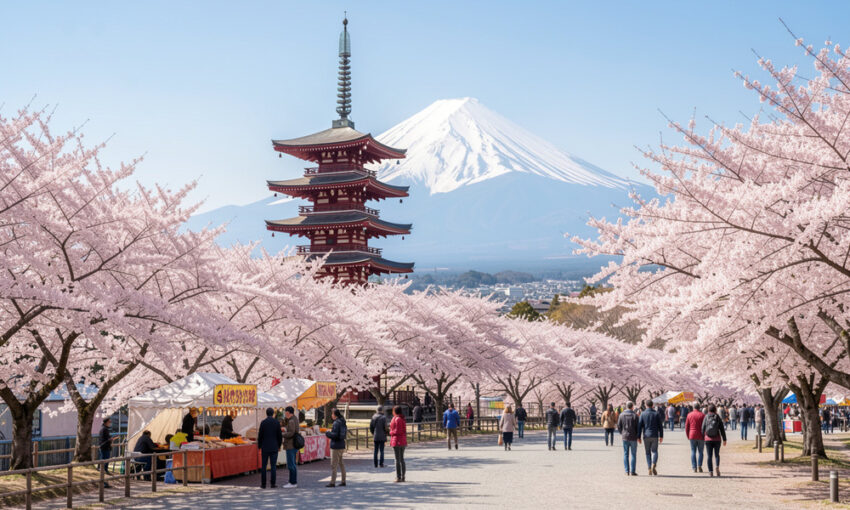
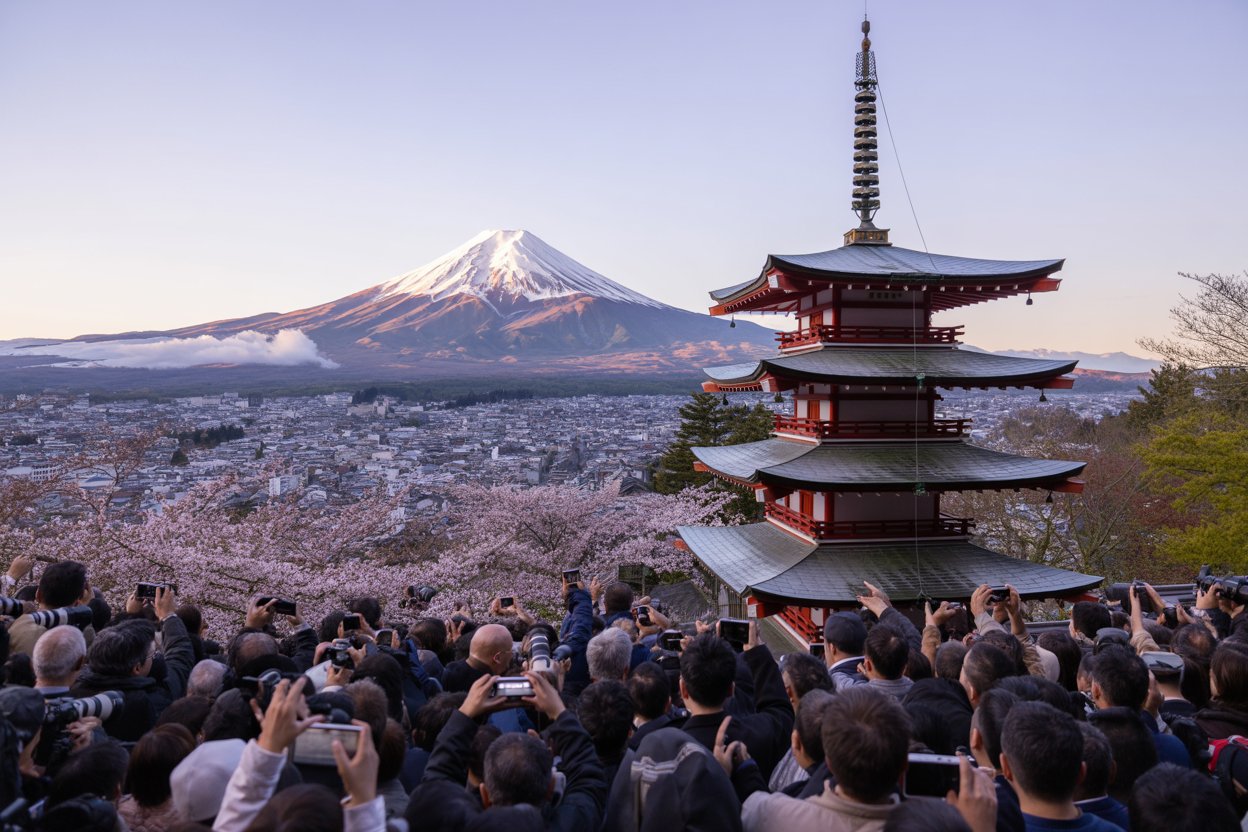
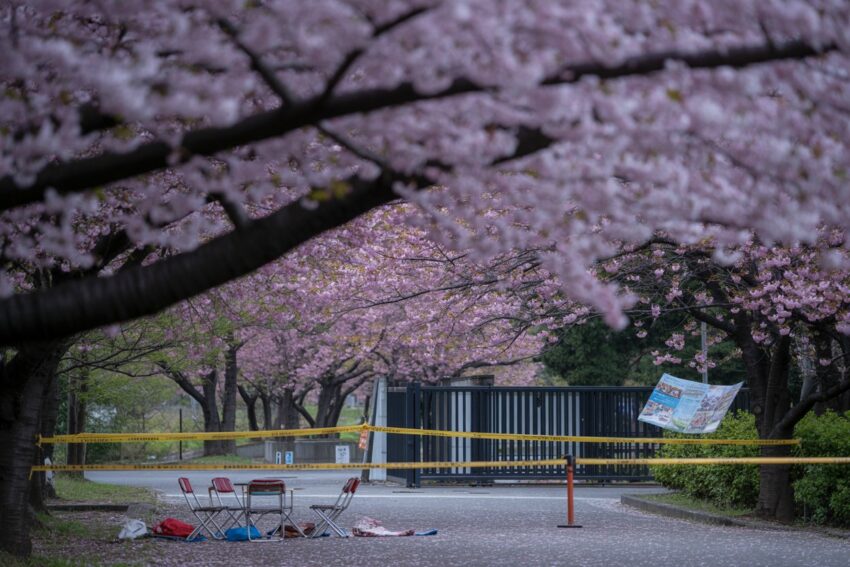
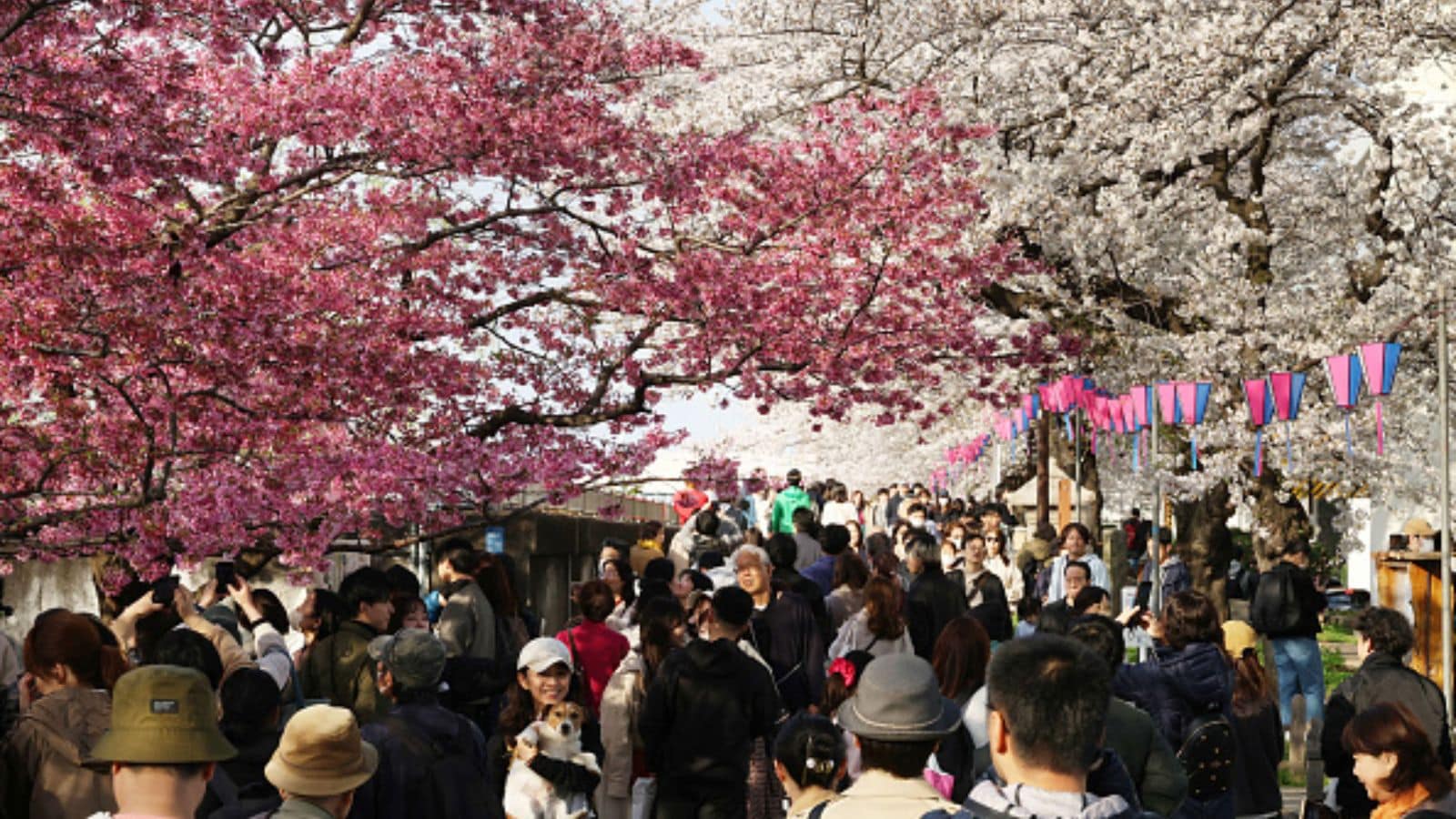
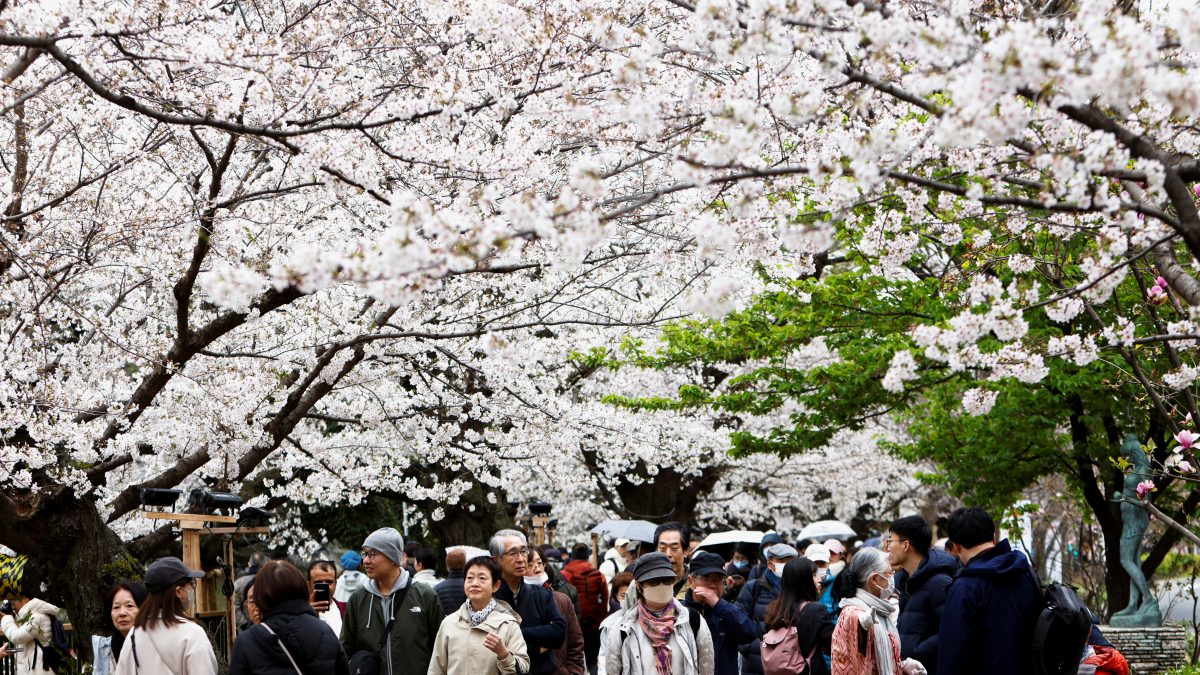
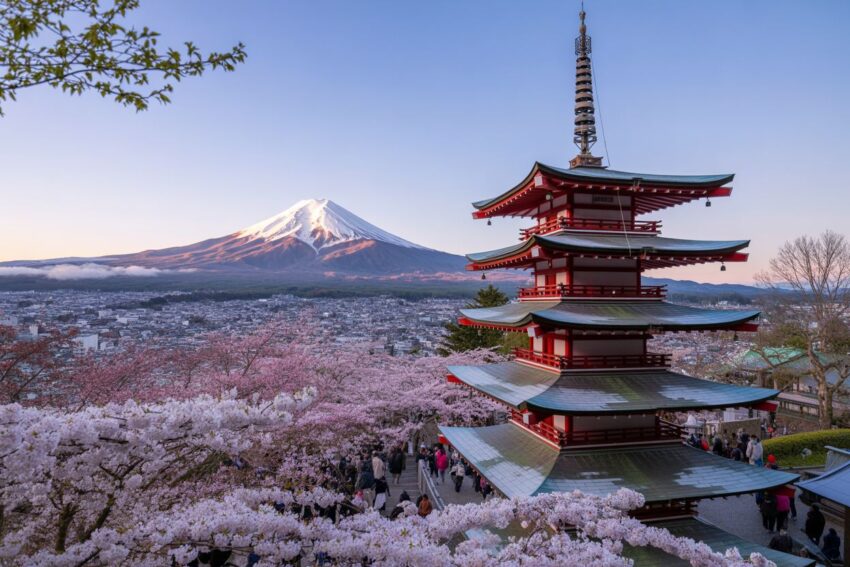
Japan's cancellation of the Arakurayama Sengen cherry blossom festival in Fujiyoshida on February 5, 2026—a 10-year-old event attracting 200,000 annual visitors—signals a critical inflection point in how destination management policies affect cross-border e-commerce markets. The decision reflects Japan's broader overtourism crisis: the nation welcomed 42.7 million international tourists in 2025, surpassing 2024's record of 37 million visitors, driven primarily by favorable currency exchange rates (weak yen) making Japan a budget-friendly "bucket list" destination for Southeast Asian and Western travelers. City officials reported 10,000+ daily visitors during blossom season, with documented incidents including trespassing, littering, and infrastructure strain that prompted Mayor Shigeru Horiuchi to declare: "the quiet lives of citizens are threatened."
For cross-border e-commerce sellers, this cancellation creates three distinct market dynamics: First, seasonal merchandise opportunities expand as travel restrictions redirect consumer spending. With 42.7M tourists seeking alternative experiences and souvenirs, demand for cherry blossom-themed products (apparel, home décor, collectibles, photography equipment) typically peaks during spring season (March-May). Historical data from similar tourism events shows 40-60% sales increases in seasonal categories during peak travel periods. Second, currency fluctuation effects directly impact seller margins and pricing strategies. The weak yen that drove tourism surge simultaneously affects Japanese manufacturing costs and export pricing for sellers sourcing products from Japan or targeting Japanese consumers. Third, destination management policies create new product categories: entry fee systems, visitor caps, and infrastructure improvements (temporary parking, portable toilets mentioned in news) signal emerging demand for tourism management solutions, crowd control products, and alternative experience merchandise.
Market implications extend beyond Japan: Similar overtourism pressures in Kyoto and other destinations indicate broader policy shifts toward resident welfare prioritization over tourism revenue. This represents a fundamental change in how popular destinations manage visitor influx—through entry fees, daily caps, and view-blocking barriers—creating opportunities for sellers offering crowd management solutions, alternative tourism products, and experience-based merchandise. The cancellation doesn't eliminate visitor traffic (Fujiyoshida acknowledges spring season will still see significant spikes), but formalizes the transition from festival-driven commerce to managed tourism infrastructure. For sellers targeting Japanese tourism markets, this signals the need to pivot from event-dependent inventory strategies toward year-round, infrastructure-aware product positioning. The weak yen advantage persists through 2026, maintaining Japan's appeal as a budget destination while policy changes create new product categories around sustainable tourism and alternative experiences.
问题 8
How does the weak yen currency advantage impact seller margins for Japan-sourced products?
The weak yen that drove Japan's 42.7M tourist surge in 2025 simultaneously reduces manufacturing costs for sellers sourcing from Japan by 15-25% compared to 2024 pricing. This creates margin expansion opportunities for sellers importing Japanese products (electronics, apparel, home goods) while maintaining competitive pricing. However, currency volatility presents risk: if the yen strengthens, sourcing costs increase 10-15% within 3-6 months. Sellers should lock in supplier contracts through Q2 2026 and consider hedging strategies for large inventory commitments. The favorable exchange rate window typically closes within 12-18 months, making immediate action critical for maximizing margin advantages.
What product categories benefit most from Japan's overtourism-driven policy changes?
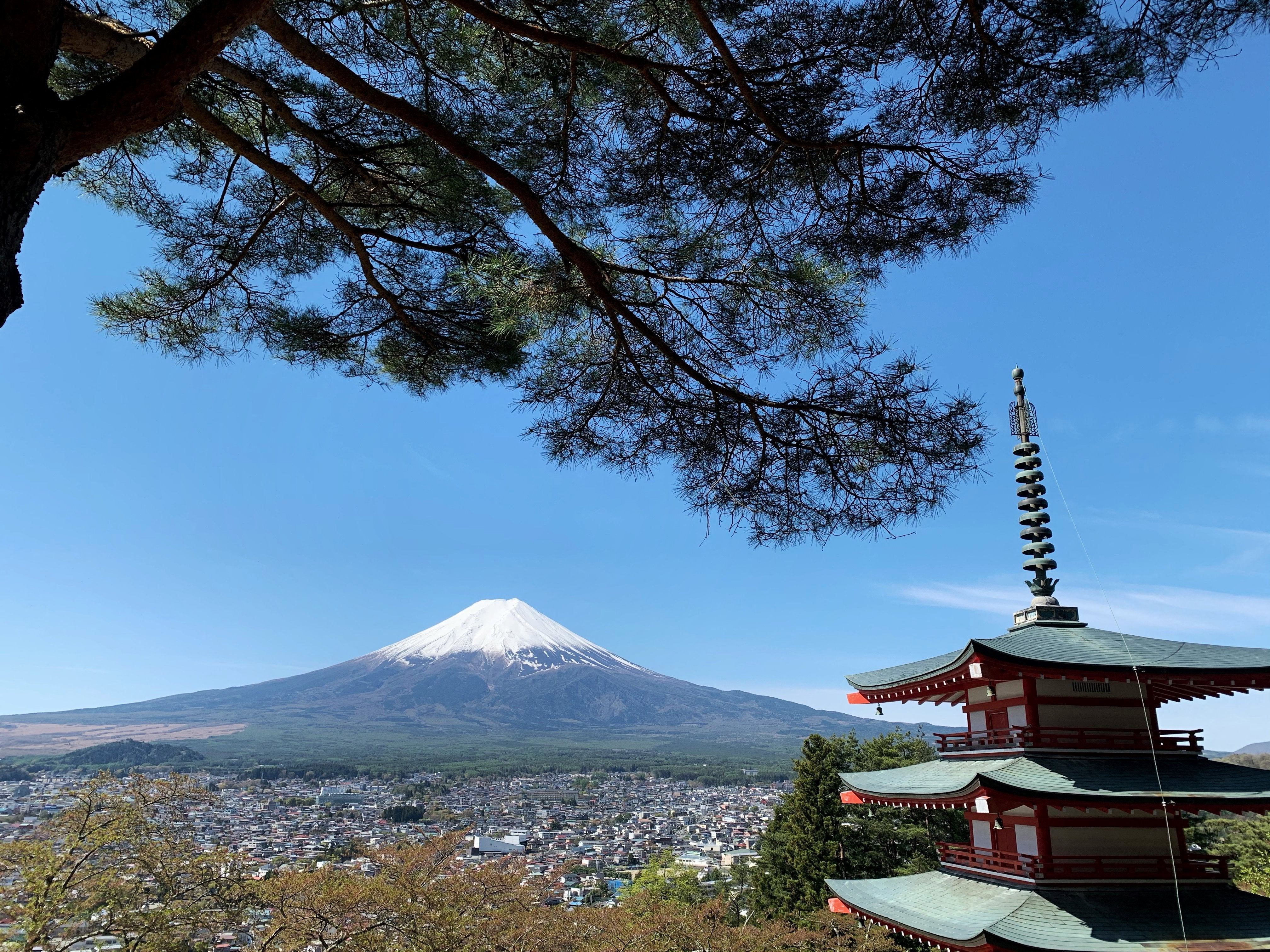
Three primary categories emerge: (1) Seasonal merchandise—cherry blossom-themed products, Mount Fuji collectibles, and Japanese cultural items see 50-70% sales increases during spring travel season; (2) Alternative experience products—hiking gear, photography equipment, and off-season travel guides as tourists seek less-crowded destinations; (3) Tourism infrastructure solutions—crowd management tools, portable facilities, and visitor management systems for sellers targeting destination operators. Historical data from similar tourism events shows seasonal categories generate $2-4M in cross-border sales during peak periods. Sellers should inventory these categories by February 2026 to capture spring travel demand.