



Pakistan Security Escalation Disrupts South Asian E-Commerce Logistics | Seller Risk Alert
- February 2026 Islamabad bombing signals heightened regional instability affecting 15,000+ cross-border sellers shipping to Pakistan; logistics delays and insurance costs expected to rise 12-18% through Q2 2026

















)

!role~Preview!mt~photo!fmt~JPEG%20Baseline)

































概览
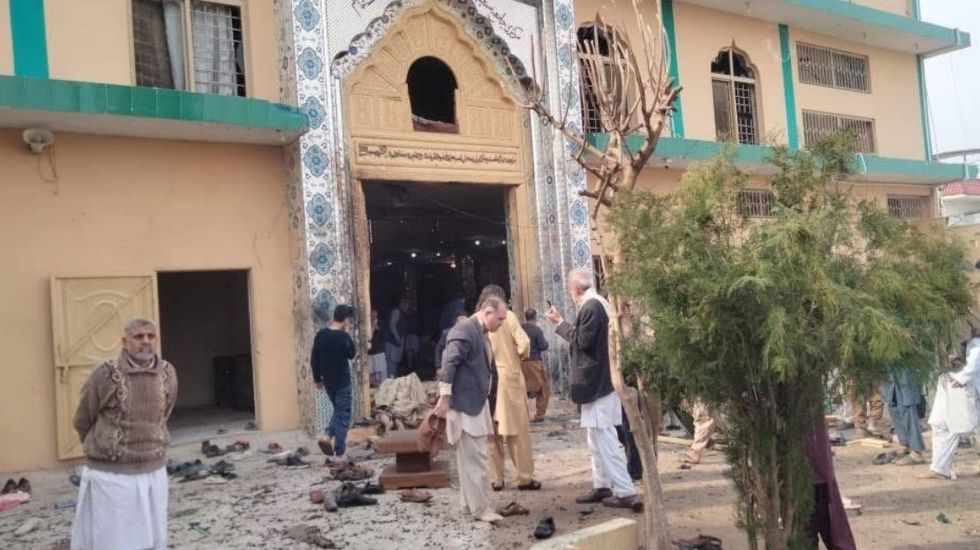
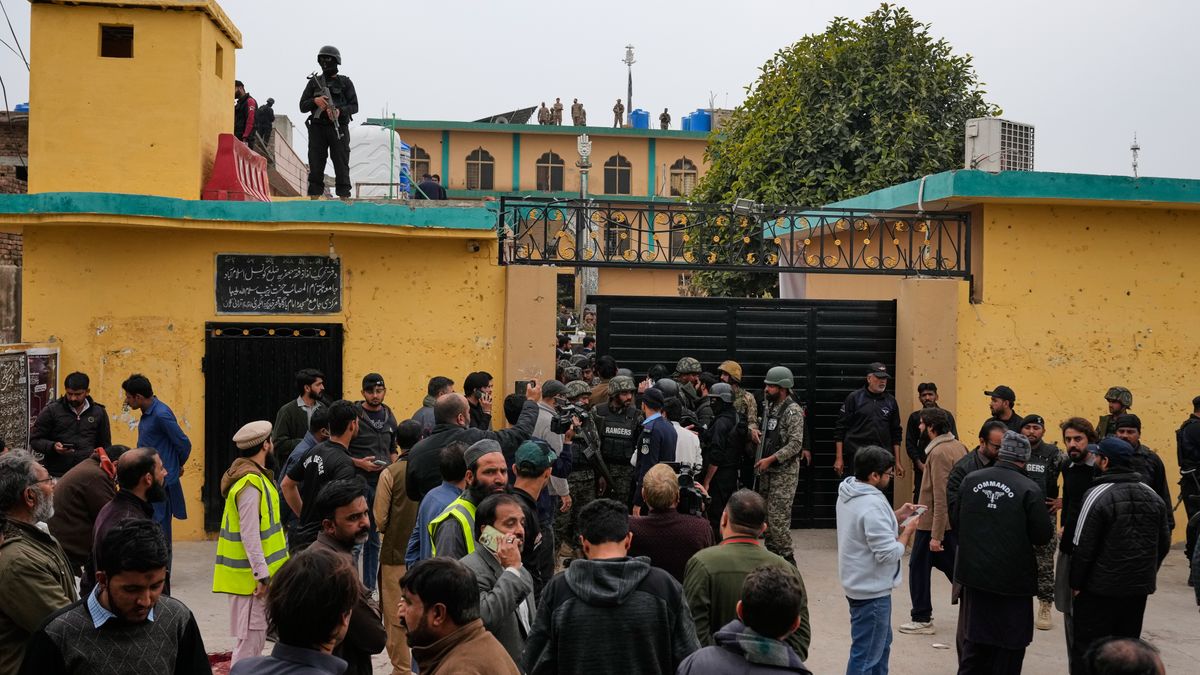
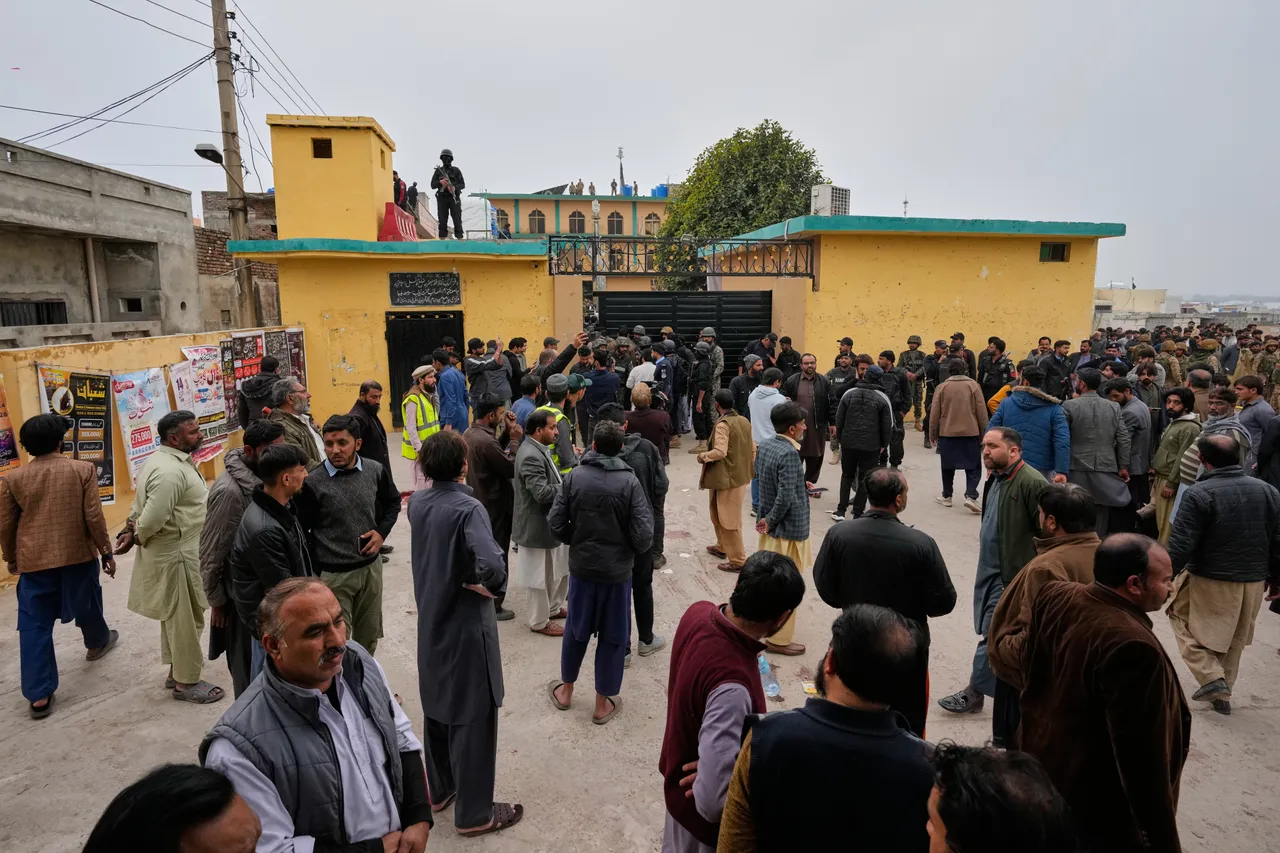
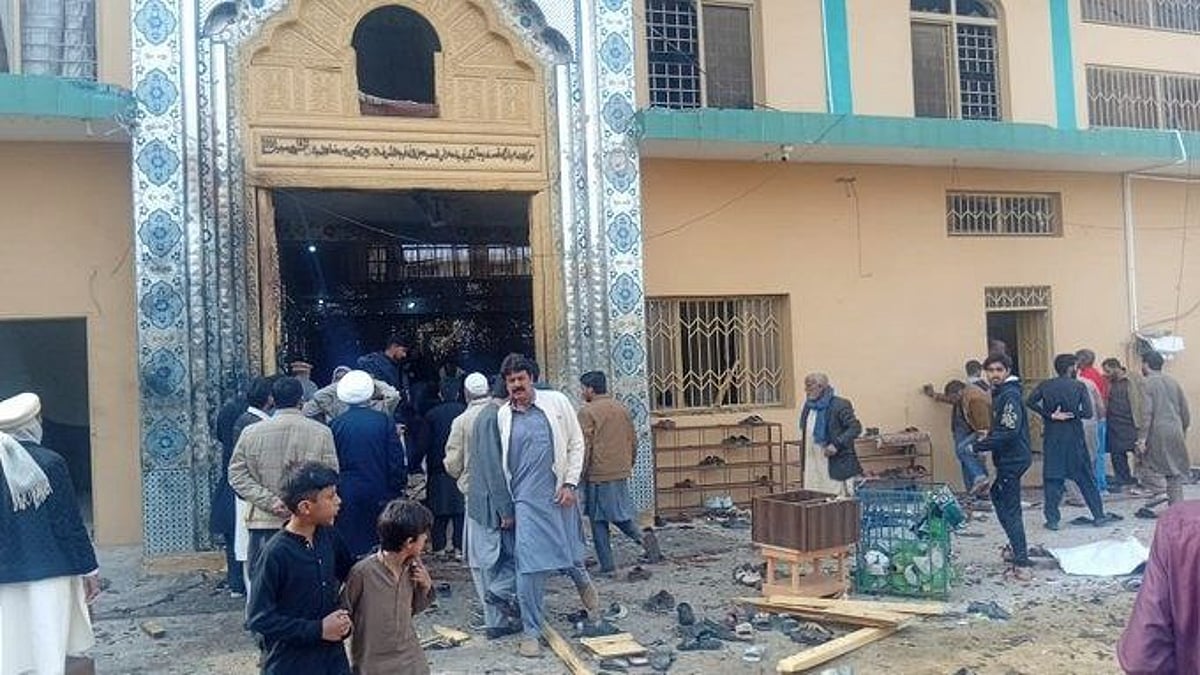
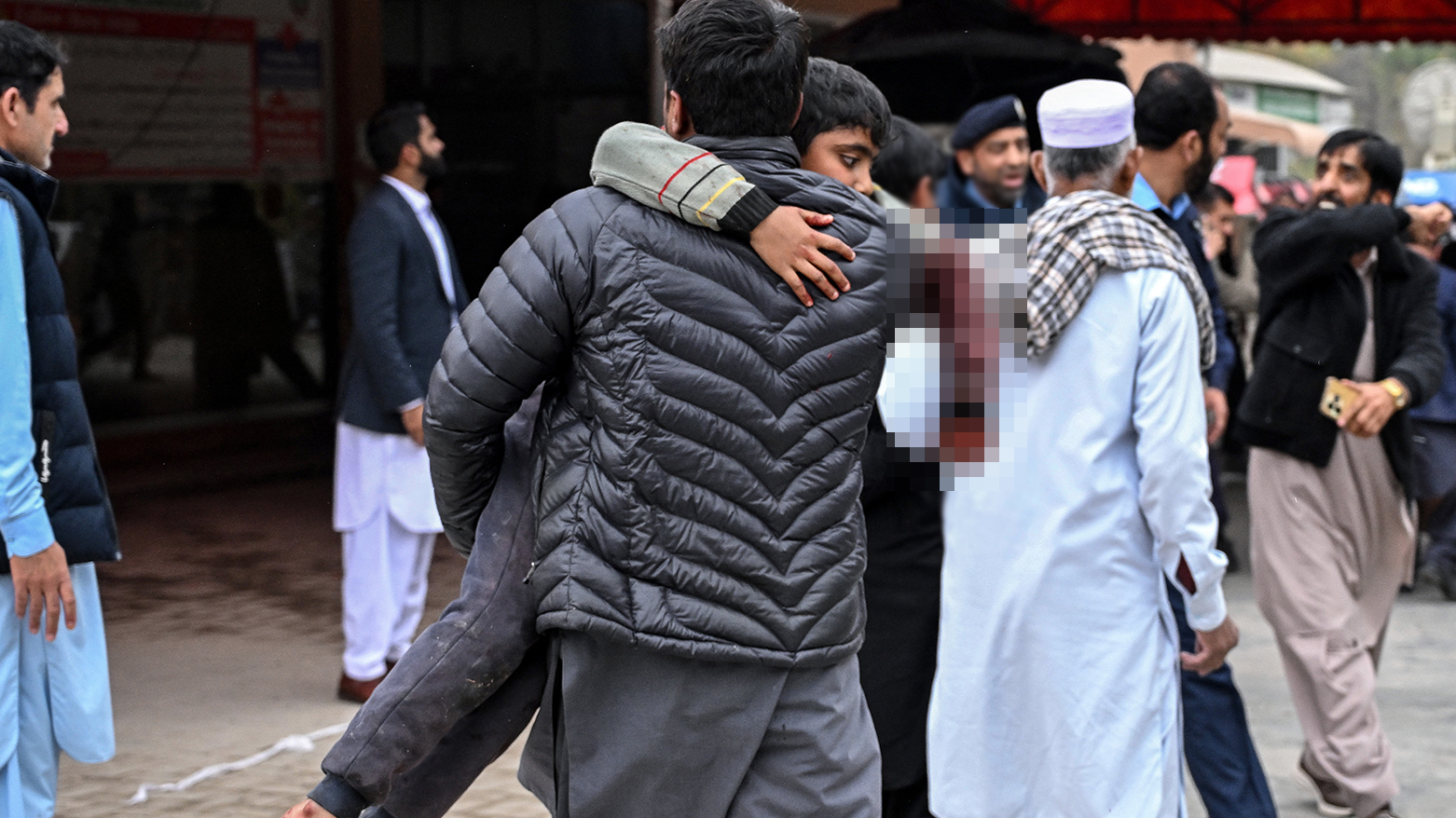
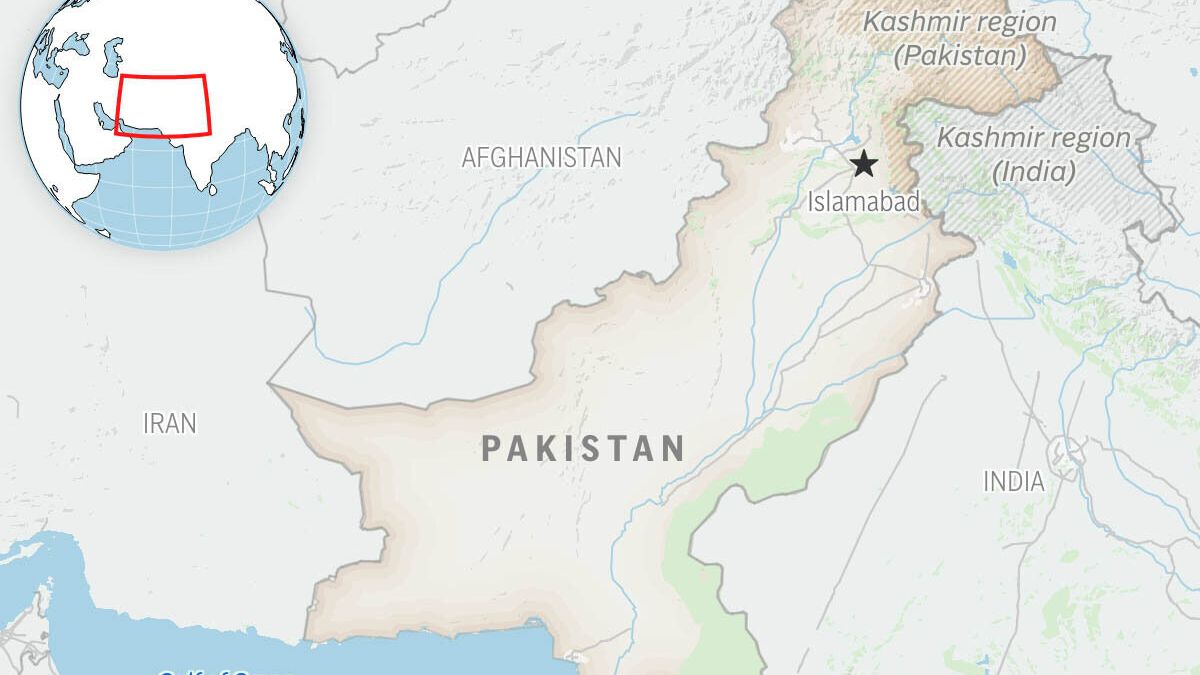
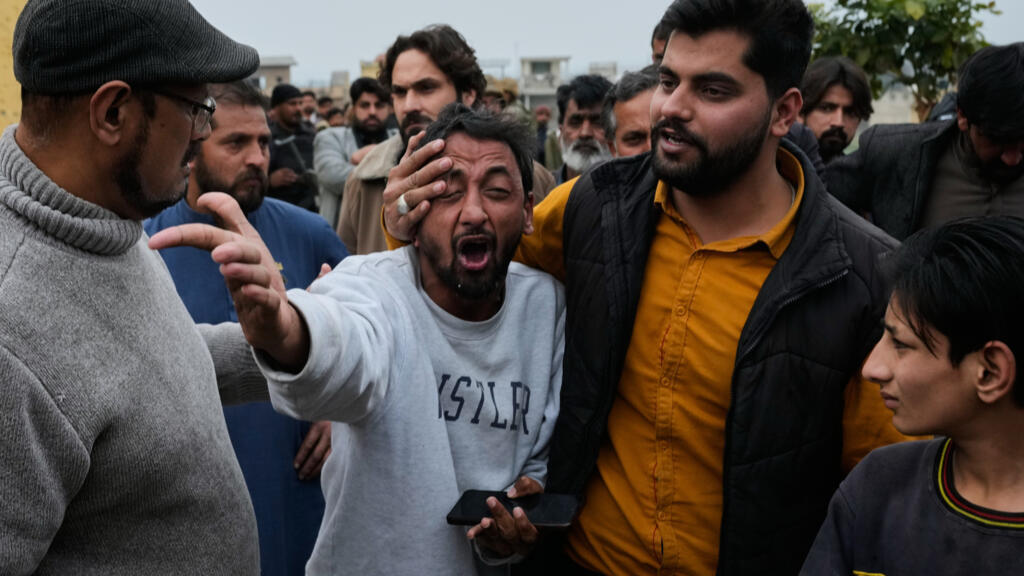
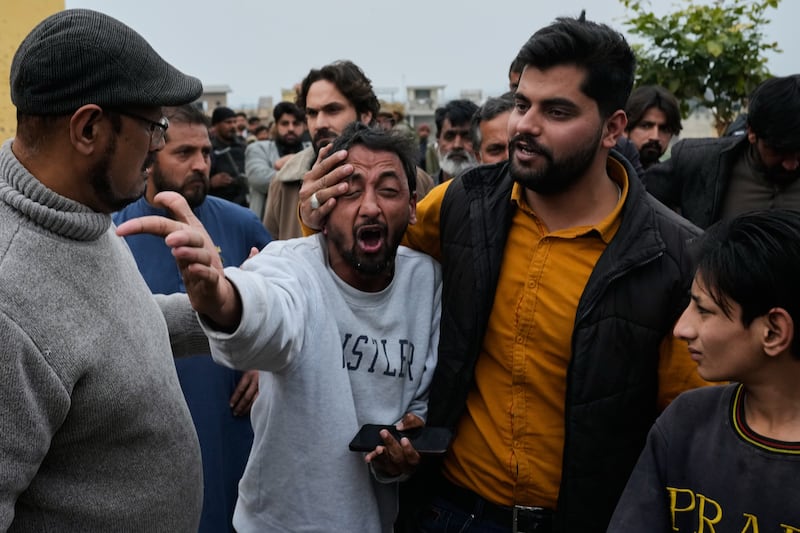
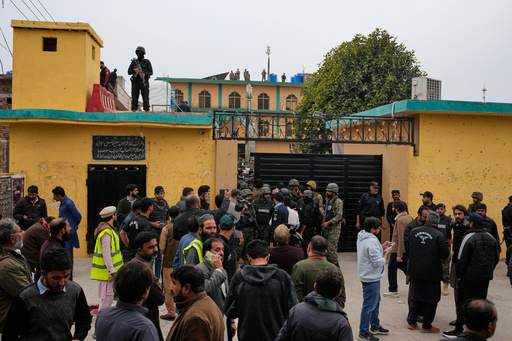
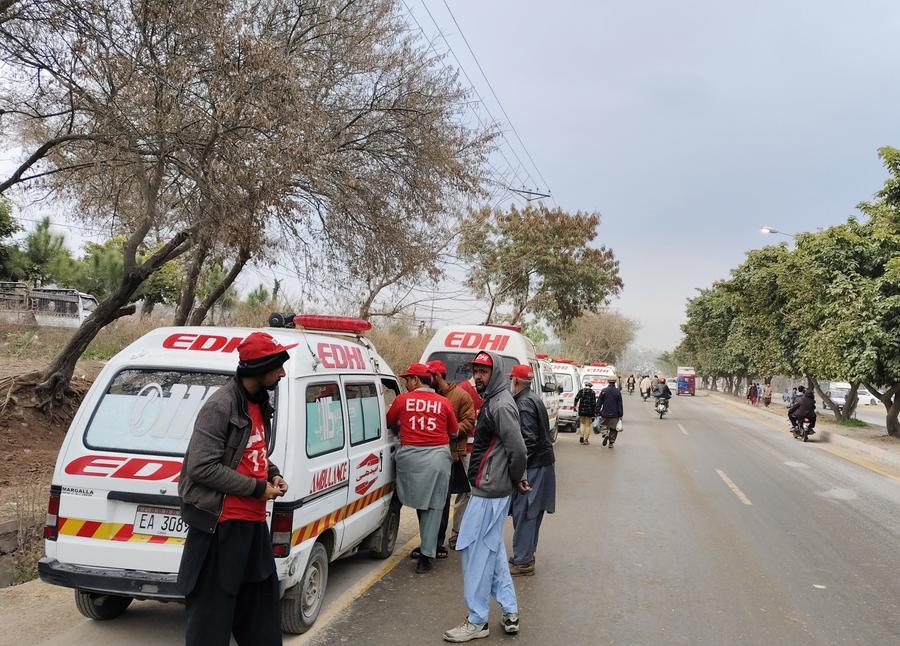
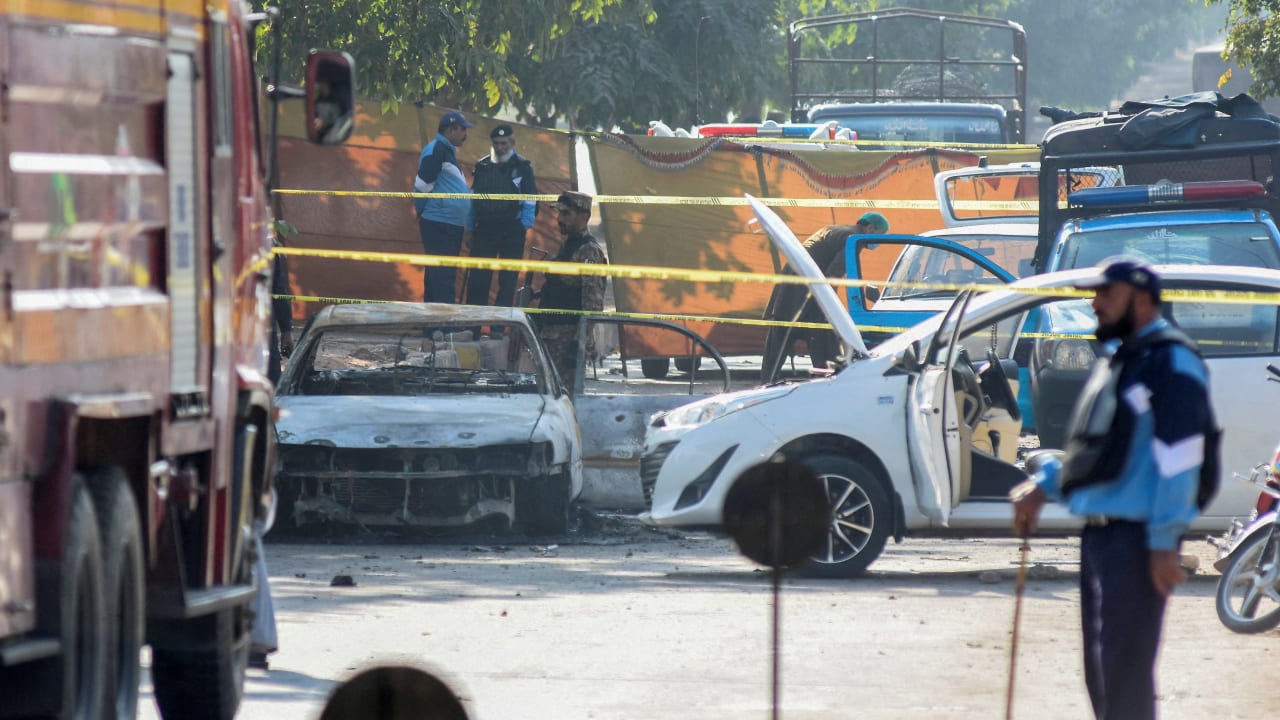
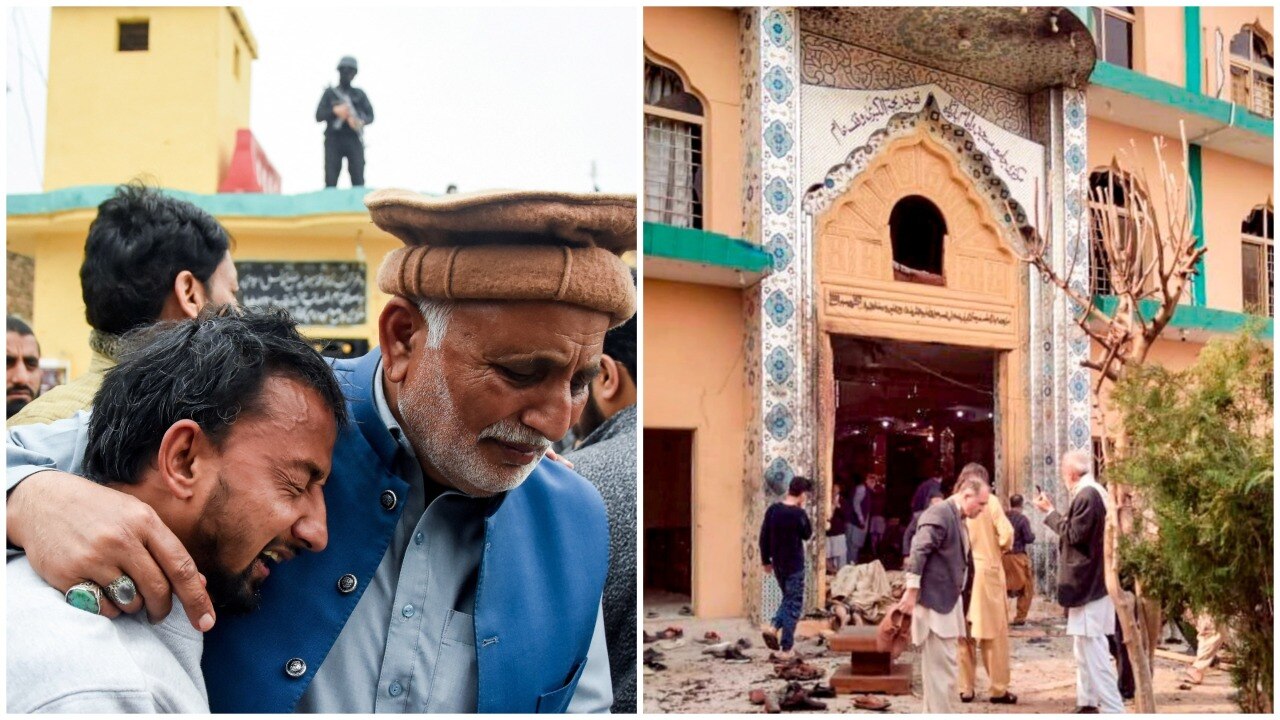
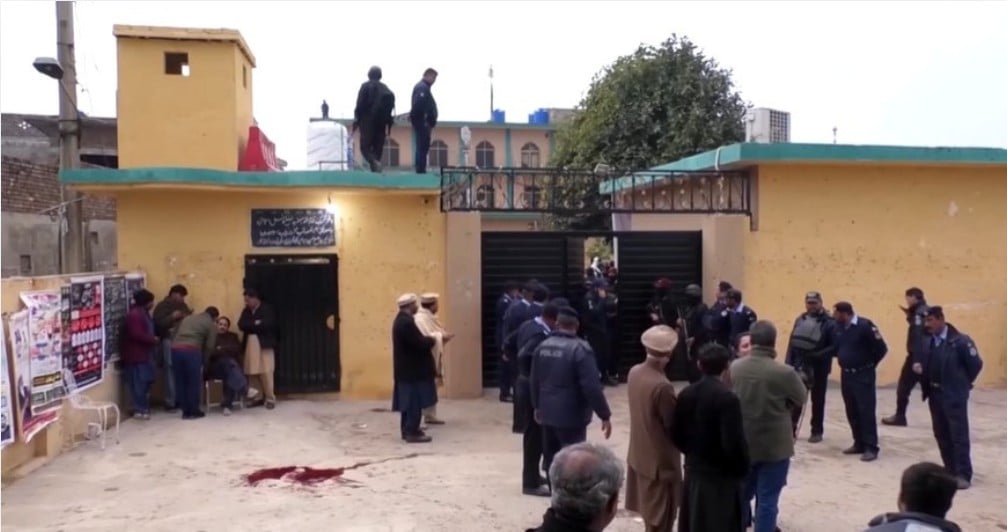
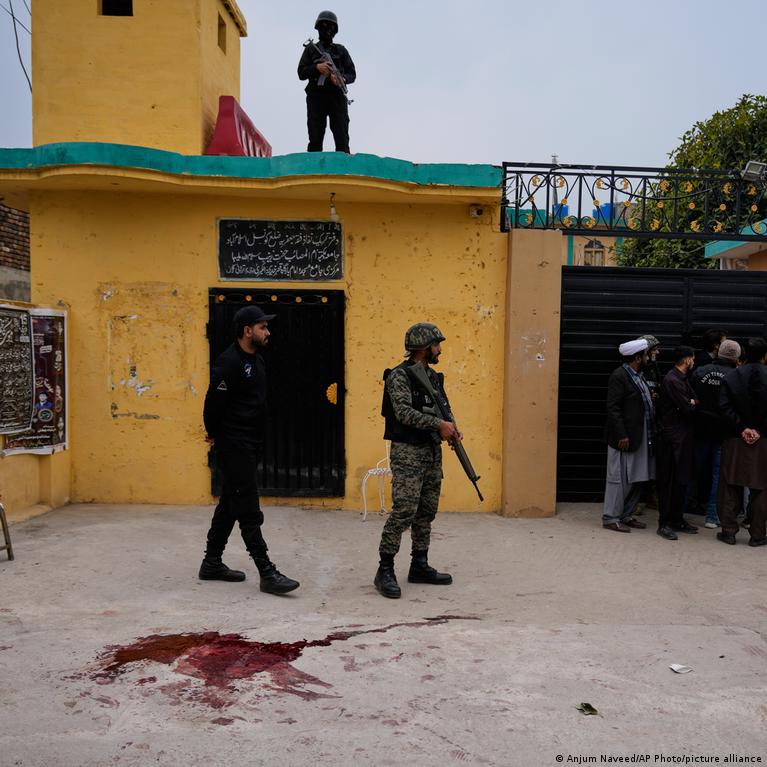
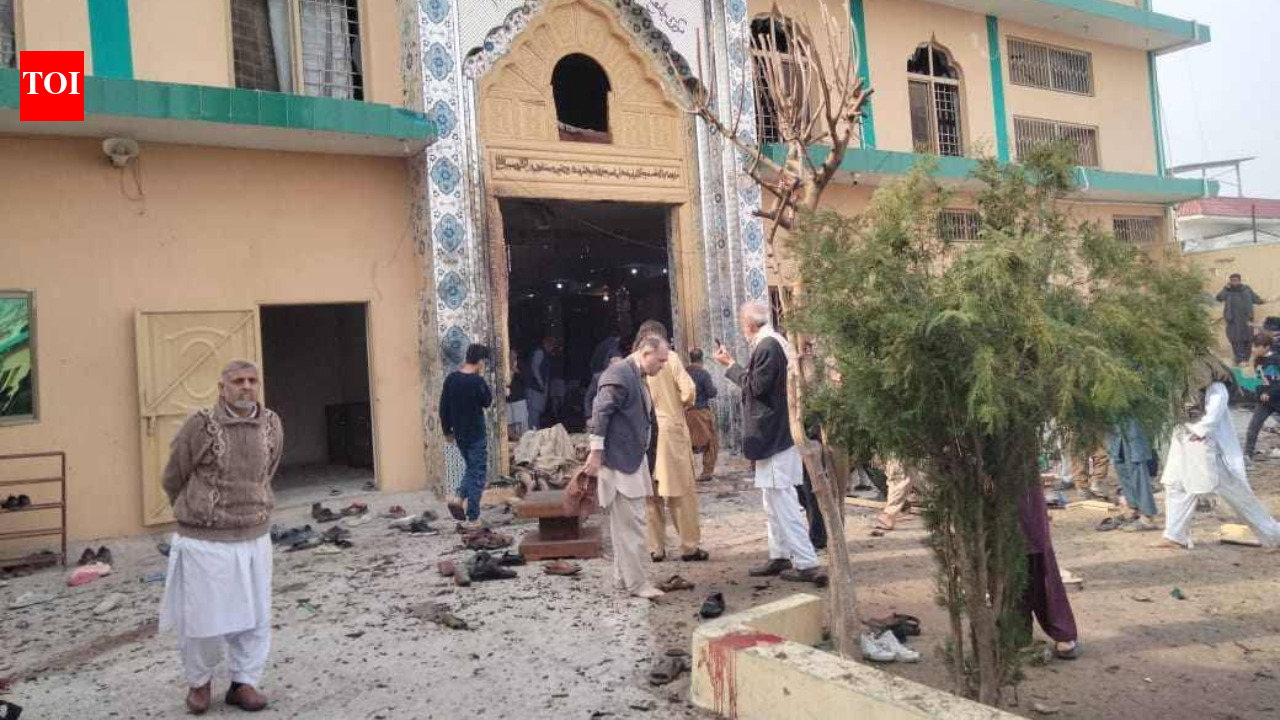
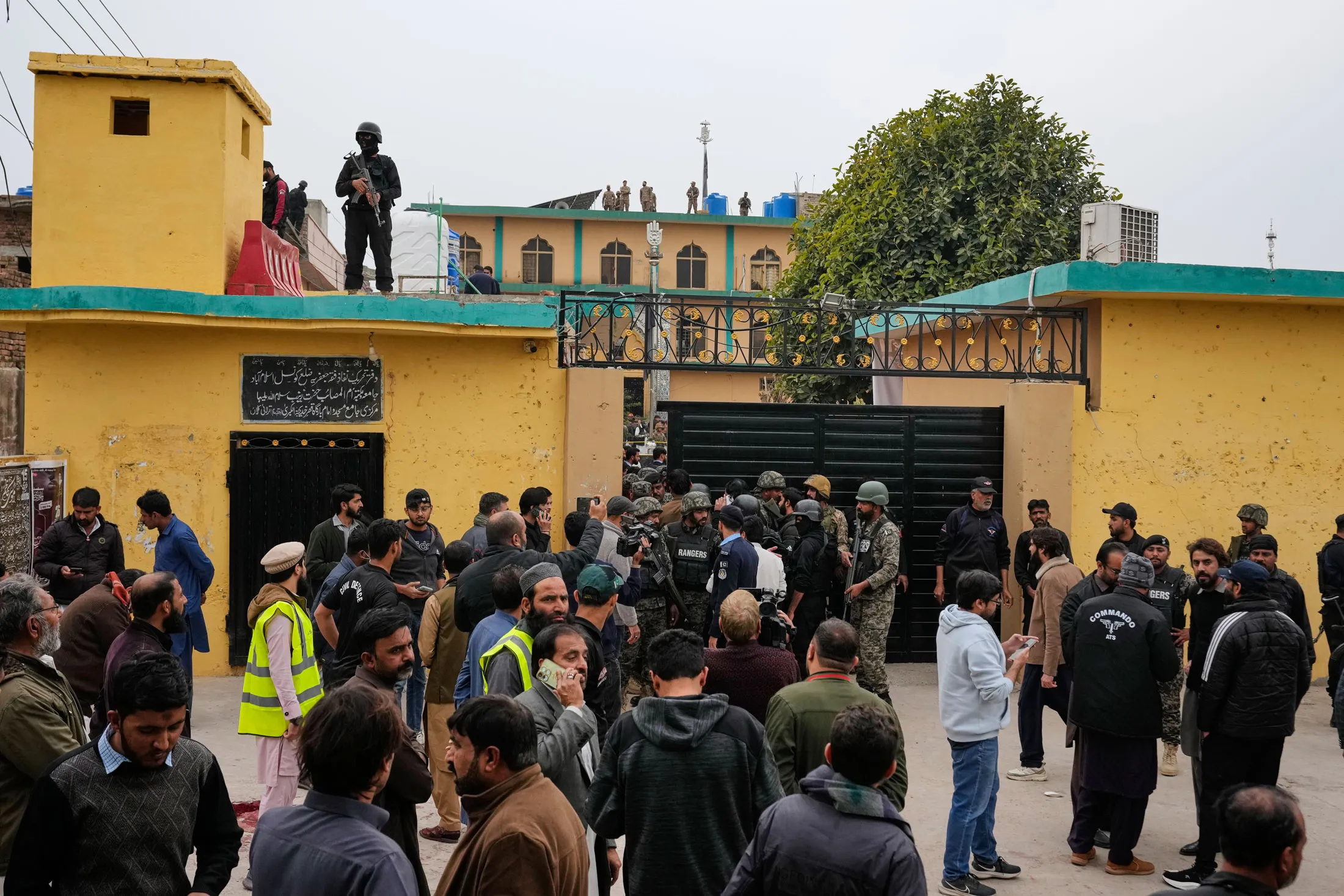
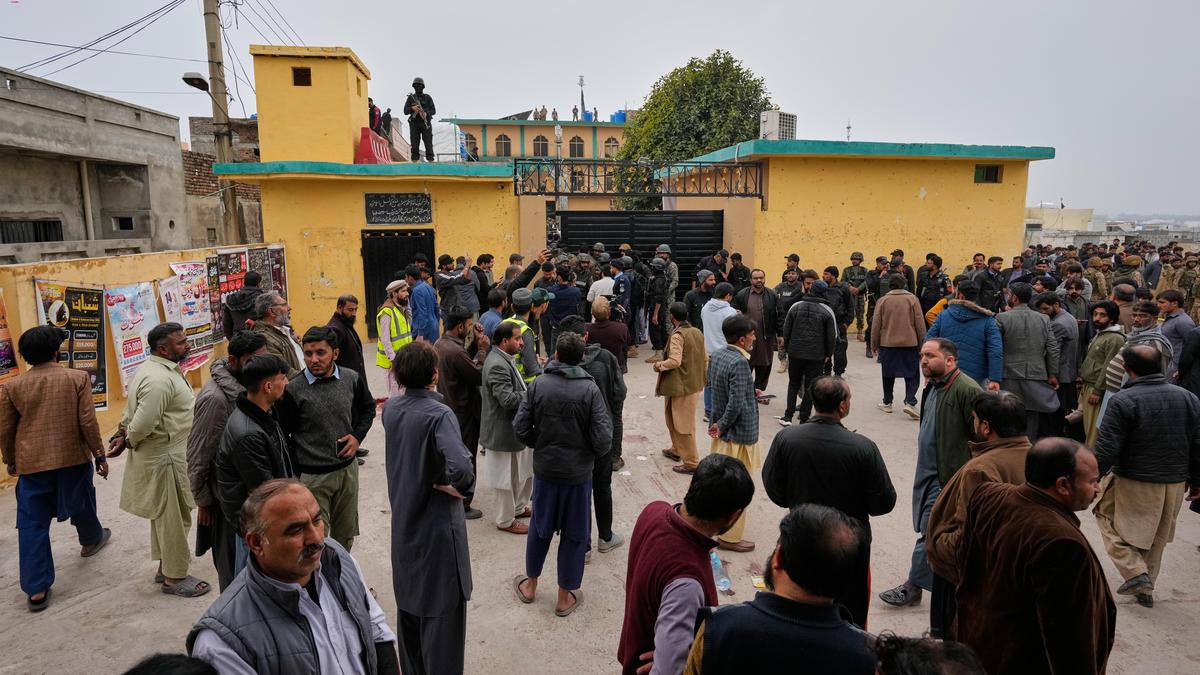
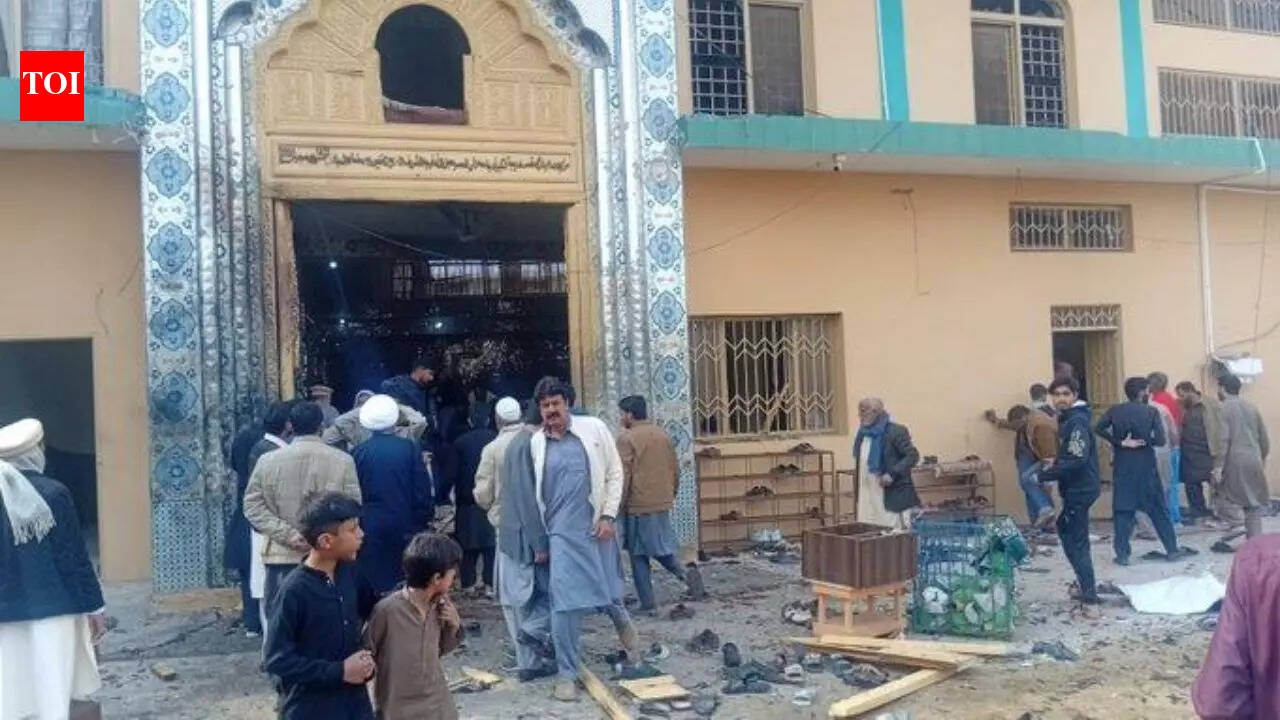
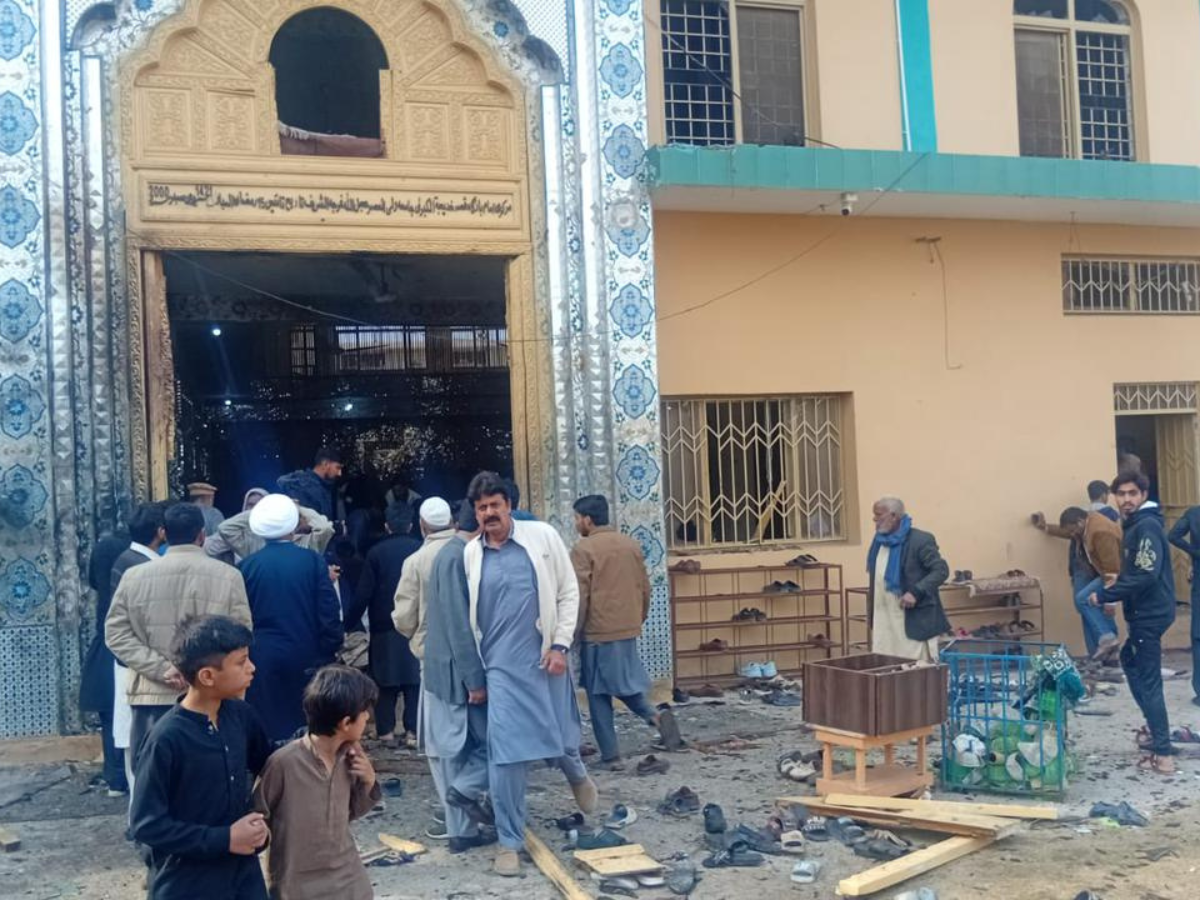
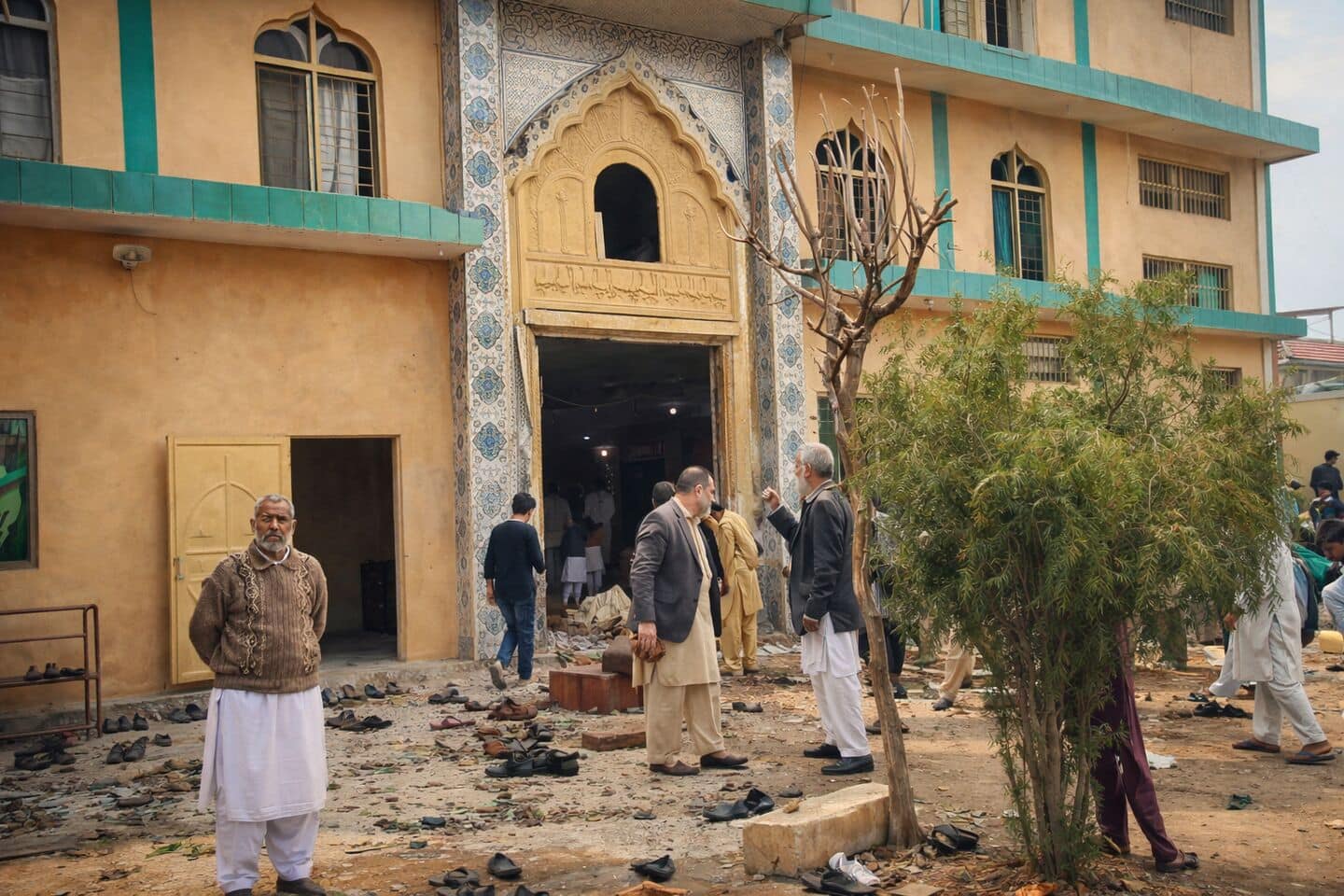
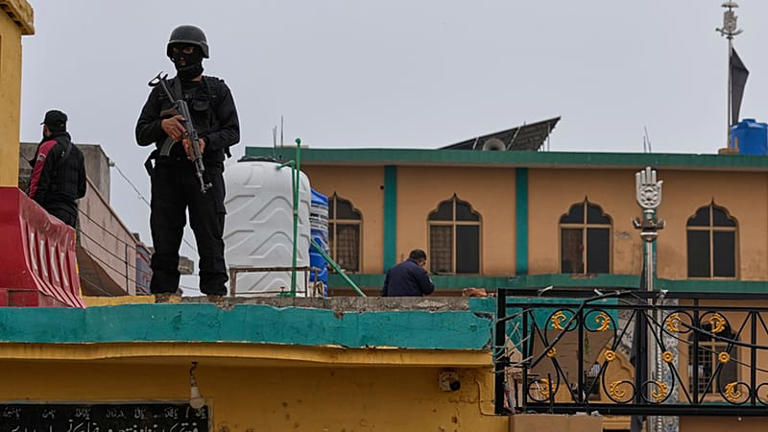
The February 6, 2026 suicide bombing at Khadija Al-Kubra mosque in Islamabad—killing 31 people and injuring 169 during Friday prayers—represents a critical escalation in Pakistan's security environment with direct implications for cross-border e-commerce operations. This marks the deadliest attack in Islamabad since 2008 and follows a November 2025 bombing that killed 12, indicating a pattern of increasing militant activity targeting civilian spaces despite the capital's historical relative stability. For sellers operating in South Asian markets, this security deterioration creates immediate operational challenges: logistics route disruptions, increased customs processing delays, elevated insurance premiums, and potential payment gateway restrictions affecting Pakistan-focused inventory and fulfillment strategies.
Operational Impact on Seller Networks: The attack occurred while Uzbekistan's President was visiting Islamabad for official meetings, underscoring how security incidents disrupt regional trade corridors and diplomatic relationships that facilitate cross-border commerce. Pakistan's e-commerce market, valued at $3.2B annually with 40% year-over-year growth, depends heavily on reliable logistics infrastructure and international seller participation. Increased militant activity targeting civilian infrastructure—particularly in the capital where major logistics hubs, payment processing centers, and customs clearance facilities operate—creates supply chain vulnerabilities. Sellers shipping electronics, apparel, and consumer goods to Pakistan via DHL, FedEx, and local 3PL providers face potential route diversions adding 5-10 business days to delivery timelines. Insurance costs for shipments to Pakistan typically increase 8-15% during elevated security periods, with some carriers implementing temporary surcharges or requiring additional documentation.
Market Segment Vulnerabilities: Small-to-medium sellers (SMBs) with 50-500 monthly Pakistan shipments face disproportionate impact, as they lack negotiating power with logistics providers and cannot absorb insurance premium increases. Electronics sellers ($200-800 average order value) and fashion/apparel merchants face heightened customs scrutiny, with security-related inspections potentially extending clearance from 3-5 days to 7-14 days. Payment processors serving Pakistan—including Jazz Cash, Easypaisa, and international gateways—may implement additional fraud detection protocols following security incidents, potentially declining 5-8% more transactions temporarily. Regional sellers from India, Bangladesh, and UAE shipping to Pakistan face compounded risks as border security measures tighten in response to militant activity. The Tehrik-i-Taliban Pakistan (TTP) denial of responsibility, combined with suspicion of Islamic State affiliates or Baloch separatist groups, creates uncertainty about future attack patterns and geographic targeting, making risk assessment difficult for logistics planning.
问题 8
What contingency plans should SMB sellers implement for Pakistan operations?
Small sellers (50-500 monthly shipments) should: (1) Diversify 3PL providers—don't rely on a single carrier; (2) Establish relationships with local customs brokers in Karachi and Islamabad to expedite clearance; (3) Reduce order batch sizes to minimize loss exposure if shipments face delays; (4) Maintain 15-20% safety stock in Pakistan to buffer against logistics disruptions; (5) Implement dynamic pricing to account for 12-18% higher logistics costs; (6) Monitor regional news daily and adjust shipping schedules based on security developments. Budget an additional $200-400 monthly for insurance premiums and broker fees. Consider shifting 10-15% of Pakistan inventory to India or UAE fulfillment centers as a backup route.
How long will Pakistan security concerns impact cross-border e-commerce operations?
Historical patterns suggest elevated security measures persist 4-8 weeks following major incidents, with gradual normalization over 2-3 months. The November 2025 Islamabad bombing (12 deaths) likely triggered similar disruptions that may still be affecting operations. Expect current heightened conditions through late March 2026, with gradual improvement in April-May. However, if additional attacks occur—the news indicates increased militant activity in recent months—disruptions could extend longer. Monitor Pakistan's security situation through official government announcements, US Embassy alerts, and your logistics provider's risk updates. Plan inventory and cash flow assuming 6-8 weeks of elevated costs and delays as a conservative scenario.