




Bitcoin Crash 50% | Cross-Border Sellers Face Payment Risk
- Cryptocurrency volatility threatens crypto payment processors; USD strength creates FX arbitrage opportunities for sellers accepting stablecoins; working capital financing costs rise as lenders reduce crypto-collateralized lending



概览
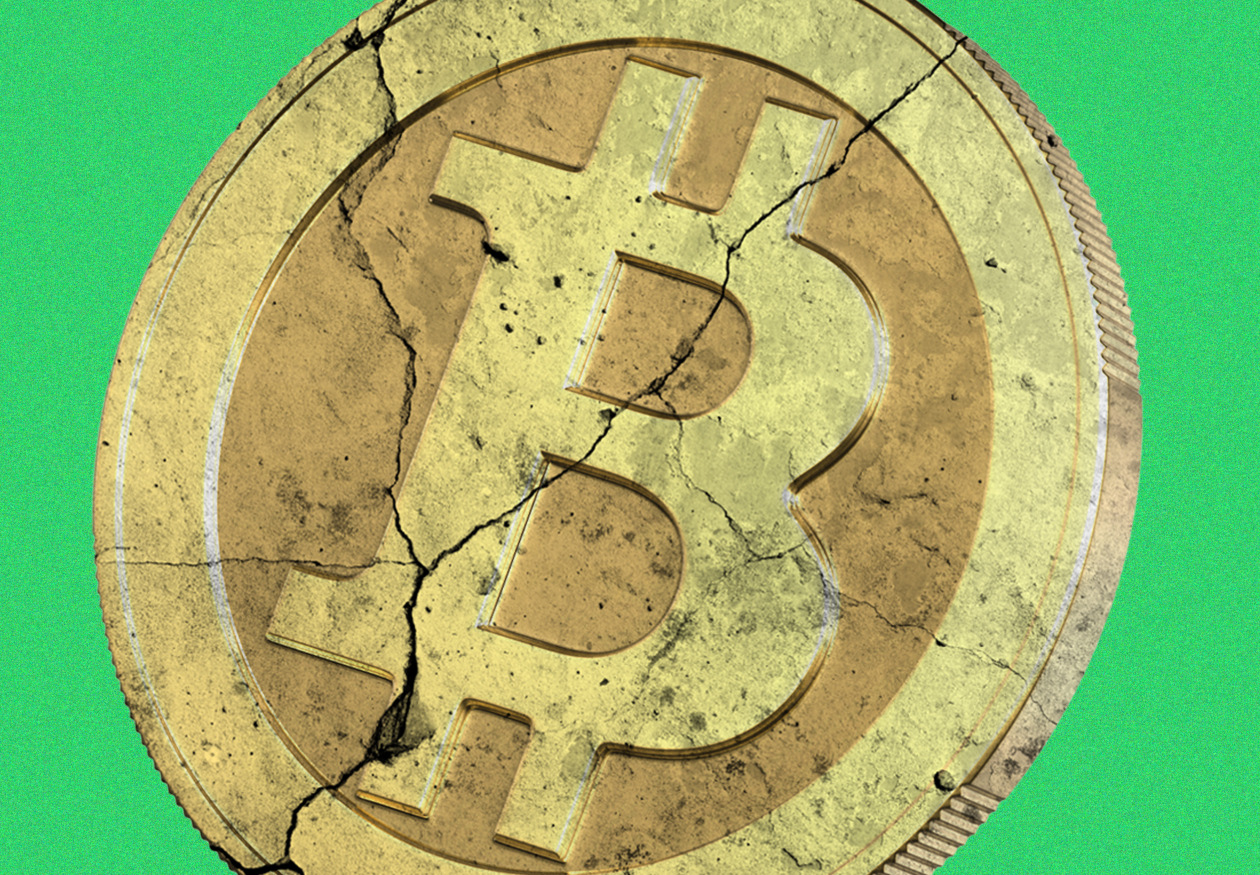
Bitcoin's 50% collapse from $122,200 (October 2025) to $60,000 (February 2026) creates immediate financial risks and opportunities for cross-border e-commerce sellers. The cryptocurrency market has lost $2 trillion in value, with Ethereum and Solana dropping 37% in 2025. This volatility directly impacts sellers using crypto payment processors, stablecoin settlement systems, and blockchain-based trade finance platforms. Deutsche Bank attributes the decline to hawkish Federal Reserve policy expectations under Kevin Warsh's nomination, while forced liquidations of Asia-based hedge funds leveraged on Binance and Japanese yen carry trades accelerated the selloff. BlackRock's Bitcoin ETF (IBIT) recorded $10.7 billion in volume with $900 million in options premium, signaling institutional panic.
For cross-border sellers, this creates three critical financial impacts: First, payment processing risk increases—crypto payment processors like Coinbase Commerce and BitPay face margin compression as transaction volumes decline and volatility hedging costs spike. Sellers accepting Bitcoin or Ethereum for international orders now face 24-48 hour settlement delays and 2-4% additional slippage costs compared to traditional payment methods. Second, FX arbitrage opportunities emerge—the U.S. Dollar Index fell 10% since early 2025 while Bitcoin crashed, creating a rare decoupling. Sellers with USD-denominated costs (manufacturing in Asia, inventory in US warehouses) can lock in favorable exchange rates before potential dollar weakness recovery. Third, working capital financing becomes more expensive—lenders reducing crypto-collateralized lending means sellers who previously used Bitcoin holdings as collateral for inventory loans now face 200-400 basis point rate increases on traditional trade finance, invoice factoring, and PO financing products.
The broader market narrative collapse amplifies these risks. Bitcoin's failure to act as a hedge against currency debasement (despite 10% dollar weakness) and its 0.4 correlation with leveraged tech stocks (QQQ 3x) rather than gold (-0.03 correlation) reveals it behaves as a speculative asset, not a monetary hedge. This destroys the investment thesis for sellers who accepted crypto as a store of value for working capital. Quantum computing threats to 25% of Bitcoin supply in legacy wallets add security concerns that could trigger further institutional exits. Sellers must immediately reassess crypto payment acceptance, shift to stablecoin-only settlement (USDC, USDT) if continuing crypto acceptance, and explore traditional payment corridors offering 1.2-1.8% fees versus 2-4% crypto processor costs.
问题 8
How does Bitcoin's 50% crash affect sellers accepting cryptocurrency payments?
Bitcoin's collapse from $122,200 to $60,000 creates immediate settlement risk for sellers using crypto payment processors. Coinbase Commerce and BitPay now charge 2-4% processing fees (up from 1.2-1.8% for traditional methods) due to increased volatility hedging costs. Sellers accepting Bitcoin face 24-48 hour settlement delays and additional slippage losses. The news reports that forced liquidations of Asia-based hedge funds leveraged on Binance accelerated the selloff, indicating systemic liquidity risks. Sellers should immediately shift to stablecoin-only settlement (USDC, USDT) if continuing crypto acceptance, or migrate to traditional payment corridors offering lower fees and faster settlement.
What FX arbitrage opportunities exist from Bitcoin's crash and dollar weakness?
The U.S. Dollar Index fell 10% since early 2025 while Bitcoin crashed 50%, creating a rare decoupling opportunity. Sellers with USD-denominated costs (manufacturing in Asia, inventory in US warehouses) can lock in favorable exchange rates before potential dollar recovery. The news indicates Bitcoin's 0.4 correlation with leveraged tech stocks (QQQ 3x) rather than gold (-0.03) reveals it's a speculative asset, not a monetary hedge. Sellers should execute forward contracts on USD/CNY, USD/INR, and USD/JPY pairs immediately to lock in current favorable rates before the dollar strengthens. This can unlock 2-5% working capital savings on international procurement.