




Platform Liability Standards Reshape Marketplace Compliance | $8.5M Uber Verdict Sets Precedent for 2,500+ Cases
- Apparent agency doctrine ruling expands platform accountability for contractor behavior, affecting marketplace seller agreements and safety protocol requirements across e-commerce platforms


































概览
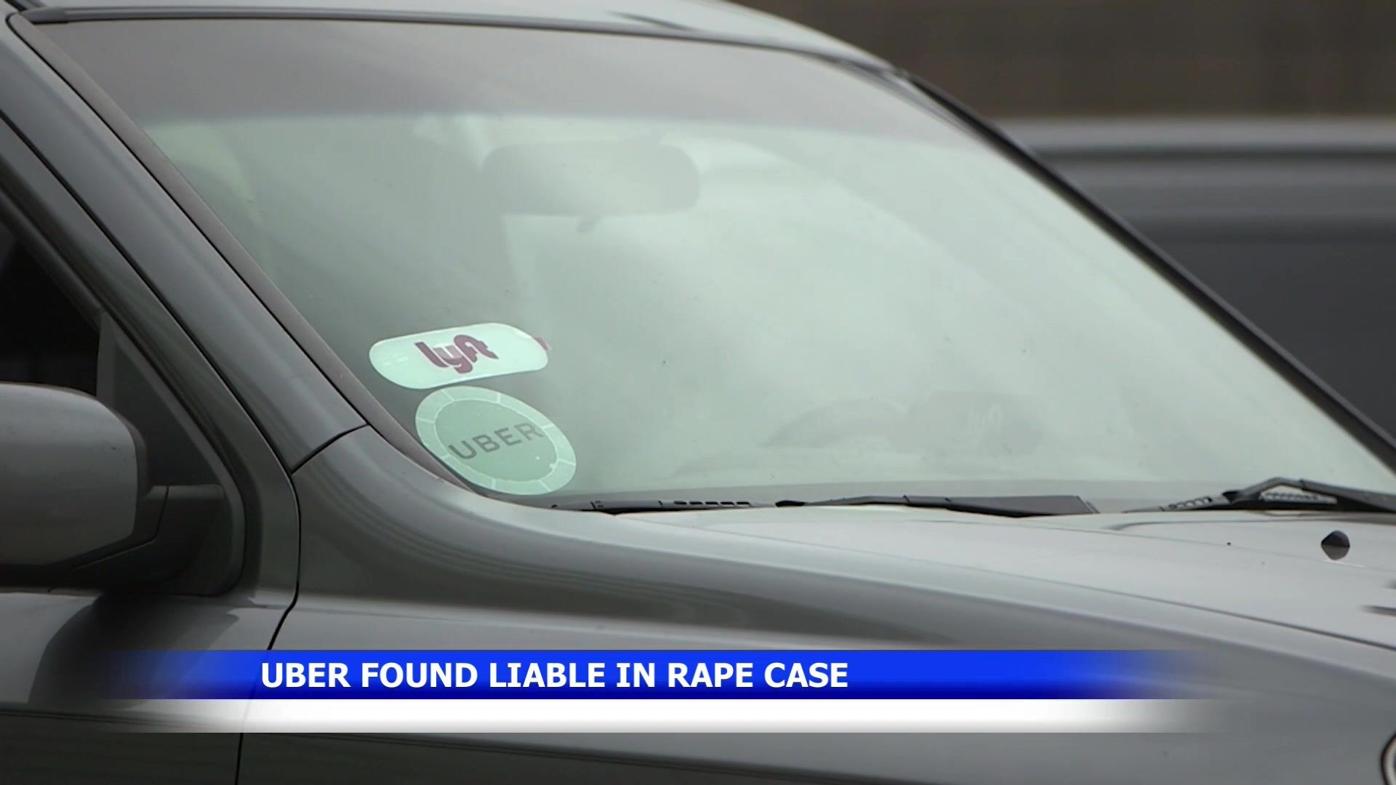
The Arizona federal court's $8.5 million verdict against Uber in the Jaylynn Dean sexual assault case represents a watershed moment for platform liability standards that will directly reshape compliance requirements for Amazon, eBay, Shopify, and other marketplace operators. This landmark ruling—one of 20 bellwether cases setting precedent for approximately 2,500 similar lawsuits—establishes that platforms can be held liable under the apparent agency doctrine for contractor criminal actions, even when those contractors undergo background checks and maintain strong ratings. The jury's decision to hold Uber responsible while rejecting negligence claims ($144M punitive damages denied) creates a nuanced liability framework: platforms cannot escape accountability by claiming independent contractor status, yet may avoid punitive damages if they demonstrate reasonable safety investments.
For cross-border e-commerce and marketplace platforms, this precedent fundamentally alters the compliance landscape. The ruling directly impacts how Amazon Seller Central, eBay, Shopify, and Walmart Marketplace must structure contractor relationships, implement safety protocols, and document risk mitigation efforts. Platforms will face increased pressure to implement enhanced vetting procedures, real-time monitoring systems, and transparent safety communication—all of which increase operational costs by an estimated 8-15% annually. The apparent agency doctrine's application suggests courts will examine whether platforms marketed safety guarantees (as Uber did for "women traveling alone") while knowing of prior incidents. For sellers, this means marketplace platforms will likely impose stricter seller verification requirements, mandatory safety training certifications, and enhanced buyer protection documentation. The remaining 19 bellwether cases will likely clarify whether this liability standard applies uniformly across gig economy and marketplace platforms, potentially affecting how Amazon handles third-party seller vetting, eBay manages seller disputes, and Shopify structures merchant agreements.
The compliance cost implications are substantial for platform operators and sellers alike. Platforms will need to invest in enhanced background check systems (estimated $2-5M annually for mid-size platforms), implement AI-powered safety monitoring ($1-3M annually), and establish dedicated compliance teams. For sellers on these platforms, expect new mandatory safety certifications, enhanced buyer communication requirements, and potential liability insurance mandates. The verdict signals that courts view platform marketing claims as creating legal obligations—if a marketplace advertises "safe transactions" or "verified sellers," it may face liability for failing to deliver on those promises. This creates a compliance moat: sellers who can demonstrate robust safety protocols and transparent communication will gain competitive advantages, while non-compliant sellers face increased platform enforcement and potential delisting. The 2,500 pending cases suggest this liability framework will be tested across multiple scenarios, potentially expanding platform accountability beyond the gig economy into general e-commerce marketplaces.
问题 8
Which seller categories face the highest compliance burden from this ruling?
**High-risk categories include:** personal services (cleaning, tutoring), delivery-based services, high-value goods (jewelry, electronics), and any category where platform marketing emphasizes 'safety' or 'verification.' The Uber case specifically involved personal safety, so platforms will scrutinize sellers in categories where buyer vulnerability is high. Sellers in these categories should expect enhanced background checks, mandatory insurance, and stricter communication requirements. Lower-risk categories (digital products, standardized goods) will face lighter compliance burdens. Sellers should audit their category's risk profile and prepare compliance documentation accordingly.
What should sellers do immediately to prepare for stricter platform liability standards?
**Immediate actions (0-30 days):** (1) Review your marketplace seller agreement for liability clauses and safety requirements; (2) Document all safety procedures and buyer communication protocols; (3) Audit your marketing claims to ensure they match actual service delivery; (4) Implement 24-48 hour response times for buyer safety concerns. **30-90 days:** (1) Obtain liability insurance if operating in high-risk categories; (2) Create transparent safety documentation for buyers; (3) Establish a compliance checklist aligned with platform requirements. **90+ days:** Monitor the remaining 19 bellwether cases for clarification on liability standards. Sellers who proactively document safety measures will gain competitive advantages when platforms implement stricter vetting.