


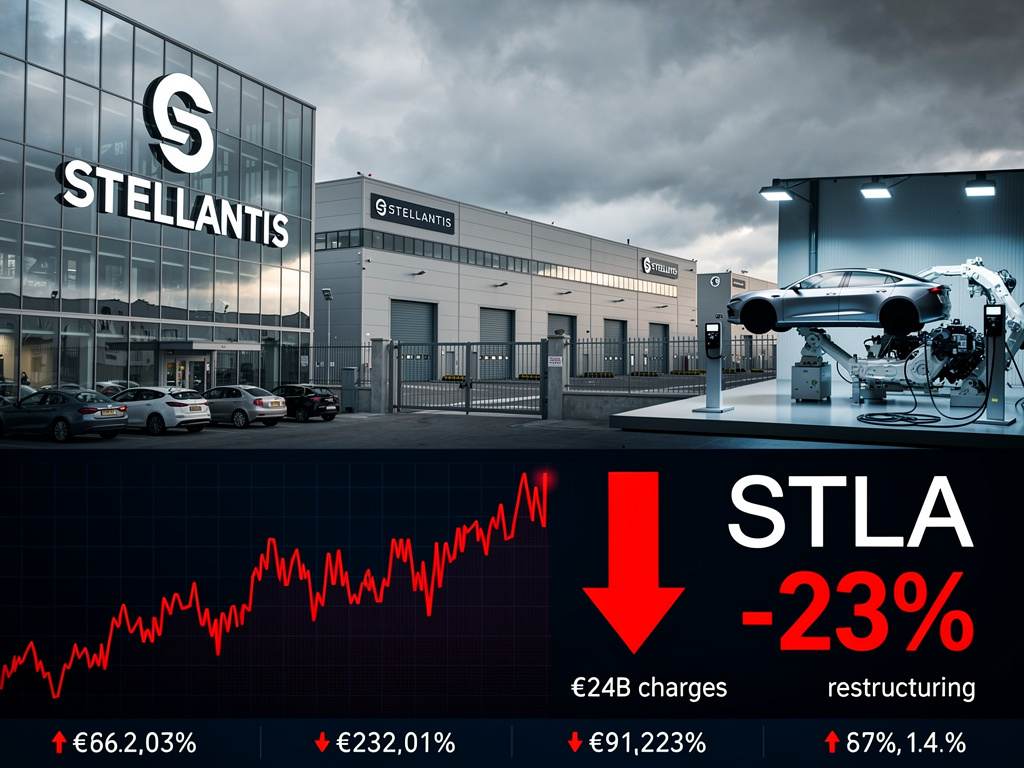

Stellantis $26B EV Writedown Signals Massive Shift to Hybrid/Gas | Seller Inventory Impact
- Automotive parts sellers must pivot inventory from EV to hybrid/traditional components; regulatory rollback reshapes 2026 supply chains across US and Europe


























概览
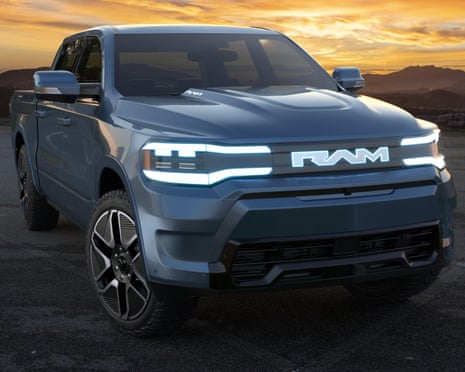
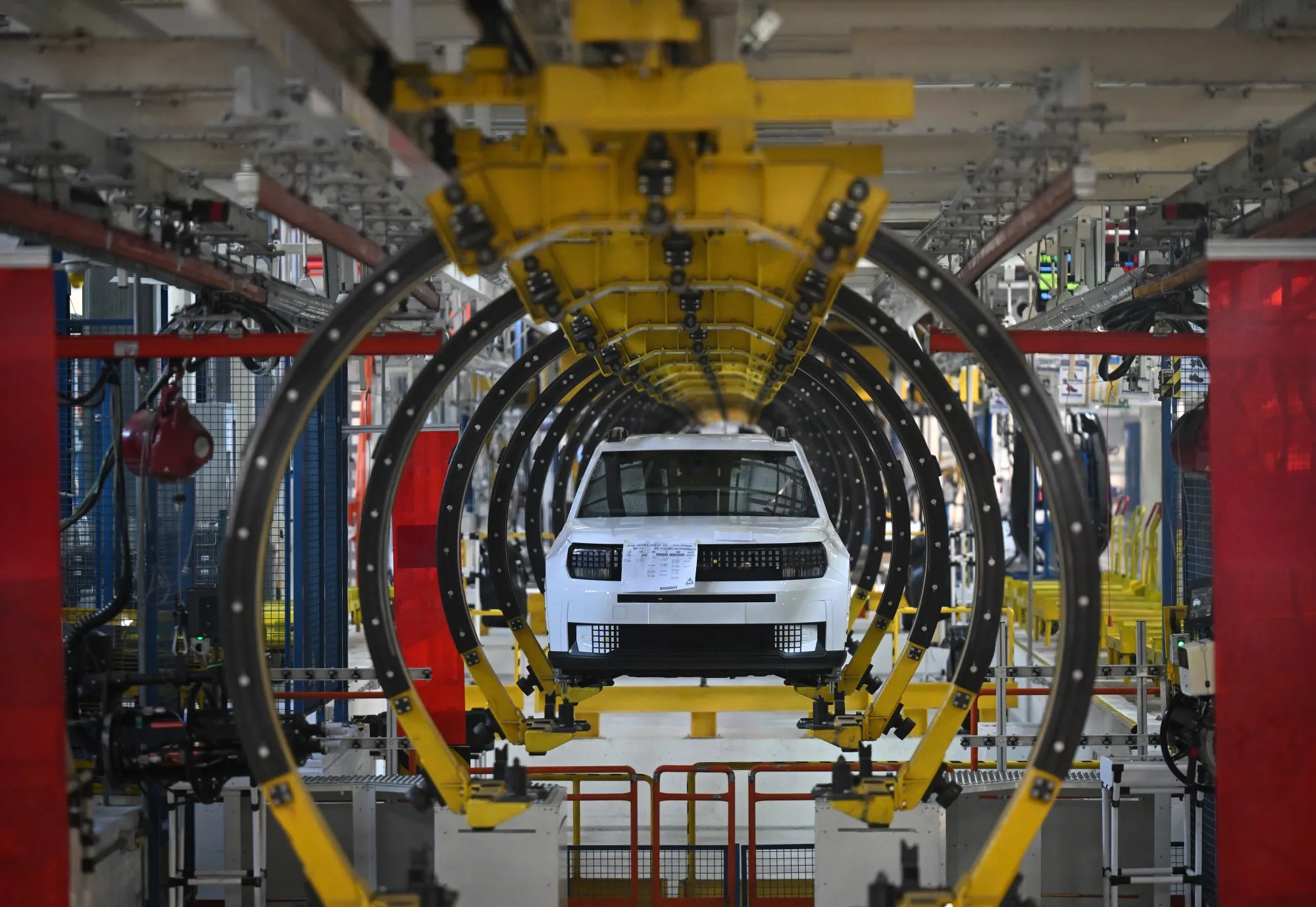
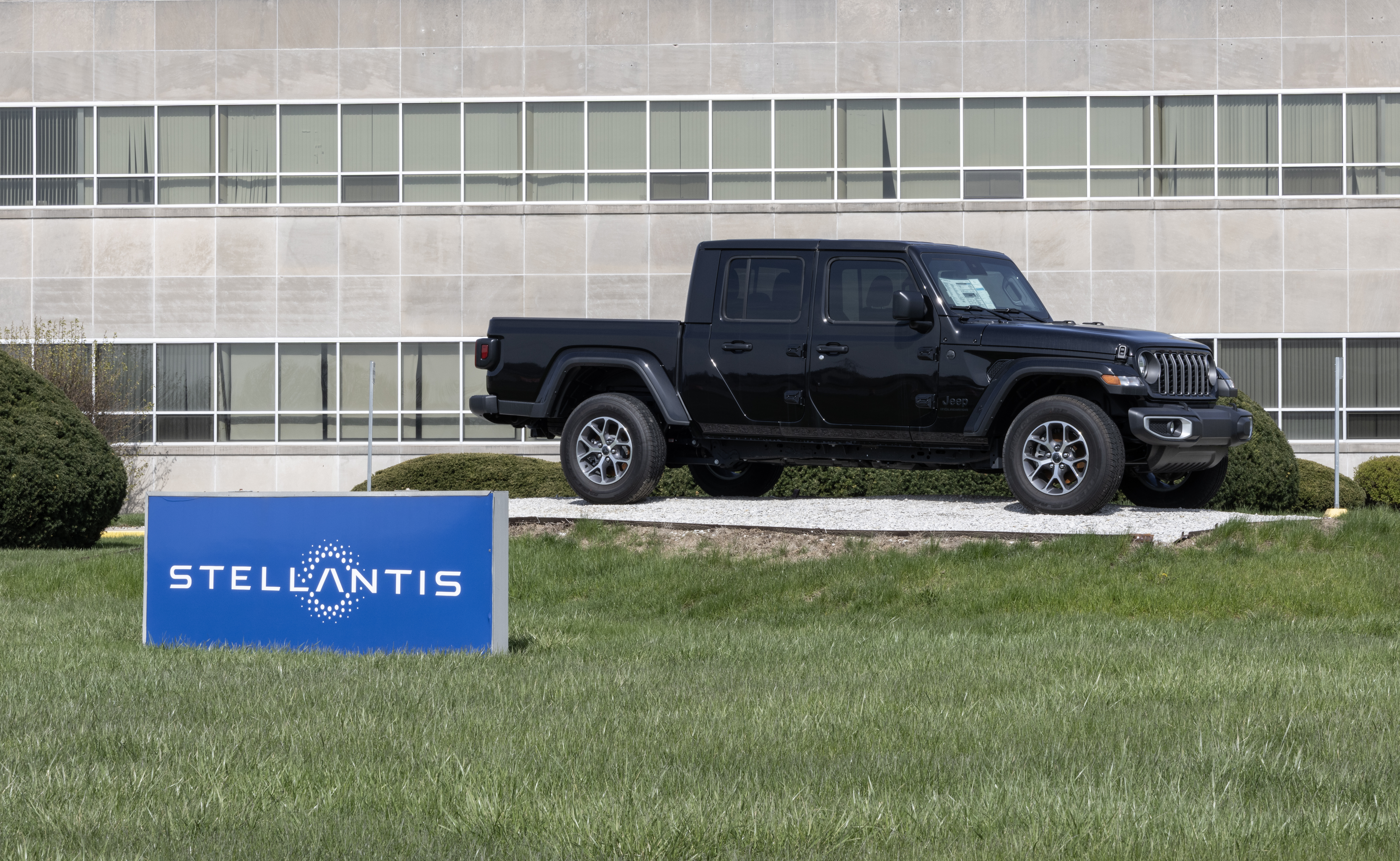
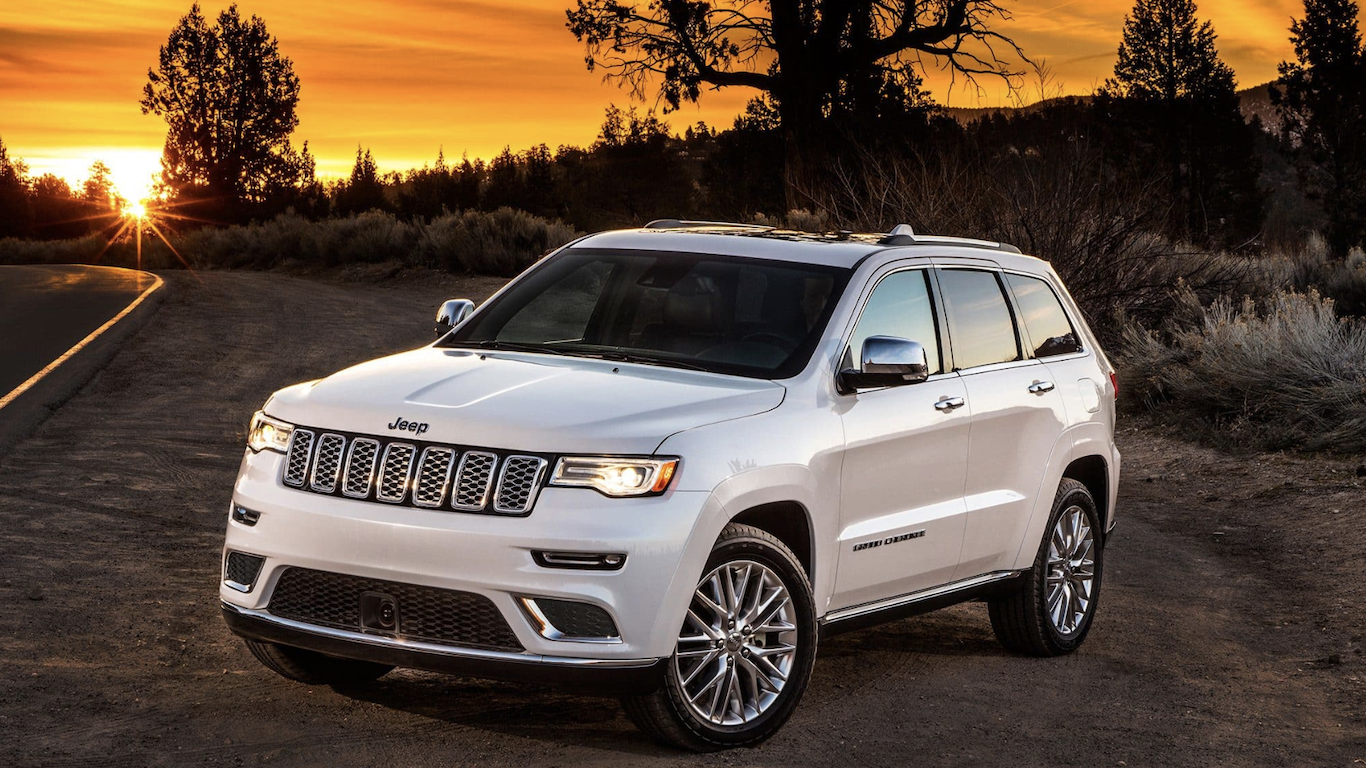
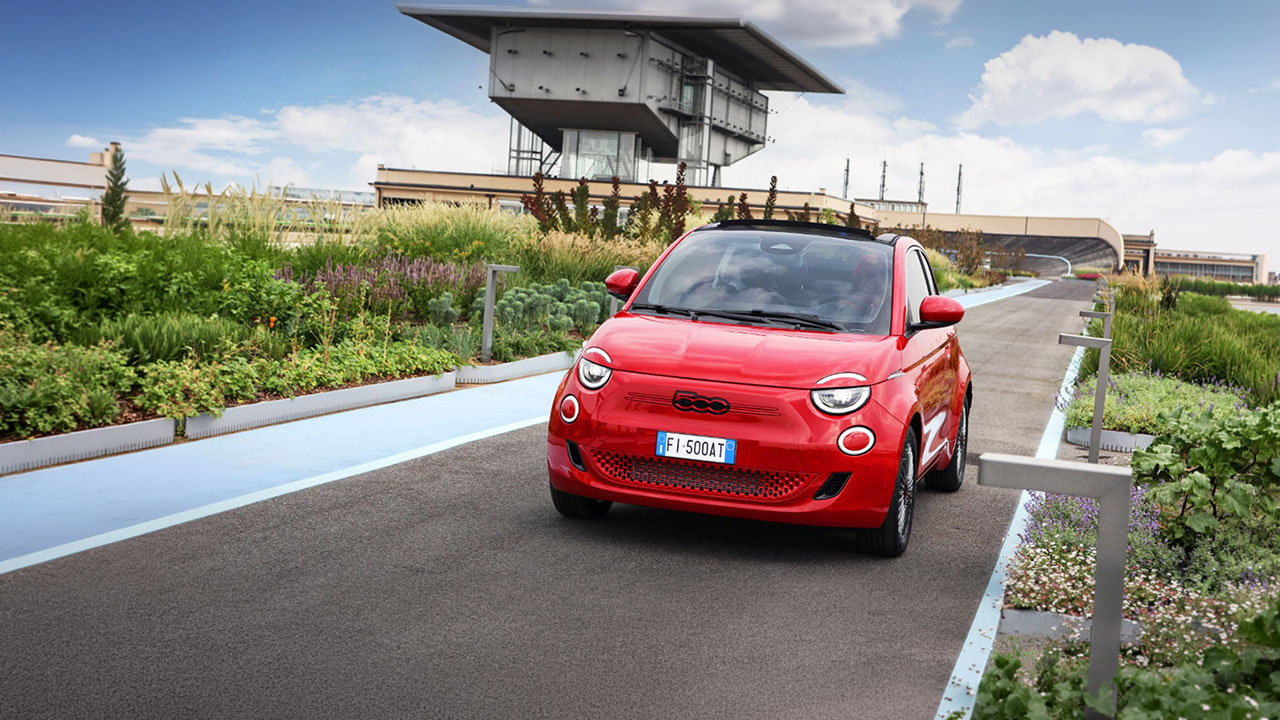
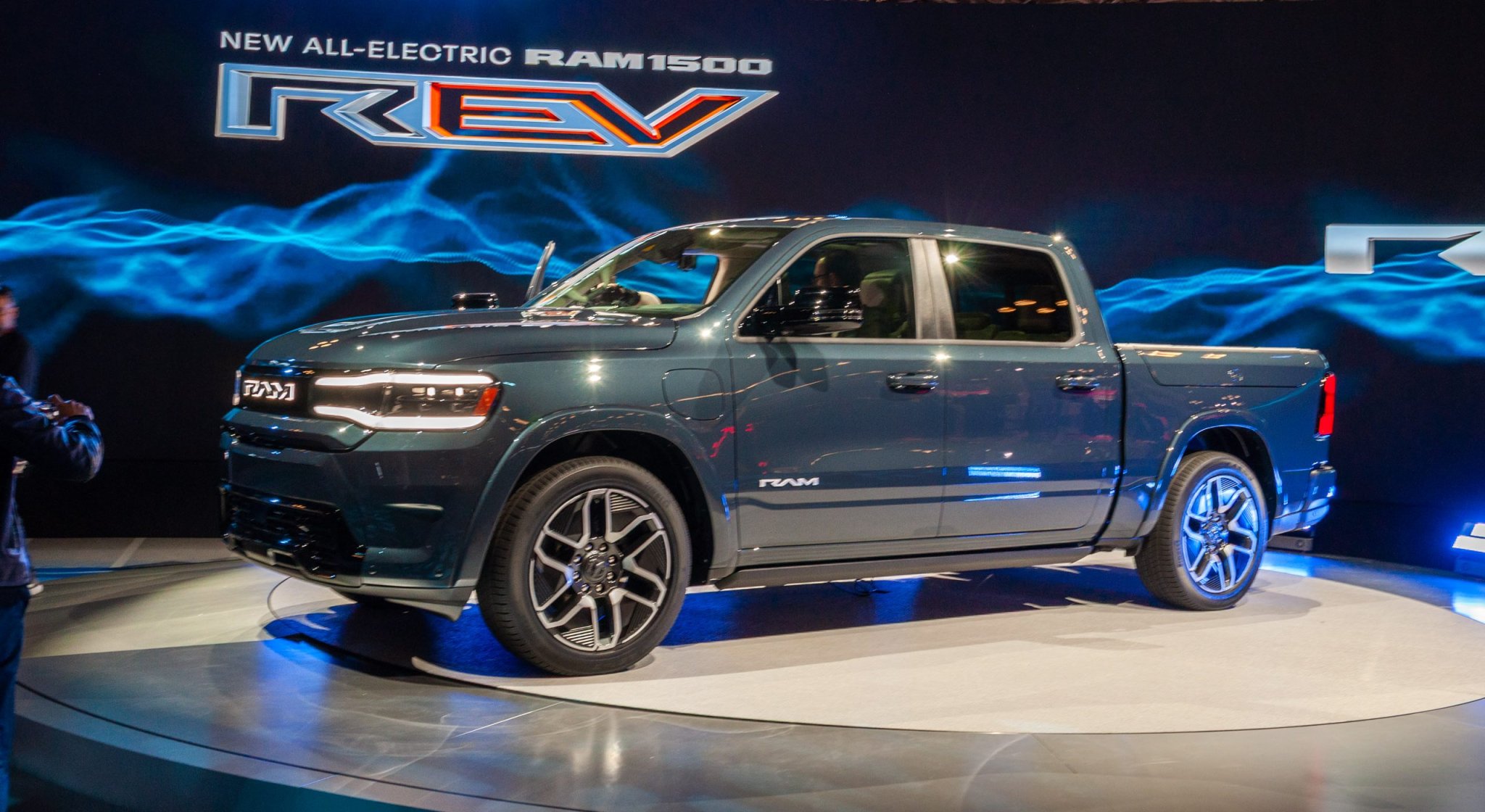
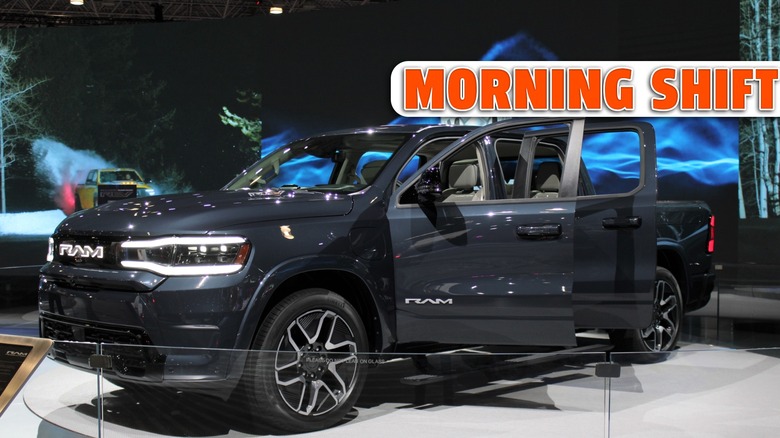
Stellantis announced a historic $26.5 billion charge on February 6, 2026, fundamentally reshaping the automotive industry's EV transition timeline and creating urgent inventory recalibration demands for cross-border e-commerce sellers. The multinational automaker—parent to Jeep, Chrysler, Dodge, Ram, Fiat, and Peugeot—took the largest writedown among major automakers, exceeding Ford's $19.5 billion and GM's $7 billion charges. CEO Antonio Filosa attributed the reset to overestimating EV adoption pace, with €14.7 billion ($17.3B) covering canceled US EV products and underperforming models, €2.1 billion ($2.5B) for scaled-back battery production, and €5.4 billion ($6.4B) for warranty issues and European job cuts. The announcement triggered a 30% stock price collapse, signaling severe investor confidence erosion.
The underlying driver: regulatory rollback and demand reality. The Trump administration's elimination of Biden-era EV subsidies and emissions regulations, combined with the EU's modification of its 2035 combustion engine ban (now allowing 10% plug-in hybrids and traditional engines), created a demand-driven market shift. Industry data reveals EVs captured only 7.7% of US new car sales and 19.5% of European sales in 2025—far below manufacturer projections. European EV adoption lagged due to inadequate charging infrastructure and consumer hesitation, while Stellantis' US operations face severe distress, selling 1.2 million vehicles in 2025 versus 2.2 million in 2019.
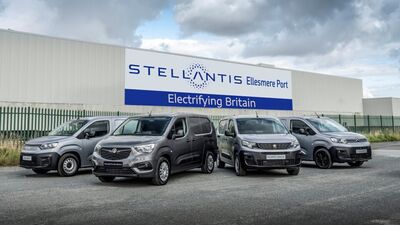
For cross-border e-commerce sellers in automotive parts and accessories, this creates immediate inventory and sourcing implications. The industry-wide pivot from aggressive EV timelines toward balanced powertrains signals sustained demand for hybrid and traditional internal combustion engine (ICE) components through 2026-2027. Sellers currently holding EV-specific parts (battery management systems, electric motor components, charging infrastructure) face potential inventory obsolescence, while demand for hybrid transmission components, advanced fuel injection systems, and traditional engine parts will accelerate. Stellantis' €13 billion four-year investment in new US models and the resumption of Jeep Cherokee production (discontinued under the EV-focused strategy) indicate manufacturers are rebuilding traditional vehicle supply chains. Supplier relationships will shift: battery suppliers face reduced orders while traditional powertrain suppliers gain leverage. Logistics costs may stabilize as manufacturers reduce EV supply chain restructuring disruptions, but inventory planning must account for 12-18 month lead times as suppliers rebalance production capacity.
问题 8
Which automotive parts categories will see increased demand after Stellantis' strategic reset?
Hybrid transmission components, advanced fuel injection systems, traditional engine parts, and ICE-specific accessories will experience sustained demand growth as manufacturers pivot from EV-focused production. Stellantis' resumption of Jeep Cherokee production (discontinued under the previous EV strategy) indicates OEM demand for traditional SUV components. Battery management systems and EV-specific electrical components will face reduced demand. Sellers should prioritize inventory in: transmission fluid additives, fuel system components, engine management sensors, and hybrid-specific parts. Monitor Stellantis' supplier communications for production ramp timelines; the company hired 2,000 engineers to address quality issues, suggesting accelerated product development cycles.
How will Stellantis' supply chain restructuring affect shipping costs and logistics for sellers?
Stellantis' €22.2 billion in EV supply chain restructuring costs and €2.1 billion battery production scaling indicate significant logistics network reorganization through 2026. Battery suppliers will consolidate operations, reducing EV component shipping lanes, while traditional powertrain suppliers will expand capacity. This creates a 6-12 month transition period where logistics costs may fluctuate as manufacturers rebalance production facilities. Sellers should expect: temporary shipping delays from battery suppliers (as they reduce operations), potential cost increases from traditional powertrain suppliers (as demand spikes), and improved availability of hybrid components by Q3 2026. Consider diversifying 3PL providers to hedge against supplier-specific disruptions; monitor freight rates on traditional parts routes, which may increase 8-15% as demand concentrates.