



AI Advertising Boom Signals Market Peak | Sellers Face Tool Reliability Crisis
- 2026 Super Bowl marks AI saturation point with $8-10M ad slots; OpenAI's $11.5B Q3 losses signal vendor instability for e-commerce sellers relying on AI marketing tools



















概览
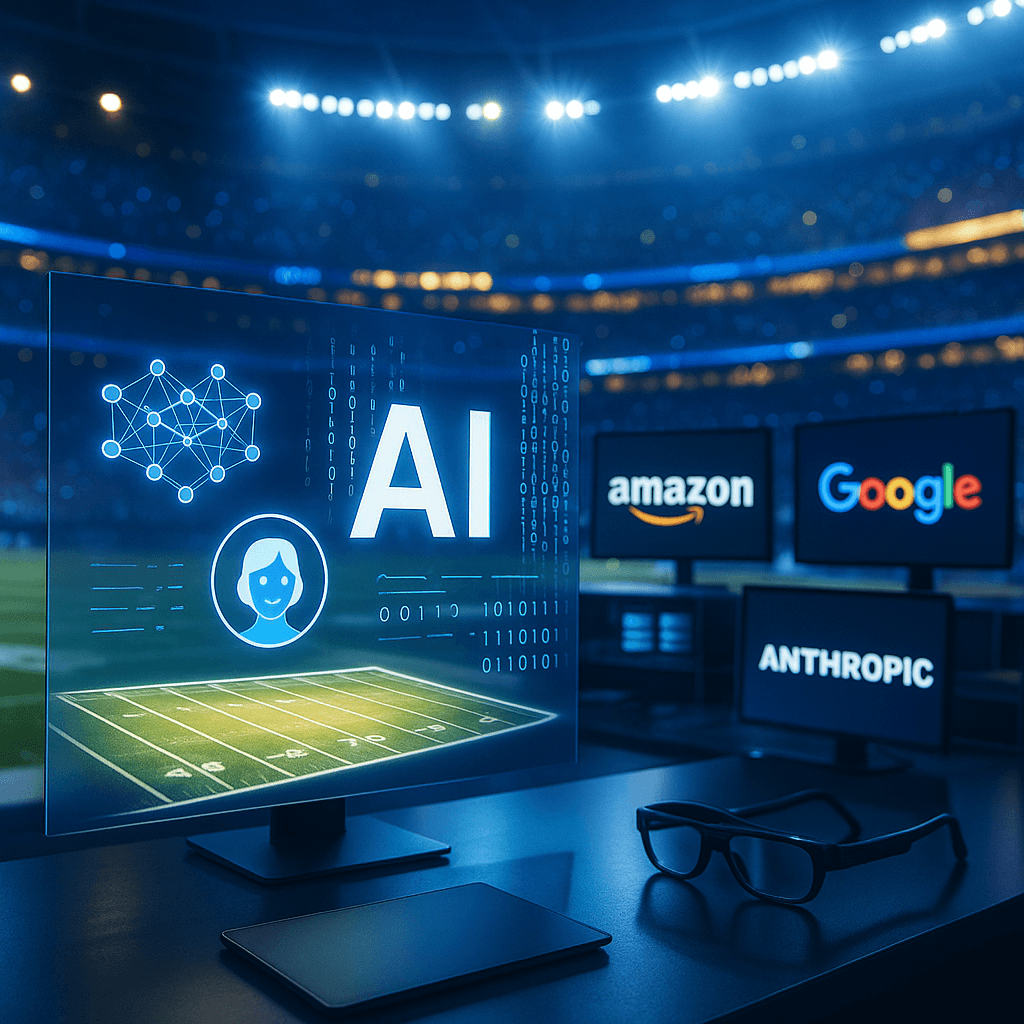
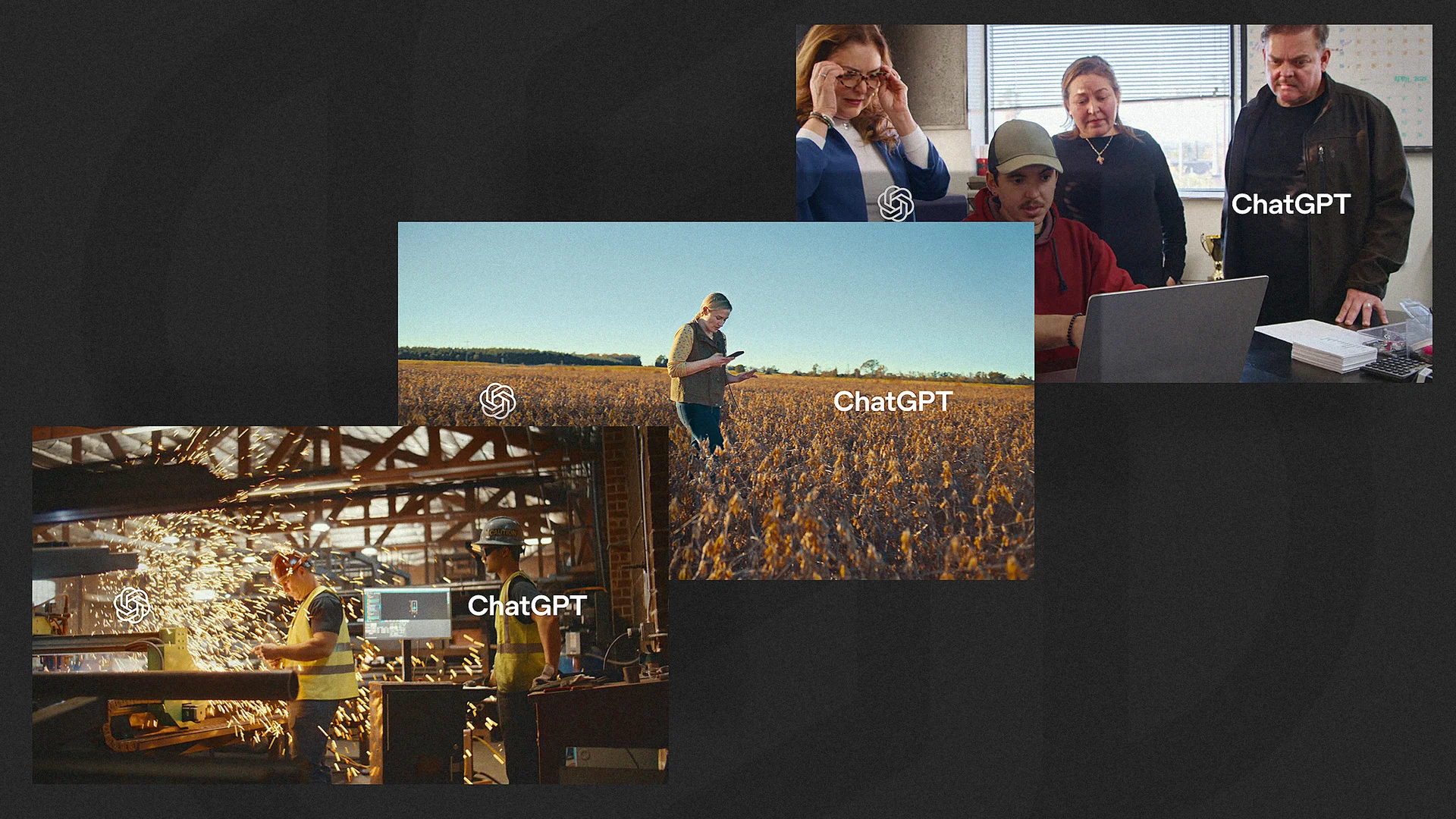
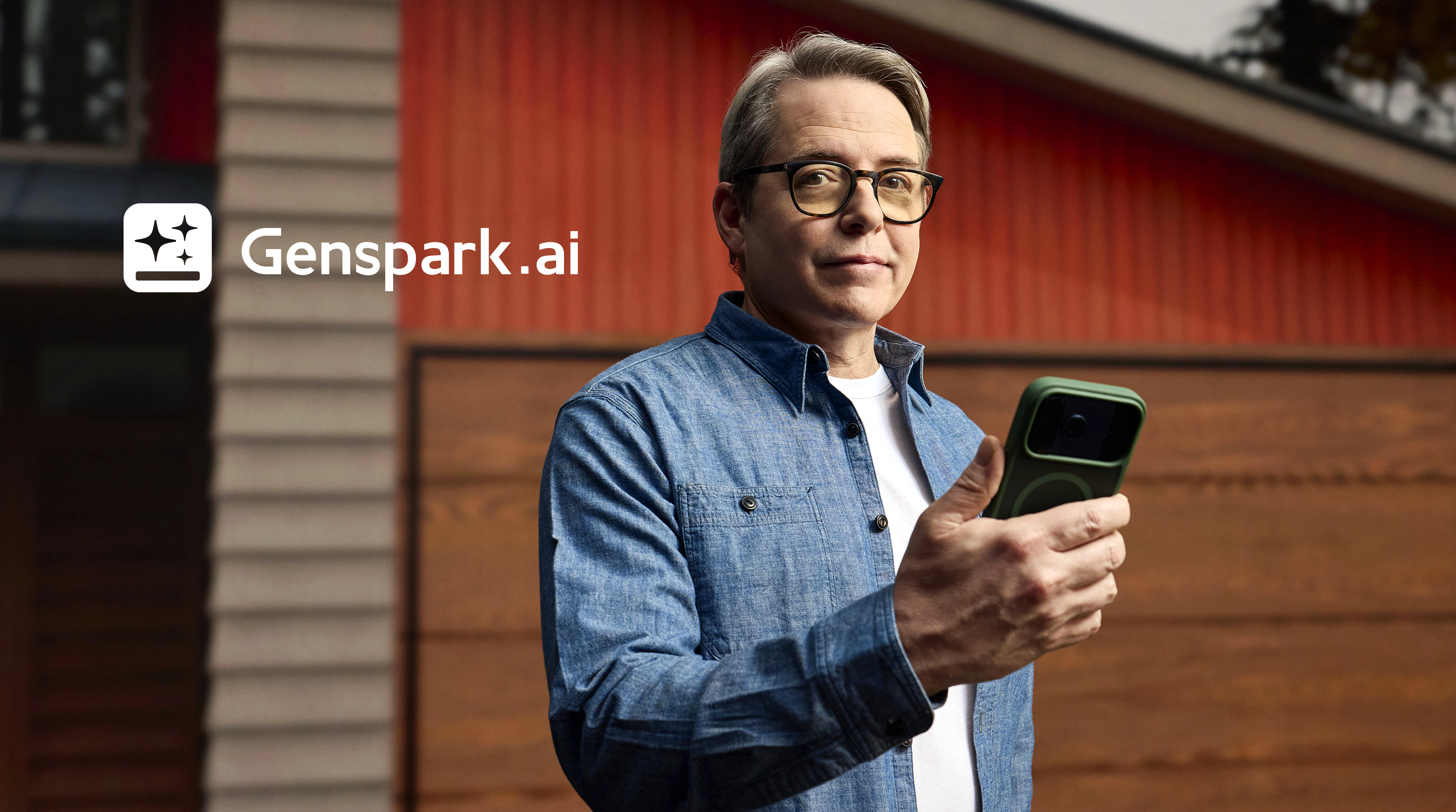
The 2026 Super Bowl advertising landscape reveals a critical inflection point for e-commerce sellers: while AI-generated content production costs have plummeted 99.5% (from $1M+ to $5K), the underlying AI industry faces potential collapse. Economists Jeff Funk and Gary Smith published analysis on February 6, 2026, comparing current AI advertising saturation to the dot-com crash pattern—14 of 61 Super Bowl ads in 2000 promoted internet startups immediately before the collapse. Today, major AI companies dominate Super Bowl slots ($8-10M per 30-second spot), yet OpenAI lost $11.5 billion in Q3 2025 alone with forecasted cumulative losses reaching $115 billion by 2029. This creates a paradox for sellers: while AI tools like Artlist, Wix, and Amazon's enhanced Alexa promise dramatic cost reductions for product photography, listing optimization, and ad creation, the vendors providing these services face unsustainable unit economics.
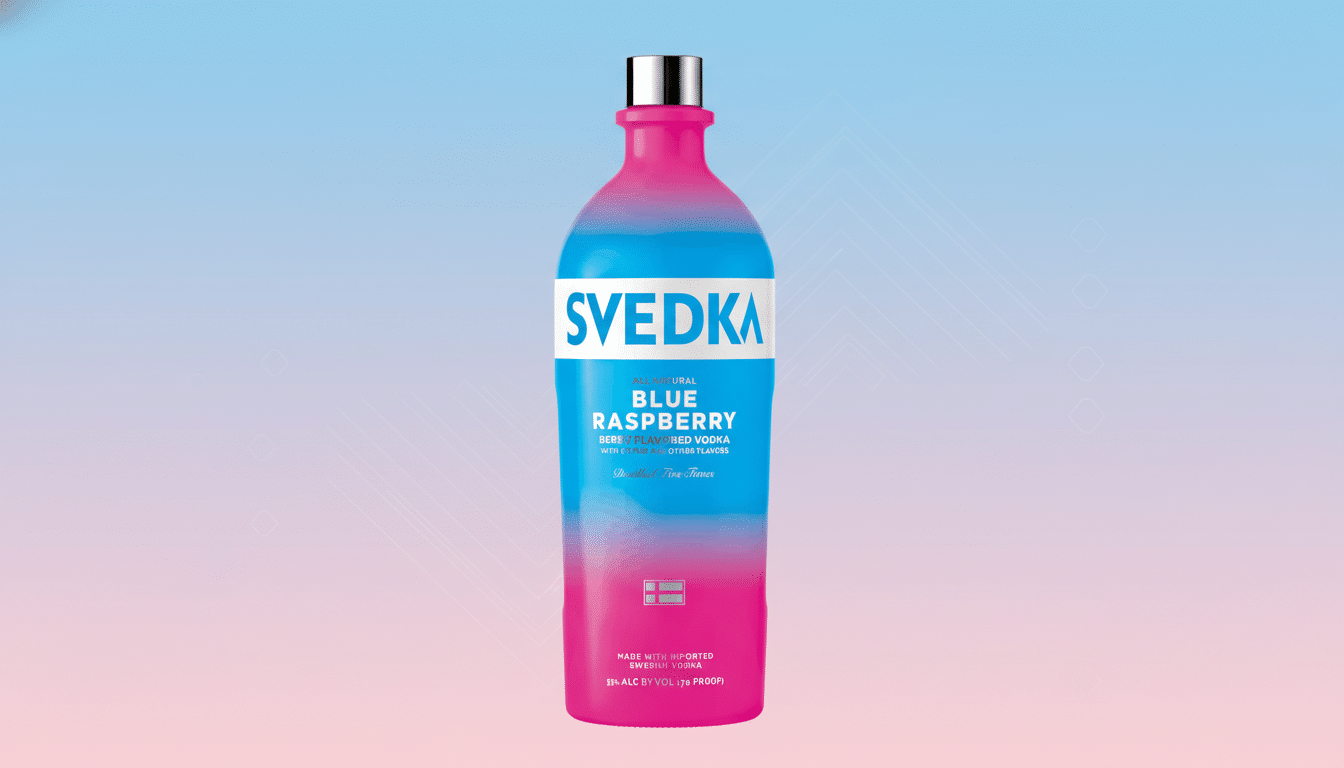
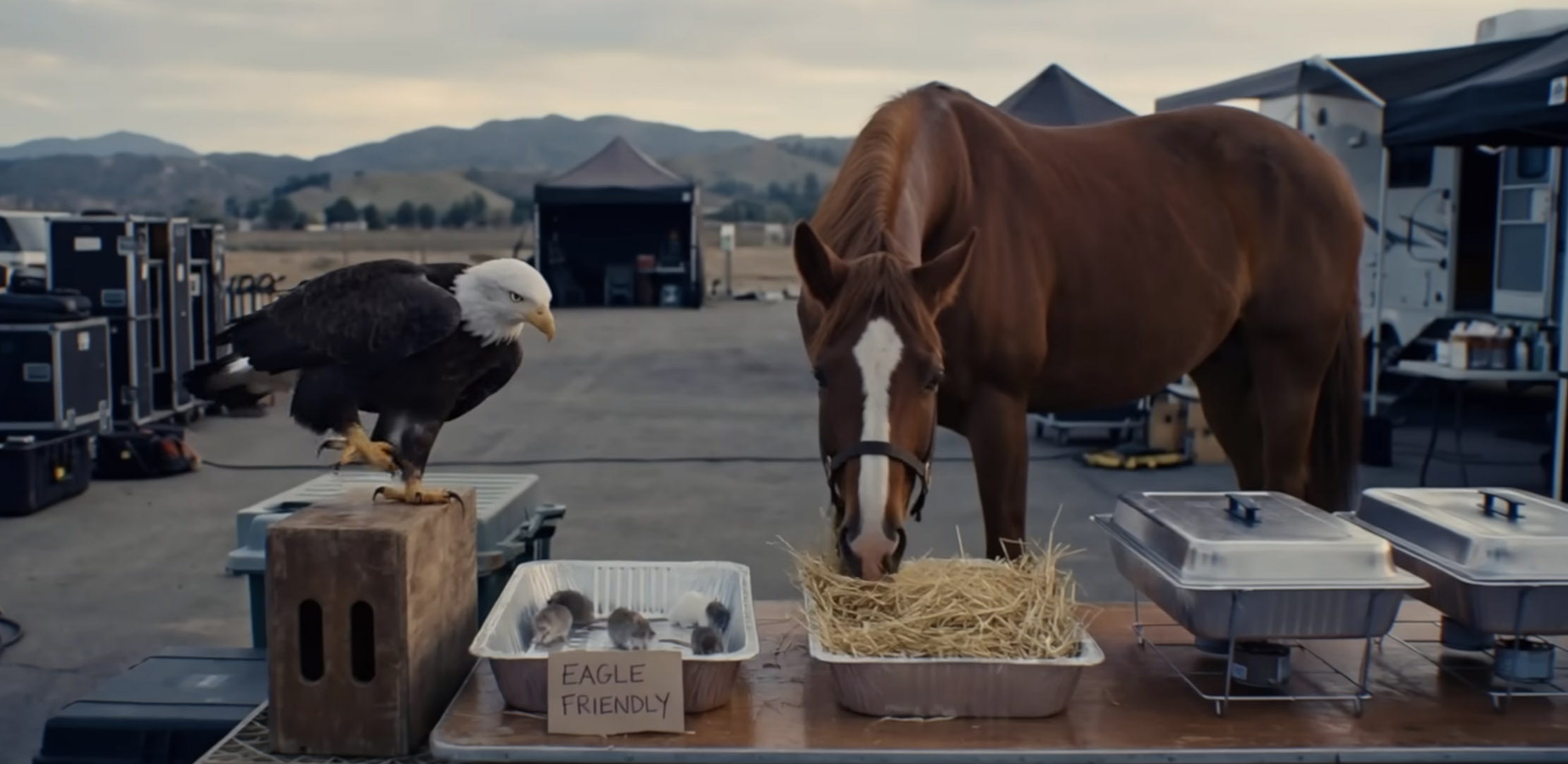
The immediate marketing opportunity is real but risky. Svedka's AI-generated Super Bowl spot ("Shake Your Bots Off") took four months to produce but cost a fraction of traditional production. Artlist created broadcast-quality creative in five days for $5,000—a 99.5% reduction versus traditional $1M+ Super Bowl production. For e-commerce sellers, this democratizes access to professional-grade product imagery, lifestyle photography, and video content previously requiring $10K-50K agency budgets. Sellers can now generate AI-powered home design visualizations (Google's Nano Banana Pro), AI-optimized product descriptions, and dynamic listing variations at scale. However, the financial analysis reveals the trap: these AI platforms maintain valuations exceeding profitable companies like American Express and Coca-Cola despite losing billions quarterly. The Economist warned of $3-35 trillion potential wealth destruction from AI bubble collapse.
For sellers, the strategic risk is vendor sustainability. Companies relying on ChatGPT API, Claude integration, or specialized AI tools face uncertainty regarding long-term availability and pricing. OpenAI's losses exceed Amazon's cumulative 10-year losses ($3B) in a single quarter, suggesting the current pricing model cannot sustain operations. Anthropic's Super Bowl ad directly challenged OpenAI's plan to monetize ChatGPT with ads—a sign of desperation in the industry. The "front-cover curse" concept (68% historical accuracy) suggests Time magazine's 2025 "Architects of AI" selection correlates with lower stock prices one year later in seven of eight comparable instances. Sellers should distinguish between revenue growth (which AI companies show) and actual profitability (which they lack). The commoditization of large language models through competition from well-capitalized players like Google's Gemini will prevent robust profit generation, potentially forcing AI vendors toward business failure rather than sustainable operations.
问题 7
Should e-commerce sellers invest in AI tools if vendors face financial collapse?
Yes, but with risk mitigation. The 99.5% cost reduction (from $1M to $5K for broadcast-quality content) justifies short-term adoption for product imagery and listing optimization. However, avoid long-term vendor lock-in: prioritize open-source tools (Stable Diffusion, open-source LLMs) over proprietary platforms like ChatGPT API. OpenAI's $11.5B Q3 2025 losses and $115B forecasted cumulative losses by 2029 signal unsustainable unit economics. Sellers should treat AI tools as tactical cost-reduction assets (6-12 month horizon) rather than strategic infrastructure. Monitor vendor financial health quarterly and maintain backup workflows using alternative platforms.
How does Anthropic's anti-ad positioning affect seller advertising strategy?
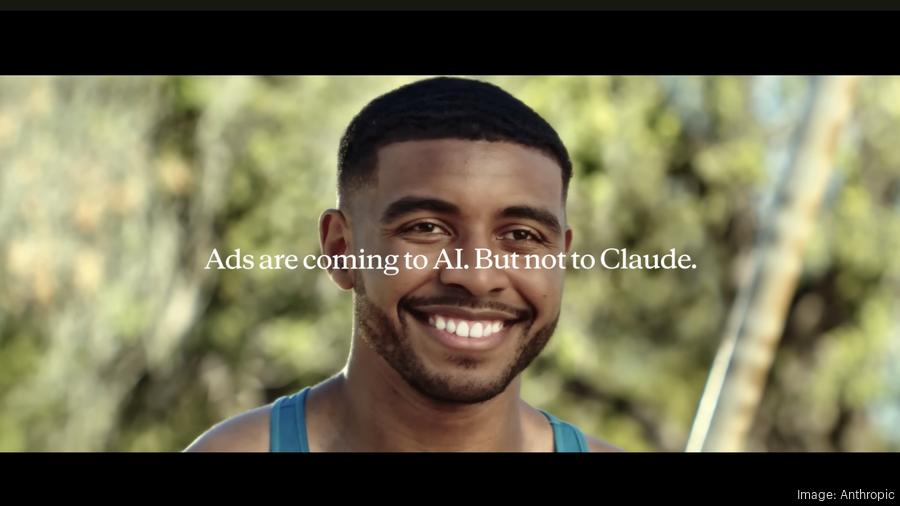
Anthropic's Super Bowl ad directly challenged OpenAI's plan to introduce ads to ChatGPT with the tagline 'Ads are coming to AI. But not to Claude.' This signals a competitive differentiation strategy: Claude positions itself as ad-free while OpenAI monetizes through advertising. For sellers, this creates a strategic choice: use ChatGPT API (which will eventually include ads, increasing costs) or Claude API (which maintains ad-free positioning but faces financial pressure). OpenAI CEO Sam Altman called Anthropic's ad 'clearly dishonest,' escalating the feud and signaling desperation. Sellers should expect ChatGPT API pricing to increase 50-100% within 12 months as OpenAI attempts to monetize. Claude represents a safer long-term bet for cost-sensitive sellers, though Anthropic's financial sustainability remains uncertain. The advertising feud indicates both companies are desperate for revenue—sellers should treat both as short-term tactical tools rather than strategic infrastructure.