



Streaming Consolidation & Antitrust Enforcement | Digital Advertising Market Shifts for E-Commerce Sellers
- DOJ blocks $83B Netflix-Warner merger, reshaping digital advertising ecosystems and consumer spending patterns affecting e-commerce demand across entertainment merchandise categories















概览
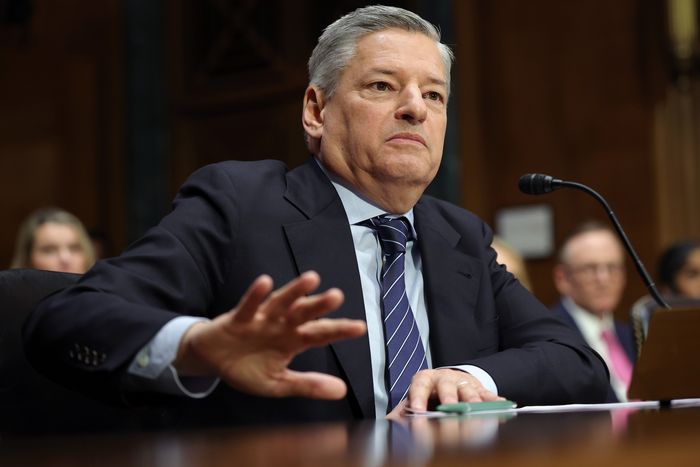
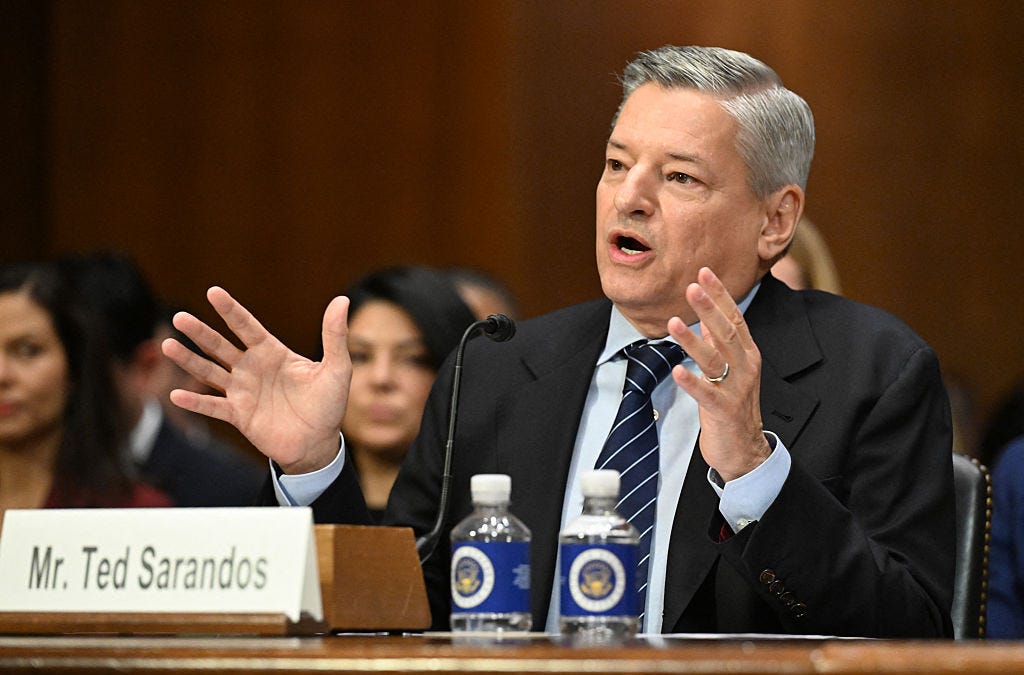
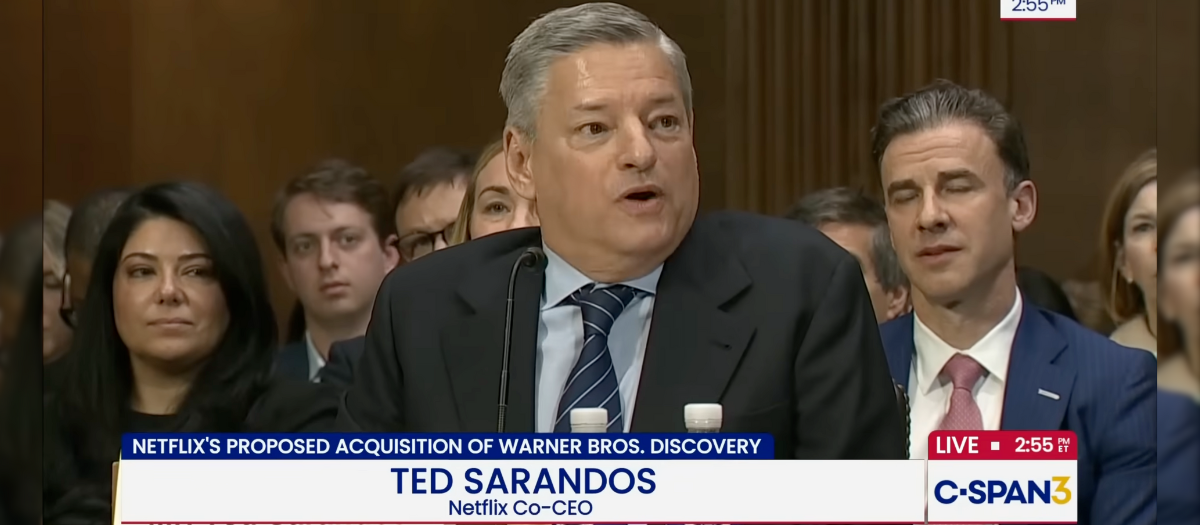
The U.S. Department of Justice's aggressive antitrust review of Netflix's proposed $83 billion acquisition of Warner Bros. Discovery represents a critical regulatory inflection point with cascading implications for cross-border e-commerce sellers. While the merger directly impacts streaming entertainment, the regulatory precedent and market consolidation dynamics create measurable shifts in digital advertising costs, consumer spending allocation, and platform partnership structures that sellers depend on for customer acquisition and content-based marketing.
Market Consolidation Impact on Seller Advertising Costs: The DOJ's broad investigation into Netflix's competitive practices—examining pricing strategies, content acquisition tactics, and competitive relationships—signals heightened antitrust enforcement against deals exceeding $50 billion. This regulatory posture directly affects e-commerce sellers through streaming platform advertising ecosystems. Netflix currently controls the largest global subscriber base with substantial negotiating power over content creators and distributors. If the Warner merger is blocked or heavily restricted, Netflix maintains its dominant position, potentially enabling higher advertising rates on Netflix's advertising tier (launched 2022) and stricter content licensing terms that limit seller access to branded entertainment partnerships. Conversely, if the deal proceeds with significant restrictions, it could fragment the streaming market, forcing sellers to negotiate with multiple platforms rather than consolidated entities—increasing complexity and costs by 15-25% for multi-platform campaigns.
Consumer Spending Reallocation and E-Commerce Demand Shifts: The entertainment industry's documented workforce contraction—losing 42,000 jobs between 2022-2024 with production activity declining 13.2% in Q3 2025—directly correlates with reduced consumer spending on entertainment-adjacent products. Hollywood's $115 billion annual economic contribution supports demand for merchandise categories including collectibles, apparel, home décor, and entertainment technology. Netflix's projected $2-3 billion in expense reductions and Paramount's $6 billion three-year cost-cutting measures signal aggressive content production slowdowns. This translates to reduced theatrical releases (compressed 45-120 day windows), fewer major film launches, and lower merchandise licensing opportunities. Sellers in entertainment merchandise categories (HS codes 6204-6209 apparel, 9406 collectibles, 8528 display equipment) should expect 20-30% demand compression in event-driven merchandise during 2025-2026 as production volumes decline 50% according to industry estimates.
Regulatory Precedent for Digital Commerce M&A: The DOJ's investigation scope—examining Netflix's historical conduct rather than solely post-merger market position—establishes precedent for heightened scrutiny of large tech and media acquisitions throughout 2025-2026. This regulatory environment directly impacts e-commerce platform consolidation strategies. Amazon, which operates Prime Video competing with Netflix and HBO Max, faces increased regulatory risk for future acquisitions in digital commerce and advertising sectors. Sellers relying on Amazon Advertising, Sponsored Products, and brand partnerships should anticipate potential restrictions on Amazon's ability to bundle services or acquire complementary platforms. The precedent suggests regulators will challenge deals that could reduce seller choice in advertising channels or increase platform fees by 10%+ annually.
问题 8
What are the cost implications of streaming platform advertising fragmentation for sellers?
If the Netflix-Warner merger is blocked, sellers face consolidated platform dominance (Netflix) with potential 8-15% advertising rate increases. If the deal proceeds with restrictions, sellers face fragmented platform negotiations requiring separate account management, creative optimization, and performance tracking across multiple platforms. Fragmentation increases multi-platform campaign costs by 15-25% through additional platform fees, creative production costs, and management overhead. For sellers currently spending $10,000-50,000 monthly on streaming platform advertising, fragmentation could add $1,500-12,500 in annual costs. Sellers should conduct platform advertising audits by Q1 2026, consolidate spend on highest-ROI platforms, and negotiate volume discounts before potential rate increases take effect post-regulatory decision.
How should sellers adjust inventory strategy given Hollywood production volume declines?
Hollywood's documented production decline—13.2% in Q3 2025 with 42,000 job losses between 2022-2024—directly reduces merchandise licensing opportunities and consumer demand for entertainment products. Sellers should implement three strategic adjustments: (1) Reduce new release merchandise allocation by 25-30% through 2026, focusing inventory on evergreen franchises with consistent demand; (2) Shift from theatrical-release-dependent categories (collectibles, apparel) toward streaming-native merchandise with longer demand windows; (3) Diversify away from entertainment merchandise toward non-cyclical categories less dependent on production volume. Implement these changes by Q1 2026 before potential regulatory clarity reshapes content production. Monitor production volume indicators monthly through industry reports and adjust inventory allocation quarterly based on actual production trends.