


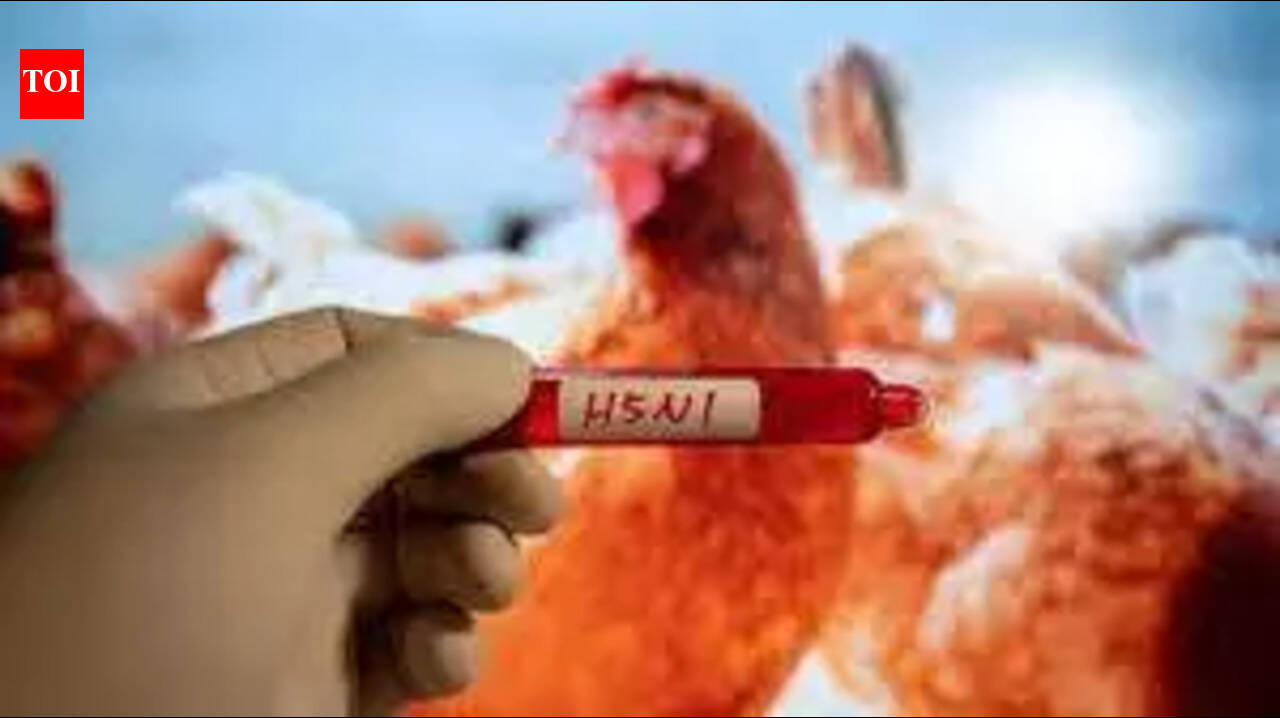

H5N1 Bird Flu Outbreak Tamil Nadu | Supply Chain Risk for Poultry & Egg Sellers
- 1,000-1,500 crow deaths in Chennai trigger statewide surveillance; poultry sellers face potential biosecurity restrictions and supply disruptions in India's largest egg-producing region
























概览
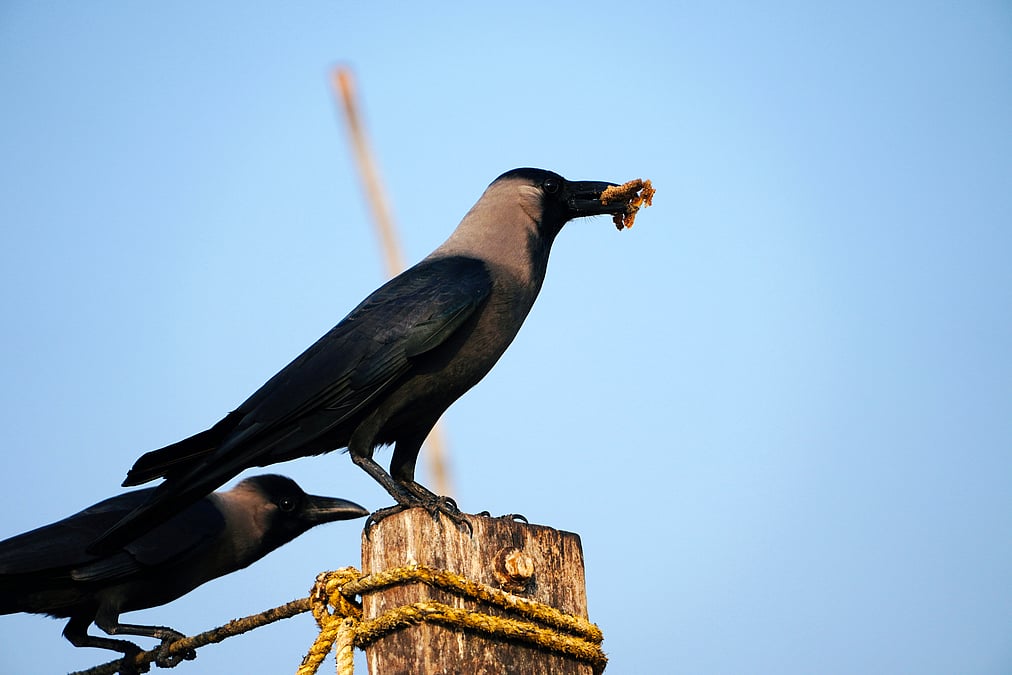
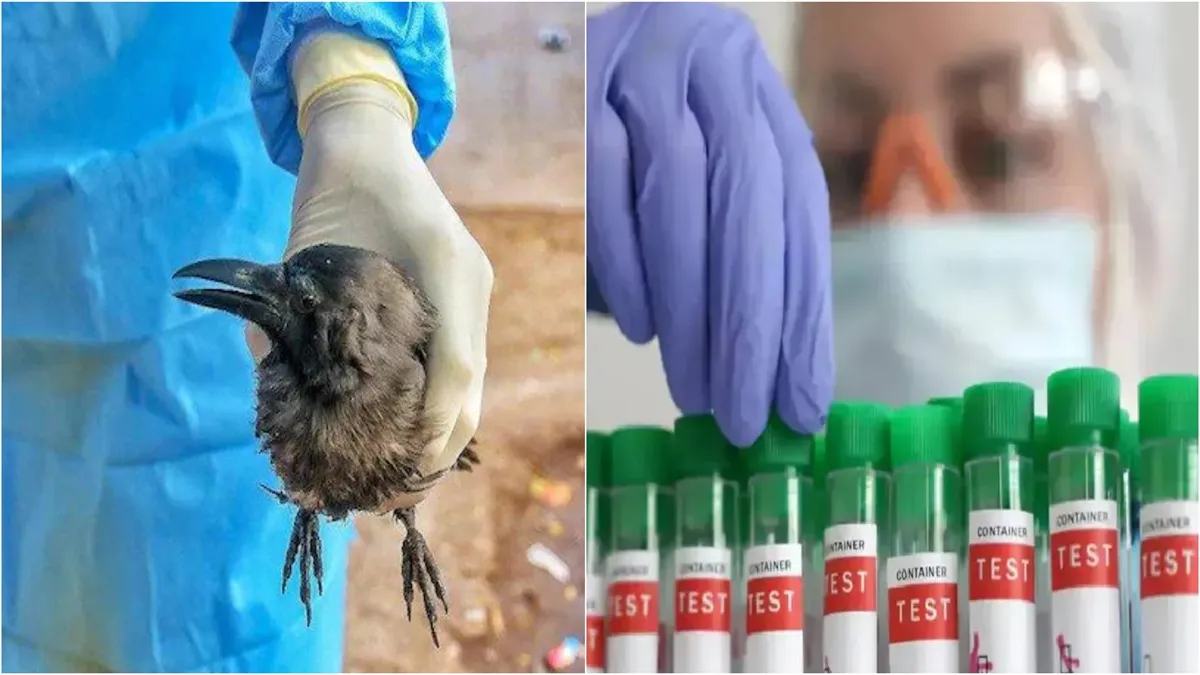
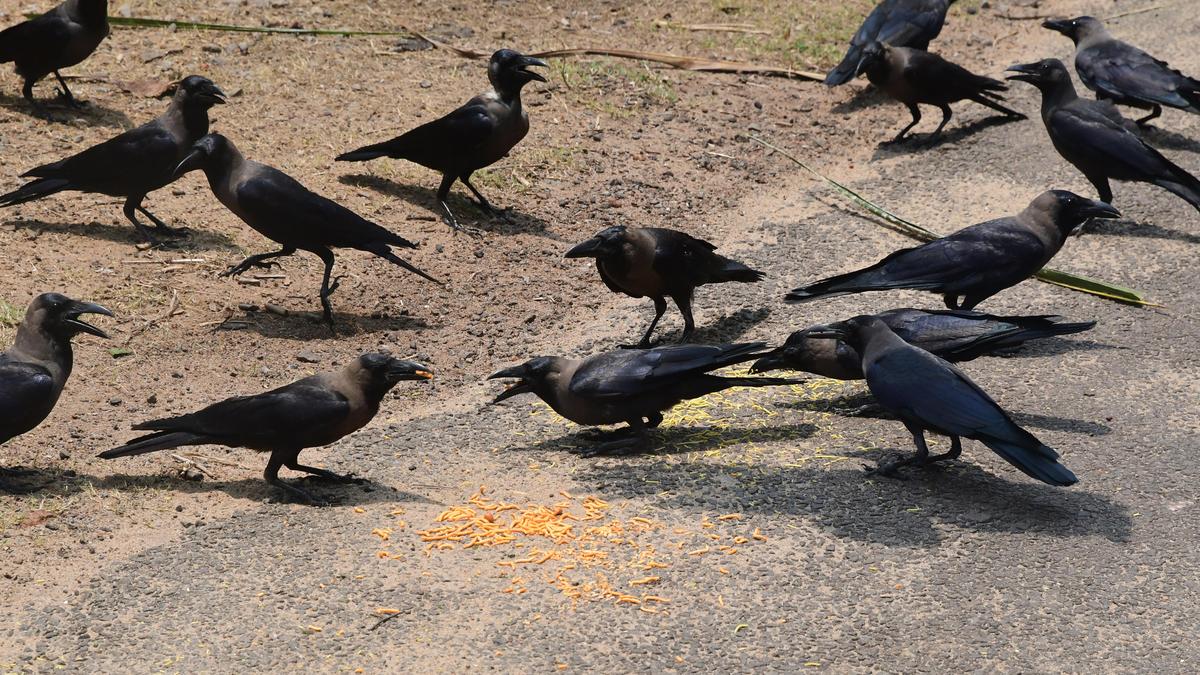
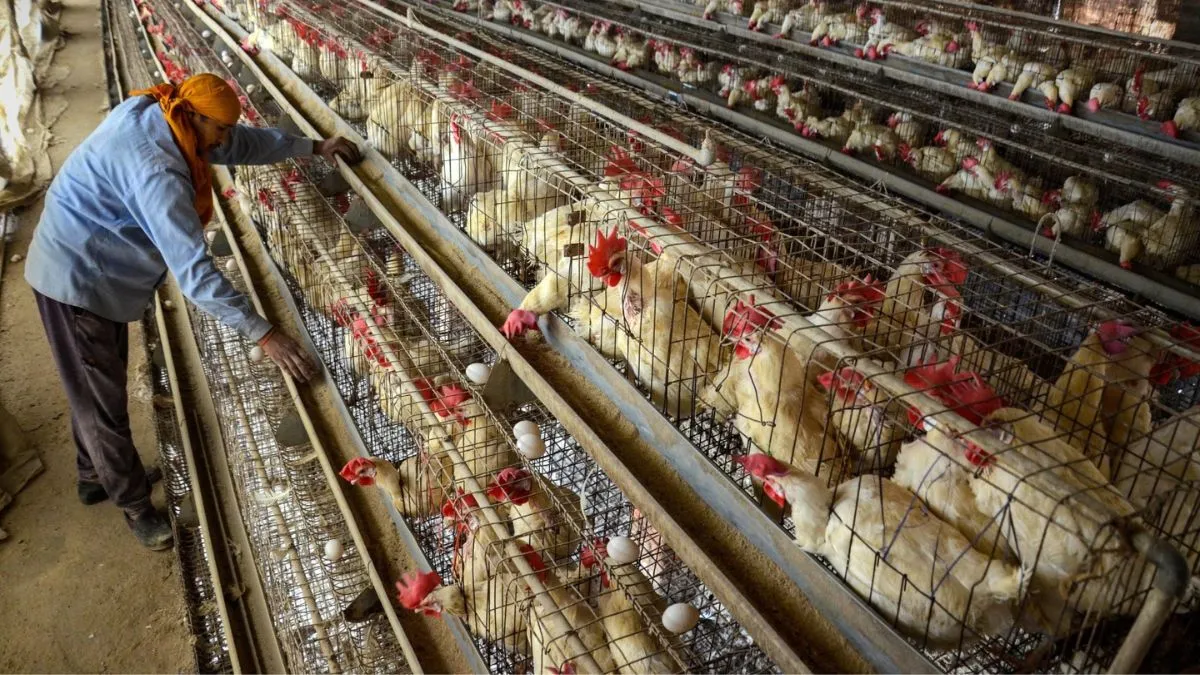
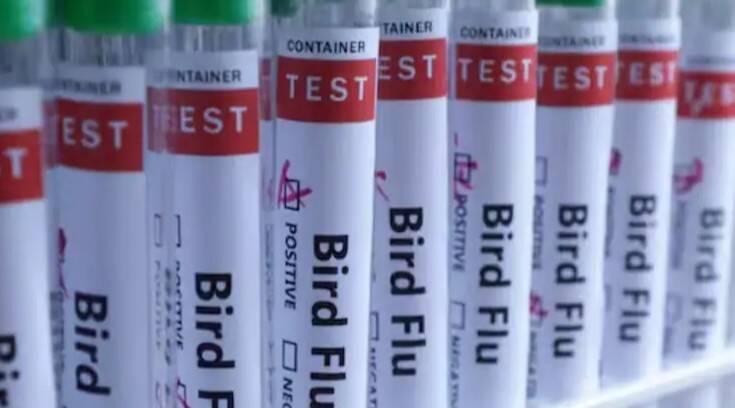
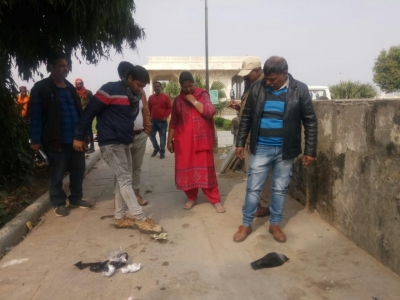
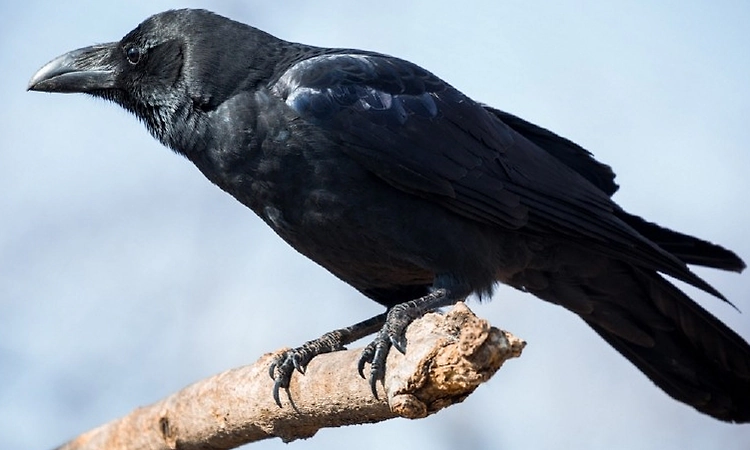
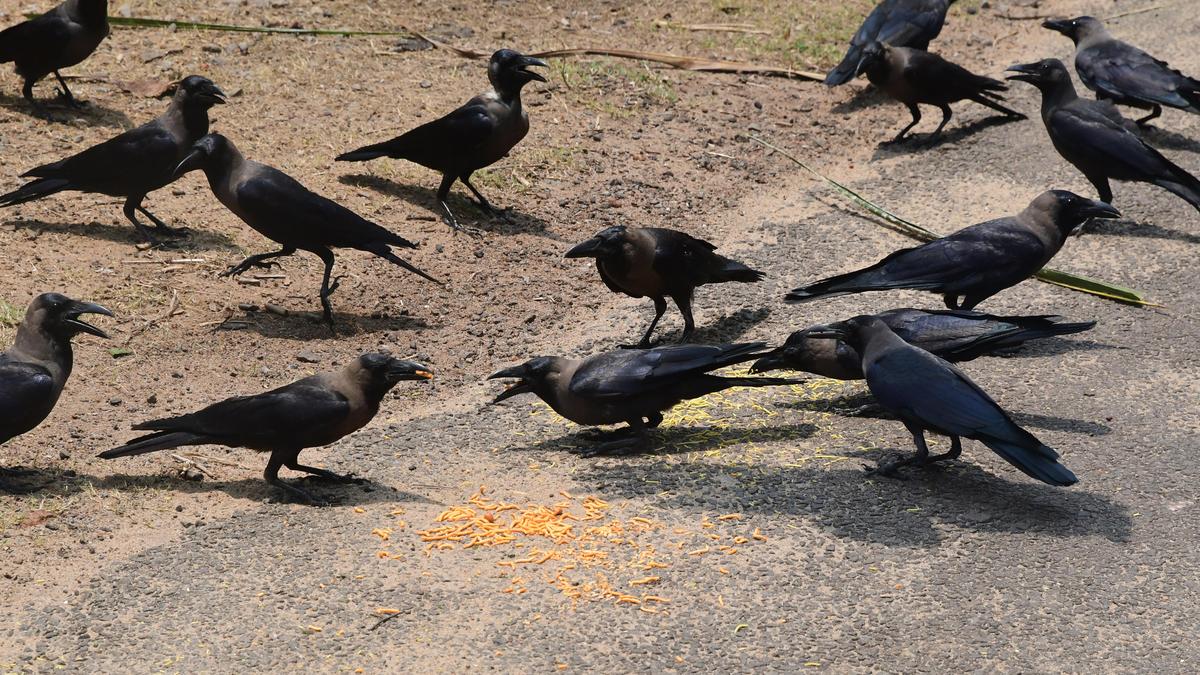
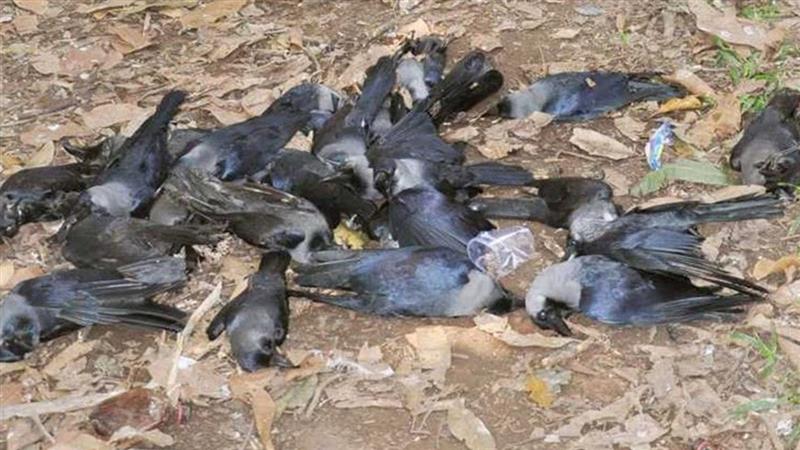
The H5N1 avian influenza outbreak detected in Tamil Nadu between January 29 and February 4, 2026, represents a critical supply chain risk for cross-border e-commerce sellers operating in poultry, eggs, and related food product categories. Tamil Nadu authorities confirmed the highly pathogenic H5N1 virus in 1,000-1,500 deceased crows across Chennai neighborhoods (Adyar, Velachery, Thiruvanmiyur), triggering statewide surveillance and biosecurity enforcement across all districts. The outbreak is particularly significant because Tamil Nadu hosts Namakkal district—one of India's largest egg-producing centers—and maintains interconnected poultry trade networks with Kerala and other states through live-bird markets and commercial farms.
Supply Chain Vulnerability and Seller Impact: The outbreak creates three direct operational risks for e-commerce sellers. First, biosecurity restrictions on poultry farms and live-bird markets could reduce product availability and increase sourcing costs by 15-25% if suppliers implement enhanced protocols or temporary production halts. Second, the state's geographic position along international migratory flyways and coastal wetland systems (Chennai-Pulicat-Cauvery delta) creates conditions for rapid virus spread to commercial poultry operations, potentially triggering mass culling events similar to the 11 farm outbreaks documented in December 2025. Third, government-mandated travel restrictions to outbreak areas and enhanced disinfection protocols in Chennai and surrounding municipalities could disrupt logistics networks and delay shipments of perishable products by 3-7 days.
Market Opportunity and Consumer Behavior Shift: The outbreak simultaneously creates demand opportunities in adjacent product categories. Public advisories emphasizing "avoiding undercooked eggs and meat" and heightened food safety awareness drive consumer interest in premium, certified-safe poultry products, organic eggs, and alternative protein sources (plant-based meat, insect protein). Sellers offering products with transparent sourcing documentation, biosecurity certifications, or third-party food safety verification can command 10-20% price premiums during outbreak periods. Additionally, the government's emphasis on personal hygiene and handwashing creates seasonal demand spikes for health and wellness products: hand sanitizers, disinfectants, protective equipment, and health supplements targeting immune support. Historical patterns from 2023-2024 avian flu events show 40-60% sales increases in these categories during 2-3 week outbreak windows.
Regulatory and Compliance Considerations: The coordinated multi-departmental response involving Animal Husbandry, Public Health, Chennai Corporation, and Forest Department signals potential regulatory tightening on poultry product imports and exports. Sellers should monitor announcements regarding trade restrictions on poultry products, eggs, and processed meat from affected regions. The Union government's directive to intensify monitoring of poultry farms and bird markets may result in new certification requirements, enhanced documentation for cross-border shipments, and potential temporary import/export bans on fresh poultry products from Tamil Nadu. Sellers currently sourcing eggs or poultry from Namakkal or Chennai should establish alternative supplier relationships in unaffected regions (Punjab, Haryana, Andhra Pradesh) to mitigate supply chain disruption risks.
问题 8
What product categories see increased demand during avian flu outbreaks?
Public health advisories emphasizing food safety drive demand spikes in three categories: (1) Premium/certified-safe poultry and eggs with transparent sourcing documentation (10-20% price premium potential), (2) Health and wellness products including hand sanitizers, disinfectants, and protective equipment (40-60% sales increase during 2-3 week outbreak windows), and (3) Alternative proteins like plant-based meat and insect-based products as consumers seek safer protein sources. Historical data from 2023-2024 avian flu events shows these categories consistently outperform baseline sales during outbreak periods.
How does the H5N1 outbreak in Tamil Nadu affect egg and poultry sellers on Amazon and cross-border platforms?
The outbreak directly impacts sellers sourcing from Tamil Nadu's Namakkal district—India's largest egg-producing center. Biosecurity restrictions on poultry farms and live-bird markets can reduce product availability and increase sourcing costs by 15-25%. Sellers should immediately diversify suppliers to unaffected regions (Punjab, Haryana, Andhra Pradesh) and monitor government announcements for potential import/export restrictions on fresh poultry products. The outbreak typically triggers 3-7 day logistics delays due to enhanced disinfection protocols in Chennai and surrounding areas.