





Japan's Youth-Driven Political Shift Under PM Takaichi | E-Commerce Market Opportunities 2026
- Nationalist policies reshape Japan's trade relationships; sellers face tariff volatility and China-Japan corridor disruption; 70%+ youth approval signals consumer confidence surge in digital-native demographics



















概览
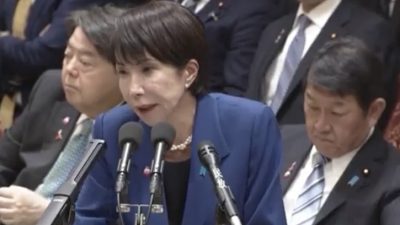
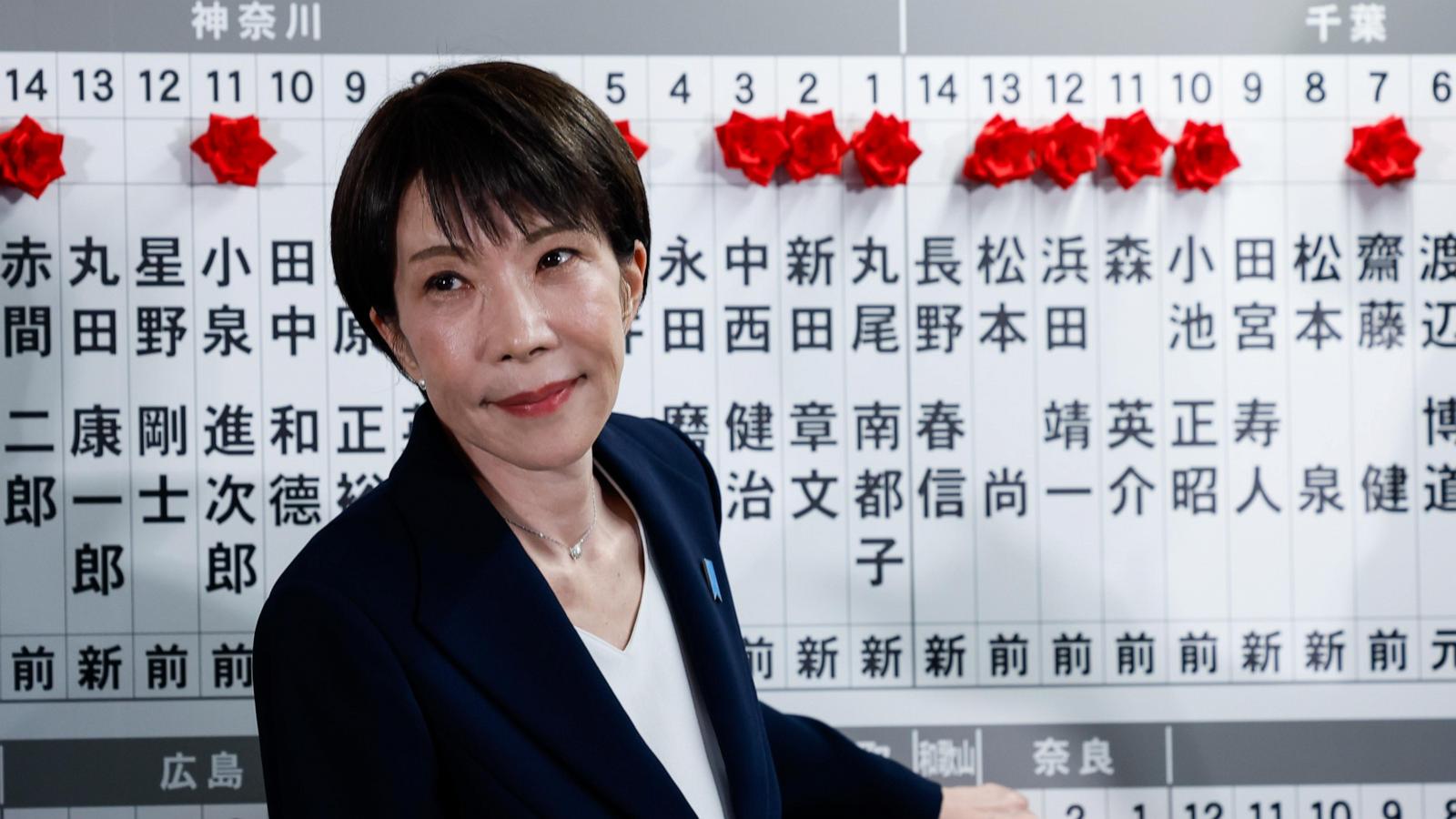
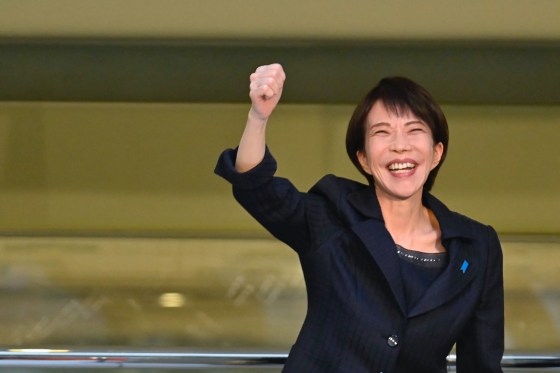
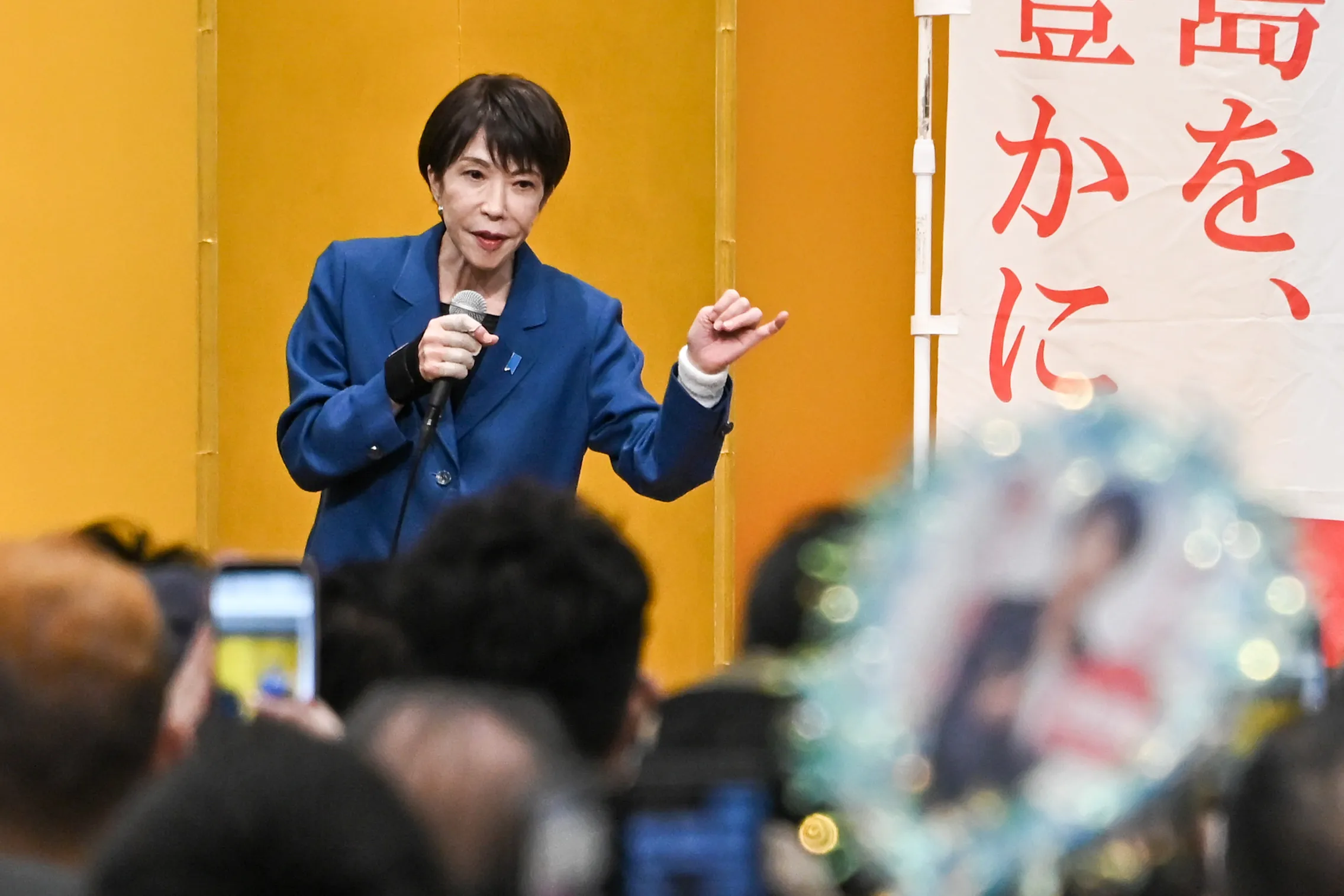
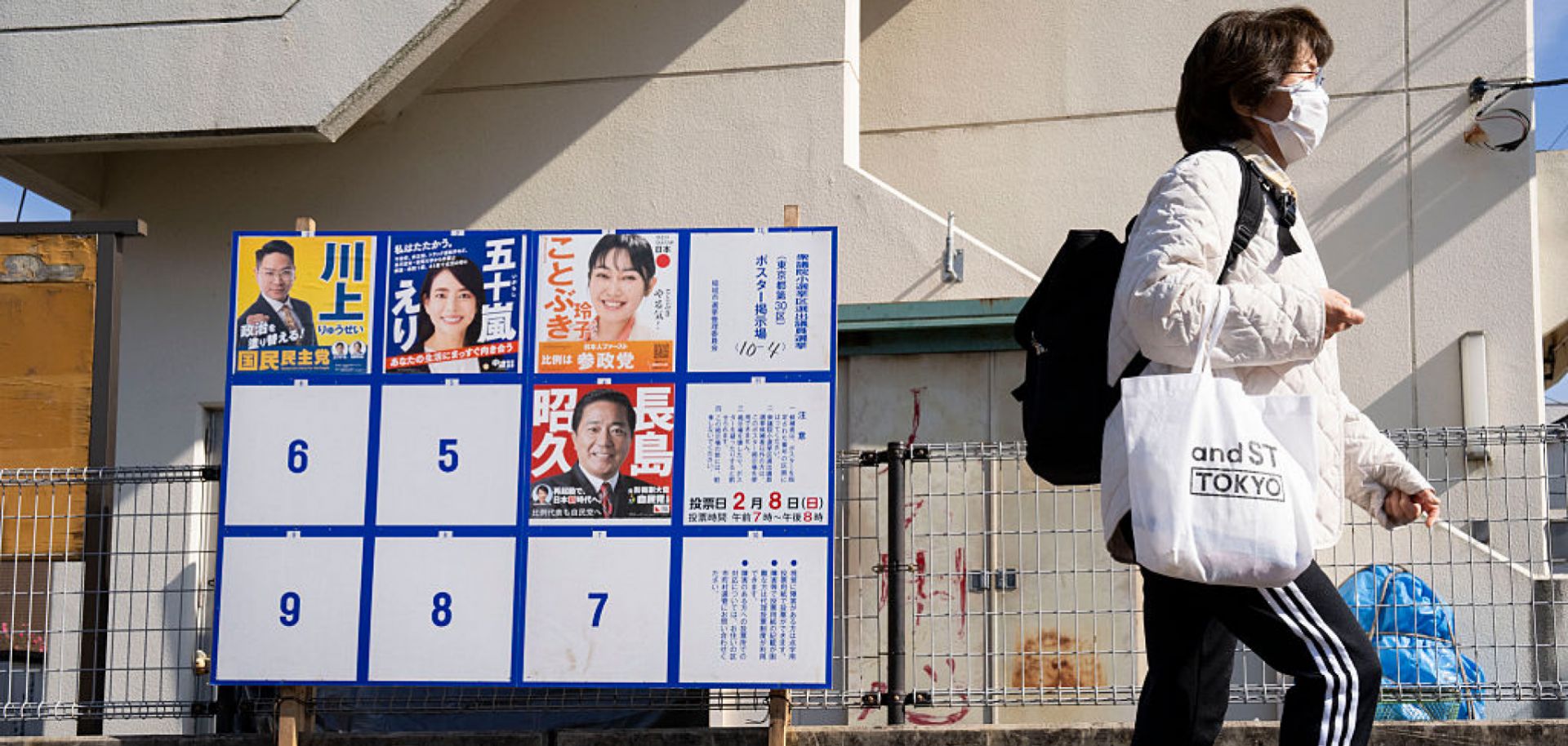
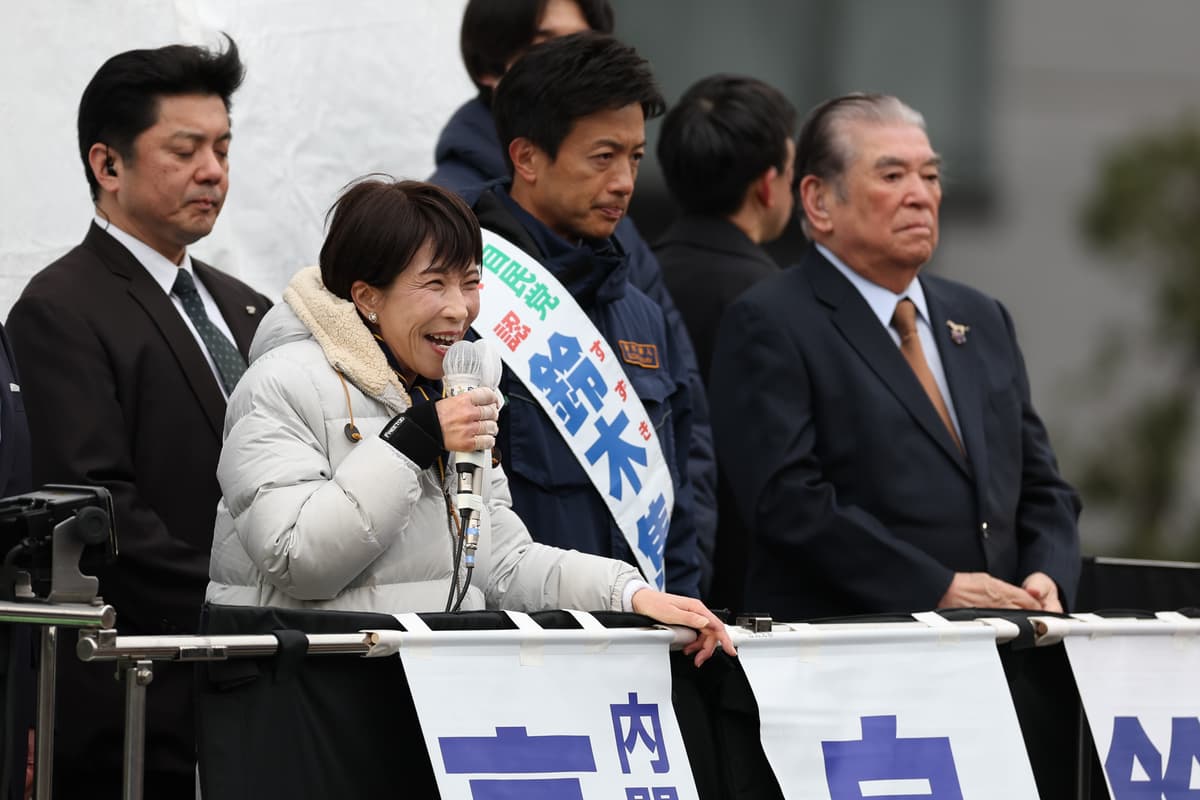
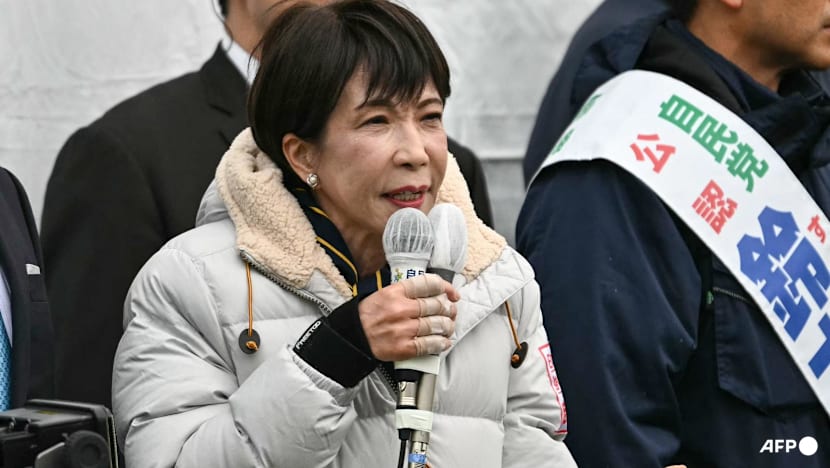
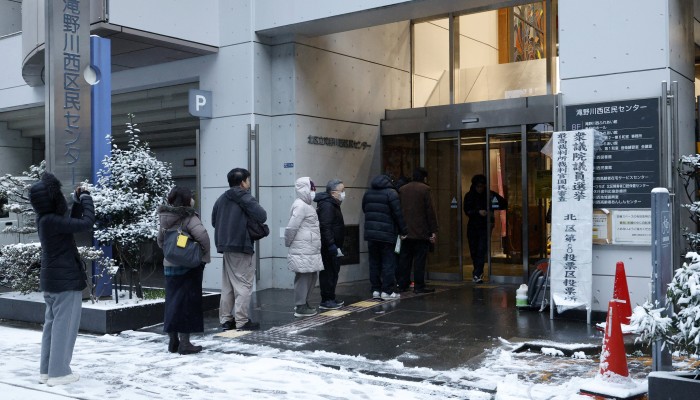
Prime Minister Sanae Takaichi's landslide victory in Japan's February 2026 snap election represents a critical inflection point for cross-border e-commerce sellers targeting the Japanese market. The LDP-led coalition secured approximately 300 of 465 Lower House seats, with Takaichi achieving unprecedented 70%+ approval ratings among voters aged 18-30—a demographic historically disengaged from politics. Her 2.6 million X followers and 100+ million campaign video streams demonstrate sophisticated social media penetration that directly correlates with e-commerce platform adoption patterns among Japan's digital-native youth segment.
The "sanakatsu" phenomenon—where Takaichi's black leather tote bag sold out and her pink press conference pen went viral—reveals critical merchandise opportunities in political memorabilia and personality-driven fashion categories. This unexpected fashion icon status among Gen Z consumers signals strong demand for limited-edition political merchandise, accessories, and lifestyle products targeting Japan's 18-30 demographic. Sellers specializing in trending fashion items, collectibles, and personality-branded merchandise can capitalize on this 6-12 month window before trend saturation. The viral campaign video's 100+ million streams in under 10 days demonstrates the velocity of youth-driven content consumption on Japanese platforms like TikTok, YouTube, and X—critical channels for seller marketing and product discovery.
However, Takaichi's nationalist and hawkish foreign policy stance creates significant tariff and trade corridor risks for cross-border sellers. Her late-2024 suggestion that Japan could defend Taiwan militarily has plunged China-Japan bilateral relations to decade-low levels, directly threatening the China-Japan supply chain corridor that historically facilitated 15-20% of cross-border e-commerce logistics. Simultaneously, her alignment with US President Donald Trump signals potential tariff escalation on Chinese-origin products entering Japan, likely increasing landed costs by 8-15% for sellers sourcing from mainland China. The nationalist policy framework mirrors late PM Shinzo Abe's approach, suggesting potential protectionist measures affecting foreign sellers' market access. Sellers currently leveraging China-to-Japan sourcing routes face urgent need to evaluate Vietnam, India, and Southeast Asian alternatives within the next 60-90 days before tariff structures solidify.
The strengthened parliamentary mandate enables Takaichi to pursue aggressive legislative agendas affecting digital commerce regulation, data protection standards, and cross-border transaction frameworks. Japan's e-commerce market—dominated by Rakuten, Yahoo Shopping, and Amazon Japan—will likely face new compliance requirements around consumer data protection and platform liability. The youth voter surge indicates strong consumer confidence in digital platforms, potentially accelerating e-commerce adoption among 18-35 demographics by 15-25% through 2026-2027. This creates a 12-18 month window for sellers to establish market presence before regulatory frameworks tighten. Sellers should monitor post-election policy announcements regarding digital commerce taxation (potential consumption tax increases on cross-border transactions), consumer protection standards, and international trade negotiations affecting tariff schedules and market access conditions.
问题 7
What merchandise opportunities exist from the 'sanakatsu' phenomenon among Japanese youth?
The viral 'sanakatsu' trend—where Takaichi's black leather tote bag sold out and her pink press conference pen became collectible items—reveals strong demand for political memorabilia, personality-branded fashion, and limited-edition accessories among Japan's 18-30 demographic. Her 2.6 million X followers and 100+ million campaign video streams demonstrate unprecedented youth engagement with political content. Sellers can capitalize on this 6-12 month trend window by launching political merchandise collections, personality-branded fashion items, and collectible accessories targeting Gen Z consumers. Historical political merchandise categories generate $50-150M annually in Japan; this trend could expand that market by 20-30% through 2026.
How does Takaichi's nationalist policy affect tariffs on Chinese-origin products entering Japan?
Takaichi's hawkish stance toward China and alignment with Trump administration policies signal potential 8-15% tariff increases on Chinese-manufactured goods entering Japan through 2026-2027. Her late-2024 Taiwan defense comments have already plunged China-Japan relations to decade-low levels, creating immediate supply chain volatility. Sellers currently sourcing from mainland China face urgent need to evaluate alternative sourcing from Vietnam, India, and Thailand within 60-90 days. The LDP's 300-seat parliamentary majority enables rapid tariff implementation without opposition obstruction, making this a critical compliance window for sellers to restructure supply chains before tariff schedules finalize.