




AI Automation Reshapes Enterprise Software | $400B Market Correction Signals Seller Opportunity
- $400 billion software sector correction as AI tools replace specialized software; 25% industry decline creates automation opportunities for e-commerce sellers in compliance, document processing, and supply chain optimization by 2026











概览
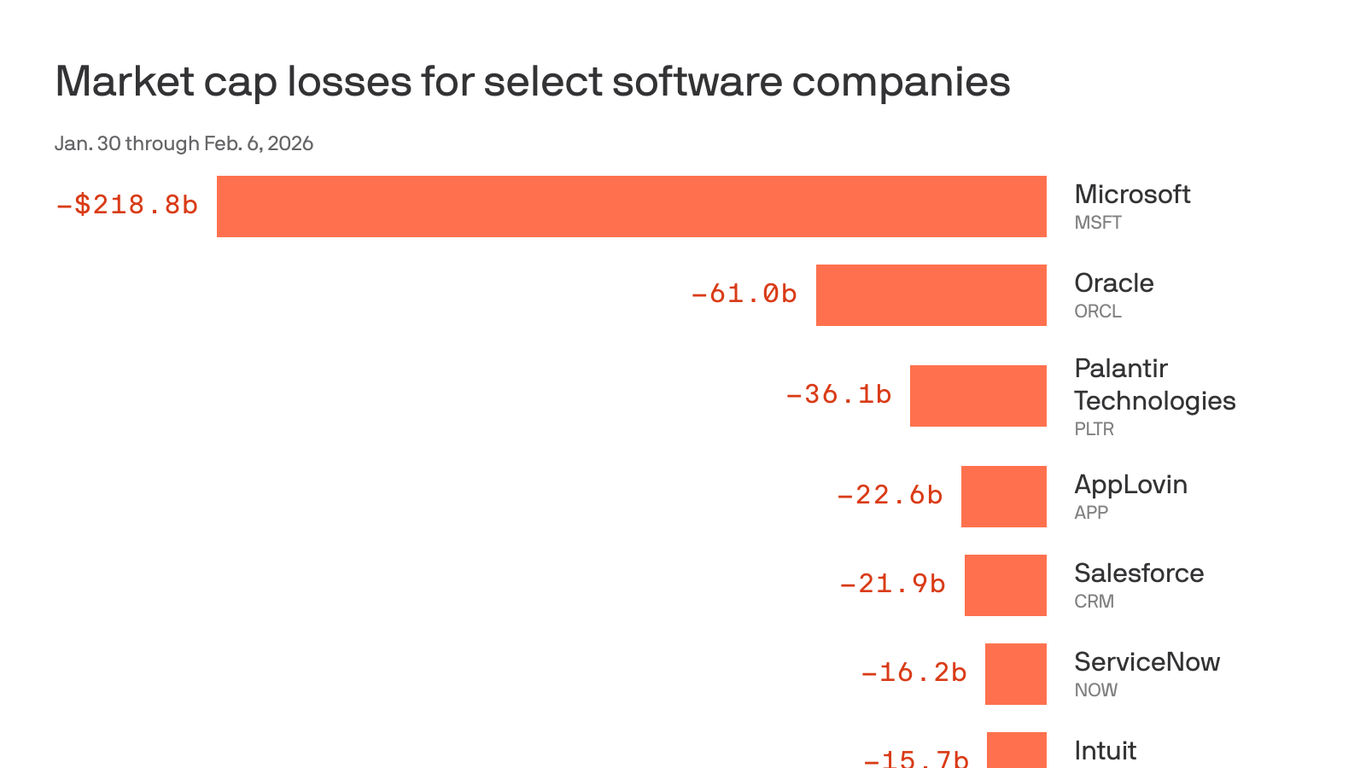
The software industry experienced a historic $400 billion market correction this week following Anthropic's release of Claude Code and Cowork—AI tools designed to automate coding and enable AI agents to function as full-time coworkers. The 25% sector decline represents the first concrete market verdict on AI's capacity to replace entire job categories, with OpenAI CEO Sam Altman publicly acknowledging feeling "useless" when using AI for coding tasks. This disruption extends far beyond software developers: portfolio manager Shelby McFaddin warns that "AI is not just going to do something to labor... it's going to do something to profits," with industry analysts projecting broader market pricing of AI's labor impact across multiple sectors within 12-18 months.
For cross-border e-commerce sellers, this correction signals a critical inflection point in operational automation. As corporate America rapidly adopts AI tools—exemplified by Authentic Brands Group (Reebok, Champion) deploying Anthropic's document review tool to replace specialized legal software—the entire enterprise software ecosystem is being restructured. Companies are moving from cautious pilot programs to mainstream adoption, with employees actively requesting AI integration rather than waiting for top-down mandates. This shift indicates that AI-enhanced services will become standard across business software within 12-24 months, fundamentally changing the pricing models and service capabilities that e-commerce sellers depend on.
The immediate seller opportunity lies in three automation domains: (1) Compliance & Document Processing: AI-powered tools can now automate customs documentation, product compliance verification, and intellectual property review—tasks that traditionally consumed 15-20 hours weekly for multi-jurisdiction sellers. Sellers using platforms like Anthropic's Claude can reduce legal document review costs by 40-60% while accelerating compliance cycles from 5-7 days to 24-48 hours. (2) Supply Chain Intelligence: As logistics providers, payment processors, and fulfillment services implement AI, sellers gain access to improved processing times and potentially lower operational costs. Early adopters can expect 8-12% cost reductions in fulfillment and logistics through AI-optimized routing and inventory management. (3) Competitive Positioning: Contrarian investors identify opportunities in software toolkit providers rather than single-use applications—a principle directly applicable to sellers. Rather than relying on specialized single-purpose tools, sellers should adopt versatile AI platforms that handle multiple tasks (pricing optimization, customer service, product research, content generation) simultaneously, creating sustainable competitive advantages.
Critical monitoring metrics for sellers include: software company growth rates (already slowing), customer retention figures indicating migration to AI alternatives, and platform announcements regarding AI feature integration. The 12-18 month timeline for broader AI labor impact pricing means sellers have a narrow window to implement automation before competitive advantages commoditize. Companies demonstrating successful AI integration are gaining operational advantages now; those slower to adopt face competitive disadvantages in increasingly crowded marketplaces. The stock market's positive response to AI advancement announcements indicates accelerating investment in AI-powered business solutions across all sectors, including e-commerce infrastructure and seller support systems.
问题 7
How should sellers monitor software vendor changes and AI integration announcements?
Track three key metrics: (1) **Software company growth rates** (already slowing per analyst reports), indicating which vendors are losing market share to AI alternatives. (2) **Customer retention figures** showing whether users are migrating to AI-based alternatives—vendors with declining retention will likely announce AI integration or price reductions. (3) **Platform announcements** from Amazon, Shopify, eBay regarding AI feature integration. Subscribe to vendor newsletters, monitor earnings calls for AI mentions, and join seller communities discussing tool changes. Set quarterly reviews (March, June, September, December 2026) to reassess your software stack and identify opportunities to replace specialized tools with versatile AI platforms or newly AI-enhanced vendor offerings.
What is the competitive advantage window for sellers adopting AI automation now?
The 12-18 month timeline for broader market pricing of AI's labor impact creates a narrow competitive advantage window for early adopters. Sellers implementing AI automation now (Q1 2026) will gain 8-12% operational cost advantages and 15-20% faster processing times before competitors catch up. This advantage typically lasts 6-12 months before becoming industry standard. The stock market's positive response to AI advancement announcements indicates accelerating investment in AI-powered business solutions—meaning late adopters will face higher costs and compressed margins. Sellers should prioritize AI implementation in high-impact areas (compliance, customer service, pricing optimization) within the next 90 days to maximize competitive advantage duration.