





EPA Lead Ban Success Drives Consumer Safety Demand | Product Compliance & Market Opportunity 2024
- 100-fold reduction in lead exposure validates regulatory frameworks; sellers must align product sourcing with strengthened compliance standards affecting manufacturing, testing, and certification costs











概览
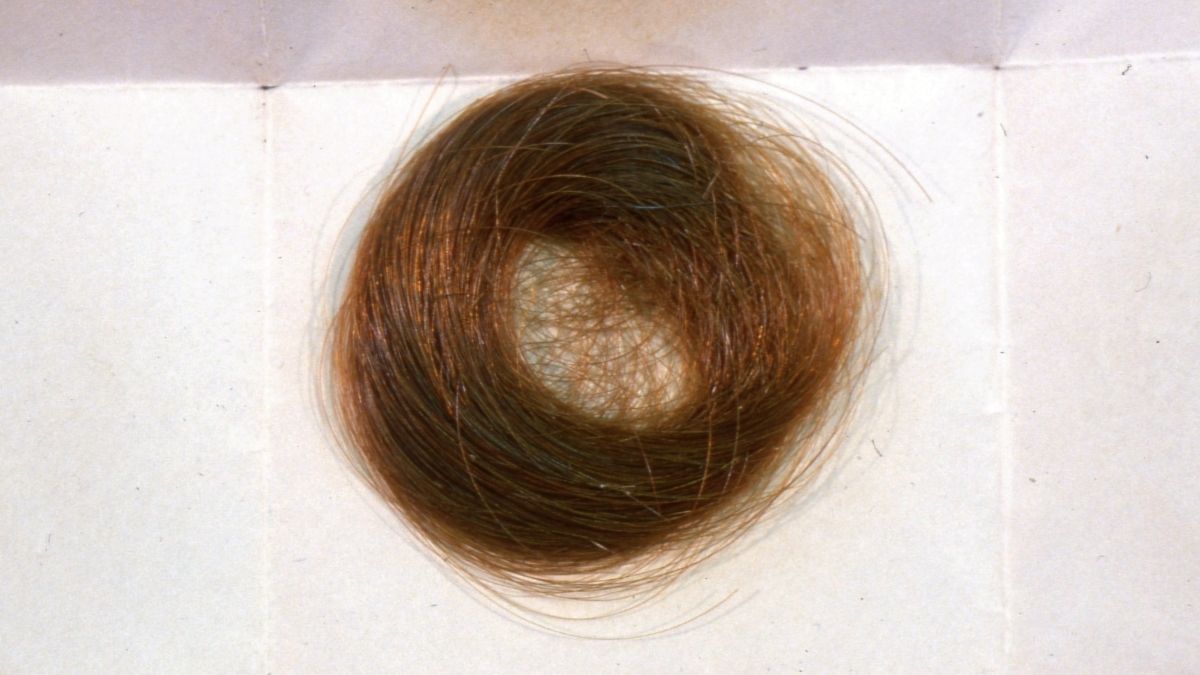
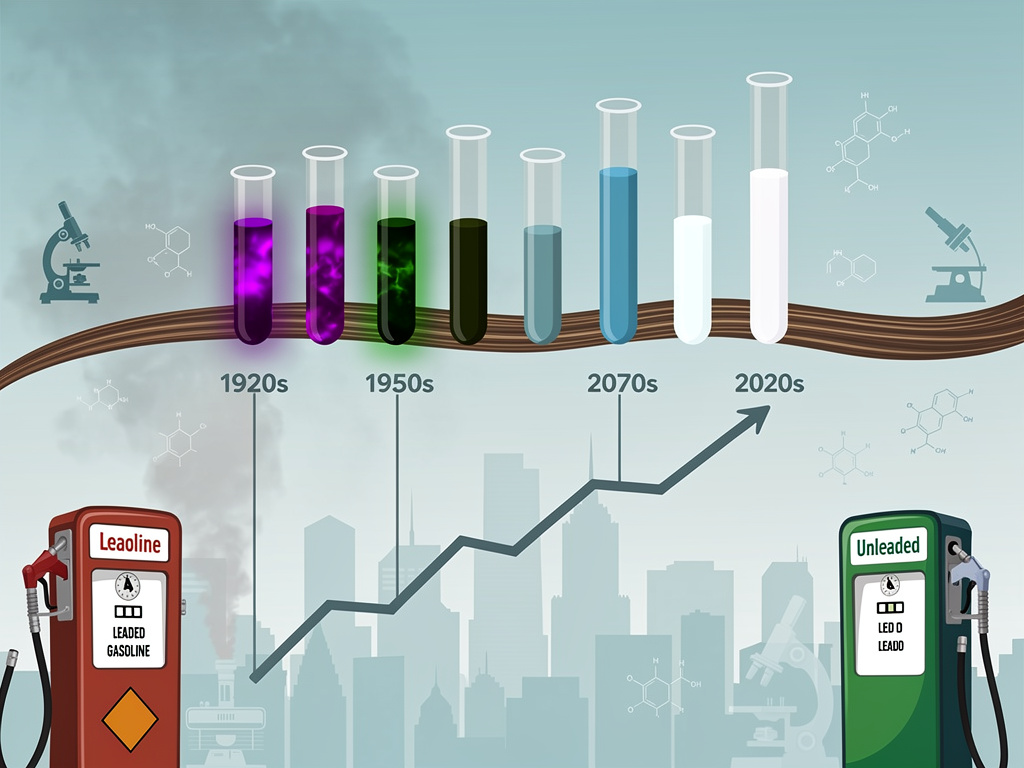
A century-long University of Utah study published in the Proceedings of the National Academy of Sciences (February 2024) provides definitive evidence that EPA regulations on leaded gasoline and lead-based products have reduced human lead exposure by approximately 100-fold since 1970. Researchers analyzed 48 hair samples spanning from 1916 to 2024, documenting lead concentrations declining from 100 parts per million (ppm) in 1916-1969 to below 1 ppm by 2024. This research validates decades of environmental policy intervention and carries significant implications for e-commerce sellers, particularly those sourcing products from manufacturing regions with historical industrial contamination or selling consumer goods subject to lead compliance standards.
Regulatory Compliance as Competitive Advantage: The study's findings underscore the market value of strict product compliance. Sellers offering lead-free certified products can now leverage this research as third-party validation of safety standards. Categories most affected include children's products (toys, furniture, apparel), home goods (paint, fixtures, cookware), and vintage/collectible items requiring lead testing. The 2024 Lead and Copper Rule enforcement mentioned in the news signals potential tightening of water system regulations, which could expand compliance requirements for products touching water systems (filters, fixtures, plumbing supplies). Sellers in these categories should anticipate increased testing costs ($500-2,000 per product line) and certification timelines (4-8 weeks).
Supply Chain and Sourcing Implications: The research highlights Utah's historical smelting operations in Midvale and Murray as contamination sources, illustrating how manufacturing geography affects product safety profiles. Sellers sourcing from regions with legacy industrial activity face higher compliance risk. The study's emphasis on potential deregulation efforts creates urgency: sellers should document current compliance certifications now, as regulatory rollback could create competitive disadvantage for those with verified lead-free status. Additionally, the research validates demand for health-conscious consumer products—a growing e-commerce segment where buyers actively seek lead-free, non-toxic alternatives. This trend particularly impacts Amazon, eBay, and Walmart marketplace sellers in home improvement, children's goods, and wellness categories, where product safety certifications drive conversion rates and customer reviews.
Market Opportunity in Compliance Services: The study's validation of regulatory effectiveness creates B2B opportunities for sellers offering compliance testing, certification documentation, and supply chain transparency. Sellers can differentiate through third-party lead testing results, creating premium positioning in competitive categories. The research also supports marketing narratives around "EPA-compliant," "lead-free certified," and "health-safe" product claims, which resonate with health-conscious consumer segments willing to pay 10-15% premiums for verified safety.
问题 8
How does this research impact vintage and collectible product sellers on eBay and specialized marketplaces?
Vintage and collectible items (furniture, toys, jewelry, home décor) manufactured before 1970s often contain high lead levels documented in the study (100+ ppm). Sellers must disclose lead risk in listings and may require testing for items marketed to families with children. eBay and specialized vintage marketplaces increasingly require lead disclosure for pre-1970s children's products. Sellers should: (1) test high-risk items ($200-500 per item), (2) disclose lead content in listings, (3) target adult collectors rather than families with children, (4) price accordingly for lead-containing items. The research validates market segmentation—lead-free vintage items command 15-25% premiums over untested alternatives.
How does the EPA lead ban research affect product compliance requirements for Amazon and eBay sellers?
The University of Utah study validates EPA lead regulations' effectiveness, strengthening enforcement likelihood and compliance expectations across e-commerce platforms. Amazon and eBay both require third-party testing for children's products and increasingly for home goods categories. Sellers should expect platform audits to verify lead-free certification (typically $500-2,000 per product line). The research's emphasis on potential deregulation rollback suggests sellers should document current certifications immediately, as regulatory changes could create competitive disadvantage. Non-compliant products face removal from listings, account suspension, and potential legal liability under CPSIA (Children's Product Safety Improvement Act).