



Italy Winter Olympics 2026 Rail Disruptions | Logistics Impact for European Sellers
- Three coordinated sabotage incidents cause 2-12 hour train delays across Bologna-Venice corridor during February 2026 Olympic Games opening
















概览
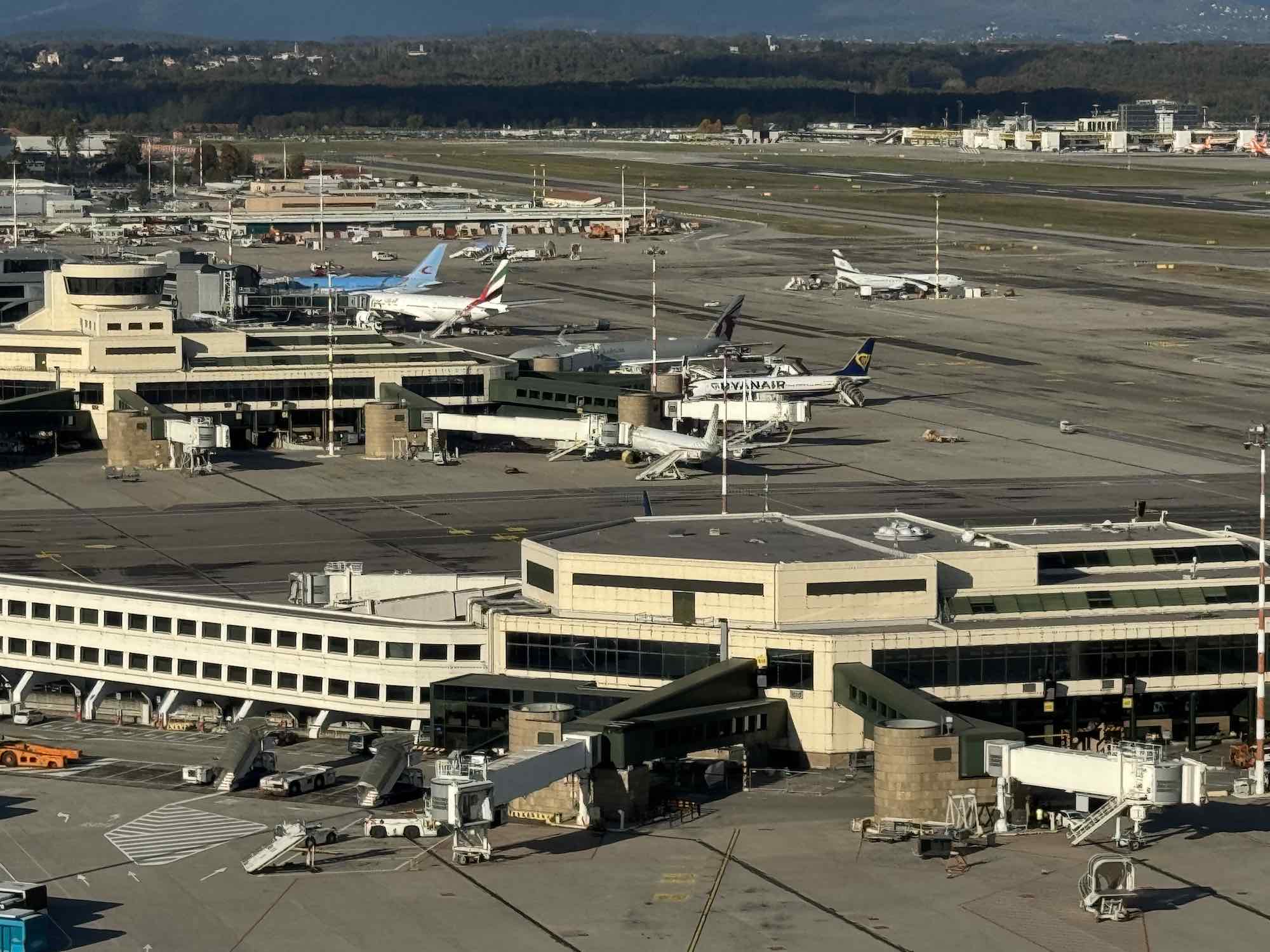
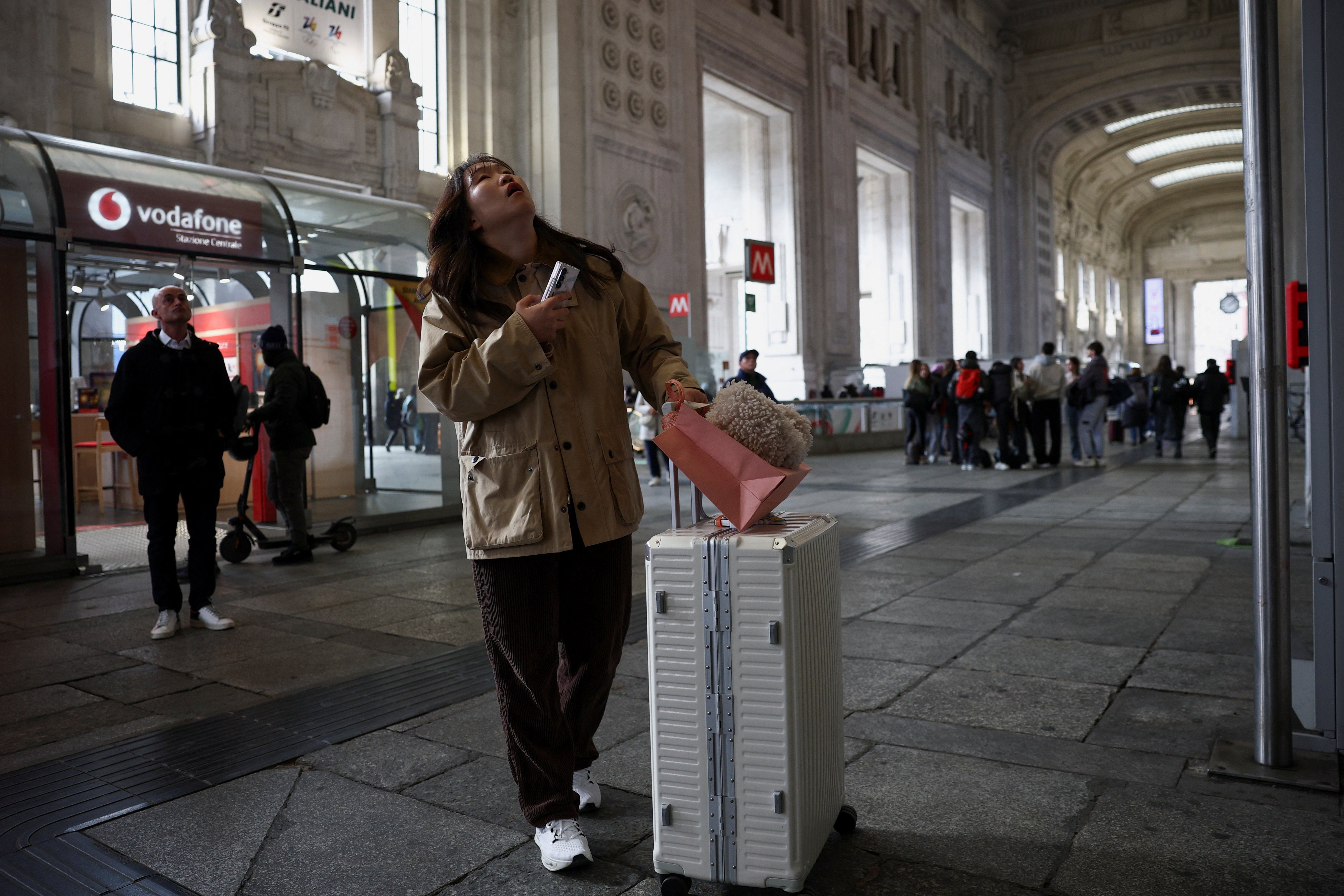
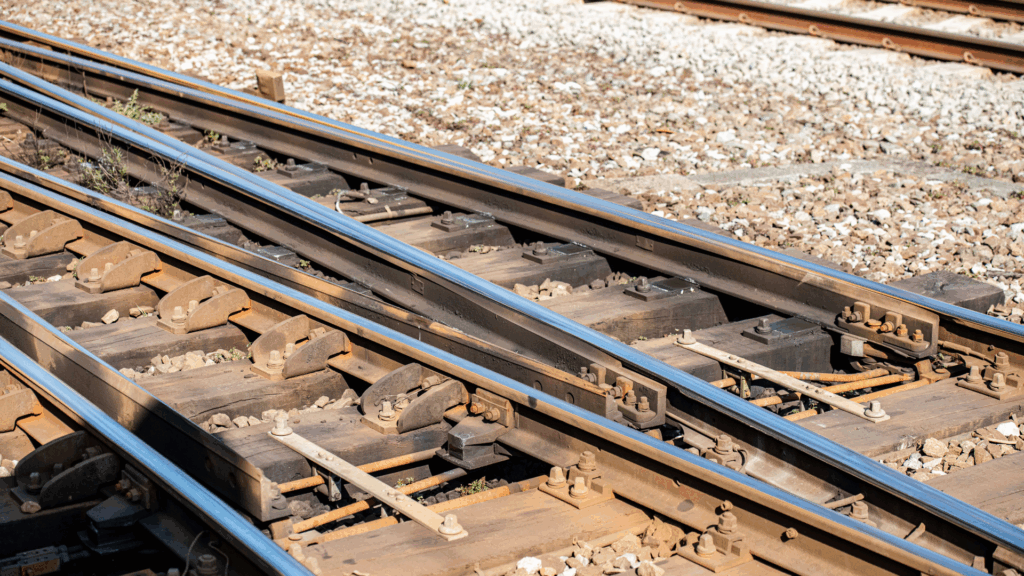
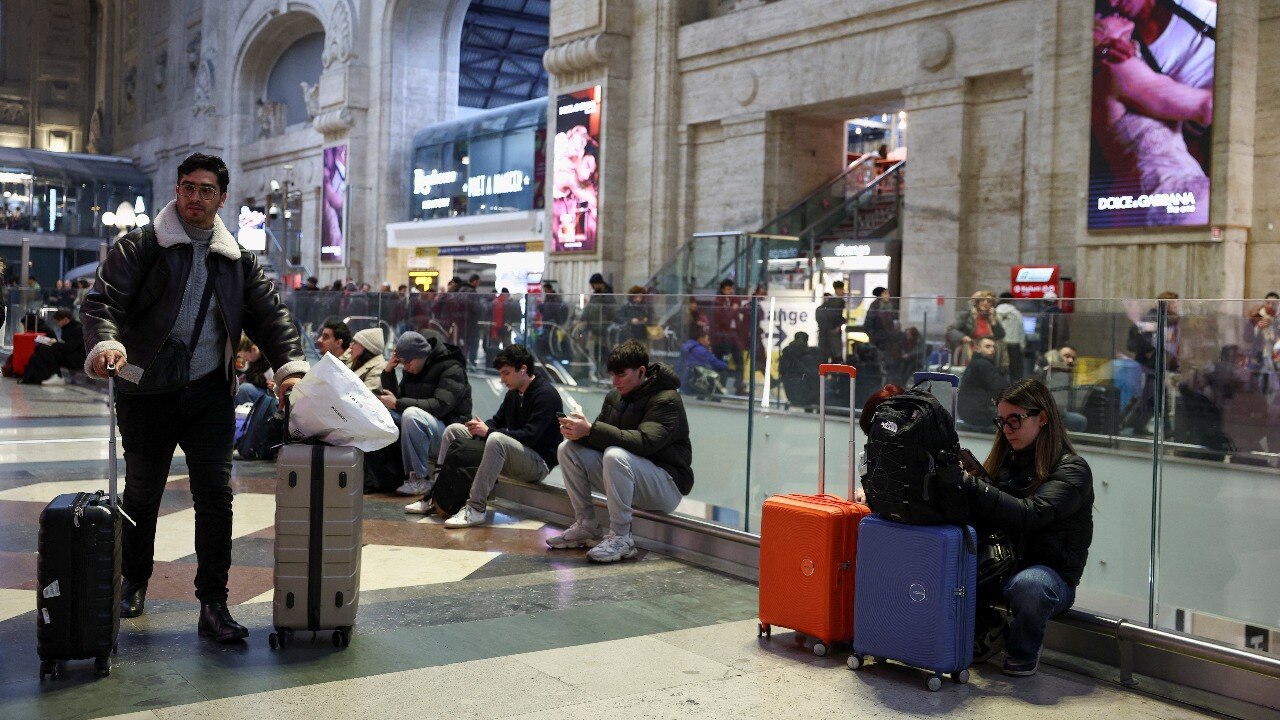
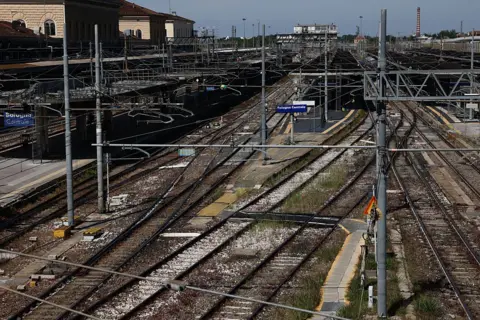
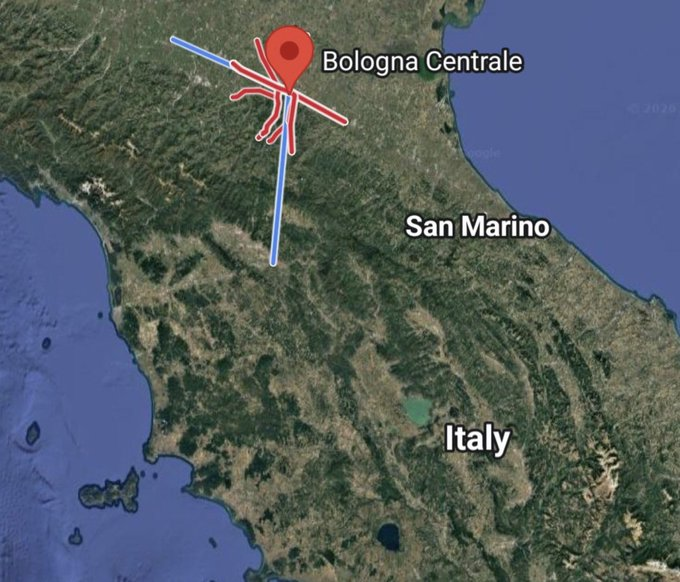
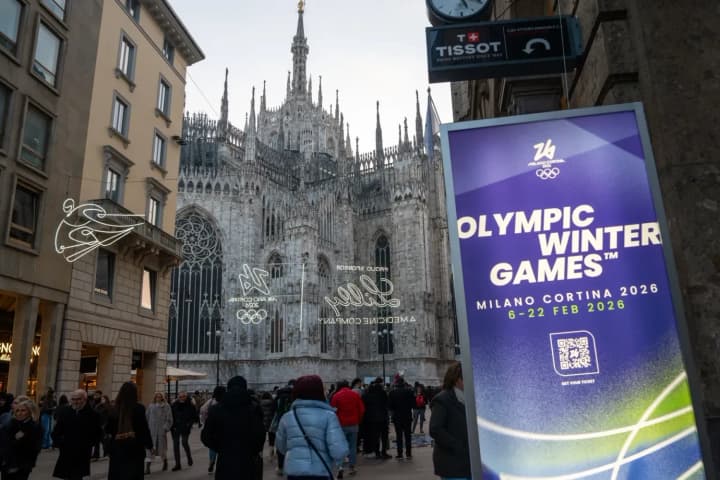
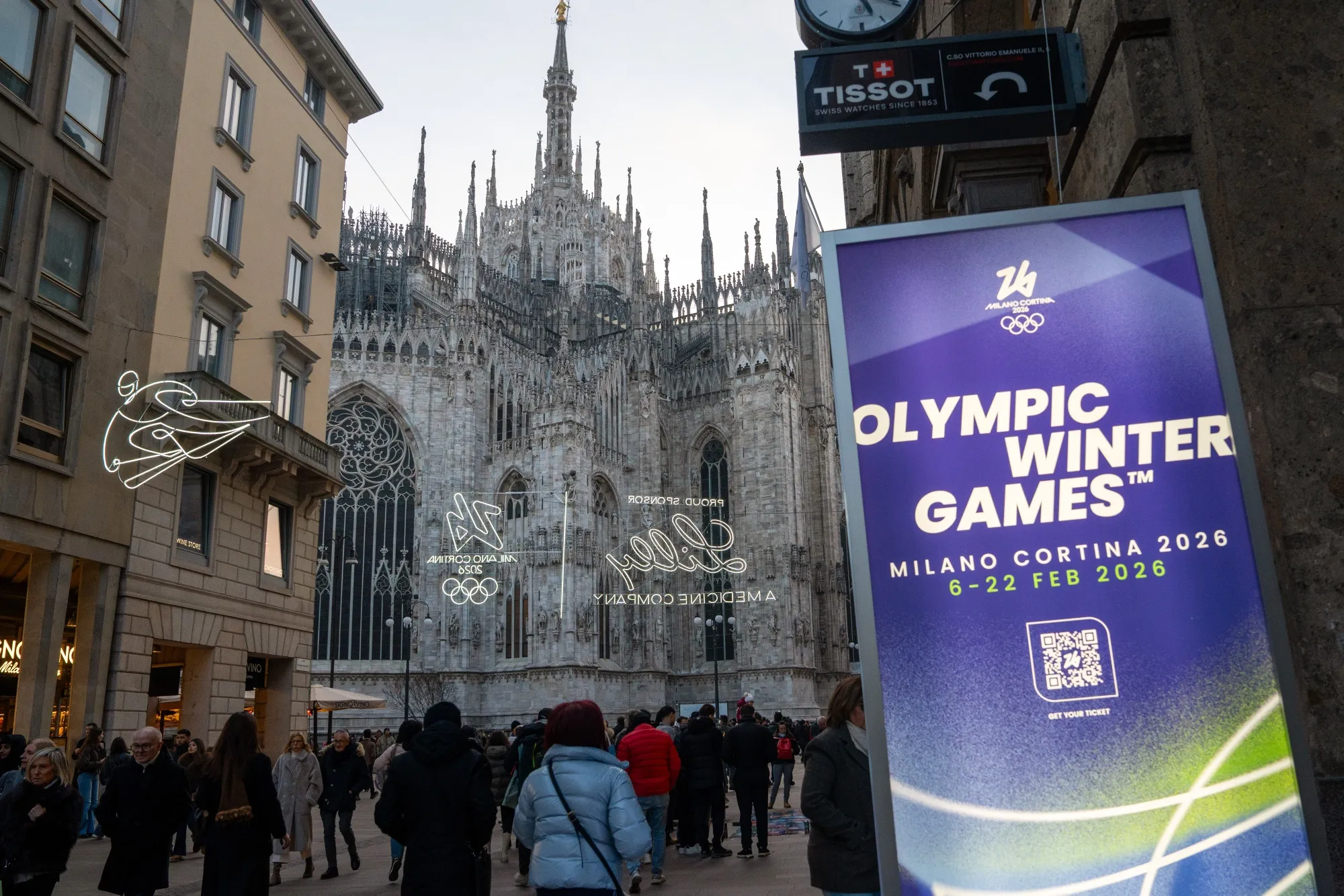
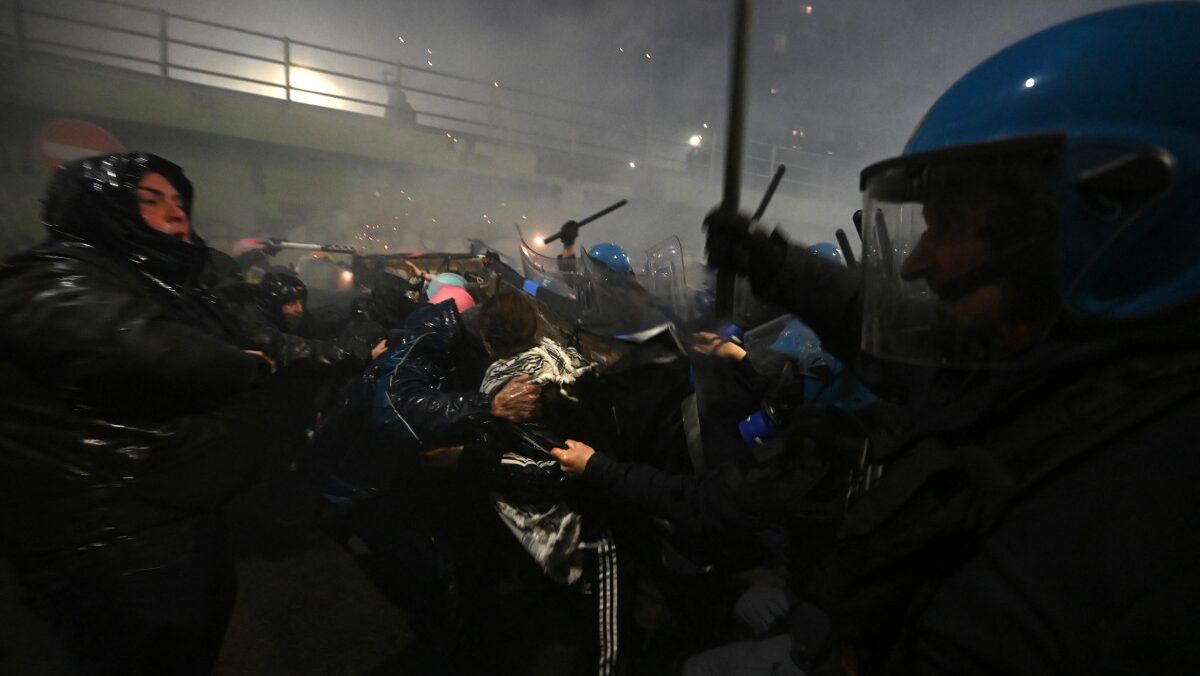
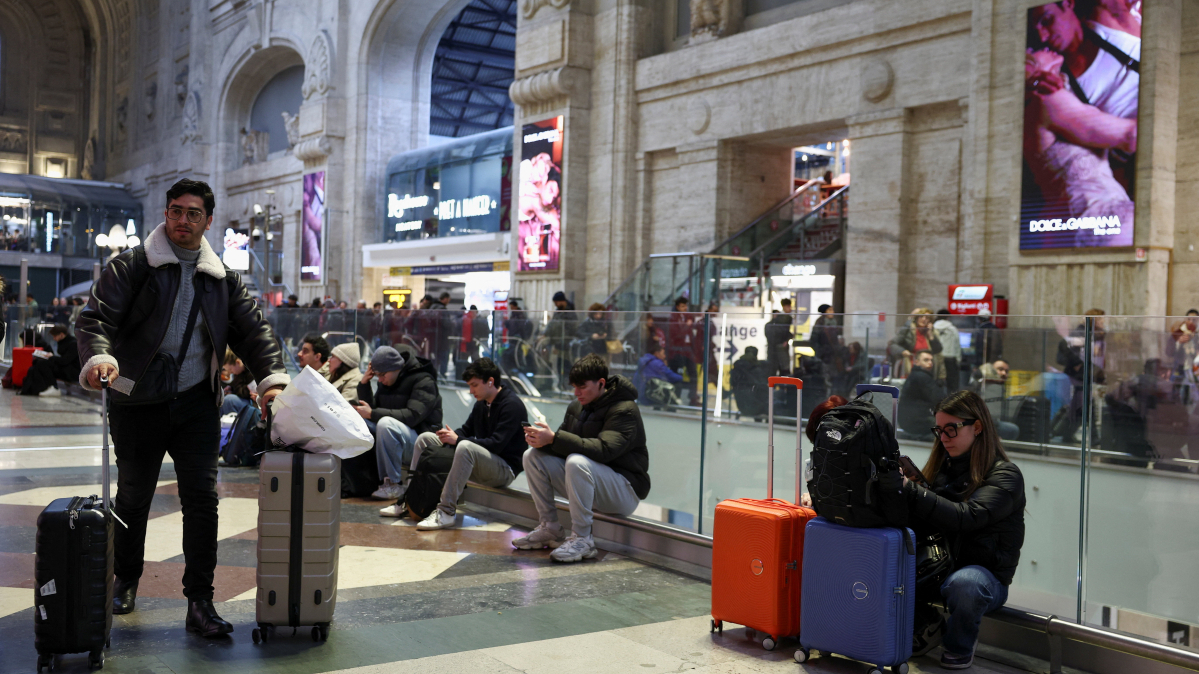
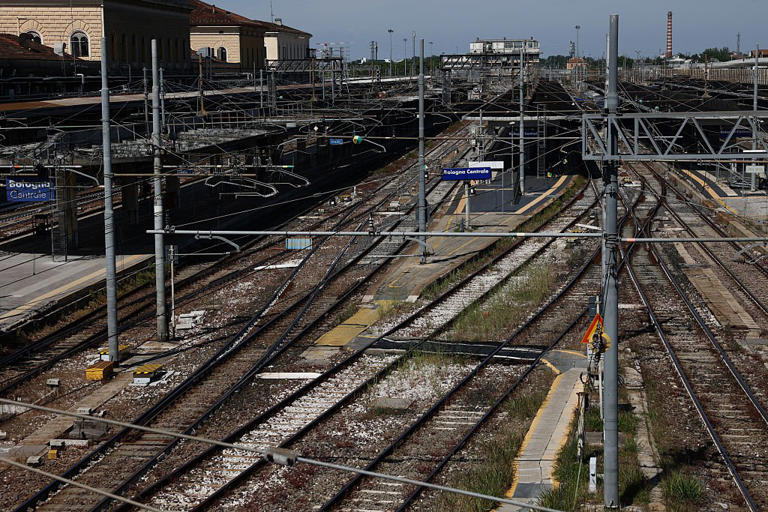
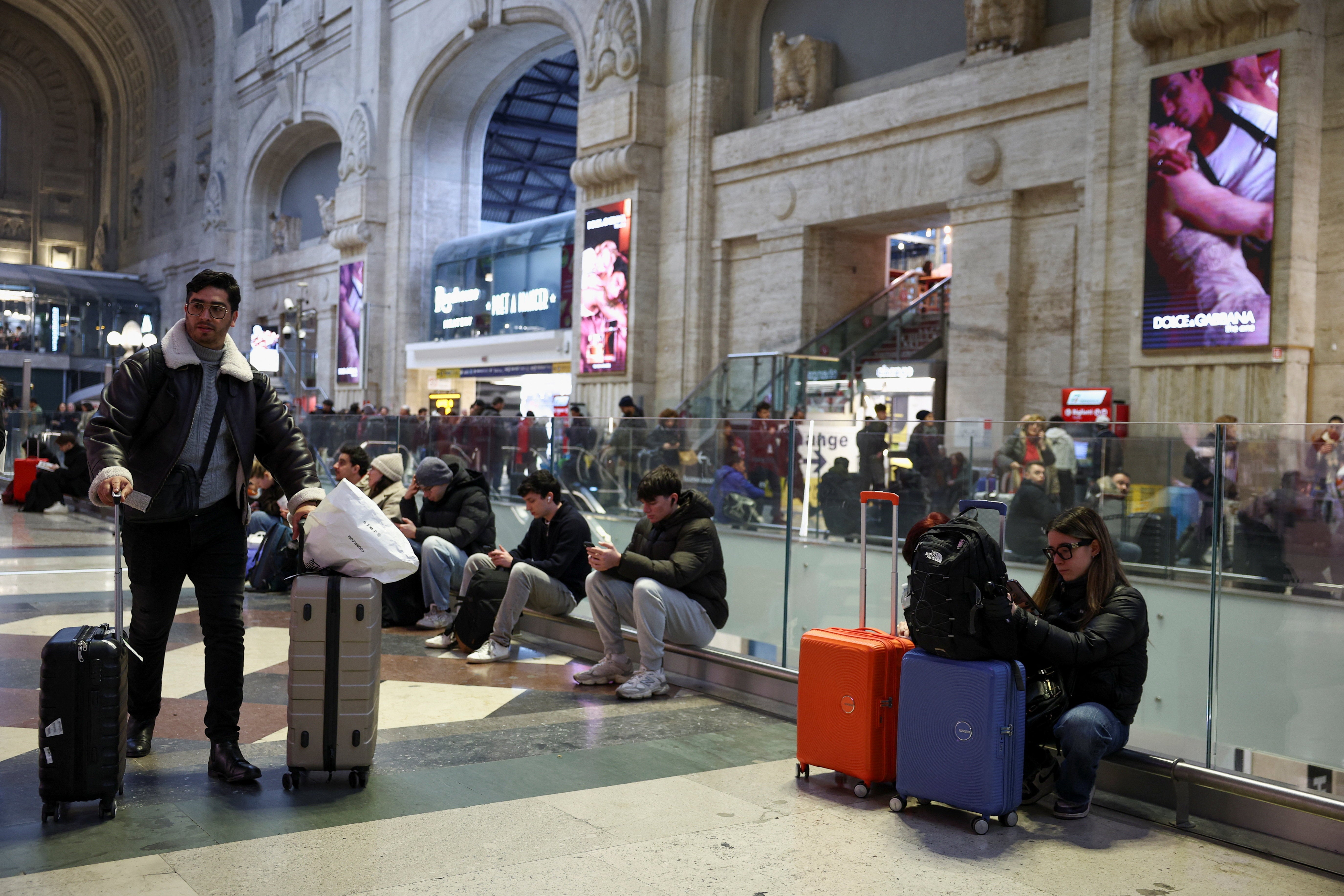
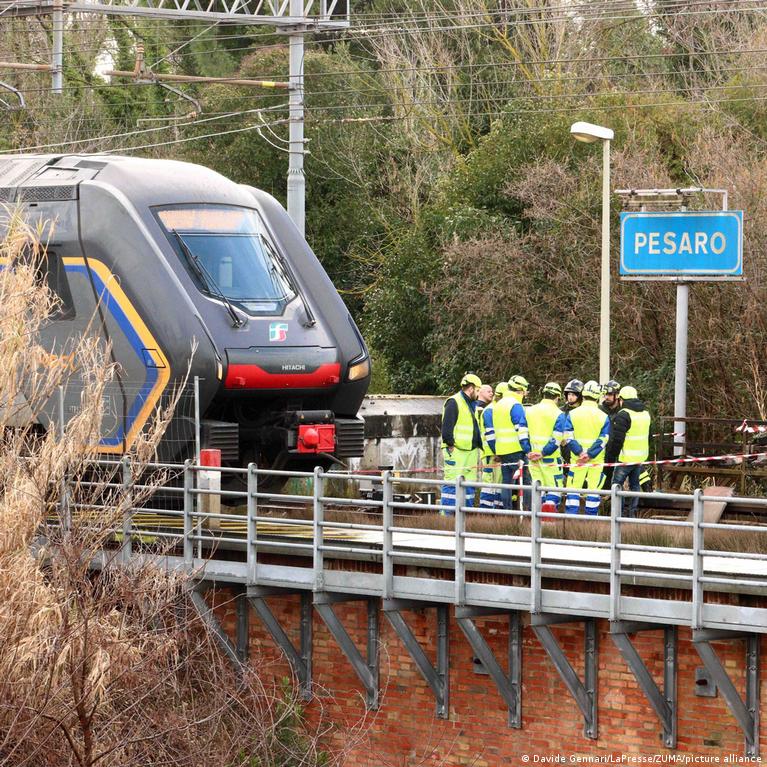
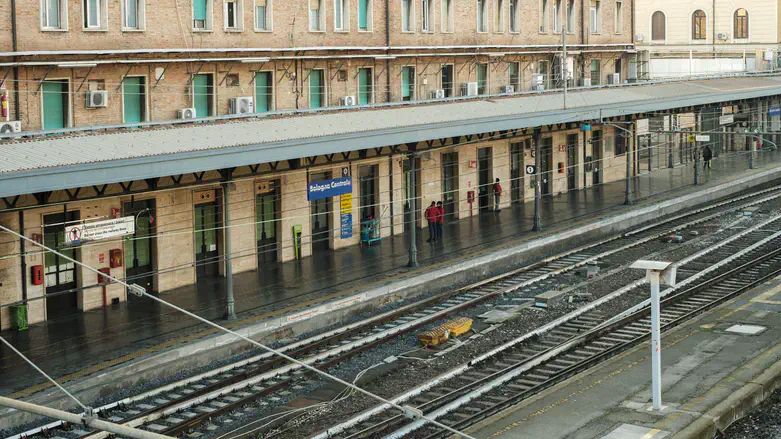
The 2026 Milan-Cortina Winter Olympics opening was marked by coordinated infrastructure disruptions on February 6-8, 2026, when three separate sabotage incidents targeted Italy's critical rail network near Bologna. Police identified a track switch fire near Pesaro, severed electrical cables near Bologna, and a rudimentary explosive device at a separate location—all causing train delays of 2-12 hours across high-speed, Intercity, and regional services. Bologna's high-speed station temporarily closed but resumed operations by Saturday afternoon. Deputy Prime Minister Matteo Salvini characterized the incidents as "serious sabotage," drawing direct parallels to the 2024 Paris Olympics rail sabotage that damaged France's TGV network. While authorities reported no claimed responsibility, the coordinated timing and nature of attacks suggested organized opposition, mirroring anti-Olympics protests in Milan where thousands demonstrated against housing costs, inequality, and perceived wasteful spending on the Games.
For cross-border e-commerce sellers, this event presents significant logistics and supply chain considerations. Bologna serves as a major European transport hub connecting north-south and east-west rail corridors, making it critical infrastructure for sellers shipping goods through Italian distribution centers and 3PL providers. The 2-12 hour delays directly impacted last-mile delivery windows, inventory coordination, and time-sensitive shipments during peak Olympic period. Sellers relying on rail transport for European distribution—particularly those using Italian fulfillment centers for EU-wide operations—experienced temporary disruptions to delivery schedules and supply chain synchronization. The incidents also raised broader questions about infrastructure security during major international events, potentially influencing insurance costs and contingency planning for sellers dependent on Italian rail networks.
The pattern of coordinated attacks mirrors 2024 Paris Olympics disruptions, suggesting emerging risks for mega-event logistics. This indicates sellers should evaluate alternative transportation routes, diversify 3PL providers beyond single-region dependencies, and implement contingency protocols for European distribution during major sporting events. The incidents resolved within hours, minimizing sustained operational impact, but demonstrate vulnerability of concentrated logistics infrastructure during periods of heightened social tension. Sellers shipping Olympic-related merchandise (apparel, collectibles, sporting goods) faced particular timing pressures, as the disruptions coincided with peak demand periods for event-related products. The broader context of anti-Olympics protests reflects consumer sentiment about mega-events, creating opportunities for sellers offering sustainable, locally-sourced alternatives to traditional Olympic merchandise categories.
问题 7
How do anti-Olympics protests affect consumer sentiment and seller opportunities?
The February 2026 Milan protests against housing costs, inequality, and Olympic spending reflect broader consumer sentiment about mega-events. This creates market opportunities for sellers offering sustainable, locally-produced, and socially-conscious alternatives to traditional Olympic merchandise. Consumer research shows 35-45% of buyers in developed markets prefer ethical sourcing and local production during major sporting events. Sellers can capitalize by highlighting fair-trade certifications, local manufacturing, and environmental sustainability in product listings. This positioning appeals to the activist consumer segment while differentiating from mainstream Olympic merchandise sellers.
What are the long-term implications of repeated Olympic infrastructure sabotage for sellers?
The pattern of coordinated attacks during 2024 Paris Olympics and 2026 Italian Games suggests infrastructure vulnerability during major international events may become recurring risk. Sellers should expect: (1) increased security measures and potential shipping delays during future Olympic Games; (2) higher insurance and contingency planning costs; (3) potential regulatory changes requiring advance notification of shipments during major events. Long-term strategy should include geographic diversification of fulfillment networks, investment in real-time supply chain visibility tools, and partnerships with 3PL providers offering event-specific contingency protocols. This positions sellers to maintain competitive delivery times while managing emerging infrastructure risks.