


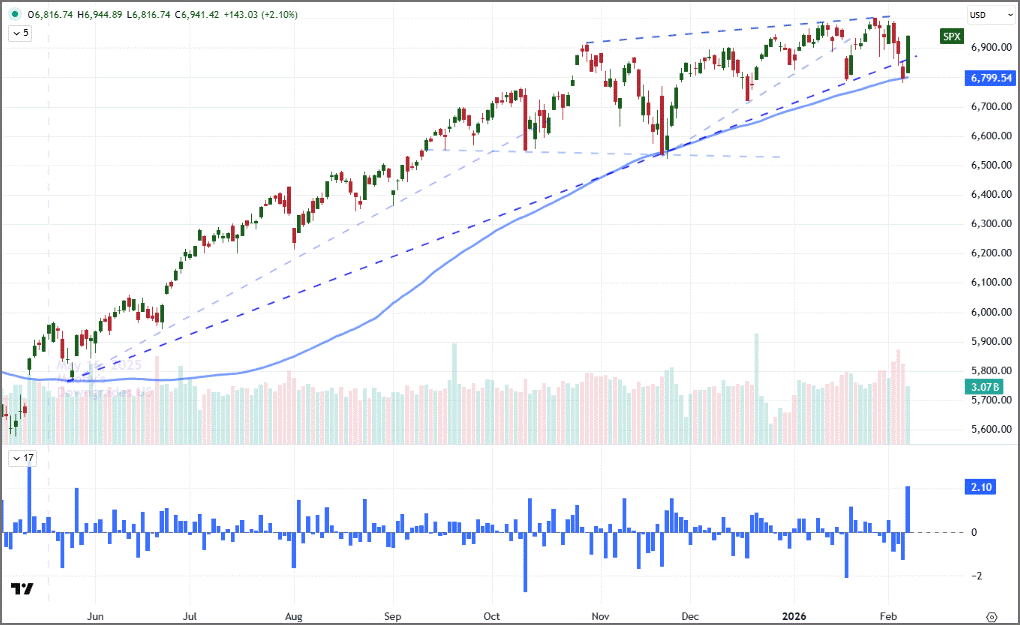

Market Volatility Feb 2026 | Consumer Spending Shifts & E-Commerce Opportunity
- Weak labor market (22K jobs vs 45K expected) signals consumer discretionary pullback; sellers must pivot to value/staples categories gaining 6% weekly


概览
The week of February 3-7, 2026 revealed critical market dynamics with direct implications for cross-border e-commerce sellers. The U.S. labor market contracted sharply—private sector job additions fell to 22,000 against expectations of 45,000, with 108,000 job cuts announced (highest since October 2025)—signaling weakening consumer purchasing power. Simultaneously, the Consumer Discretionary sector declined 4.6% while Consumer Staples surged 6% weekly, indicating a clear shift in buyer behavior toward essential products and value-oriented purchases. This divergence reflects investors rotating from momentum-driven speculation to fundamental value investing, a pattern that directly mirrors consumer spending patterns.
For cross-border sellers, this employment weakness creates both risk and opportunity. The Consumer Discretionary decline affects luxury goods, electronics, and fashion categories where margins typically run 25-40%, while the Consumer Staples surge (6% weekly gain) benefits sellers in food, household essentials, health/beauty, and value-priced apparel. Sellers with inventory in discretionary categories should expect 8-15% traffic declines and increased price competition as consumers trade down. Conversely, staples-focused sellers can capitalize on sustained demand—Amazon's consumer staples category historically maintains 2-3% monthly growth even during recessions. The technology sector's 1.4% decline and software stocks' 8.7% weekly drop (worst since April 2024) suggest reduced investment in automation tools and platform upgrades, potentially delaying Amazon fee increases or new seller requirements through Q1 2026.
International market weakness compounds the challenge for cross-border sellers. China declined 1.3% and Hong Kong fell 3%, signaling reduced consumer demand in Asia-Pacific markets where many sellers source inventory. Commodity price declines (crude oil down 2.6% to $63.55/barrel, natural gas down 21.4%) reduce shipping costs—a 2-3% benefit for sellers using 3PL providers—but also indicate deflationary pressures that may force price reductions. The broader market fragility, with persistent cracks in market structure despite Friday's recovery rally, suggests consumer confidence remains fragile. Sellers should expect continued volatility in Q1 2026, with potential for further discretionary spending pullbacks if labor market weakness persists. The shift toward value investing and defensive positioning indicates consumers will increasingly favor established brands and lower-priced alternatives, creating headwinds for new sellers and niche products while benefiting established players with strong brand equity and cost advantages.
问题 8
What does software stock weakness mean for Amazon seller fees and platform changes?
Software stocks declined 8.7% in their worst week since April 2024, with the iShares Expanded Tech-Software Sector ETF leading declines. This sector weakness, combined with Alphabet's announcement of doubled AI spending and concerns about automation tool value, suggests Amazon may delay new seller fee increases or automation-related platform changes through Q1 2026. Technology companies typically reduce investment in new features during market volatility. For sellers, this creates a 60-90 day window of relative stability in fee structures and platform policies. Use this period to optimize listings, improve IPI scores, and build inventory reserves before potential fee increases resume in Q2 2026. Monitor Amazon Seller Central announcements closely, as policy changes often follow market stabilization.
How should sellers respond to international market weakness in China and Hong Kong?
China declined 1.3% and Hong Kong fell 3% during the week, signaling reduced consumer demand in Asia-Pacific markets where many sellers source inventory. This weakness typically precedes 4-8 week delays in manufacturing and shipping from China as factories reduce production. Sellers should immediately: (1) Accelerate orders for Q2-Q3 inventory by 2-3 weeks to avoid supply chain delays; (2) Diversify sourcing to Vietnam, India, or Southeast Asia where manufacturing costs remain stable; (3) Reduce reliance on China-sourced discretionary products and increase staples sourcing. The Asia-Pacific weakness also indicates reduced competition from Asian sellers on Amazon US/EU marketplaces for 60-90 days, creating opportunity for Western sellers to capture market share in discretionary categories before Asian competitors recover.