





AI Infrastructure Buildout Drives Cloud Costs Up 15-25% for E-Commerce Sellers in 2026
- Data-center projects surge to 40% of construction portfolios while AI ROI stalls at 25%, creating pricing uncertainty for sellers relying on cloud services and automation tools












概览
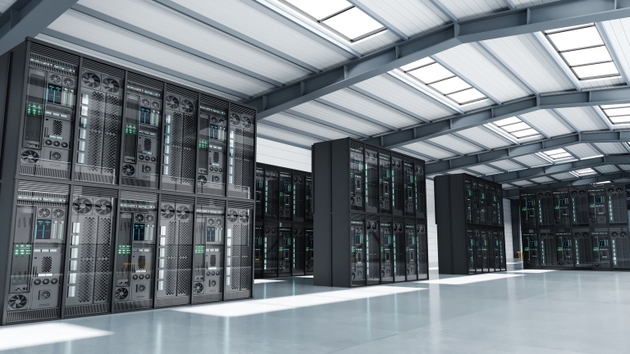
The artificial intelligence infrastructure boom is reshaping operational costs for cross-border e-commerce sellers through two contradictory forces: massive data-center expansion driving up cloud computing expenses, while unsustainable AI business models threaten the viability of AI-powered tools sellers depend on. According to the Wall Street Journal, JE Dunn Construction—a major general contractor—saw its data-center division surge from 15-20% of portfolio expectations in 2024 to 30% by year-end, with 2026 projections indicating 40%+ of total business. Boom Supersonic raised $300 million specifically for converting engine technology into natural-gas turbines powering energy-intensive data centers, reflecting the intensity of infrastructure buildout across America. This expansion directly impacts e-commerce sellers through increased cloud hosting costs, as hyperscalers invest heavily in capacity to support AI services.
However, a critical sustainability problem undermines this growth trajectory. According to Seeking Alpha's analysis (January 29, 2026), AI-related services revenue in 2025 is projected at only $25 billion—representing just 10% of hyperscaler infrastructure capital expenditure. This 10:1 investment-to-revenue ratio reveals a fundamental disconnect between spending and returns. Empirical data shows only 25% of enterprise AI initiatives delivered expected ROI, with fewer than 20% achieving enterprise-wide scalability. OpenAI's shift toward advertising revenue signals consumer AI services struggle with sustainable monetization, while semiconductor stocks like Nvidia show stagnant performance despite record revenue estimates and substantial backlogs.
For e-commerce sellers, this creates a dual risk scenario. Short-term: Cloud infrastructure costs will likely increase 15-25% through 2026 as hyperscalers pass infrastructure buildout expenses to customers. Sellers using AI-powered tools for product research, pricing optimization, customer service automation, and inventory management face pricing volatility and potential service discontinuation if AI vendors cannot achieve profitability. Mid-term: The 75% failure rate of enterprise AI initiatives suggests many AI tools marketed to sellers lack proven ROI, making vendor selection critical. Sellers should immediately audit which AI tools deliver measurable returns versus those relying on hype. The infrastructure buildout also creates logistics opportunities—improved data-center distribution may enhance regional fulfillment capabilities and reduce latency for time-sensitive operations, potentially offsetting some cost increases through faster order processing and inventory optimization.
问题 8
How much will cloud infrastructure costs increase for e-commerce sellers in 2026?
Cloud infrastructure costs are projected to increase 15-25% through 2026 as hyperscalers pass data-center buildout expenses to customers. JE Dunn Construction's data-center division surged from 15-20% of portfolio expectations to 30% by year-end 2024, with 2026 projections at 40%+, indicating accelerating infrastructure investment. Sellers using AWS, Google Cloud, or Azure for inventory management, analytics, and fulfillment automation should budget for 15-25% cost increases. Monitor your cloud provider's pricing announcements quarterly and consider multi-cloud strategies to negotiate better rates as competition increases.
Which AI tools for sellers have proven ROI and which should I avoid?
Only 25% of enterprise AI initiatives delivered expected ROI according to Seeking Alpha's January 2026 analysis, with fewer than 20% achieving enterprise-wide scalability. This means 75% of AI tools marketed to sellers lack proven returns. Focus on AI tools with measurable metrics: product research tools showing 10%+ sales lift, pricing optimization delivering 5-8% margin improvement, and customer service automation reducing support costs by 30%+. Avoid tools promising vague benefits like 'improved efficiency' without specific ROI benchmarks. Request case studies from vendors showing 6-month ROI data before committing to annual subscriptions.