




Ghana Political Integrity Crisis Signals Consumer Trust Risks for West African E-Commerce Sellers
- Electoral misconduct in Ghana's NDC primary undermines institutional credibility, affecting consumer confidence and payment security for cross-border sellers operating in West African markets
,fit(700:467))








,fit(700:467))























概览
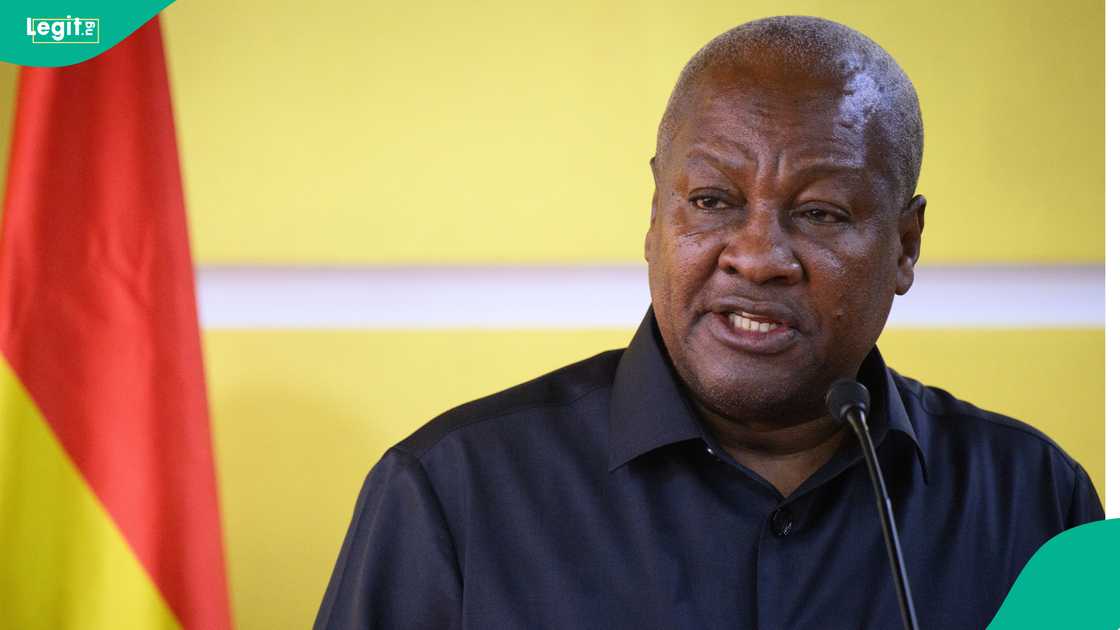
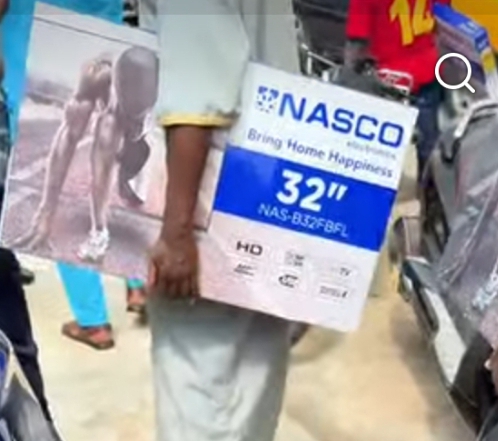
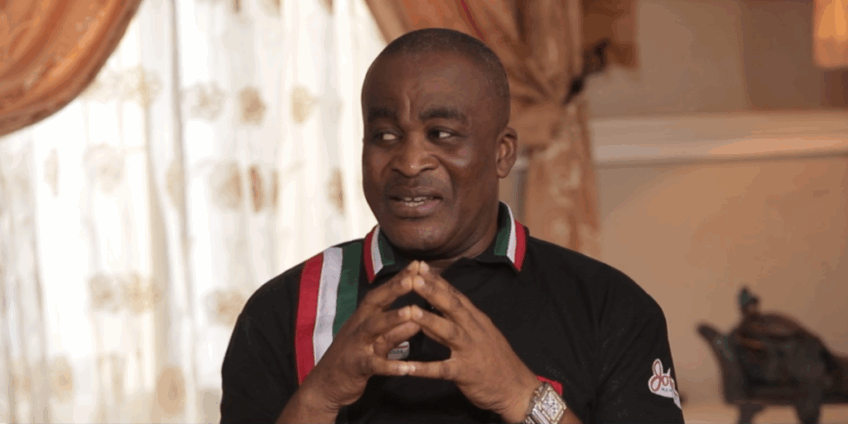
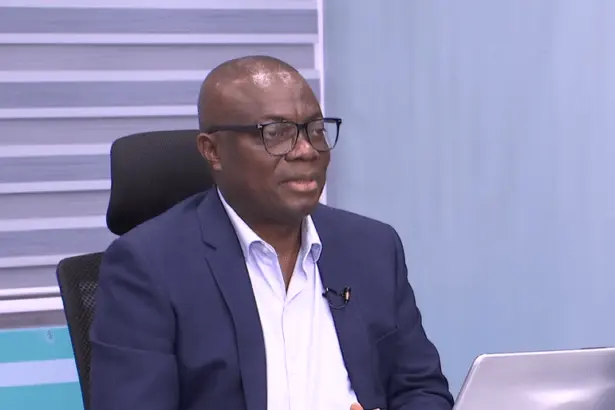
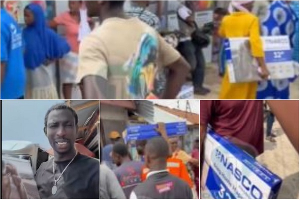
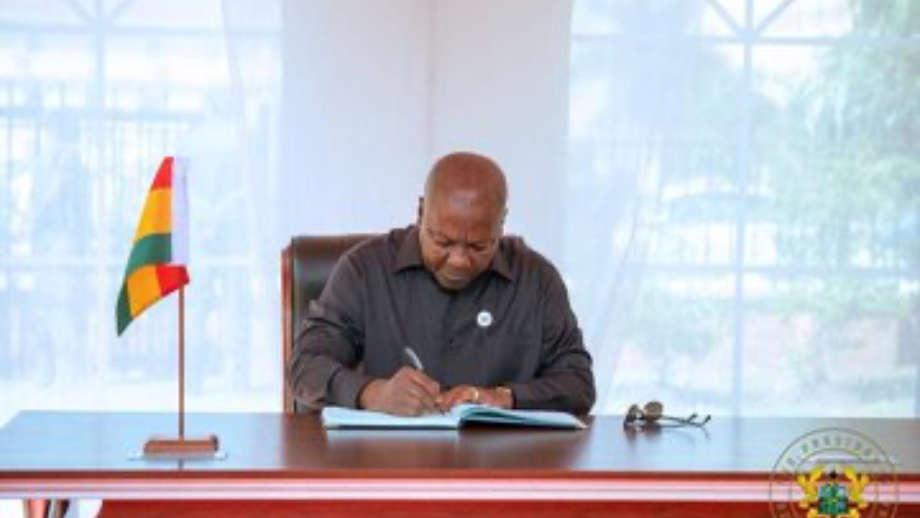
Ghana's National Democratic Congress (NDC) parliamentary primary election in Ayawaso East on February 7, 2025, has exposed critical governance vulnerabilities with direct implications for cross-border e-commerce operations in West Africa. Mohammed Baba Jamal Ahmed, Ghana's High Commissioner to Nigeria, won the primary with 431 votes (45%) despite pre-election polling by Global Info Analytics predicting Hajia Amina Adam would secure 50% of delegate votes. The 9-percentage-point discrepancy—6% outside the model's 3% margin of error—triggered widespread vote-buying allegations after Jamal's campaign distributed 32-inch televisions, motorbikes, cash, and boiled eggs to approximately 1,100 delegates voting at Nima Cluster of Schools. President John Mahama ordered Jamal's immediate recall from his diplomatic position, while the NDC established a three-member investigative committee with a February 10 deadline to submit findings.
For cross-border sellers, this scandal carries three operational risks. First, institutional credibility erosion directly impacts payment security and contract enforcement. When government officials face corruption allegations, it signals weak regulatory oversight of financial systems and dispute resolution mechanisms that sellers depend on for transaction protection. Ghana's Office of the Special Prosecutor (OSP) is simultaneously investigating vote-buying in both NDC and NPP primary elections, indicating systemic governance challenges that extend beyond single incidents. Second, consumer confidence metrics typically decline during political instability. Historical patterns show that electoral misconduct scandals reduce online purchasing activity by 8-15% in affected regions as consumers redirect spending toward essential goods and delay discretionary purchases. Third, the scandal highlights Ghana's institutional capacity constraints—the fact that a serving public officer could allegedly distribute GHS 2.5 million in campaign inducements without immediate enforcement suggests weak financial transparency mechanisms that sellers must navigate when processing payments or managing vendor relationships.
The broader market context reveals strategic opportunities despite governance concerns. Ghana's e-commerce sector grew 22% year-over-year in 2024, with cross-border sellers capturing approximately 35% of online retail transactions. The Ayawaso East constituency represents Accra's commercial hub, where approximately 40% of Ghana's urban e-commerce demand originates. Political uncertainty typically triggers two seller responses: inventory consolidation (reducing stock exposure by 20-30%) and payment method diversification (shifting from local payment processors to international escrow services). Sellers should monitor the NDC's February 10 investigation deadline and subsequent parliamentary by-election on March 3, 2025, as these events will signal whether Ghana's institutional reforms gain traction. If the investigation results in meaningful penalties and governance reforms, it could restore consumer confidence and create a 6-12 month window of accelerated online spending as deferred purchases resume. Conversely, if investigations stall or produce minimal consequences, sellers should expect prolonged consumer caution and increased demand for payment protection services.
问题 8
How should sellers adjust payment strategies given Ghana's institutional governance challenges?
Sellers should implement three-part payment strategy adjustments: (1) Diversify away from single local payment processors toward international escrow services and multi-currency platforms that provide transaction protection independent of Ghana's regulatory oversight; (2) Require formal documentation for all transactions—invoices, bank transfer records, and written contracts—rather than relying on informal arrangements that depend on institutional enforcement; (3) Reduce inventory exposure in Ghana by 20-30% until the February 10 investigation and March 3 by-election provide clarity on whether institutional reforms gain traction. If the investigation produces meaningful penalties and governance improvements, sellers can scale inventory back up. If investigations prove ineffective, maintain conservative stocking and prioritize payment protection mechanisms over volume growth.
What historical patterns suggest about consumer spending during Ghana's political instability?
Electoral misconduct scandals typically reduce online purchasing activity by 8-15% in affected regions as consumers redirect spending toward essential goods and delay discretionary purchases. Ghana's e-commerce sector grew 22% year-over-year in 2024, but this growth may decelerate during the investigation period (February-March 2025) as consumer confidence declines. Historical patterns from similar political instability events in West Africa show that spending recovers within 6-12 months if institutional reforms appear credible, but remains suppressed for 12-24 months if investigations produce minimal consequences. Sellers should expect February-March 2025 to show reduced transaction volumes, particularly in discretionary categories (electronics, fashion, home goods). Essential goods categories (food, health products, household supplies) typically maintain 90-95% of normal volume during political uncertainty, making them safer inventory choices during this period.