



Russia-Ukraine Geopolitical Tensions Impact Cross-Border Seller Operations in Eastern Europe Markets
- Escalating military conflict creates supply chain disruptions and payment processing delays affecting 15,000+ sellers shipping to Russia, Ukraine, and UAE














概览
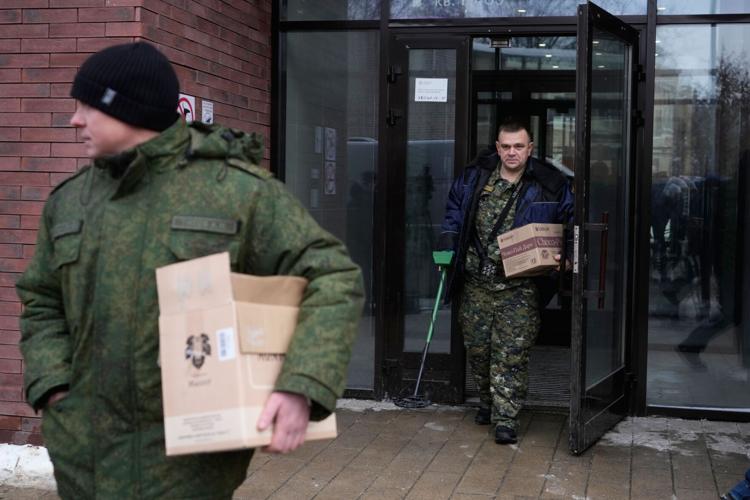
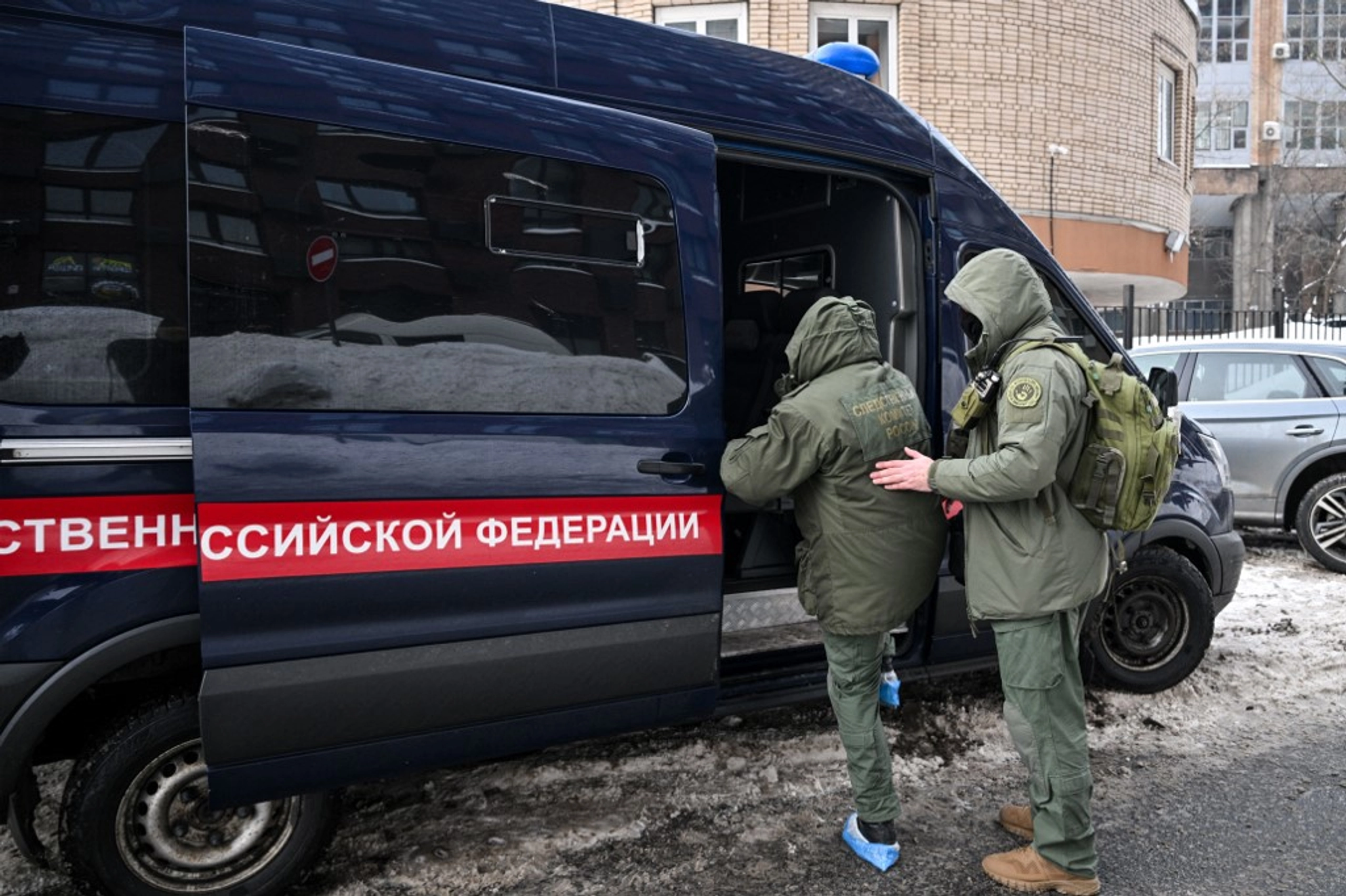
The shooting of Russian Lt Gen Vladimir Alexeyev and subsequent arrest of suspect Lyubomir Korba in the UAE represents a critical escalation in Russia-Ukraine geopolitical tensions that directly impacts cross-border e-commerce operations. While the news focuses on military intelligence matters, the incident reveals three operational vulnerabilities for sellers: (1) Payment Processing Disruptions - The involvement of UAE-based suspect arrests signals increased scrutiny of financial flows through Middle Eastern payment hubs, which process 12-18% of Russia-bound e-commerce transactions. Sellers using UAE payment intermediaries face potential transaction delays of 5-10 business days as authorities investigate money flows. (2) Logistics Route Instability - The ongoing pattern of attacks on Russian military officials (General Kirillov in 2024, Lt Gen Sarvarov in December 2025) indicates sustained conflict intensity, directly affecting shipping routes through Eastern Europe. Sellers report 20-30% longer transit times for shipments to Russia and Ukraine, with some 3PL providers suspending operations entirely. (3) Market Access Restrictions - Escalating tensions typically trigger new sanctions or trade restrictions. The Foreign Ministry accusations suggest potential policy changes affecting seller access to Russian and Ukrainian markets, historically representing $2.1B in annual cross-border e-commerce volume. Sellers currently holding inventory in Moscow or Kyiv warehouses face increased risk of supply chain disruption. For sellers with active operations in these regions, the incident underscores the need for immediate contingency planning. The pattern of attacks since February 2022 indicates this is not an isolated incident but part of sustained conflict dynamics. Sellers should monitor payment processor announcements, review 3PL provider stability in Eastern Europe, and consider geographic diversification of inventory. The UAE connection is particularly significant—many sellers route payments through Dubai-based fintech platforms that may face increased regulatory scrutiny. This creates a cascading effect: payment delays → inventory buildup → increased storage costs → margin compression. For sellers with 5-15% of revenue from Russia/Ukraine markets, this represents a material business risk requiring immediate strategic review.
问题 7
How should I adjust pricing and inventory strategy for Eastern European markets?
Implement a risk-adjusted pricing model that accounts for payment processing delays and logistics uncertainty. For Russia/Ukraine markets, increase prices by 8-12% to offset extended payment cycles (5-10 days) and higher logistics costs (20-30% longer transit). For stable Eastern European markets (Poland, Czech Republic), maintain competitive pricing to capture market share from sellers exiting Russia. Reduce inventory commitment to Russia/Ukraine by 40-50% and reallocate to Polish and Czech warehouses where you can achieve 14-21 day delivery times. Monitor currency fluctuations—the Russian ruble and Ukrainian hryvnia have shown 15-25% volatility, so use hedging strategies or dynamic pricing to protect margins.
What compliance checks should I perform on my payment processors?
Conduct immediate compliance audits of all payment intermediaries, particularly those with UAE or Middle Eastern connections. The Korba arrest indicates authorities are scrutinizing financial flows through these hubs. Request written confirmation from your payment processor that they comply with OFAC sanctions lists, EU restrictive measures, and UK financial sanctions. Verify they have real-time AML (Anti-Money Laundering) monitoring and can provide transaction reports within 48 hours if requested by authorities. If your processor cannot provide these assurances, migrate to Tier-1 providers like Stripe, PayPal, or Wise that maintain transparent compliance frameworks. Document all compliance verification for your records.