


Portugal's Socialist Victory Signals EU Political Stability | Cross-Border Seller Market Confidence
- Socialist candidate Seguro wins 66% landslide; reduces political uncertainty for EU sellers targeting 11M Portuguese voters and booming tourism sector































概览
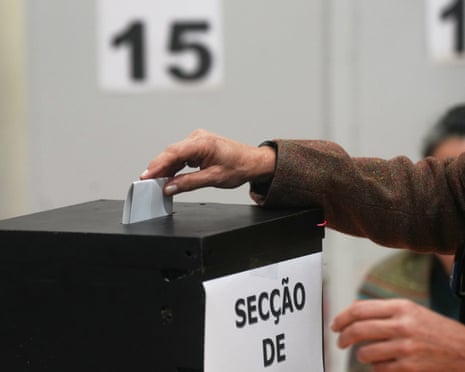
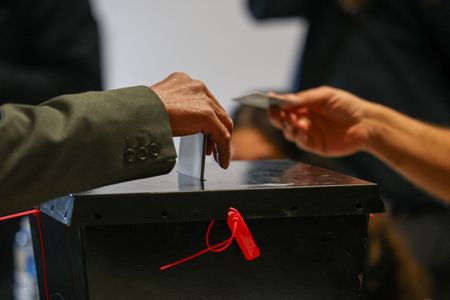
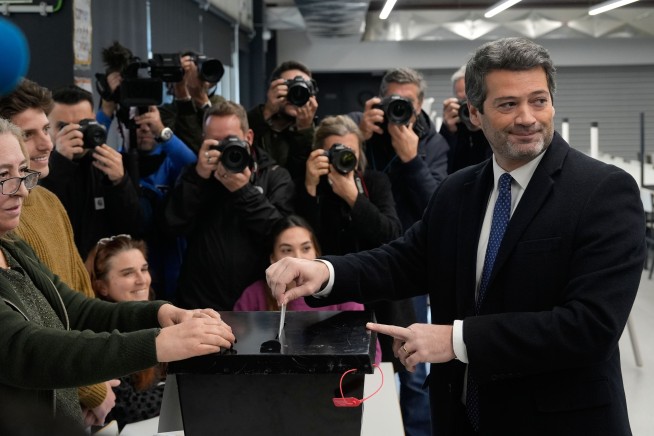
Portugal's February 8, 2026 presidential runoff delivered a decisive 66%-34% victory for Socialist candidate António José Seguro over far-right nationalist André Ventura, marking a critical stabilization moment for European political markets and cross-border e-commerce operations. This election outcome directly impacts seller confidence in the Portuguese market—a €4.2B e-commerce opportunity with 11 million eligible voters—by reducing regulatory uncertainty and signaling continued pro-business, EU-aligned governance under Seguro's presidency.
Market Stability Impact for Sellers: The landslide victory eliminates the risk of nationalist policy reversals that could have disrupted cross-border trade flows, VAT compliance frameworks, or immigration-dependent logistics networks. Ventura's Chega party, despite capturing 23.5% in the January first round and becoming Portugal's second-largest parliamentary force since May 2025, failed to translate populist momentum into electoral victory. This pattern mirrors broader European resistance to hard-right consolidation (contrasting with Italy's Meloni, France's National Rally, and Germany's AfD gains), suggesting Portugal remains a stable EU market for international sellers. The Socialist victory under Seguro—a former party leader with establishment backing from center-right figures like former president Cavaco Silva—indicates continuity in pro-EU trade policies, VAT harmonization compliance, and cross-border logistics infrastructure that sellers depend on.
Operational Implications for Cross-Border Sellers: The election occurred amid severe weather (€4 billion in damages, 7+ deaths), yet authorities proceeded with voting in 14 affected constituencies postponed by one week for 32,000 voters. This demonstrates institutional resilience and commitment to democratic processes—critical signals for sellers evaluating market stability. Seguro's presidency will maintain Portugal's role as a gateway to EU markets, with particular strength in tourism-related e-commerce (fashion, travel accessories, hospitality products) and foreign investment sectors. The political clarity reduces compliance risk for sellers managing VAT registration, customs documentation, and payment processing across Portuguese operations. Unlike scenarios where nationalist governments introduce protectionist tariffs or restrict foreign seller access, Seguro's pro-EU stance ensures continued participation in EU digital single market frameworks, cross-border payment systems, and harmonized consumer protection standards.
Seller Segment Opportunities: Small-to-medium sellers (SMEs) shipping to Portugal benefit from reduced political risk premiums in pricing and inventory planning. Tourism-dependent categories (luggage, travel guides, regional souvenirs, hospitality supplies) see improved demand forecasting given political stability. EU-based sellers can confidently expand Portuguese operations without hedging against sudden regulatory reversals. The 11 million Portuguese voters represent a concentrated, affluent demographic with high e-commerce adoption rates—particularly among younger voters and working-class populations that Ventura targeted but Seguro's coalition successfully retained through establishment unity.
问题 8
What does Seguro's establishment coalition tell sellers about future trade policy?
Seguro's victory was backed by center-right conservatives, including former president Cavaco Silva, and thousands of self-declared non-socialists who signed open letters supporting him. This broad establishment coalition signals commitment to pro-EU, pro-business policies rather than nationalist protectionism. For sellers, this means Portugal will likely maintain harmonized VAT compliance, cross-border payment system integration, and consumer protection standards aligned with EU directives. The coalition's unity against populism indicates low probability of sudden policy reversals that could disrupt logistics networks or create compliance complications. Sellers can plan long-term Portuguese operations with confidence in regulatory continuity.
How does Portugal's political direction compare to other European markets for seller risk assessment?
Portugal's Socialist victory contrasts with hard-right consolidation in Italy (Meloni), France (National Rally), and Germany (AfD), positioning it as a relatively stable EU market for cross-border sellers. While these countries face nationalist pressure on trade policy and foreign seller restrictions, Portugal's decisive rejection of Ventura signals continued pro-EU alignment. This comparative advantage makes Portugal attractive for sellers seeking EU market exposure without navigating protectionist policy environments. Sellers should weight Portugal's stability against higher-risk markets where populist governments introduce tariffs, restrict payment systems, or create compliance barriers for foreign sellers. The election outcome reinforces Portugal as a reliable EU market for long-term expansion strategies.