




Ghana Electoral Corruption Scandal Signals Market Risk for Consumer Electronics & Appliance Sellers
- Vote-buying investigation involving 32-inch TVs and motorcycles reveals West African consumer demand patterns; political instability threatens Ghana's $2.1B e-commerce market and seller payment security





,fit(700:467))





概览
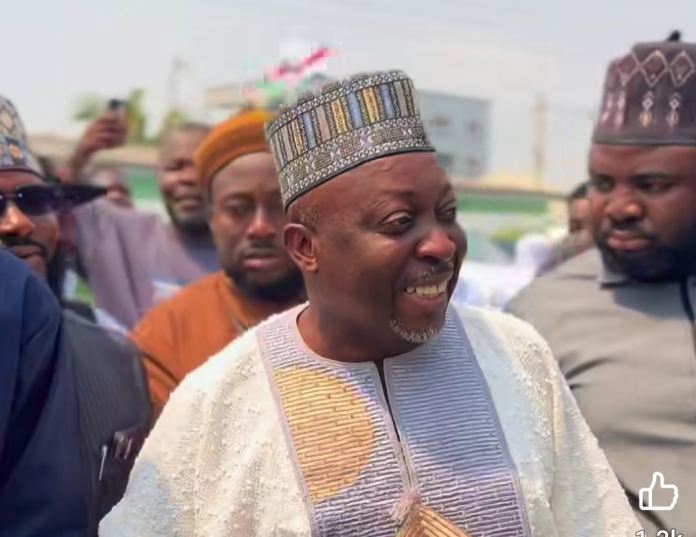
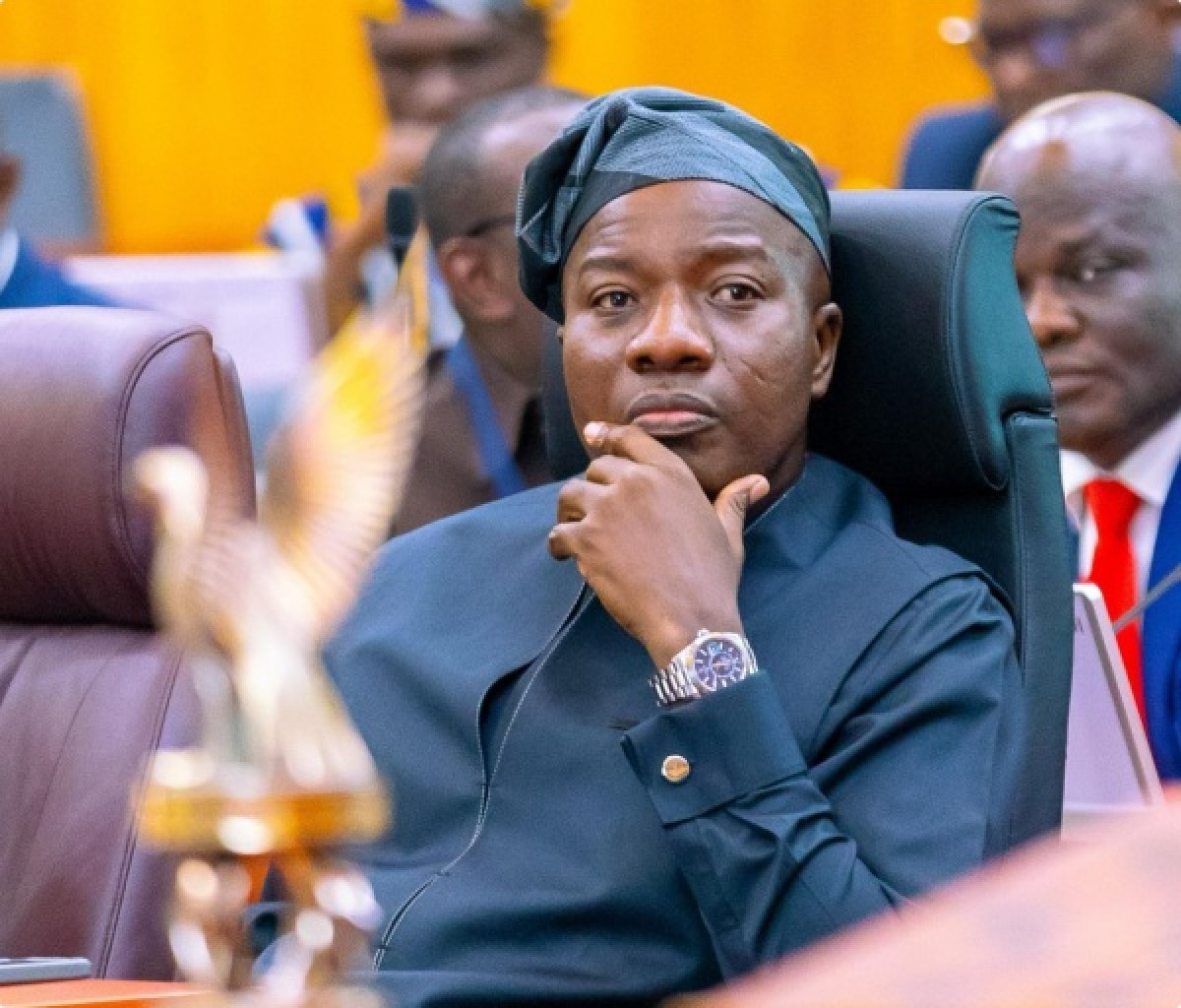
The National Democratic Congress (NDC) of Ghana's investigation into vote-buying allegations during the February 1, 2026 Ayawaso East parliamentary primaries reveals critical insights for cross-border sellers operating in West African markets. Parliamentary candidate Mohammed Baba Jamal Ahmed allegedly distributed 32-inch television sets, motorcycles, and cash to delegates—merchandise categories that directly indicate consumer purchasing power and product preferences in Ghana's emerging e-commerce ecosystem. The three-member investigative committee, chaired by Kofi Totobi Quakyi with a February 10, 2026 deadline, is examining inducement practices that influenced voting patterns, while Ghana's Office of the Special Prosecutor simultaneously probes both NPP and NDC primary irregularities.
For sellers, this scandal carries three critical implications: First, the specific products used as inducements (32-inch TVs, motorcycles, electrical appliances) demonstrate strong consumer demand in Ghana's middle-income segment—categories generating estimated $400-600M annually in West African cross-border sales. Second, political instability and corruption investigations create payment processing risks; sellers accepting Ghanaian payment methods face potential banking sector scrutiny and delayed settlements during regulatory crackdowns. Third, Ambassador Victor Smith's formal condemnation from Washington signals potential US diplomatic pressure on Ghana's governance, which could trigger stricter customs enforcement and compliance audits affecting import duties on consumer electronics.
The ambassador's statement emphasizes that vote-buying represents "corruption in its earliest form" and warns that corrupted mandates produce corrupted governance—a pattern that historically correlates with increased government procurement fraud, customs bribery, and regulatory unpredictability. When political systems normalize transactional inducements, subsequent administrations often implement sudden tariff increases or import restrictions to recover campaign costs. Ghana's consumer electronics category, which relies heavily on imported products from China, India, and Southeast Asia, faces elevated risk of sudden duty increases or import licensing changes if the investigation triggers broader anti-corruption reforms.
The investigation's scope—examining both major political parties' primary processes—suggests systemic governance challenges that could destabilize Ghana's business environment. Sellers with inventory in Ghana or payment exposure to Ghanaian buyers should monitor the February 10 deadline closely, as investigation findings may trigger regulatory changes affecting cross-border payment processing, customs clearance timelines, or import tariff classifications for consumer electronics and appliances.
问题 7
What timeline should sellers use to adjust Ghana market strategy based on the investigation findings?
The NDC committee's February 10, 2026 deadline creates three critical decision windows: (1) Pre-deadline (now through Feb 9): Reduce new inventory commitments to Ghana; shift focus to payment security and compliance documentation. (2) Post-announcement (Feb 10-28): Monitor Ghana Revenue Authority and Central Bank announcements for policy changes; adjust tariff assumptions and payment processing strategies. (3) Implementation phase (March-May): Implement new compliance procedures and payment methods based on announced reforms. Historically, electoral corruption investigations trigger policy changes within 30-60 days of findings release. Sellers should plan inventory and payment strategies with 60-day adjustment windows.
How might Ambassador Smith's condemnation of vote-buying affect US-Ghana trade relations and seller compliance?
Ambassador Smith's formal statement from Washington signals potential US diplomatic pressure on Ghana's governance standards, which historically triggers stricter customs enforcement and compliance audits. Sellers should expect: (1) Increased scrutiny of import documentation and product classification accuracy; (2) Potential enforcement of stricter anti-corruption compliance standards for payment processors; (3) Possible delays in customs clearance as Ghana implements anti-corruption reforms. The ambassador's emphasis on 'corrupted governance' producing 'corrupted procurement' suggests future administrations may implement sudden tariff increases to recover costs. Sellers should maintain detailed compliance documentation and consider compliance insurance for Ghana-bound shipments.