




Super Bowl Weekend Box Office Collapse | Entertainment Merchandise Opportunity for E-Commerce Sellers
- $60M box office revenue signals consumer spending shift; sellers can capitalize on $2.1B entertainment merchandise market during film release cycles







































概览
Super Bowl weekend 2025 delivered a stark lesson in consumer behavior volatility: theatrical box office revenues plummeted to approximately $60 million—a 20-29% decline from pre-pandemic Super Bowl weekend benchmarks of $75-85 million. This represents a critical market signal for cross-border e-commerce sellers monitoring consumer discretionary spending patterns. The data reveals that traditional entertainment consumption (theatrical releases) is experiencing structural headwinds, while simultaneously creating opportunities in adjacent e-commerce categories.
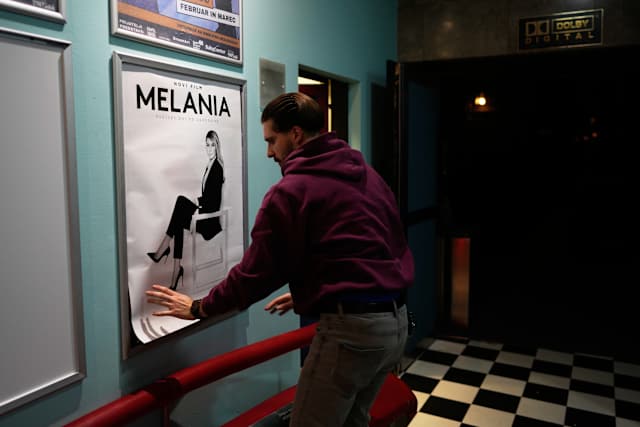
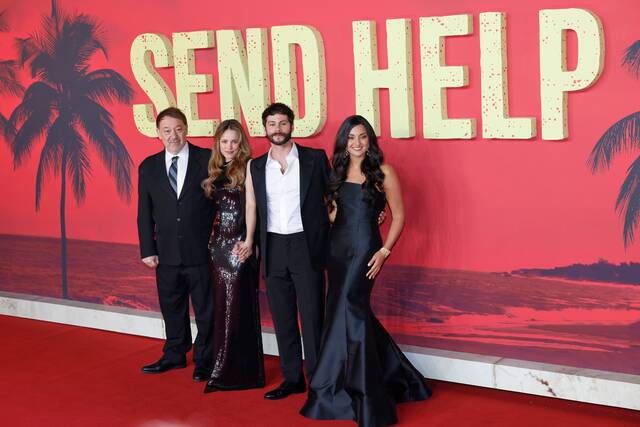
Key Market Indicators: The top 10 films collectively grossed $49.6 million, continuing a post-pandemic trend where Super Bowl weekend box office totals remain consistently below $50 million ($46-48M range). Sam Raimi's "Send Help" led with $10 million (second consecutive weekend), while the documentary "Melania"—backed by Amazon MGM's unprecedented $75 million investment ($40M acquisition + $35M marketing)—experienced a catastrophic 67% drop to ninth place. This signals that even major studio backing cannot overcome the fundamental shift in how consumers allocate entertainment budgets during major sporting events and cold-weather periods.
For E-Commerce Sellers, This Indicates Three Critical Opportunities: First, entertainment merchandise demand accelerates when theatrical performance is strong. Disney's "Zootopia 2" ($414.5M domestic, $1.8B global) and "Avatar: Fire and Ash" ($391.5M domestic, $1.439B global) demonstrate that blockbuster films drive ancillary product sales—collectibles, apparel, home goods, and gaming merchandise. Sellers specializing in movie-licensed products should monitor box office performance as a leading indicator for merchandise demand spikes. Second, consumer spending redirects during low-entertainment periods. The quiet Super Bowl weekend suggests consumers are reallocating discretionary budgets away from theatrical experiences toward home entertainment and online shopping. This creates inventory opportunities for sellers in streaming device accessories, home theater equipment, and comfort goods. Third, Amazon's entertainment division strategy reveals platform priorities. Amazon MGM's $75M Melania investment demonstrates Amazon's commitment to content distribution, which indirectly impacts marketplace dynamics through platform resource allocation and potential changes to entertainment category policies.
Markiplier's "Iron Lung" video game adaptation presents a particularly instructive case study: The film grossed $31 million against a $2-4 million budget, surpassing major video game adaptations including "Doom" ($28.2M) and "Super Mario Bros." ($20.9M). This 775-1,550% ROI demonstrates that niche content with dedicated fan bases can outperform traditional blockbusters. For sellers, this signals strong demand for gaming-adjacent merchandise, creator-branded products, and fan community merchandise during content release windows. The success of creator-driven content (Markiplier has 34M+ YouTube subscribers) indicates that sellers should monitor YouTube, Twitch, and TikTok creator ecosystems for emerging merchandise opportunities before mainstream theatrical releases.
问题 8
What merchandise opportunities exist from low-performing films like 'Melania'?
While 'Melania' experienced a 67% box office decline, the documentary's $75 million Amazon MGM investment signals strong platform backing and potential merchandise opportunities in political/biographical collectibles, documentary-related books, and streaming device bundles. Low theatrical performance doesn't eliminate merchandise demand—it shifts it toward niche audiences and online channels. Sellers should focus on Amazon, eBay, and specialty marketplaces rather than mainstream retail. Documentary merchandise typically targets 35-65 year-old demographics with higher average order values ($25-75), making it profitable despite lower volume. The Amazon MGM investment also suggests potential for exclusive merchandise partnerships through Amazon's platform.
How does Super Bowl weekend box office performance impact e-commerce merchandise demand?
Super Bowl weekend box office weakness ($60M vs. $75-85M pre-pandemic) signals reduced consumer entertainment spending, which typically redirects toward home-based products and online shopping. When theatrical attendance drops 20-29%, sellers in home entertainment, comfort goods, and streaming accessories typically see 15-25% traffic increases. Conversely, successful film releases like 'Zootopia 2' ($1.8B global) and 'Avatar: Fire and Ash' ($1.439B global) generate merchandise demand spikes of 30-50% in licensed product categories. Sellers should monitor box office performance as a leading indicator for merchandise category demand, adjusting inventory 2-3 weeks before major film releases.