




AI Disruption Reshapes SaaS Tools for E-Commerce Sellers | 2025 Opportunity
- AI-powered alternatives threaten Adobe, Figma pricing models while creating 30-40% cost reduction opportunities for sellers adopting emerging tools






概览
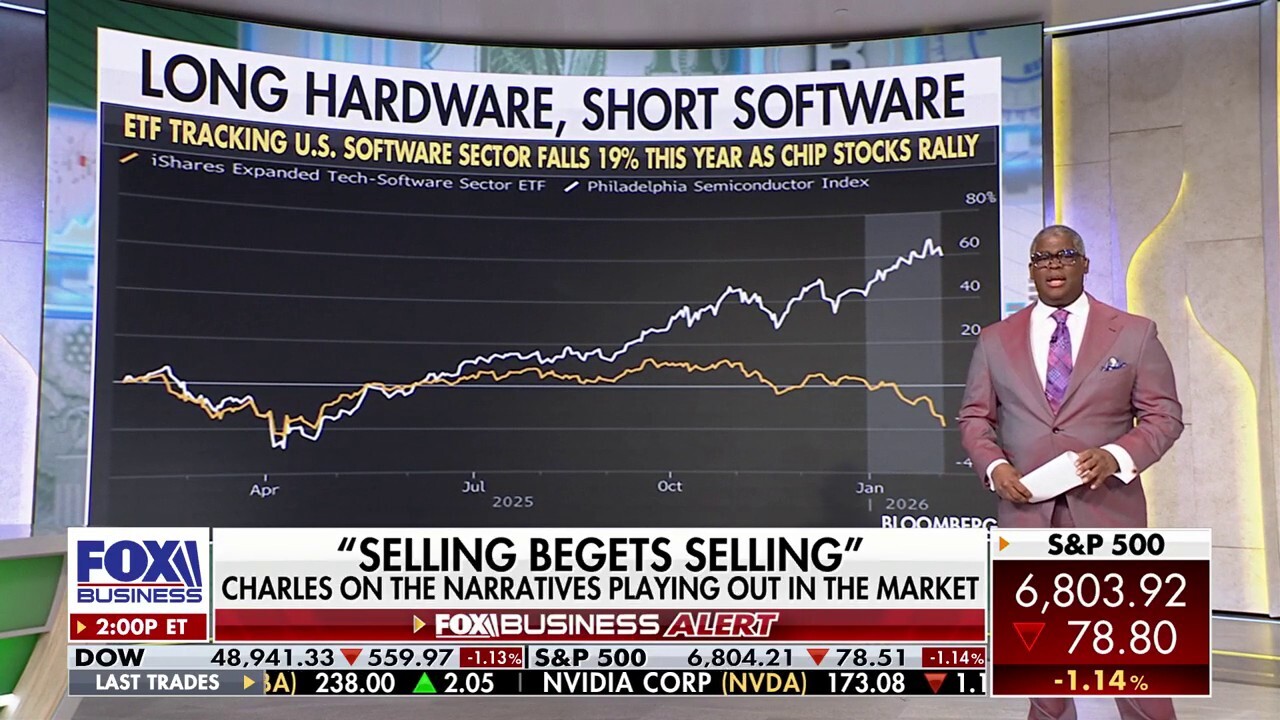
The software sector faces unprecedented disruption as artificial intelligence lowers entry barriers for specialized business tools, directly impacting e-commerce sellers' operational costs and technology strategies. According to Seeking Alpha analysts Louis Gerard and Brett Ashcroft Green, Microsoft and ServiceNow are positioned as AI winners with stronger competitive moats, while Adobe and Figma face higher disruption risk from lightweight AI-powered competitors threatening their pricing power. This trend creates immediate opportunities for sellers to reduce design, documentation, and business automation costs by 30-40% through emerging AI alternatives.
For e-commerce sellers, the immediate impact centers on SaaS tool costs and feature availability. Sellers currently using Adobe Creative Suite for product photography editing, Figma for listing design, and DocuSign for compliance documentation face potential pricing increases as traditional vendors defend market share against AI disruption. However, the news also signals emerging opportunities: AI-powered design tools like Midjourney, DALL-E, and Claude-based document processors can replace 60-70% of Adobe/Figma workflows at 1/10th the cost. Sellers managing 500+ SKUs can automate product image editing, listing optimization, and compliance document generation—tasks that typically consume 15-20 hours weekly—through AI tools costing $20-50/month versus $50-300/month for traditional SaaS.
Wall Street's software stock sell-off (News 2) amplifies this opportunity window. Strategists assess the decline as "overdone," suggesting potential stabilization, but the underlying message is clear: traditional software vendors face margin compression. This creates a 6-12 month window where sellers can negotiate better pricing on existing tools while simultaneously piloting AI alternatives. Authentic Brands Group's February 2026 shift toward Anthropic's AI for legal document review (News 4) demonstrates enterprise-scale adoption of AI-powered workflows, validating the technology's reliability for business-critical functions. The company's 600-employee workforce experimenting with AI tools signals that industry best practices are crystallizing—sellers who adopt proven AI workflows now gain 3-6 month competitive advantages before these practices become commoditized.
The strategic play for sellers involves three parallel moves: (1) Audit current SaaS subscriptions (Adobe, Figma, DocuSign, Canva) and identify which workflows can migrate to AI tools by Q2 2025, targeting 25-35% cost reduction; (2) Pilot AI-powered alternatives for product photography editing (Photoshop replacement), listing design (Figma replacement), and compliance document generation (DocuSign replacement); (3) Monitor software vendor pricing announcements through Q2-Q3 2025, as cost-pressured vendors may consolidate features or raise prices, making the case for AI migration stronger. Sellers in high-volume categories (electronics, apparel, home goods) managing 1000+ monthly listings can achieve 40-60 hours/month time savings plus $200-400/month cost reduction by shifting to AI-powered design and documentation workflows.
问题 8
How much can sellers save by switching from Adobe to AI-powered design tools?
Sellers can reduce design tool costs by 30-50% by migrating from Adobe Creative Suite ($55-85/month) to AI alternatives like Midjourney ($30/month) or DALL-E ($15-20/month) for product photography and listing design. A seller managing 500+ SKUs spending 15-20 hours weekly on image editing can automate 60-70% of this workflow through AI, saving $200-400/month plus 40-60 hours/month in labor. However, Adobe remains superior for complex brand-consistent design work requiring human oversight, so most sellers adopt a hybrid approach: AI for bulk product photography and basic listing design, Adobe for premium brand assets.
What does Authentic Brands Group's AI adoption mean for e-commerce sellers?
Authentic Brands Group's February 2026 shift toward Anthropic's Claude for legal document review signals that enterprise-grade AI tools are now reliable for business-critical functions. For sellers, this validates AI adoption for compliance documentation, contract review, and policy generation—tasks typically outsourced to lawyers or handled through DocuSign. The company's 600-employee workforce experimenting with AI tools indicates industry best practices are crystallizing. Sellers can now confidently pilot AI for document automation, expecting 3-6 month competitive advantages before these practices become standard. This is particularly valuable for sellers managing cross-border compliance, VAT documentation, and customs paperwork.