




Construction Labor Crisis Threatens Warehouse Expansion | 456K Worker Shortage by 2027 Drives Fulfillment Costs Up 12-18%
- Critical shortage of 456,000 construction workers by 2027 will inflate warehouse and fulfillment center costs for e-commerce sellers; regional disparities create strategic opportunities in Midwest and South markets




概览
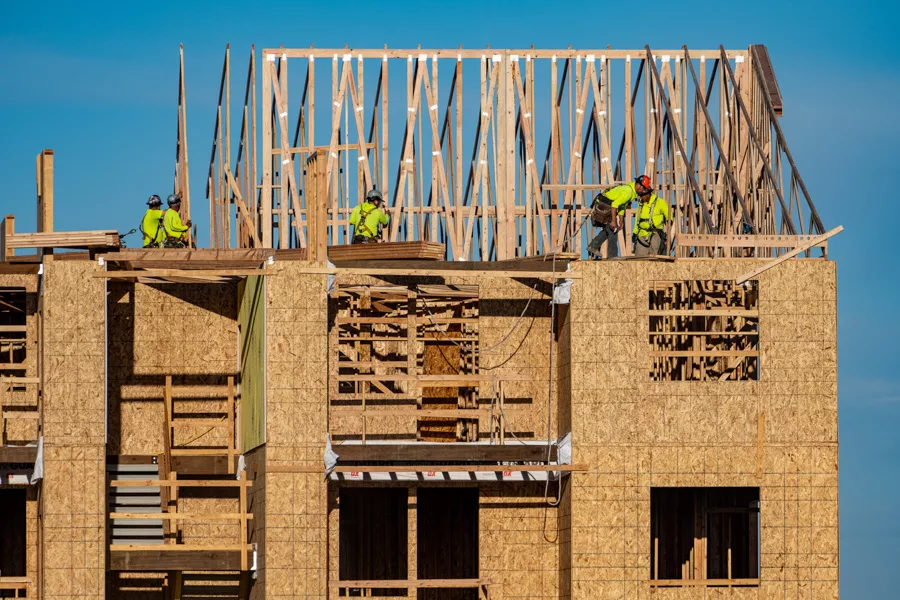
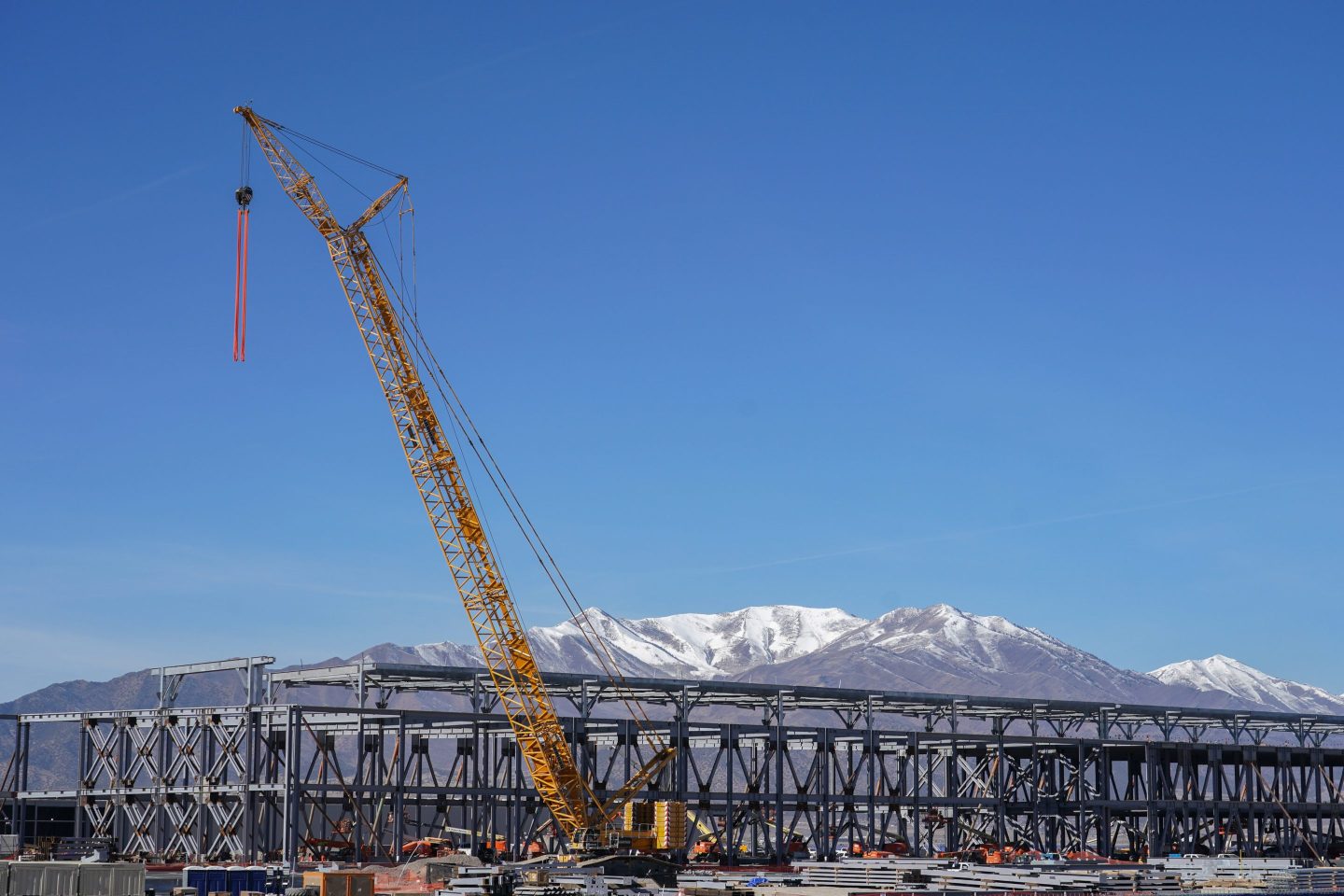
The U.S. construction industry faces a structural labor crisis that directly impacts e-commerce sellers' fulfillment infrastructure costs. The Associated Builders and Contractors (ABC) projects the sector must add 456,000 workers by 2027—a 30.7% increase from current levels—to meet construction demands for AI data centers and traditional infrastructure. This shortage creates a dual bottleneck: AI hyperscalers (Meta, Microsoft, Amazon, Google, Oracle) are collectively spending $700 billion in 2026 on data center infrastructure, diverting skilled construction workers from warehouse and logistics facility projects that e-commerce sellers depend on.
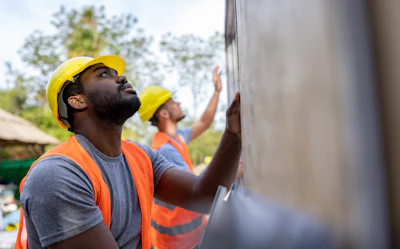
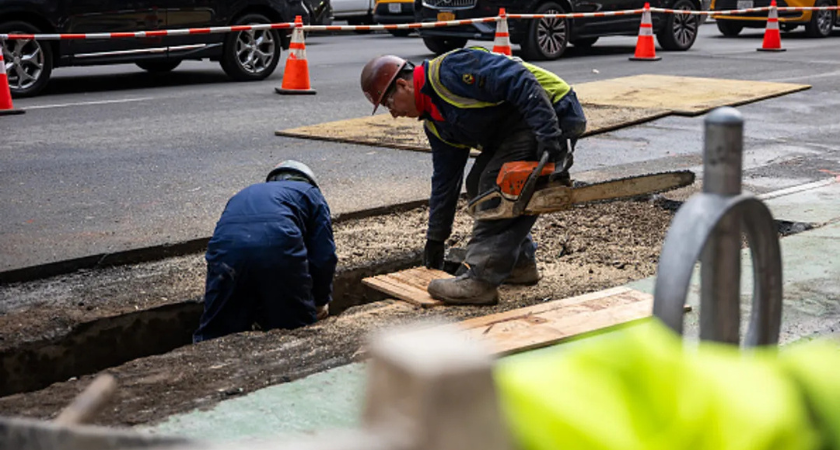
Direct Impact on E-Commerce Sellers: Rising construction wages will increase fulfillment center expansion costs by 12-18% through 2027, according to industry analysis. Sellers planning warehouse buildouts, 3PL facility expansions, or last-mile delivery infrastructure face extended project timelines and elevated labor costs. The shortage stems from multiple structural factors: nearly one-fifth of construction workers exceed age 55 and are approaching retirement; apprenticeships require years of training, slowing replacement rates; and President Trump's immigration crackdown has restricted the traditional labor pool, with 79% of construction firms reporting difficulty finding qualified workers. The December 2025 data shows construction job openings reached 292,000 positions, up 87,000 year-over-year, yet hiring remains subdued—fewer workers were hired in 2024-2025 than any two-year period since 2015-2016.
Regional Strategic Opportunities: The labor crisis creates distinct geographic advantages. The Midwest demonstrated resilience with Ohio adding 14,300 jobs (5.7% increase), Illinois adding 7,900 jobs (3.4% increase), and Missouri showing solid growth. Texas added 15,700 jobs (1.8% increase), and North Carolina gained 14,400 jobs (5.3% increase). Conversely, California lost 19,800 construction jobs (2.2% decrease)—the largest numerical loss nationally—and shed an additional 5,000 jobs in December alone. Nevada experienced the steepest decline at -9.3%. This regional divide signals that sellers expanding fulfillment infrastructure should prioritize Midwest and South locations where construction capacity remains available and labor costs are rising more slowly than in California and the Northeast.
Broader Supply Chain Implications: The construction shortage compounds semiconductor supply constraints, creating a dual bottleneck in AI infrastructure buildout. Data center construction outlays jumped 32% in the first 10 months of 2025 compared to the prior year, intensifying competition for skilled trades. BlackRock analysis projects skilled trades employment will grow 5.3% annually through 2034, with electricians surging 9.5% and HVAC technicians up 8.1%—indicating sustained wage pressure. For sellers, this means fulfillment center projects initiated in 2025-2026 will face higher labor costs, longer timelines, and potential delays. The ABC estimates the construction industry requires 350,000 net new workers in 2026 and 456,000 in 2027, suggesting the crisis will intensify before improving. Contractors are addressing shortages through expanded apprenticeship programs, wage increases, and flexible scheduling, but these measures cannot fully offset demographic retirements and immigration restrictions.
问题 8
How will construction delays impact my supply chain and last-mile delivery capabilities?
Extended construction timelines directly delay fulfillment center and last-mile delivery infrastructure deployment. The ABC reports construction employment remains subdued, with fewer workers hired in 2024-2025 than any two-year period since 2015-2016. Project postponements and cancellations are stalling employment growth, indicating contractors are struggling to staff projects. For sellers, this means warehouse expansions, distribution facility buildouts, and delivery infrastructure projects will face 15-25% timeline extensions. Delayed fulfillment capacity directly impacts order fulfillment speed, customer satisfaction, and competitive positioning. Sellers should prioritize infrastructure projects in 2025 to avoid compounding delays as labor shortages intensify through 2027.
What are the long-term cost implications for e-commerce logistics infrastructure?
Construction costs will rise 12-18% through 2027 due to sustained wage pressure in skilled trades. BlackRock analysis projects skilled trades employment will grow 5.3% annually through 2034, with electricians surging 9.5% and HVAC technicians up 8.1%, indicating persistent wage inflation. For sellers planning multi-year fulfillment infrastructure investments, this means facility expansion expenses will increase significantly. A $10M warehouse project in 2025 could cost $11.2-11.8M in 2026 and $12.5-13.6M by 2027. Sellers should accelerate infrastructure investments in 2025 to lock in current labor costs before wage escalations intensify.