

NFL Game Strategy Reveals Unexpected Parallels in Competitive Resilience
- Unexpected insights emerge from strategic adaptability in high-stakes performance environments
























概览
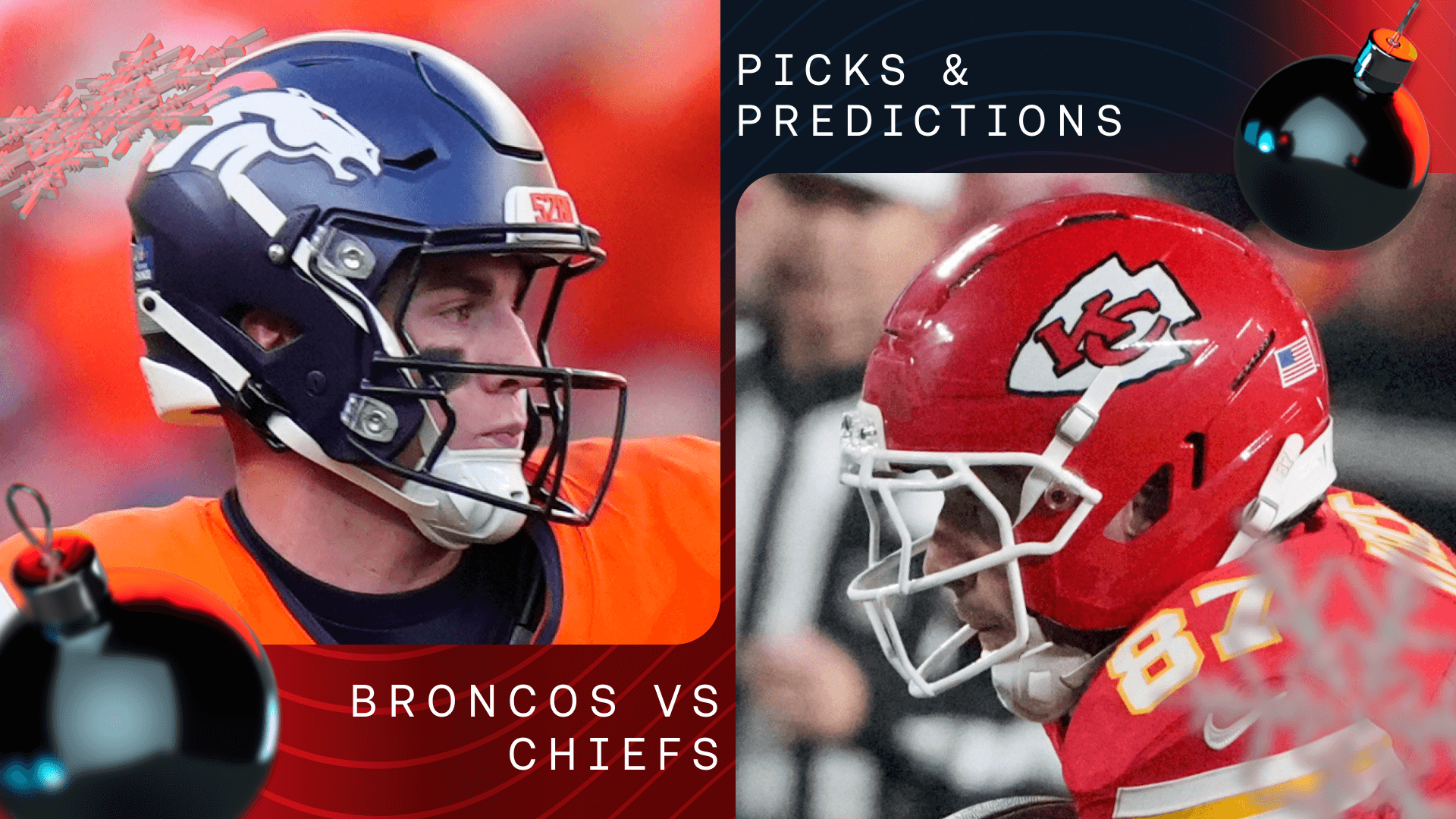
In an intriguing narrative of strategic resilience, the recent Denver Broncos versus Kansas City Chiefs game offers a compelling metaphor for competitive dynamics that transcend sports. Strategic adaptability emerges as the core theme, with the Broncos demonstrating remarkable performance under challenging circumstances.
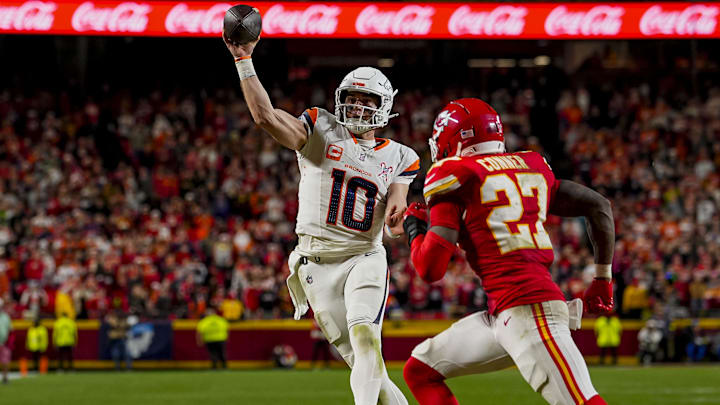
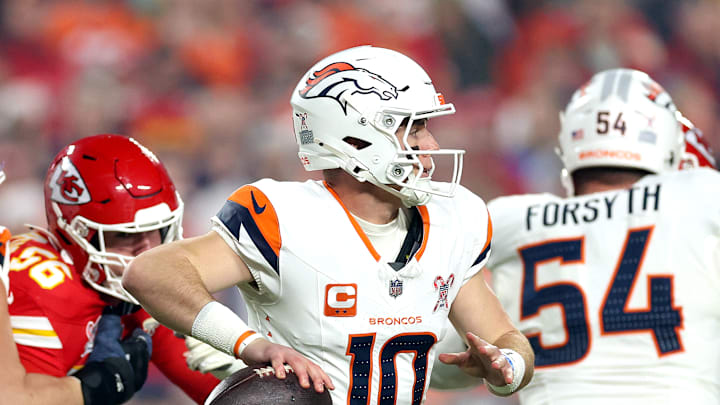
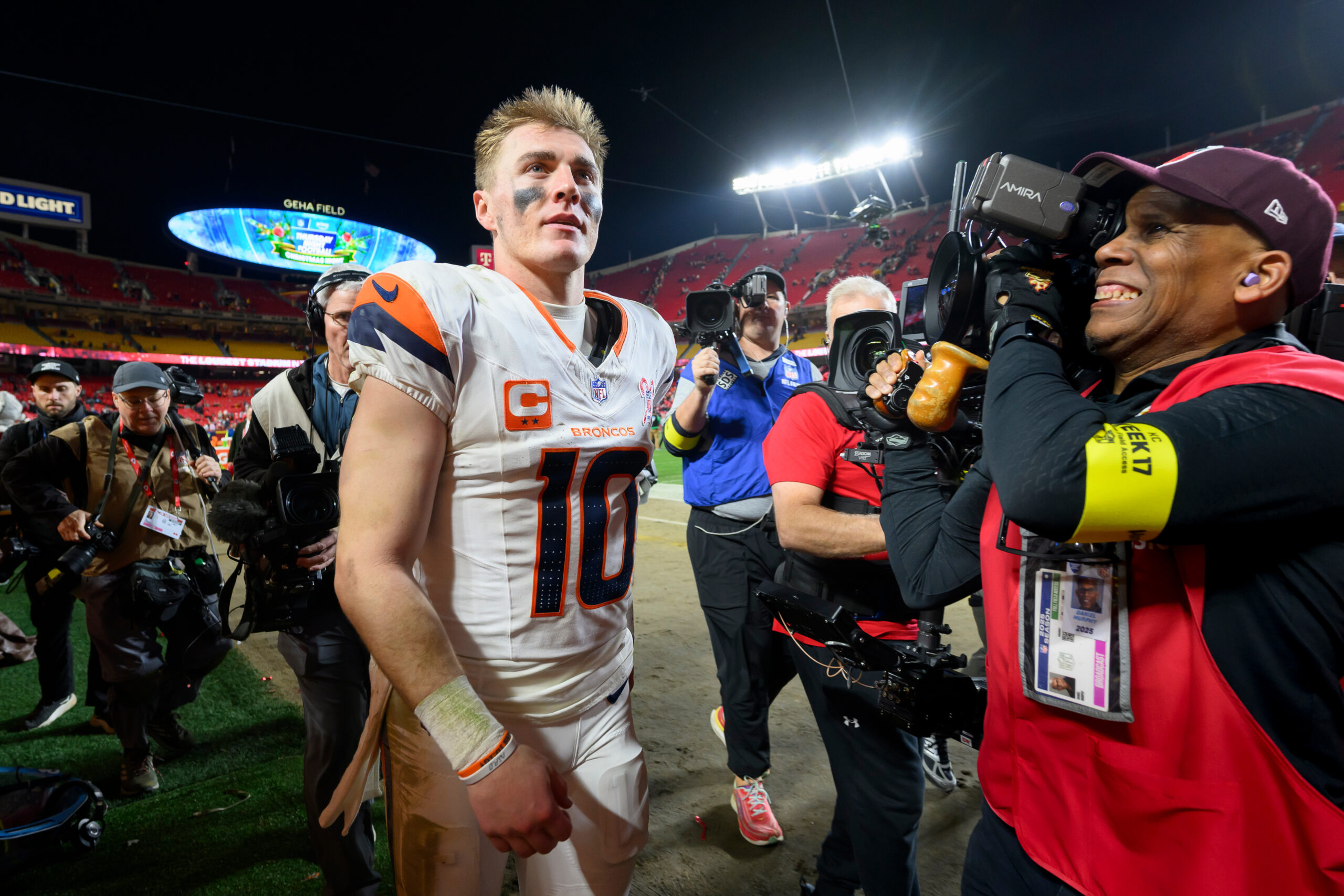
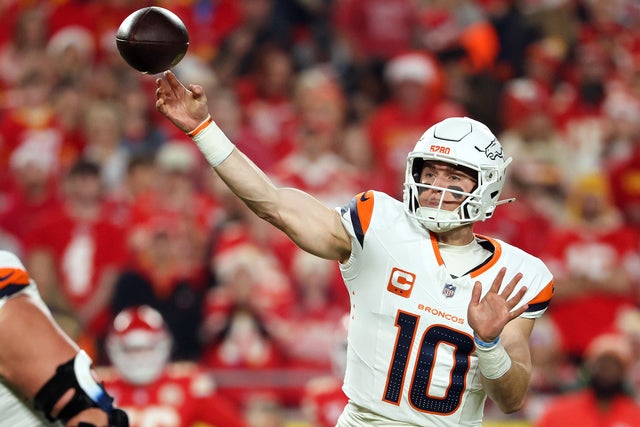
Tactical Improvisation stands out as the key strategic lever. Despite being positioned with a third-string quarterback, the Broncos secured a critical 20-13 victory at Arrowhead Stadium—their first win there since 2015. Quarterback Bo Nix exemplified this adaptability by leading a game-sealing 14-play, 65-yard touchdown drive in the fourth quarter, consuming 6:18 of critical clock time. This maneuver underscores a fundamental principle: success often hinges not on perfect conditions, but on the ability to recalibrate and execute under pressure.
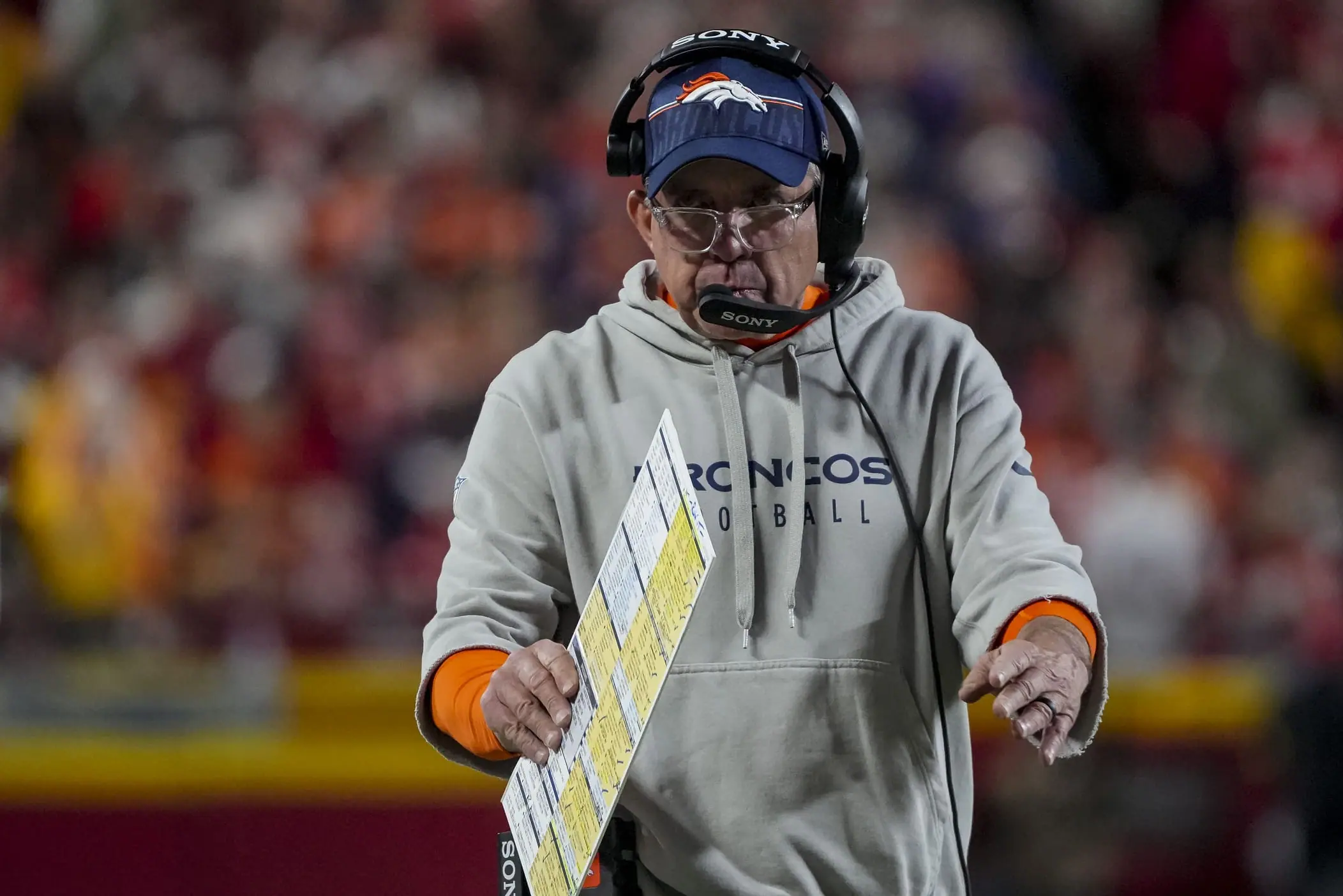
The game's strategic nuances reveal deeper insights into competitive performance. Sean Payton's leadership demonstrated how calculated risk-taking can transform potential setbacks into strategic advantages. The coach's willingness to consider a delay of game penalty, subsequently averted by an opponent's neutral zone infraction, highlights the importance of situational awareness and flexible decision-making.
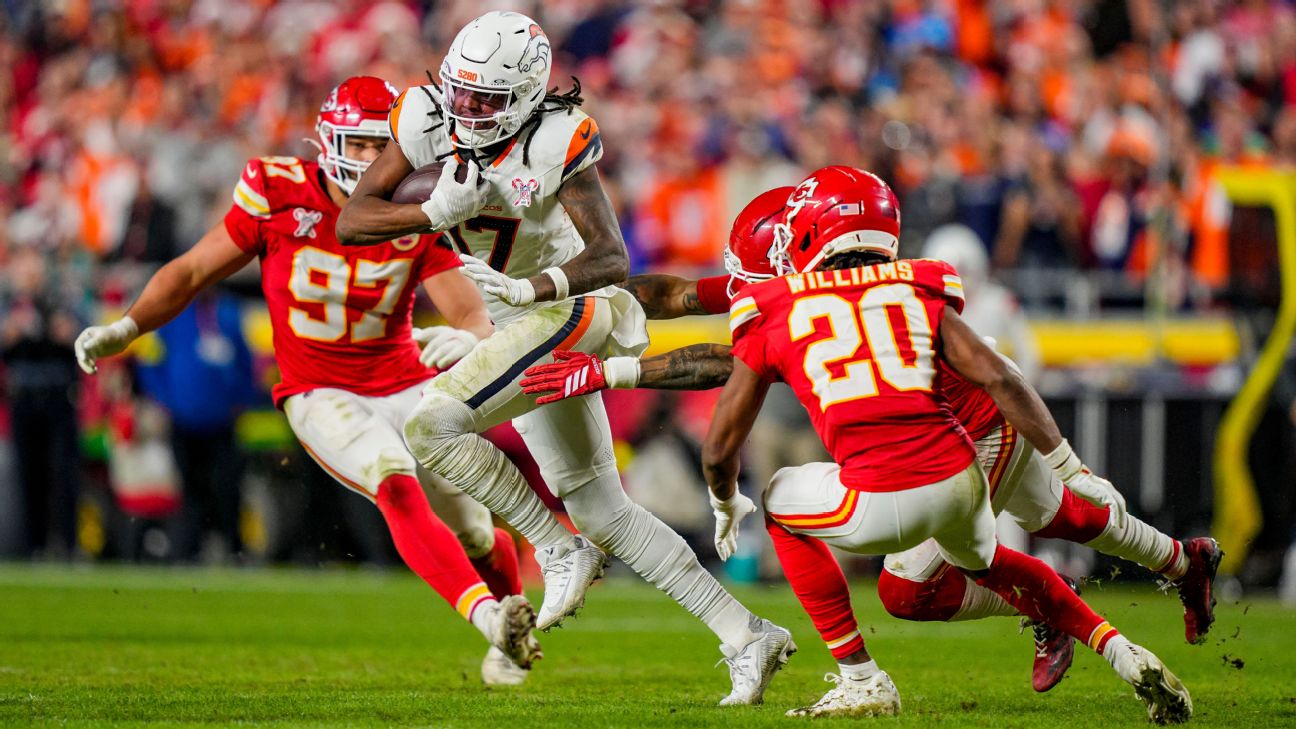
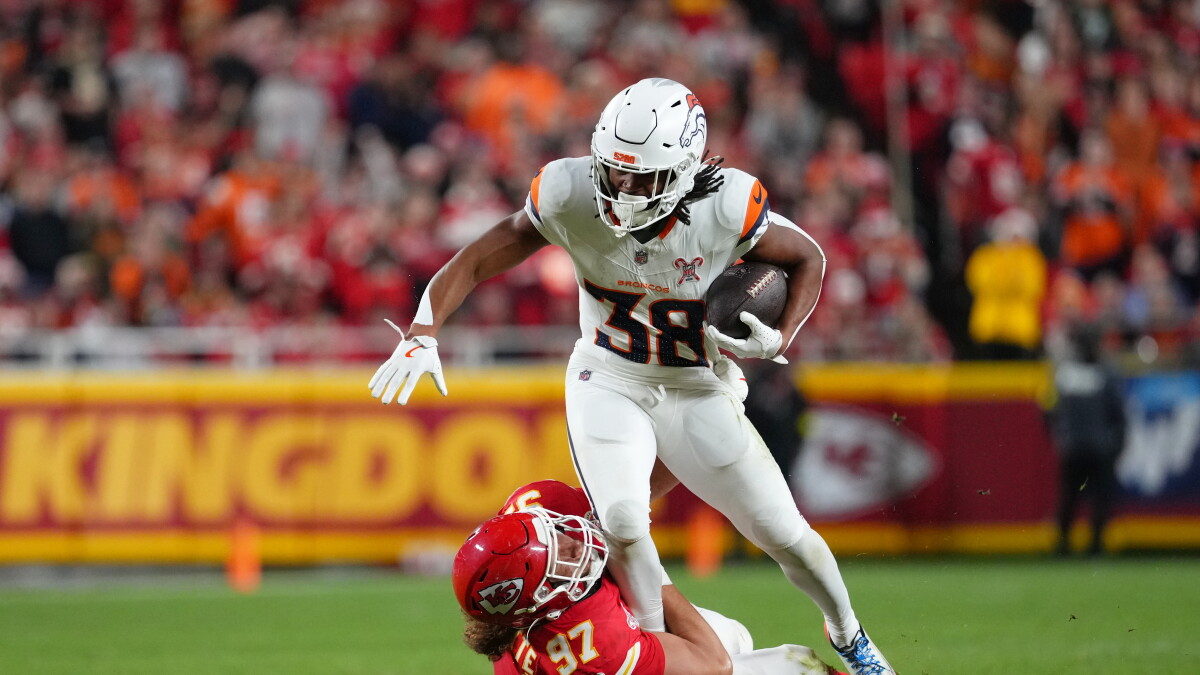
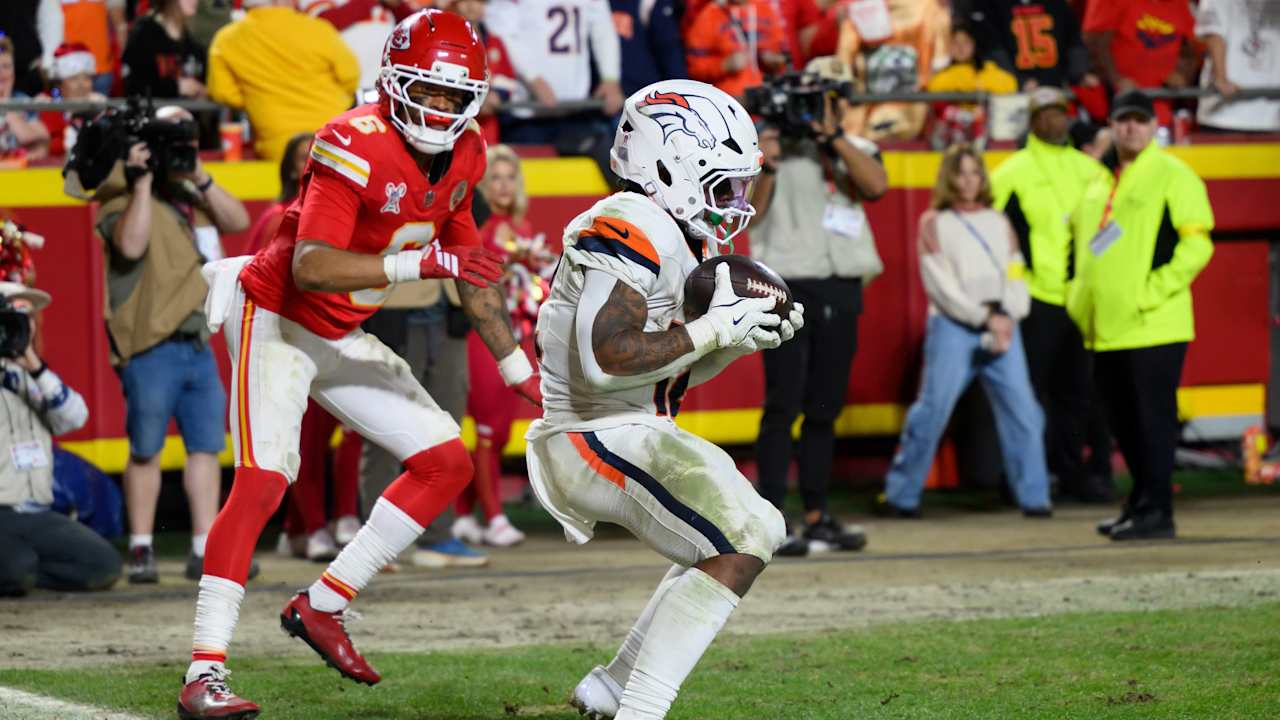
Running back RJ Harvey's performance further reinforces this narrative of versatility. Accumulating 76 all-purpose yards and scoring his 12th touchdown of the season, Harvey represents the kind of multi-dimensional talent that creates competitive differentiation. His ability to contribute across multiple dimensions mirrors the broader strategic imperative of building adaptable, resilient systems.
Critically, the Broncos' victory was not without challenges. Poor tackling and a first-quarter interception by Nix revealed underlying vulnerabilities. Yet, the team's ability to overcome these obstacles and maintain competitive momentum speaks to a deeper organizational resilience—a quality increasingly valuable in complex, rapidly changing environments.
The broader implication extends beyond the football field: true competitive advantage emerges not from perfect execution, but from the capacity to adapt, recalibrate, and maintain strategic focus under uncertain conditions. Organizations across domains can learn from this microcosm of strategic performance.
问题 3
Why is resilience more important than perfect execution?
The game illustrates that competitive success stems not from flawless performance, but from the ability to recover from setbacks, maintain focus, and continuously adapt. The Broncos' victory despite early challenges proves that organizational resilience—the capacity to absorb disruptions and maintain strategic momentum—is a critical competitive differentiator.
What leadership lessons can be drawn from Sean Payton's approach?
Payton's willingness to consider unconventional strategies, like potentially taking a delay of game penalty, demonstrates the importance of situational awareness and calculated risk-taking. His approach shows that effective leadership involves being adaptable, reading the dynamic environment, and being prepared to make swift, strategic adjustments.